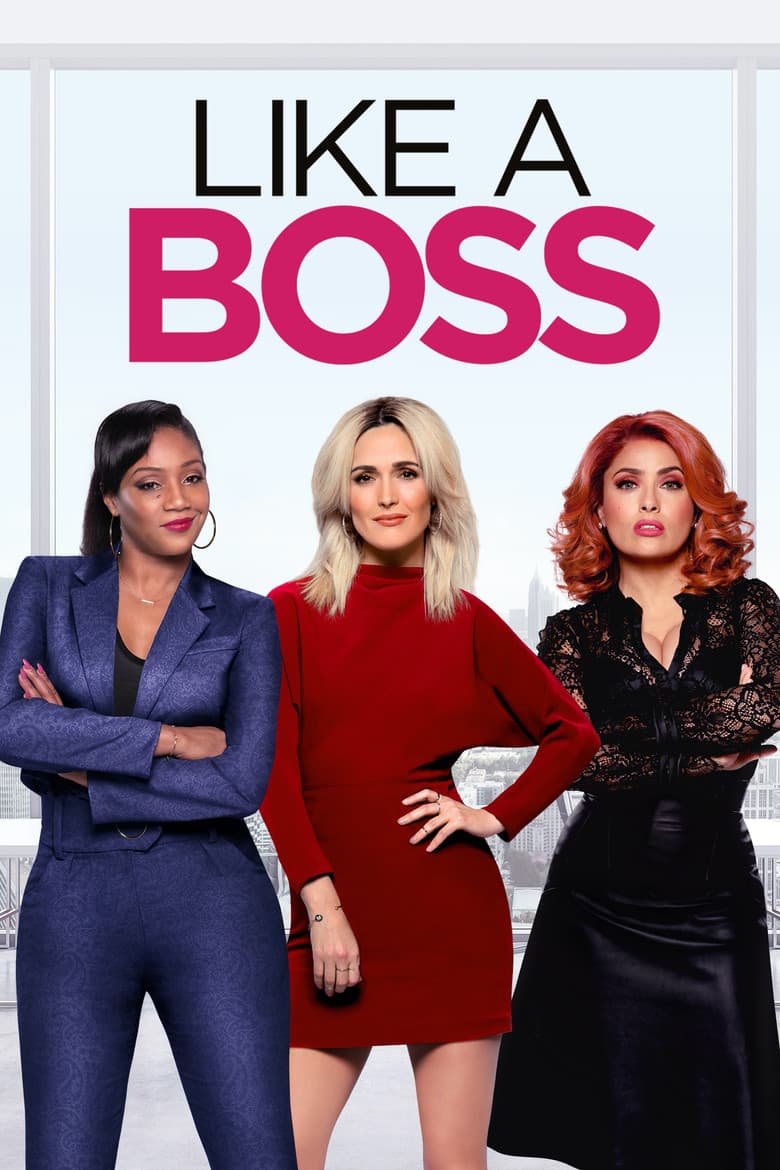
Like a Boss follows Mia Carter and Mel Paige, two lifelong friends who own a small makeup company. The business is deep in debt, so they accept help from Claire Luna, a rich beauty boss who wants control. Claire turns the friends against each other and steals one of their ideas. The tone is loud, raunchy, and silly, with friendship drama placed inside a short business comedy.
The film puts women at the center of business, friendship, and success. It presents Mia and Mel's life without husbands or children as a valid choice, and it says makeup can be for women themselves rather than for male approval. A gay Black employee and a drag performer add visible LGBTQ content, while the main cast gives several women power in the beauty world. The film also shows male makeup sellers as clueless about what women want. These ideas are clear across the movie, but they are told through broad jokes and a simple friendship story instead of deep political debate.
Community feedback
Was our 47% Woke rating accurate?
Breakdown
These are the editorial factors and ratings behind our score for Like a Boss.
Woke representation / casting
The main business roles go to a black woman, a white woman, and a Latina woman. The film gives a gay black makeup designer a visible supporting role and includes a short drag performance. The leads are owners and decision makers in a women-led workplace. The repeated mix of race, sex, and queer identity makes representation easy for viewers to notice.
42%
Woke political dialogue
The store's product pitch says makeup should show a woman's best features instead of hiding flaws. Mia and Mel's rival male sellers build their line around making women look attractive to men, and the film treats that idea as foolish. The leads also have a quick joke about liking Barack Obama. The movie has little direct political speech, so this message stays brief.
15%
Identity-driven story themes
The story centers on two women who want success without changing their friendship or waiting for men to save them. Their friends question why they are single and childless, but the film treats their work and close friendship as a valid happy life. The final Ride or Die product celebrates best friends getting ready together instead of dressing for male approval. The ending rewards Mia and Mel for building a women-led company on their own terms.
52%
Western institutional / cultural critique
The film challenges the idea that women should measure their lives by marriage, children, or male attention. The friends first face pressure from married women who judge their choices, and the story later turns that judgment around. The male owners of a rival makeup line are mocked for assuming women only want to look good for men. The film does not attack Christianity or Western institutions.
25%
Woke character or canon changes
Not relevant. The film is an original modern comedy with no established characters or real events to change.
0%
Anti-woke backlash and complaints
Not present. The separate X pass found no anti-woke campaign or specific anti-woke complaint. Broader reviews focused on weak jokes and thin writing, not woke or DEI content.
0%
Creator track record context
Danielle Sanchez-Witzel has spoken about tokenism and unfair treatment of women of color in writers' rooms. Miguel Arteta said he wanted to honor female friendship and likes stories about strong women. Adam Cole-Kelly, Sam Pitman, and most listed producers have limited public evidence of activist or identity-focused work. Tiffany Haddish's foundation work supports children affected by foster care and is a general social cause.
27%
Production
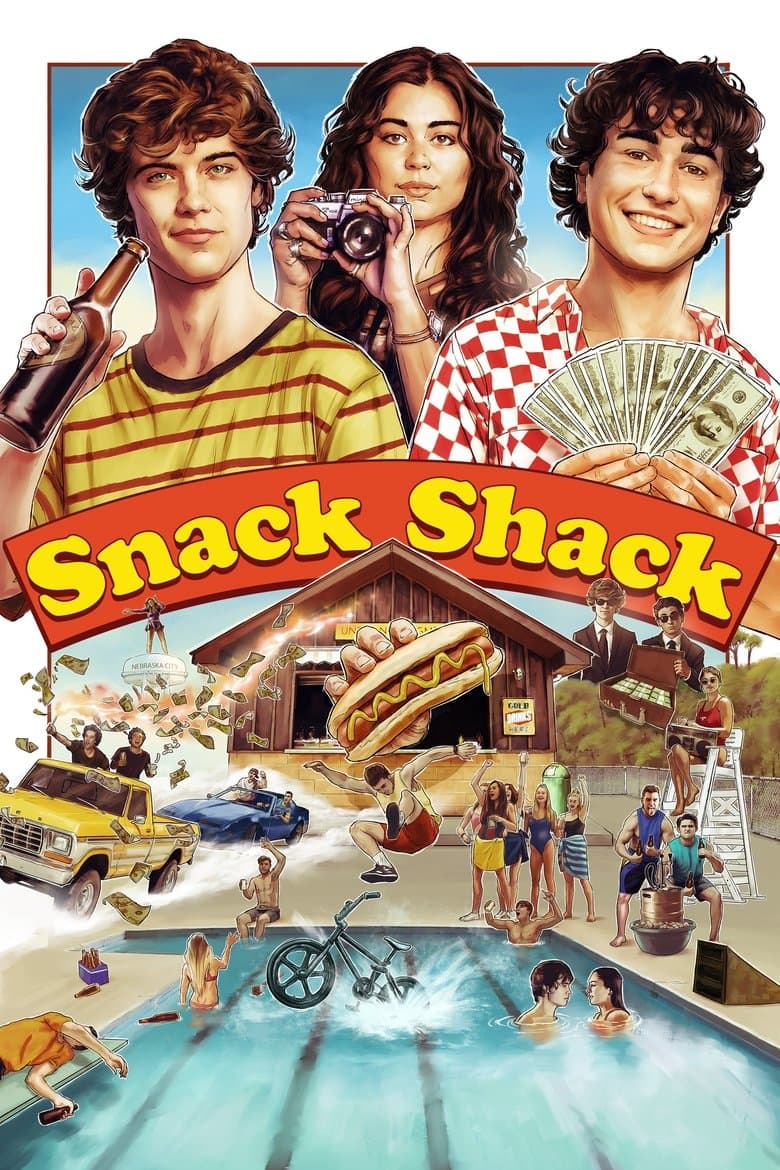
Movie · 2024
Inseparable best friends AJ and Moose decide to run the local pool's snack shack after their plan to sell home-brewed beer goes down the drain.
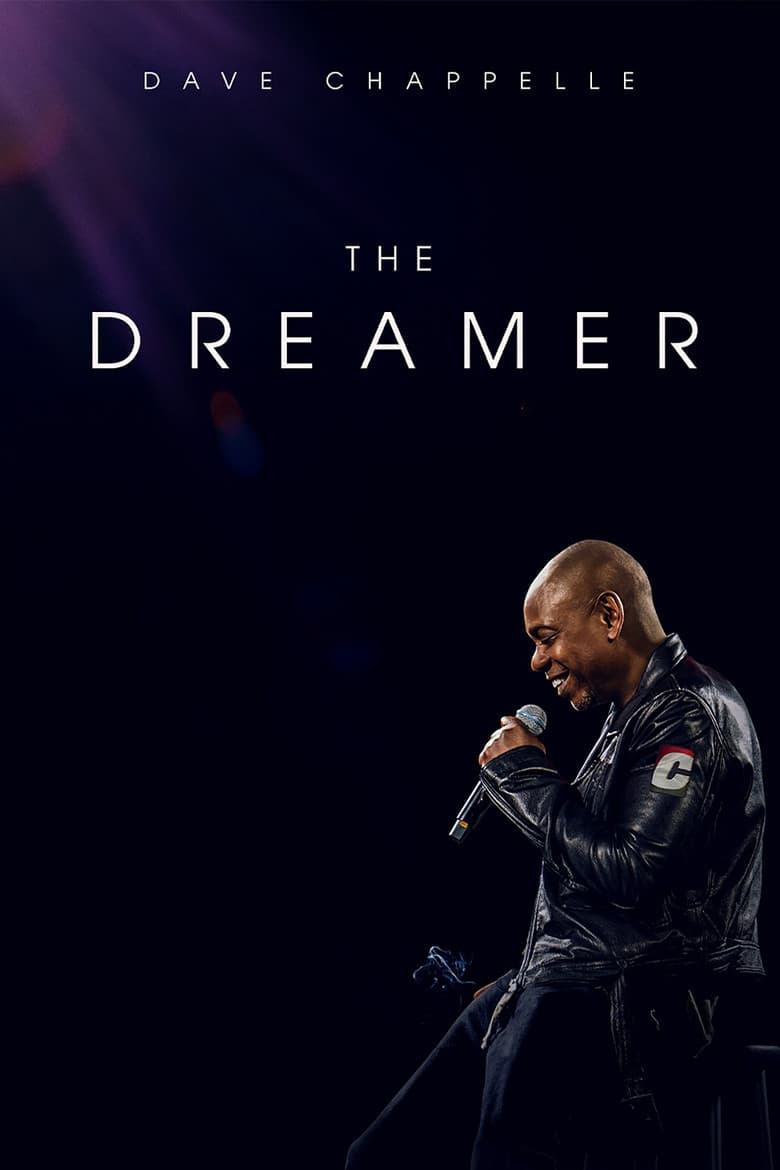
Movie · 2023
From his onstage tackle to the slap heard round the world, Dave Chappelle lets loose in this freewheeling and unfiltered stand-up comedy special.
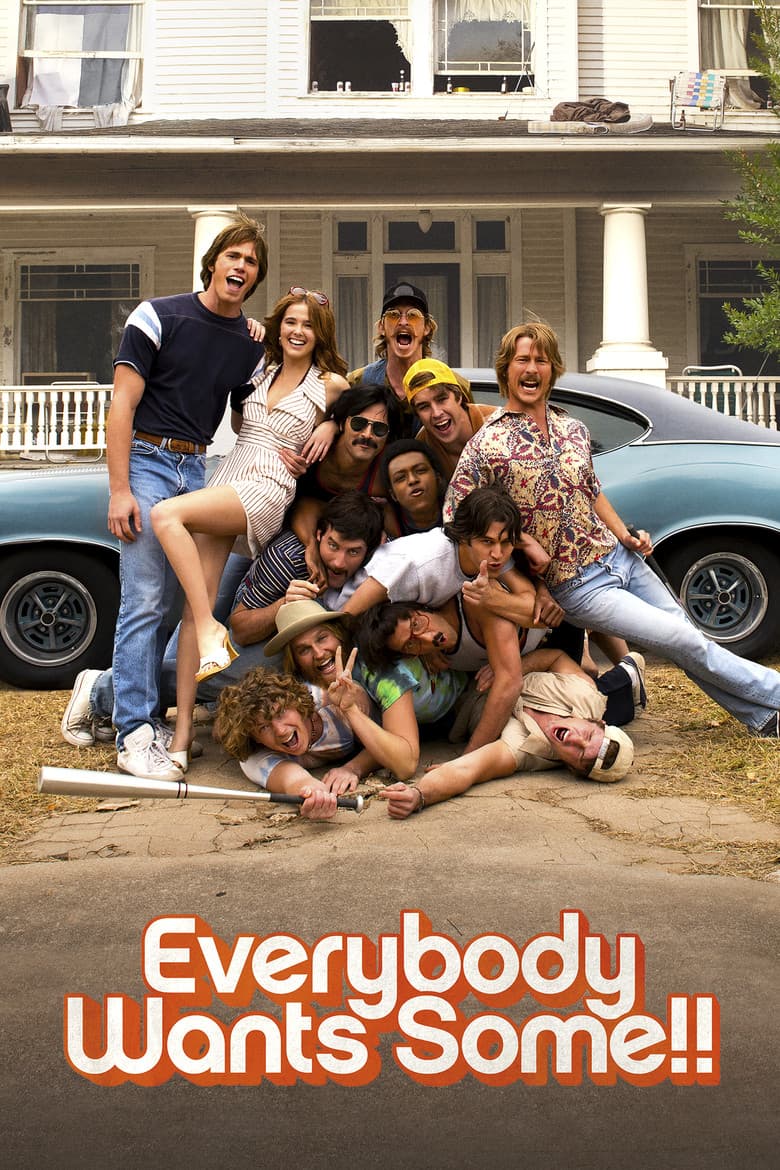
Movie · 2016
A comedy that follows a group of friends as they navigate their way through the freedoms and responsibilities of unsupervised adulthood.
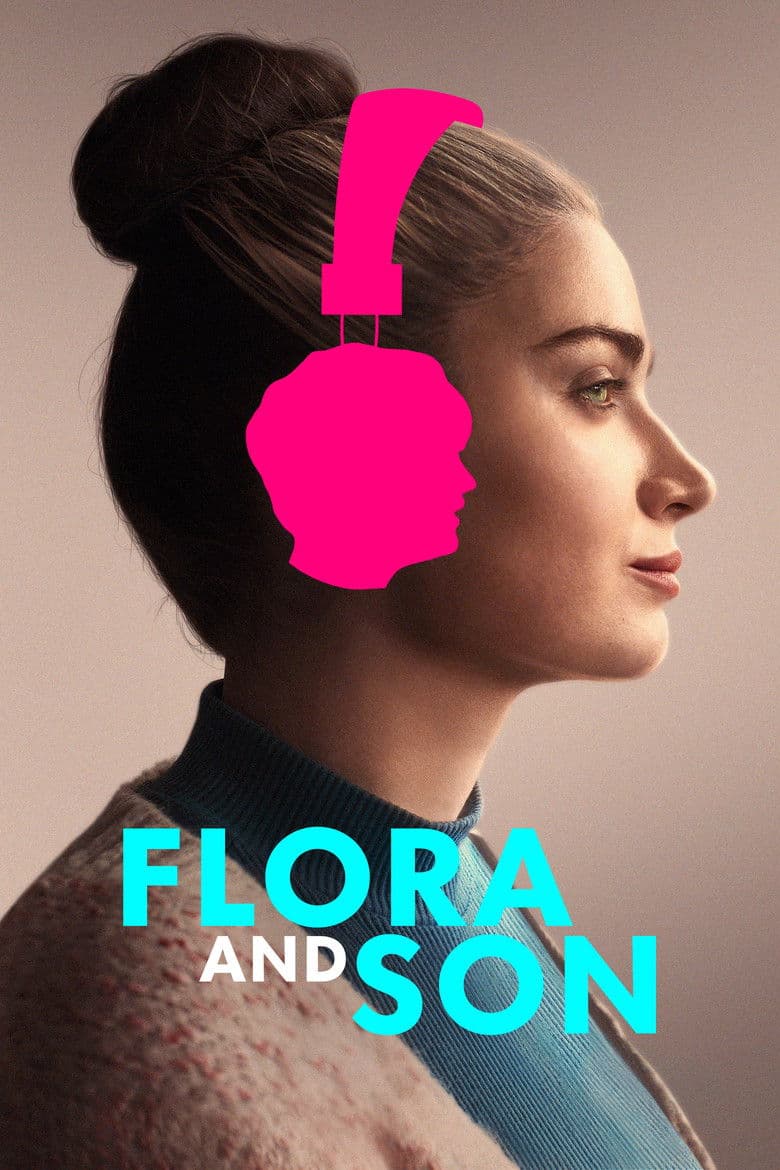
Movie · 2023
Single mom Flora is at a loss about what to do with her rebellious teenage son, Max. Her efforts to keep him out of trouble lead to a beat-up acoustic guitar, a washed-up LA…
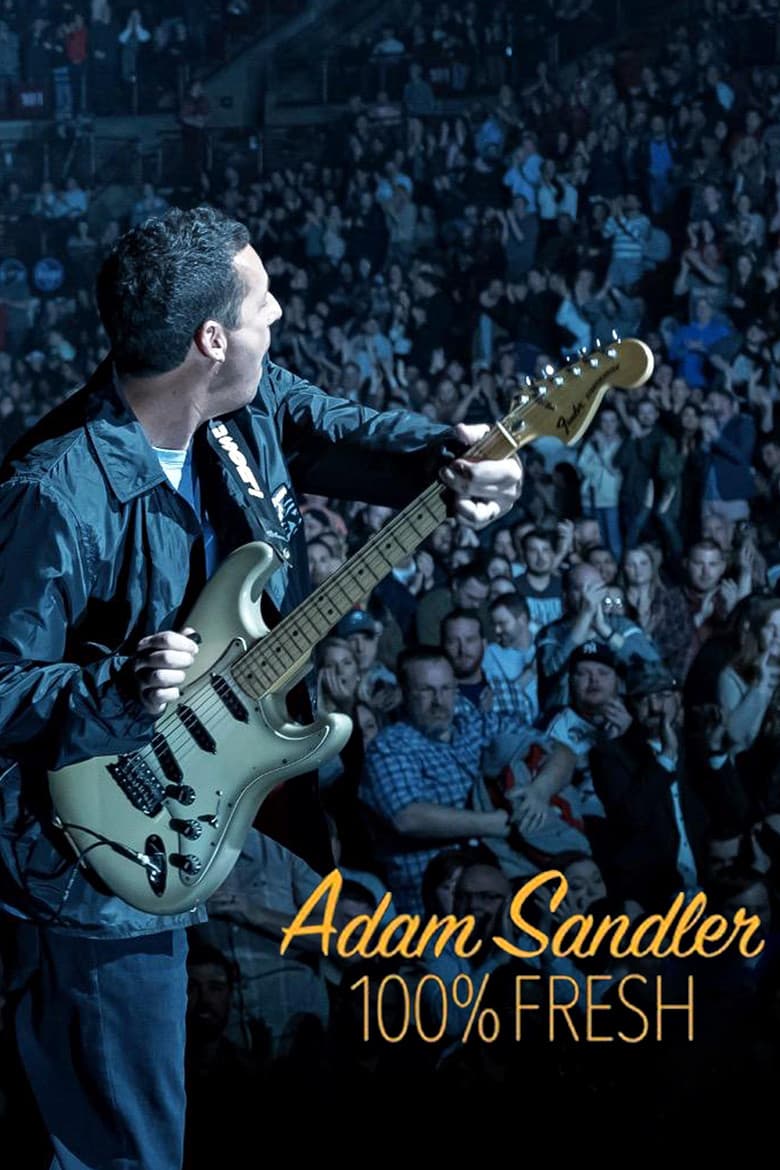
Movie · 2018
Adam Sandler takes his comical musical musings back out on the road, from comedy clubs to concert halls to one very unsuspecting subway station.
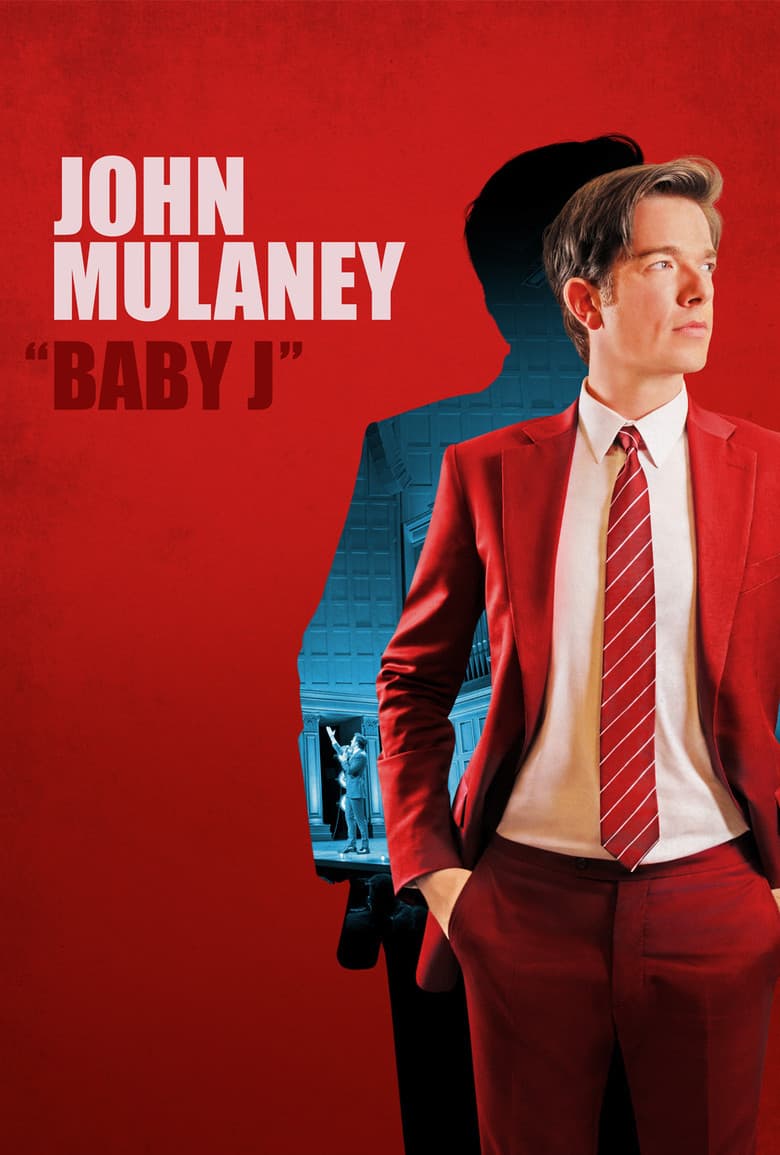
Movie · 2023
A chaotic intervention. An action-packed stay in rehab. After a weird couple of years, John Mulaney comes out swinging in his return to the stage.
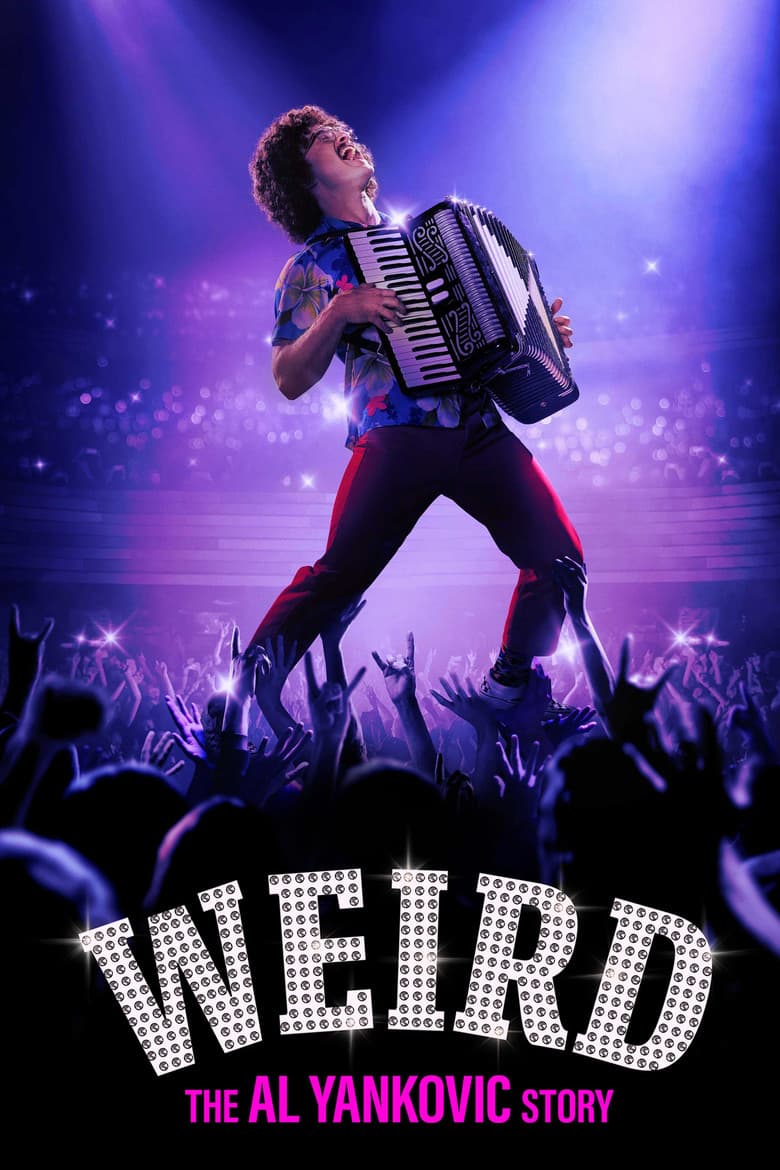
Movie · 2022
Exploring every facet of ‘Weird Al’ Yankovic’s life, from his meteoric rise to fame with early hits like ‘Eat It’ and ‘Like a Surgeon’ to his torrid celebrity love affairs and…
Movie · 2023
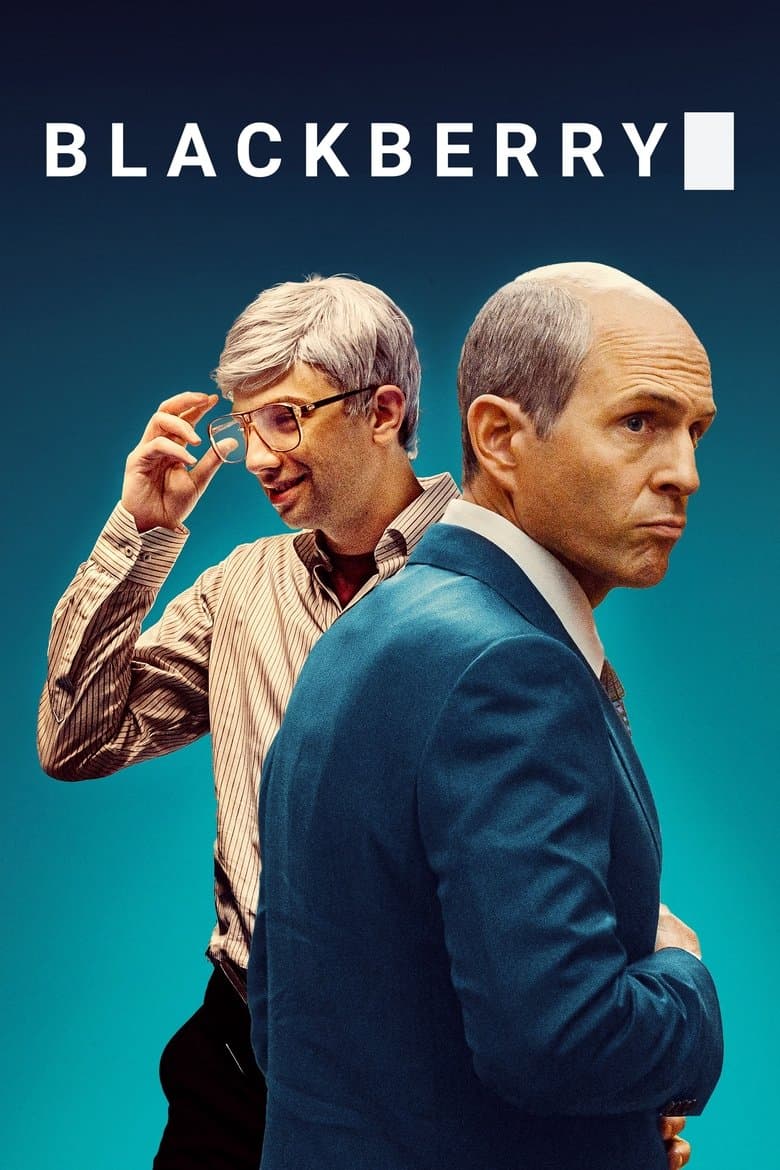
Two mismatched entrepreneurs – egghead innovator Mike Lazaridis and cut-throat businessman Jim Balsillie – joined forces in an endeavour that was to become a worldwide hit in…
