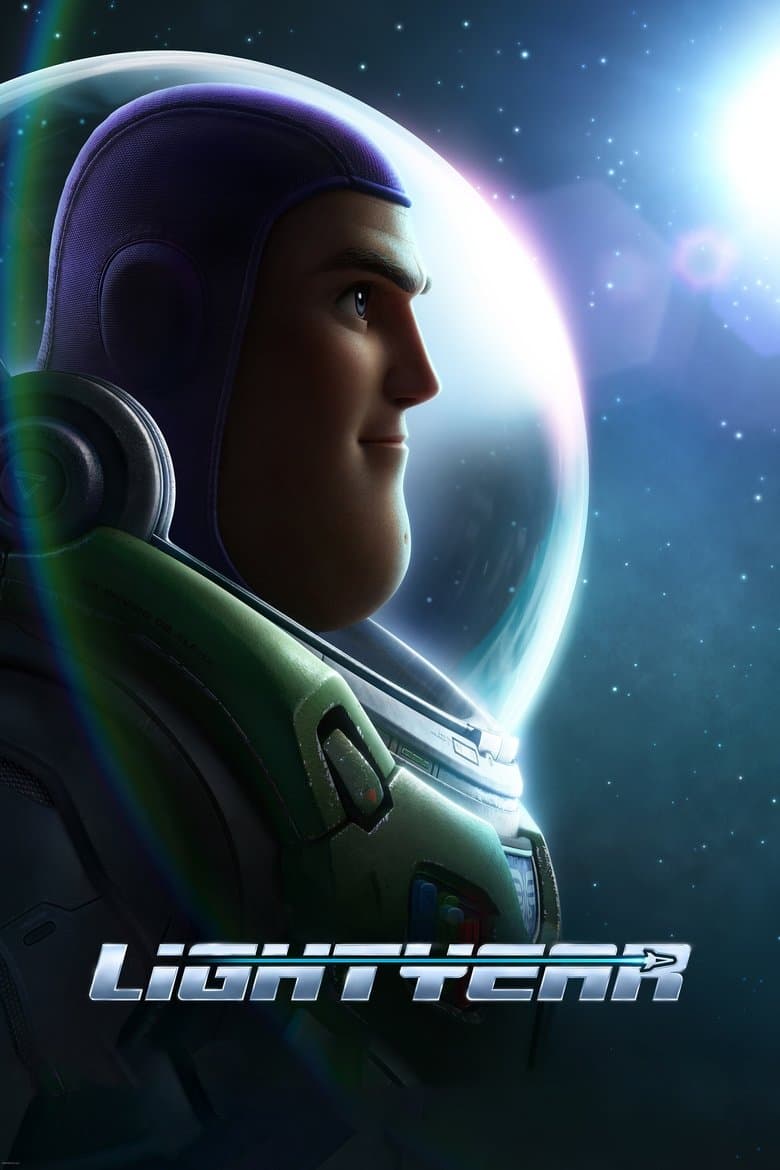
Buzz Lightyear is a Space Ranger stuck on a far-off planet after a mission goes wrong. He keeps running high-speed test flights to fix the ship and get everyone home, but each flight jumps him years ahead in time. While he chases the perfect fix, his friends build a whole life on the colony. The movie is a bright space adventure with humor, teamwork, and a lesson about pride and home.
The biggest audience-visible woke piece is a clear LGBTQ storyline: Buzz’s commander Alisha is married to a woman, they raise a family, and they share a same-sex kiss. That couple is part of the time-skip story and was widely sold as Pixar’s first real same-sex kiss. Viewers also see strong diverse casting in big roles, including Alisha and her granddaughter Izzy as capable black women leaders. The main plot is still space action and friendship, not a long political speech, but the queer family and diversity in key roles are easy for a normal viewer to notice.
Community feedback
Was our 73% Woke rating accurate?
Breakdown
These are the editorial factors and ratings behind our score for Lightyear.
Woke representation / casting
Clear diversity in big roles: black commander Alisha, her granddaughter Izzy as an eager recruit leader (Keke Palmer), and a mixed junior team. Alisha’s lesbian marriage and family are audience-visible LGBTQ character design. Future sci-fi setting, but the pattern of identity-forward competent roles is easy to notice; queer casting adds extra weight.
52%
Woke political dialogue
The film mostly shows the couple instead of giving long activist speeches. Little talk about rights, systems, or modern politics. A normal viewer hears almost no lecture-style woke dialogue.
5%
Identity-driven story themes
Alisha’s marriage to a woman, their child, and the same-sex kiss are real LGBTQ story beats tied to Buzz’s lesson about living a full life. Not the whole movie, but clear and planned; creator comments framed it as representation. Queer content gets higher weight under scoring rules.
62%
Western institutional / cultural critique
Core conflict is space danger, pride, and time loss. No strong modern attack on Western faith, traditional family as evil, or toxic-masculinity lectures. Ordinary hero-flaw story, not activist culture critique.
0%
Woke character or canon changes
Alisha is a new character made explicitly queer for representation, per the director—not a race or gender swap of classic Buzz. Evans as human Buzz vs Tim Allen’s toy is a franchise framing choice more than an identity rewrite of an old character’s race or sex.
28%
Anti-woke backlash and complaints
Large, well-reported backlash that the film pushed LGBTQ content on kids. Conservatives called it agenda-driven; many markets banned it over the kiss; box-office flop was widely tied on the right to “woke” Disney. Strong, lasting anti-woke complaint.
78%
Creator track record context
Key creative MacLane publicly valued LGBTQ representation and defended the kiss. Most other listed writers, producers, and craft leads score low (0–22). Overall mid-low crew context, raised by MacLane’s stance matching the film’s queer content.
35%
Production
Movie · 2017
Despite his family’s baffling generations-old ban on music, Miguel dreams of becoming an accomplished musician like his idol, Ernesto de la Cruz.
Movie · 2018
Peter Rabbit's feud with Mr. McGregor escalates to greater heights than ever before as they rival for the affections of the warm-hearted animal lover who lives next door.
Movie · 2024
The untold origin story of Optimus Prime and Megatron, better known as sworn enemies, but once were friends bonded like brothers who changed the fate of Cybertron forever.
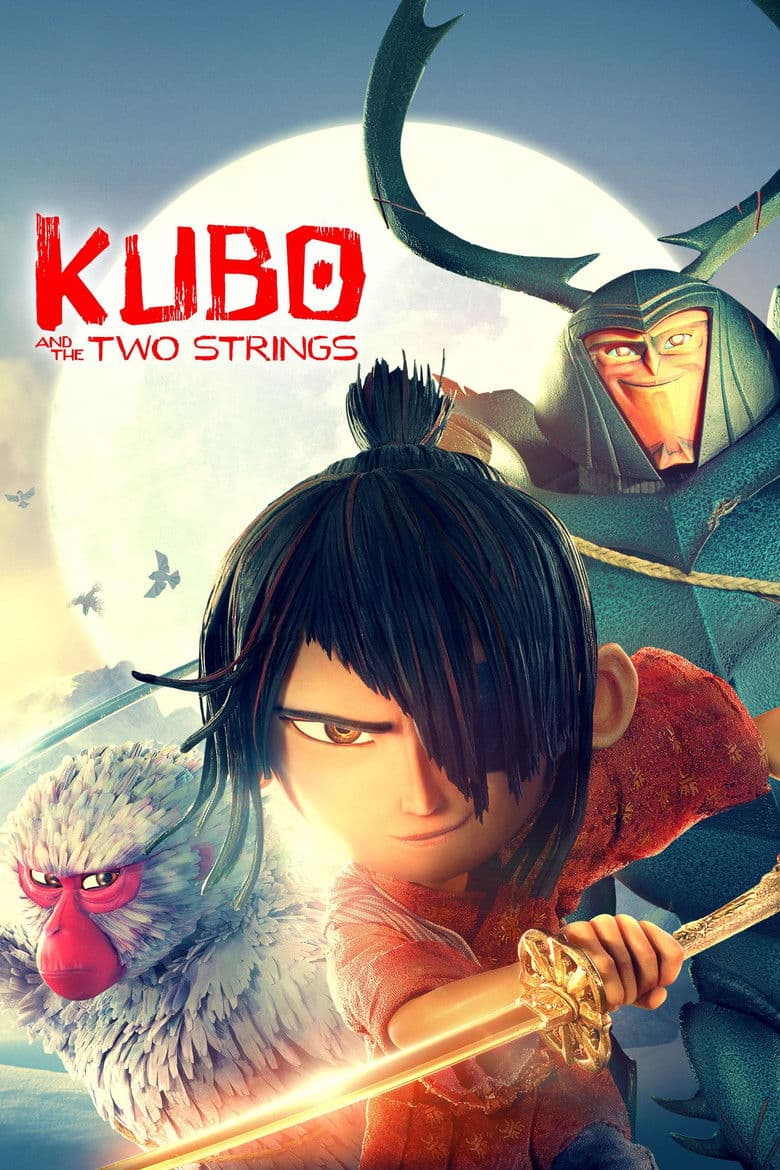
Movie · 2016
Kubo mesmerizes the people in his village with his magical gift for spinning wild tales with origami. When he accidentally summons an evil spirit seeking vengeance, Kubo is forced…
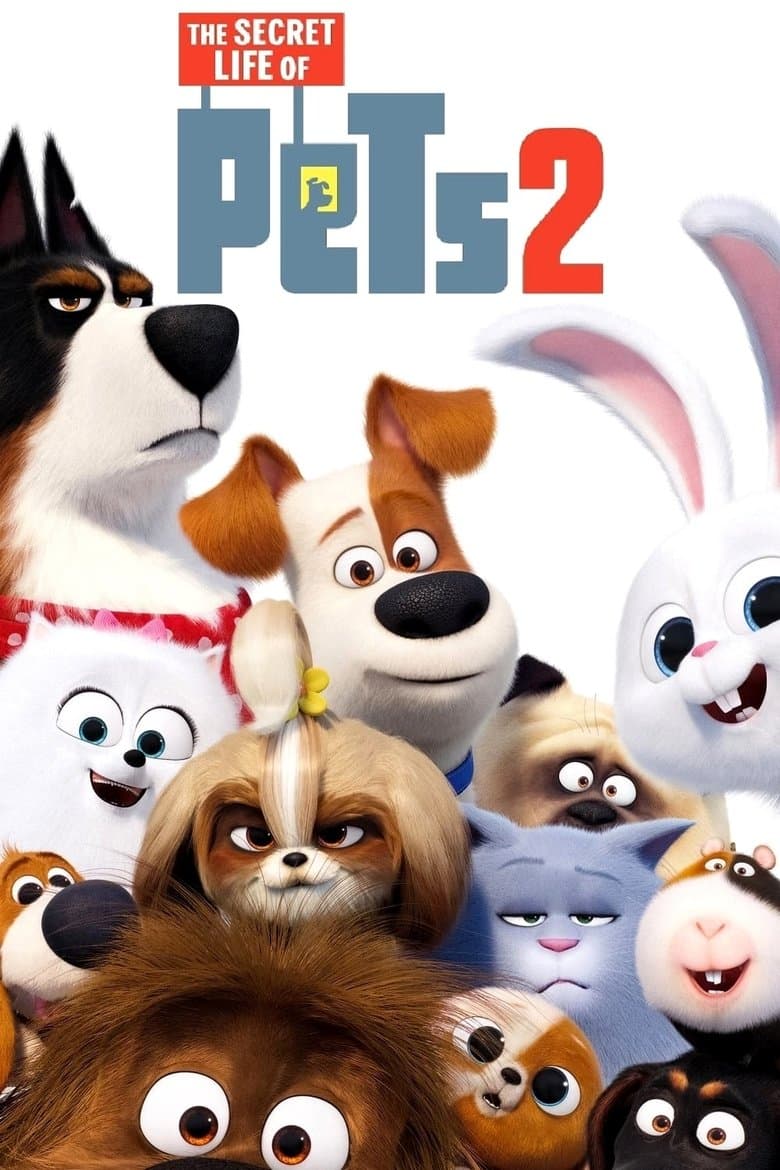
Movie · 2019
Max the terrier must cope with some major life changes when his owner gets married and has a baby. When the family takes a trip to the countryside, nervous Max has numerous…
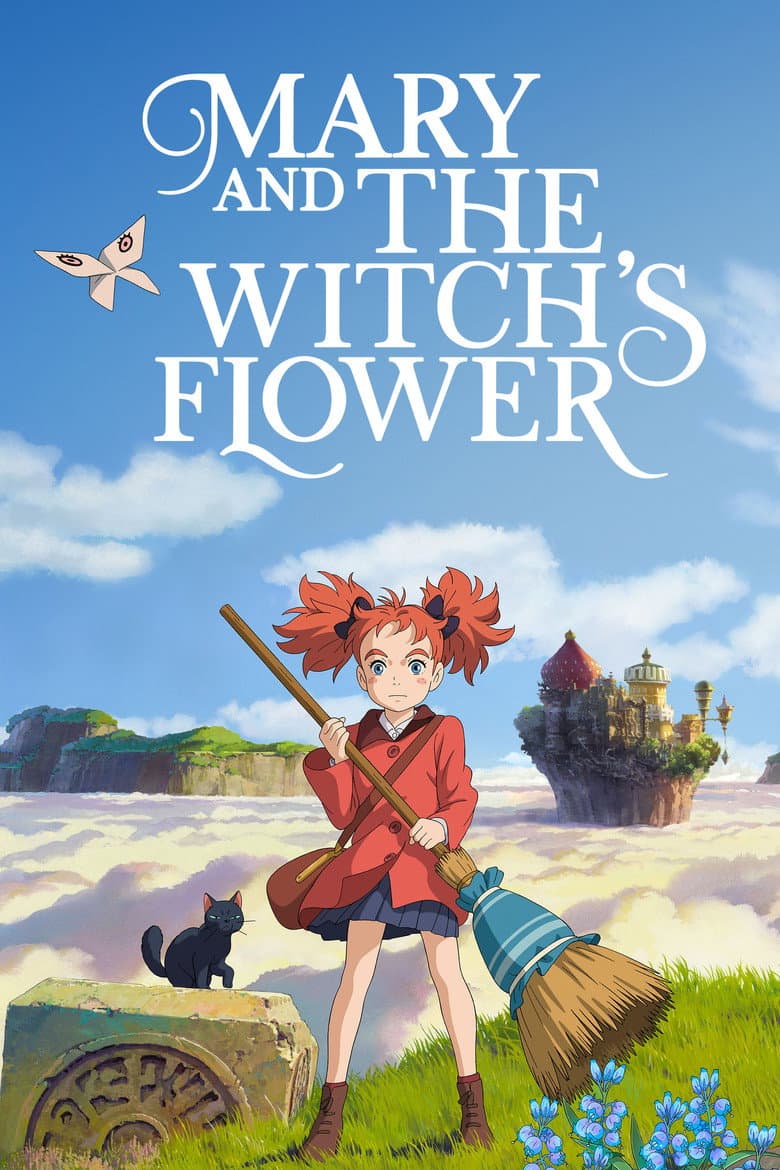
Movie · 2017
Mary Smith, a young girl who lives with her great-aunt in the countryside, follows a mysterious cat into the nearby forest where she finds a strange flower and an old broom, none…
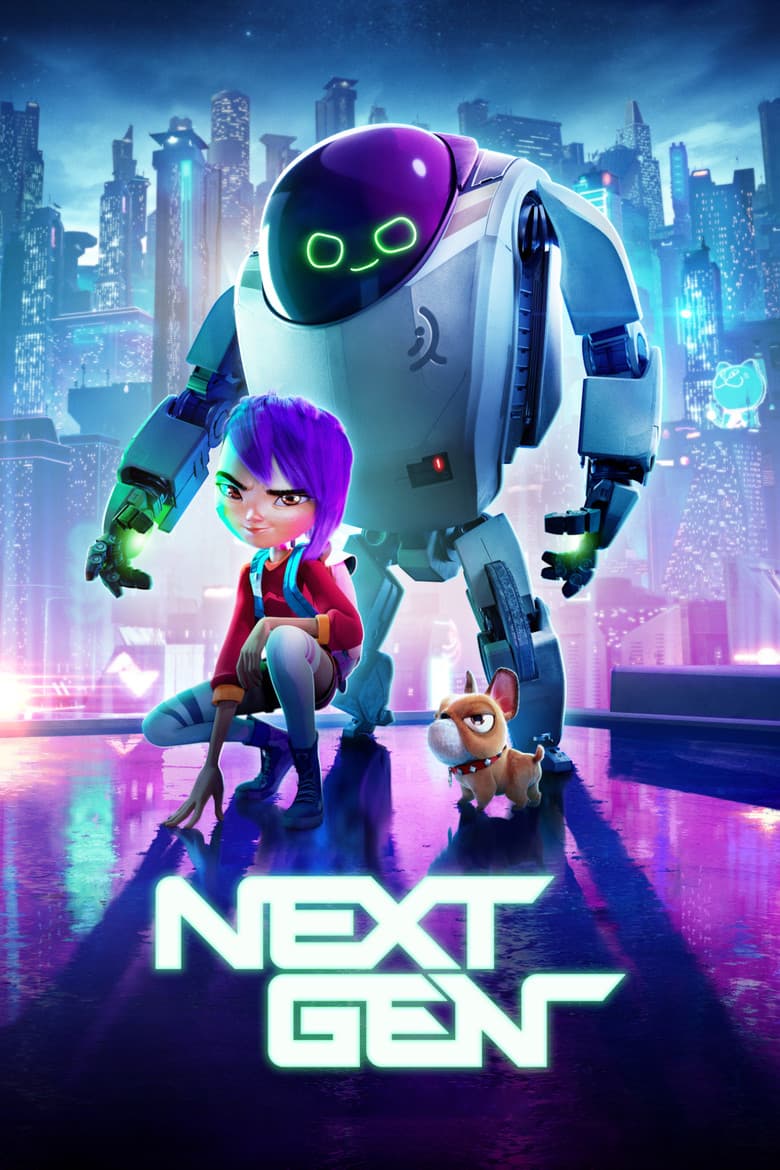
Movie · 2018
A friendship with a top-secret robot turns a lonely girl's life into a thrilling adventure as they take on bullies, evil bots and a scheming madman.
Movie · 2024
Porky and Daffy, the classic animated odd couple, turn into unlikely heroes when their antics at the local bubble gum factory uncover a secret alien mind control plot.
