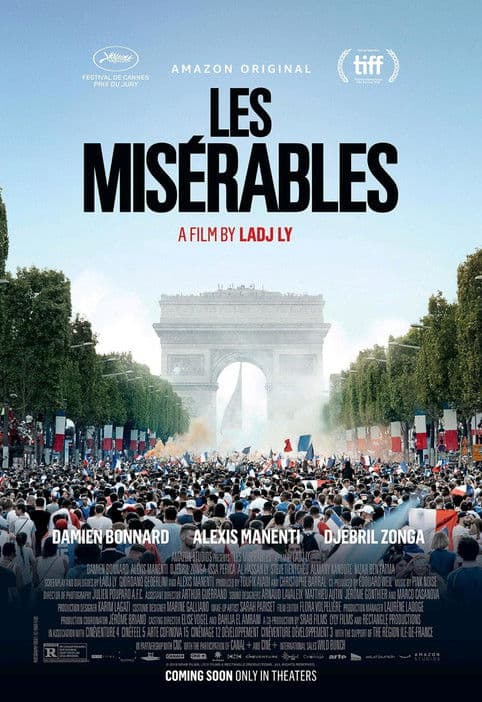
Stéphane Ruiz is a new police officer who joins the Anti-Crime Squad in Montfermeil, a poor suburb east of Paris. He patrols with Chris, a harsh and racist officer, and Gwada, a local officer who knows the area. After a boy steals a lion cub, a police arrest goes wrong and a drone records the violence. The officers then try to recover the video before it sparks a larger clash. The film feels tense, angry, and bleak, but it also shows humor and small acts of cooperation in the neighborhood.
The story makes police abuse, racial tension, poverty, and government neglect its main concerns. It presents the suburb as a mixed home for Black, Arab, Roma, and Muslim residents, along with white residents. It repeatedly asks who belongs in France and whether people can trust the state to protect them. Chris represents racist and bullying authority, while Stéphane slowly questions the team's methods. The open ending leaves the residents and police facing another burst of violence instead of offering a clean answer.
Community feedback
Was our 77% Woke rating accurate?
Breakdown
These are the editorial factors and ratings behind our score for Les Misérables.
Woke representation / casting
Not present. The cast is strongly mixed, but that matches the Montfermeil neighborhood shown in the film. The major roles do not use an identity mismatch or a casting message as part of the story.
0%
Woke political dialogue
The film gives several characters lines about residents being ignored and anger being the only way to be heard. Stéphane says people fear the police rather than respect them. Other talks blame political neglect and police abuse for the unrest. The dialogue is recurring and clear, but it does not become a long speech built around modern identity labels.
42%
Identity-driven story themes
The film’s main conflict joins racial tension, police abuse, poverty, and life for families with immigrant roots. The opening World Cup celebration makes the question of who belongs in France part of the story. The final threat grows from anger at local violence and failed public authority. The film also shows crime and wrongdoing among residents, so its message is not a simple innocent-versus-guilty story.
70%
Western institutional / cultural critique
The film repeatedly shows police using insults, sexual harassment, fear, and force against residents. It presents public leaders as distant or ineffective while poor housing and joblessness keep the conflict alive. It treats the police and the neighborhood as parts of a failing system, not only as rival groups. It also shows corruption among local figures, which makes the critique less one-sided.
63%
Woke character or canon changes
Not relevant. The film is an original modern story, not a retelling with Hugo’s established characters. It borrows the title and Montfermeil setting, but it does not swap or rewrite a known character.
0%
Anti-woke backlash and complaints
Some right-leaning commentary complained that the film makes police look like racist cowboys while treating Muslim peacemakers too kindly. A Le Parisien report quoted police representatives who called the picture of officers caricatural and dangerous. A few small X accounts called the film or Ly woke, but they had little reach. No review-bombing, boycott, or sustained anti-woke campaign was reported.
28%
Creator track record context
Ladj Ly has a strong record of stories about police violence, racial tension, poverty, and neglected immigrant suburbs. Alexis Manenti and Giordano Gederlini often work on socially focused crime stories, while Christophe Barral and Toufik Ayadi back films about excluded communities. That record matches this film’s main subject and its call for political attention. The casting director and script supervisor have no noted activist record.
70%
Production
Movie · 2016
Alex, an immigrant from Ukraine comes to Canada and becomes involved with an online criminal organization called Darkweb.
Movie · 2019
A charismatic New York City jeweler always on the lookout for the next big score makes a series of high-stakes bets that could lead to the windfall of a lifetime.
Movie · 2019
In New York, former convict Pete Koslow, related to the Polish mafia, must deal with both Klimek the General, his ruthless boss, and the twisted ambitions of two federal agents…
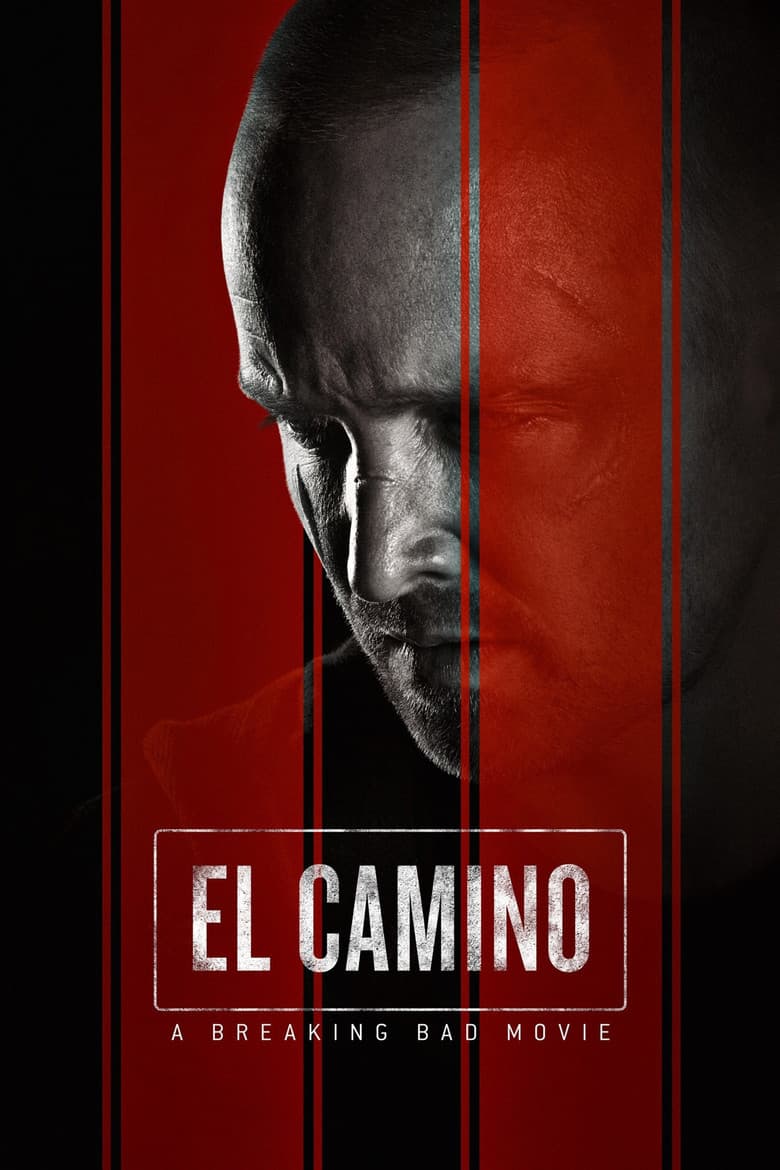
Movie · 2019
In the wake of his dramatic escape from captivity, Jesse Pinkman must come to terms with his past in order to forge some kind of future.
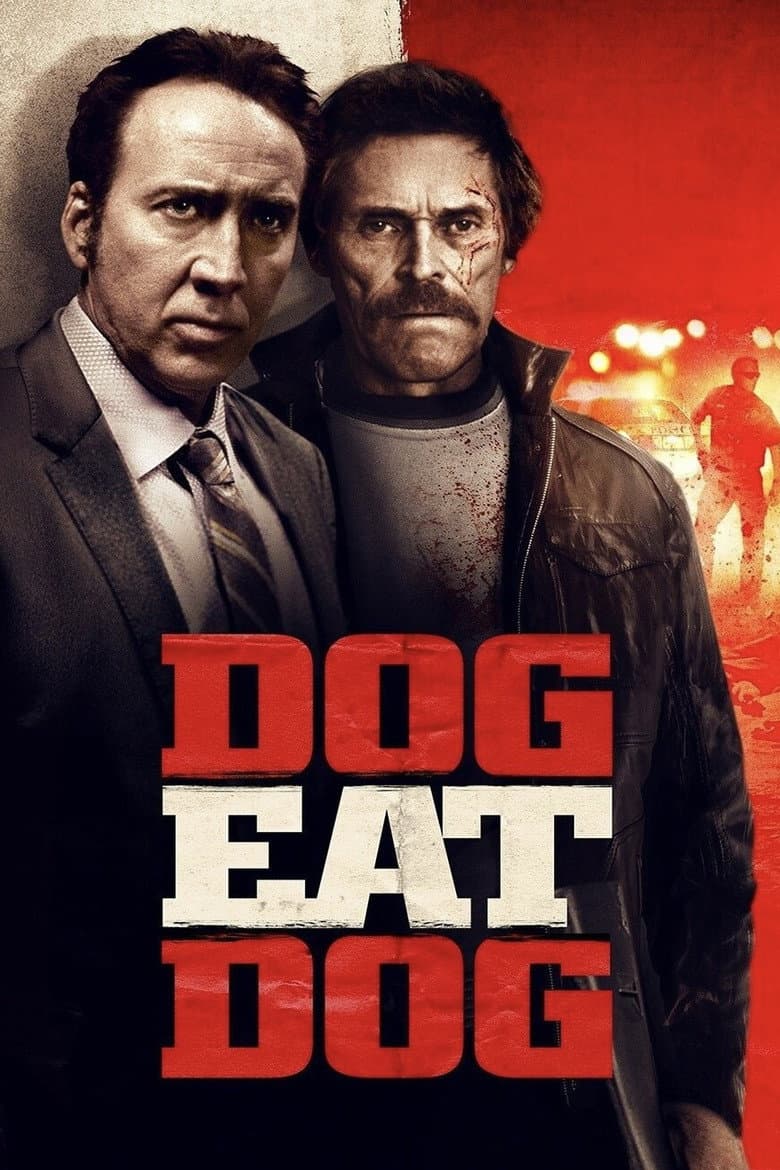
Movie · 2016
Ex-cons Troy, Mad Dog, and Diesel are hired by an eccentric mob boss to kidnap a baby and hold it for a large ransom.

Movie · 2016
In the fourth installment of the fighting franchise, Boyka is shooting for the big leagues when an accidental death in the ring makes him question everything he stands for.
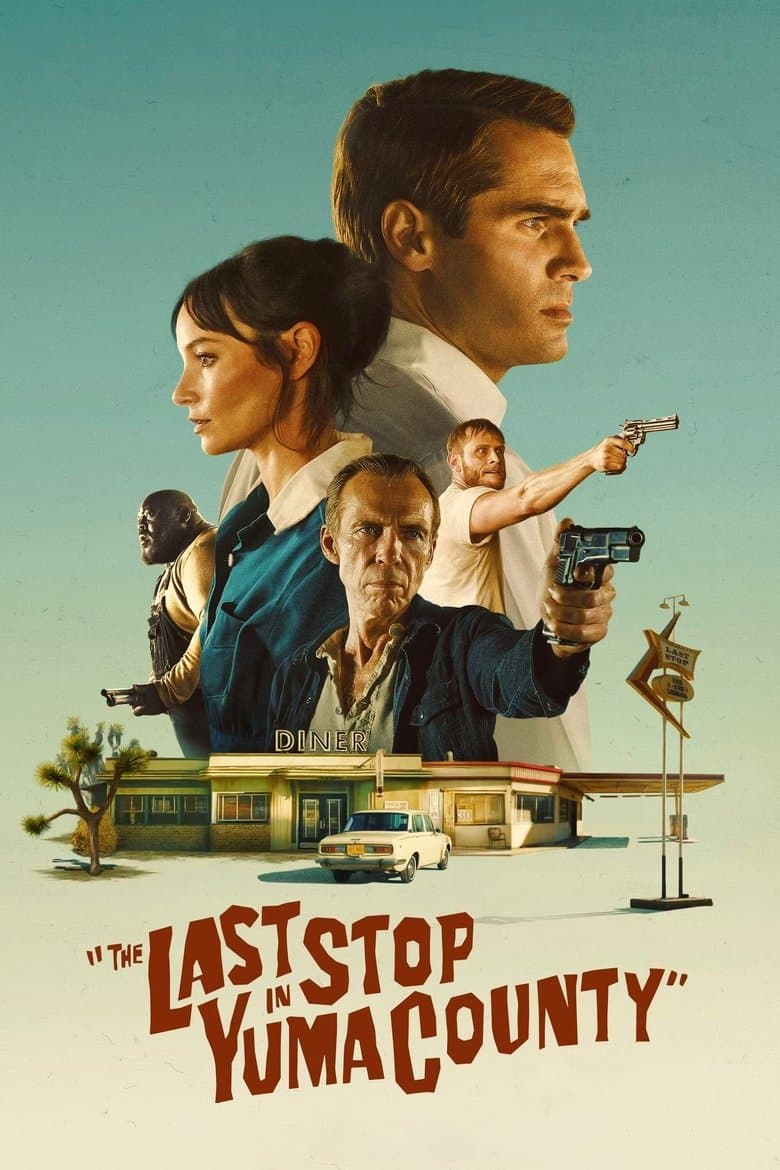
Movie · 2024
While awaiting the next fuel truck at a middle-of-nowhere Arizona rest stop, a traveling young knife salesman is thrust into a high-stakes hostage situation by the arrival of two…
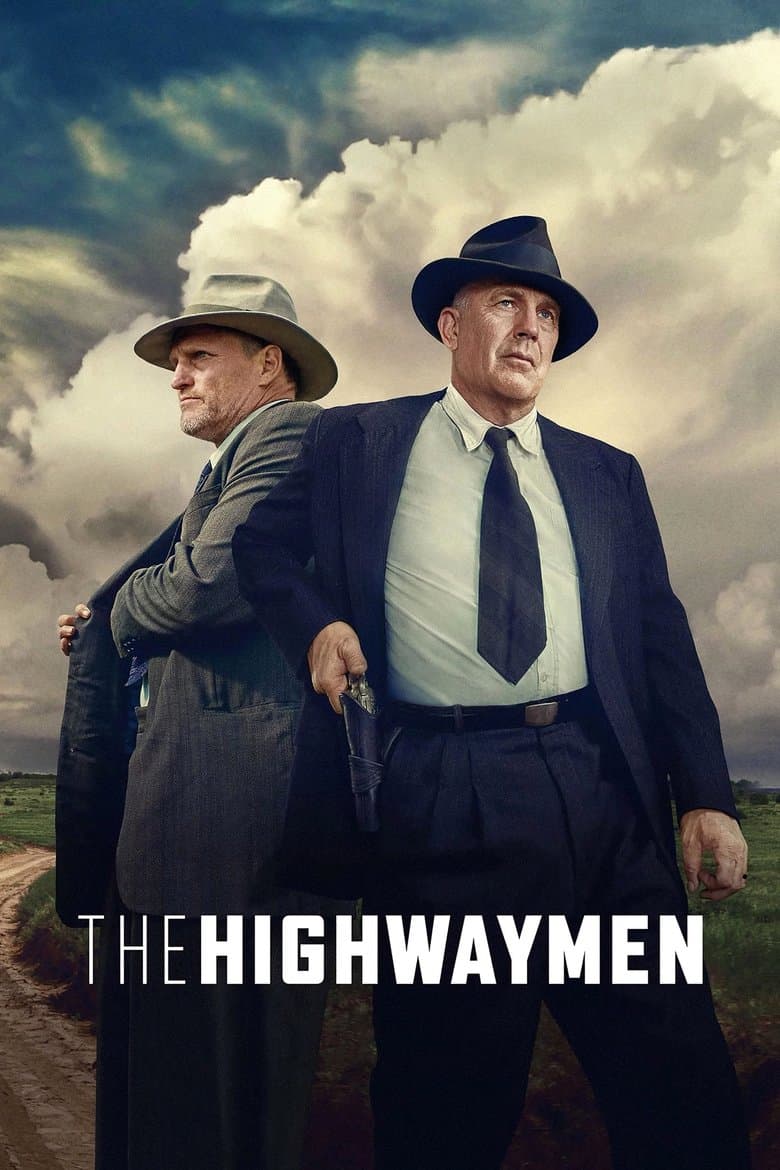
Movie · 2019
In 1934, Frank Hamer and Manny Gault, two former Texas Rangers, are commissioned to put an end to the wave of vicious crimes perpetrated by Bonnie Parker and Clyde Barrow, a…
