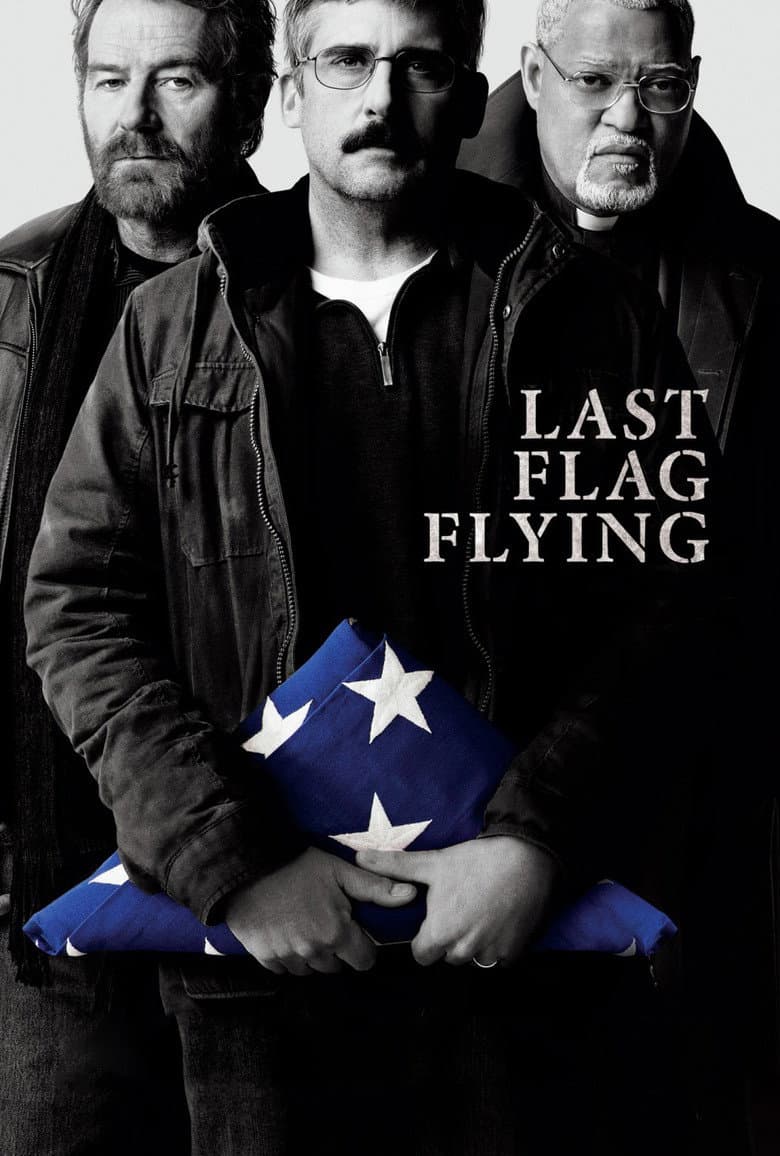
Last Flag Flying follows Larry “Doc” Shepherd, a quiet former Navy corpsman whose son dies while serving in Iraq. In 2003, Doc asks old Vietnam friends Sal Nealon and Reverend Richard Mueller to help bring the body home from Dover. The three men take the coffin on a long trip toward New Hampshire and face old memories, grief, guilt, and anger about war. The film mixes sad family drama, rough jokes, and warm friendship as the men try to decide what honor and truth mean.
The film includes a short conversation about race and interracial marriage. Sal also jokes about being more tied to the Marine Corps than to a racial group, while Mueller explains how his black wife Ruth helped him rebuild his life through faith. These moments add identity and religion to the men's banter, but they do not drive the plot or change the main conflict. The central ideas are the cost of war, family grief, military honor, and the trouble caused by official stories about a soldier's death.
Community feedback
Was our 21% Woke rating accurate?
Breakdown
These are the editorial factors and ratings behind our score for Last Flag Flying.
Woke representation / casting
Not present. The three main veterans include two white men and one black man, a believable mix for the 2003 U.S. military setting. The film does not present this casting as a diversity goal.
0%
Woke political dialogue
Sal says he no longer trusts the government after it lies about Doc's son's death. The men also talk about how war keeps repeating and how men make wars. These are clear political and anti-war comments, but they focus on Iraq, Vietnam, military trust, and patriotism. The dialogue is scattered through the trip and is not a campaign speech.
18%
Identity-driven story themes
The film includes one late conversation about race and interracial marriage. Sal asks why Mueller married a black woman, and Sal says he identifies more with the Marine Corps than with a racial group. Mueller connects his marriage, recovery, and Christian faith. This is a short part of the men's personal talk, while the main story follows grief, war, and friendship.
12%
Western institutional / cultural critique
The film repeatedly shows distrust of military and government authority. The official story of Larry Jr.'s death hides the harsh truth, and the men reject the polished hero story. The film also questions the value of sending young men into Vietnam and Iraq. This is a mild anti-war and anti-government critique tied to the 2003 story.
20%
Woke character or canon changes
Not relevant. The film changes names, service details, and shared Vietnam history from Ponicsan's earlier characters. It does not make a race, gender, sexuality, or hero-role swap.
0%
Anti-woke backlash and complaints
Not present. The reviewed news, audience posts, and the supplied X pass show no clear complaint that the film pushes woke, DEI, or identity politics. The few political reactions centered on war, patriotism, and military policy.
0%
Creator track record context
Richard Linklater's record is mainly humanist film work and shows little activist history. Darryl Ponicsan often writes about war, class, institutions, and social exclusion, but his work is not representation-first. Thomas Lee Wright has the strongest progressive context because of his work about protest, poverty, veterans, and marginalized people. The other producers add little public activist context. This gives the film mild creator track record context.
24%
Production

Movie · 2022
Two lifelong friends find themselves at an impasse when one abruptly ends their relationship, with alarming consequences for both of them.
Movie · 2023
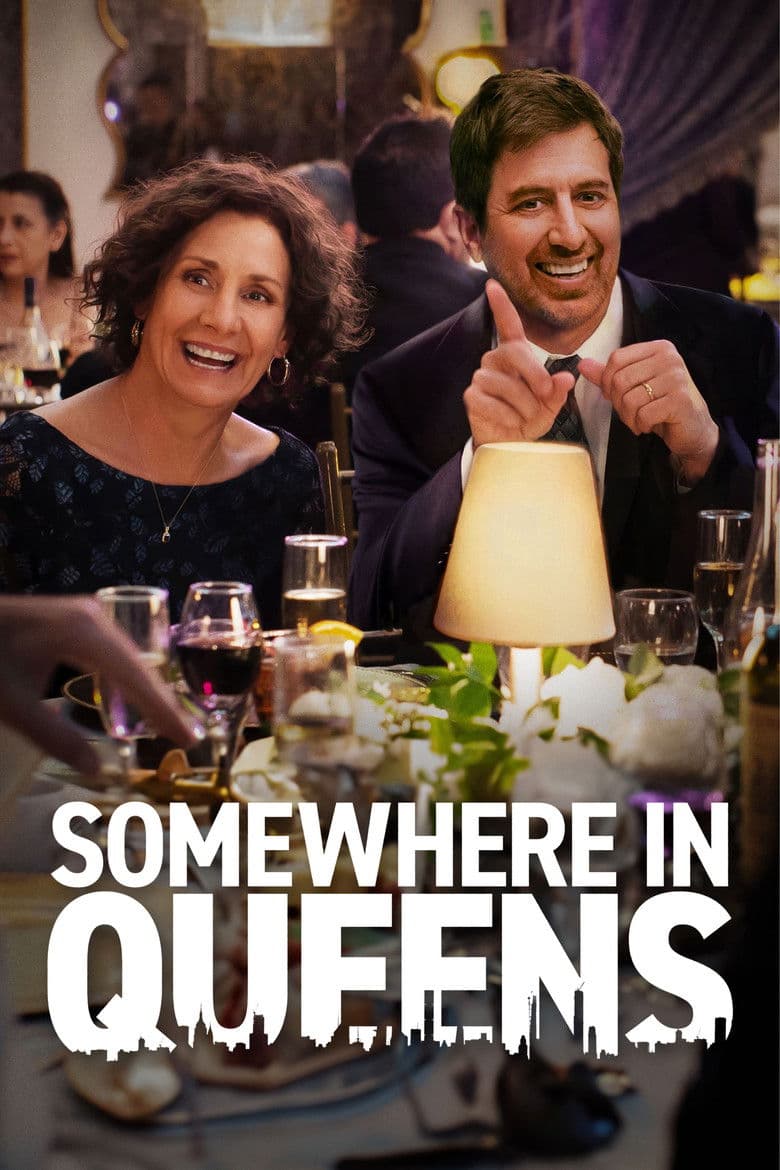
Leo and Angela Russo live a simple life in Queens, surrounded by their overbearing Italian-American family. When their son finds success on his high school basketball team, Leo…

Movie · 2017
Ingrid becomes obsessed with a social network star named Taylor Sloane who seemingly has a perfect life. But when Ingrid decides to drop everything and move west to be Taylor's…

Movie · 2023
Single mom Flora is at a loss about what to do with her rebellious teenage son, Max. Her efforts to keep him out of trouble lead to a beat-up acoustic guitar, a washed-up LA…
Movie · 2019
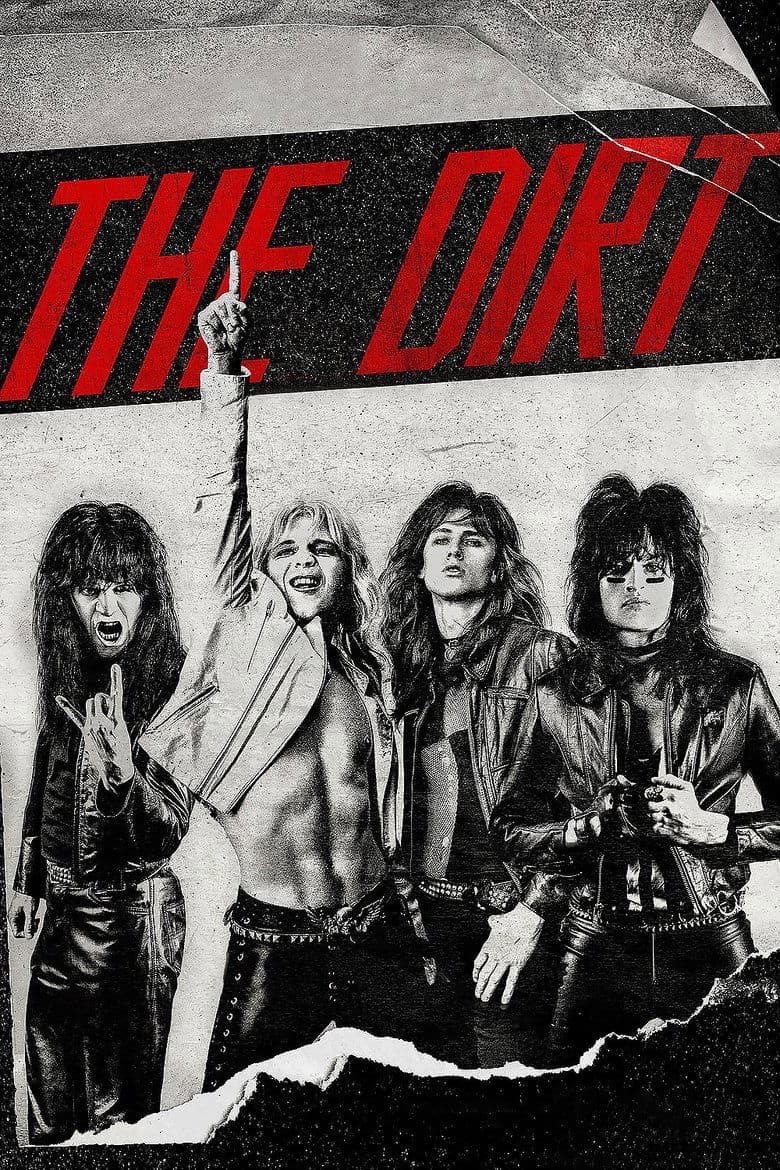
The story of Mötley Crüe and their rise from the Sunset Strip club scene of the early 1980s to superstardom.

Movie · 2016
An improv group deals with several crises, including the loss of their lease and one member hitting the big time.

Movie · 2017
An aspiring actor in Hollywood meets an enigmatic stranger by the name of Tommy Wiseau, the meeting leads the actor down a path nobody could have predicted; creating the worst…
Movie · 2017
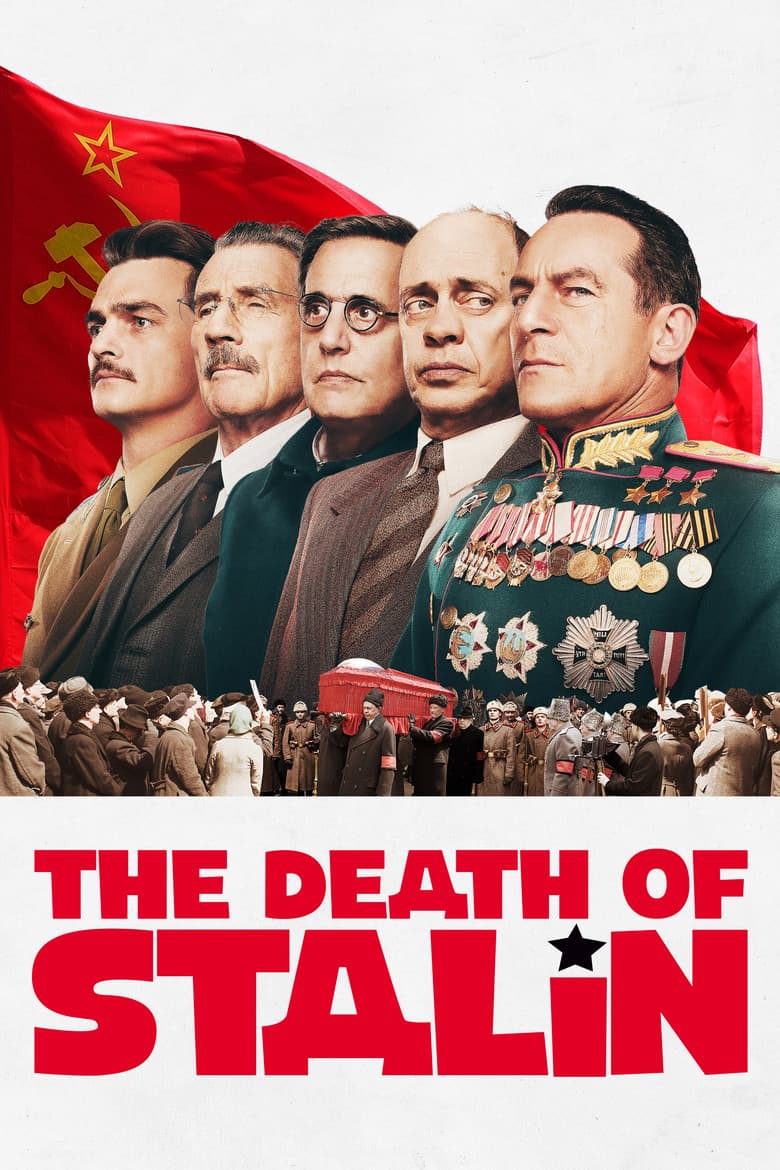
When dictator Joseph Stalin dies, his parasitic cronies square off in a frantic power struggle to become the next Soviet leader.
