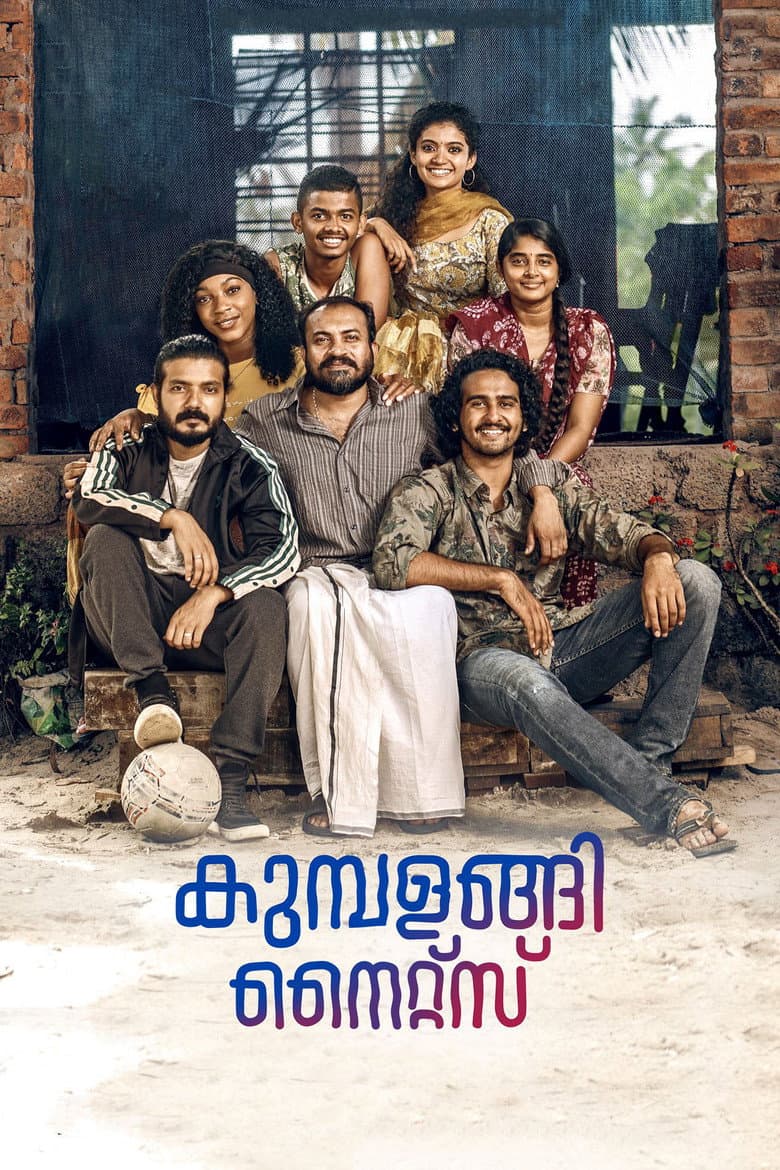
Kumbalangi Nights follows four half-brothers who live in a broken house beside the backwaters of Kumbalangi, a fishing village near Kochi in Kerala. Saji, Boney, Bobby, and schoolboy Franky fight, drift, and struggle to care for one another after years of family loss. Bobby falls for Baby, while Boney grows close to Nylah, an American tourist. The quiet comedy turns tense when Baby’s brother-in-law Shammi tries to control the women in his home. The film makes male behavior and gender roles its main social concern. Shammi’s polished image as a “complete man” hides jealousy, fear, and violence, while the brothers learn to show feelings and share work. Baby and Simi make their own choices, and the story treats women choosing their own lives and equal relationships as healthy. The film also values a family built through care rather than strict roles, so its criticism of macho power remains important from the middle of the story to the final clash.
Community feedback
Was our 61% Woke rating accurate?
Breakdown
These are the editorial factors and ratings behind our score for Kumbalangi Nights.
Woke representation / casting
Not present. The cast fits a Kerala fishing village and its local setting. Nylah is an American tourist with a clear story reason, not a diversity campaign.
0%
Woke political dialogue
Shammi calls himself the “complete man” and later insists that he is the man when his authority is challenged. Baby and Simi answer his control through short, direct exchanges. The dialogue makes male authority and consent part of the conflict, but it does not use long activist speeches.
30%
Identity-driven story themes
The story repeatedly contrasts Shammi’s controlling “complete man” image with brothers who learn to cry, care for others, and share work. Baby and Simi make their own choices and resist control in their homes. The film treats rigid male authority and macho behavior as harmful. The film presents kindness, emotional openness, and equal relationships as healthier ways to live. This gender message drives the family conflict and the ending.
67%
Western institutional / cultural critique
The film treats male control, marriage authority, and the idea of a man as household boss as harmful. Shammi’s neat family image becomes a mask for fear, jealousy, and violence. The brothers move toward shared care, emotional openness, and less rigid family roles. This is a clear critique of traditional gender roles and social habits, but it stays inside local family life rather than attacking Western institutions.
58%
Woke character or canon changes
Not relevant. The movie is an original story about a family in Kerala. It does not change established characters, canon, or historical figures.
0%
Anti-woke backlash and complaints
Not present. The reviewed news, audience, and social posts mostly praised the acting or discussed the film’s masculinity and family themes. No sustained anti-woke campaign, boycott, review-bombing, or widely reported complaint was found, and the separate X pass found no anti-woke complaints.
0%
Creator track record context
Syam Pushkaran has a clear pattern of stories about masculinity, gender roles, and the harm caused by male violence. Nazriya Nazim has supported stronger female roles and the Women in Cinema Collective, while Fahadh Faasil has backed socially aware regional films. Madhu C. Narayanan and Roy T M have limited public activist records, and Dileesh Pothan is not known for a culture-war profile. This context supports the film’s gender focus, but it does not show a broad political campaign.
38%
Production
Movie · 2019
Following a group of friends from university as they progress into middle-age life and go their own separate ways.

Movie · 2016
Set against the backdrop of a beautiful garden in the heart of London, this contemporary fairy tale revolves around the unlikely friendship between a reclusive young woman and a…
Movie · 2026
After Matt's dreams of a picturesque Italian wedding are shattered when his fiancée leaves him at the altar, he embarks on his planned honeymoon across Italy alone, immersing…
Movie · 2022
After Jodi Kreyman gains popularity, her miscommunications start causing rifts with those around her and now she really needs to "stand tall".
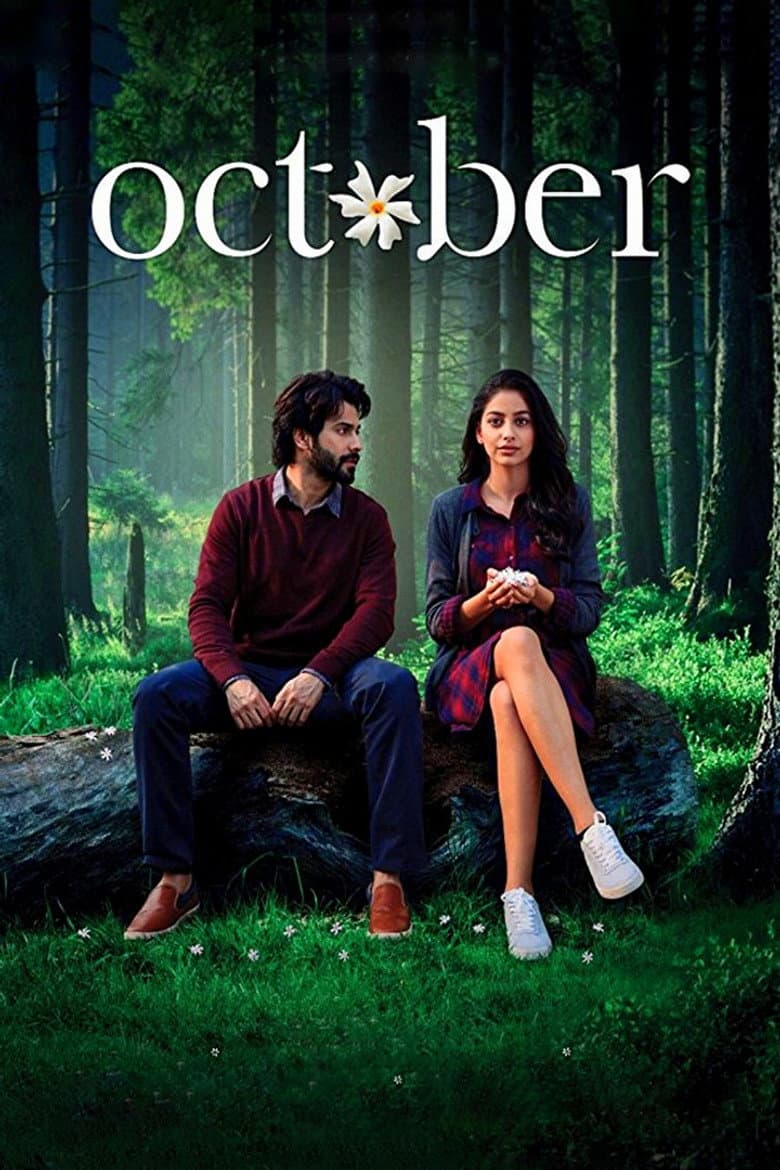
Movie · 2018
Dan, a 21-year-old carefree boy is always surrounded by a bunch of friends and fellow hotel interns who feed off each other's everyday moments, their ups and downs.

Movie · 2016
Pop superstar Jordan Jaye has a big dream he just wants to live like a regular teenager. When he's chased down by some excited female fans, he finds a perfect hideout and a…

Movie · 2016
Anne is at a crossroads in her life. Long married to a successful, driven but inattentive movie producer, she unexpectedly finds herself taking a car trip from Cannes to Paris…

Movie · 2019
A family dog – with a near-human soul and a philosopher's mind – evaluates his life through the lessons learned by his human owner, a race-car driver.
