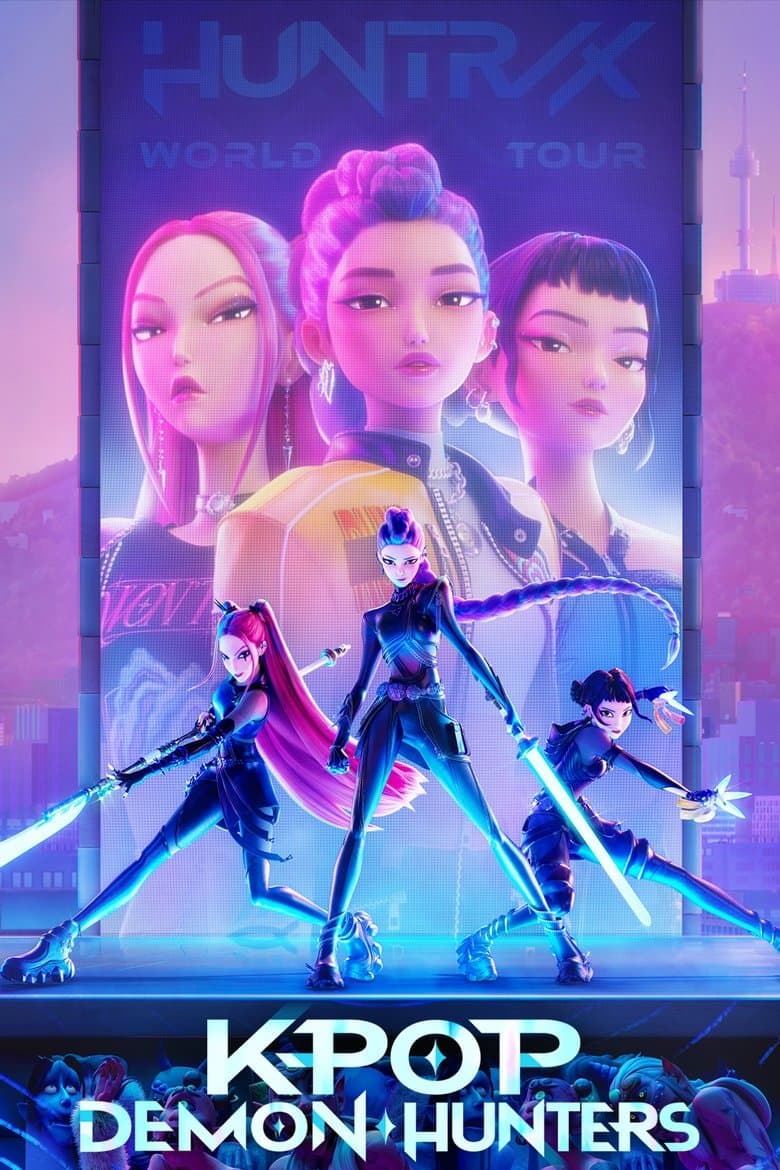
This animated musical tells the story of Huntrix, a popular K-pop girl group whose members are secretly demon hunters. By day, they perform on stage, and by night, they use their musical voices to protect the world. The movie features strong themes of girl power, where highly capable young women fight evil while men are sidelined or depicted as bad guys. It also uses a heavy, intentional coming-out allegory about self-acceptance and hiding one's true identity from traditional parental figures.
Community feedback
Was our 70% Woke rating accurate?
Breakdown
These are the editorial factors and ratings behind our score for KPop Demon Hunters.
Woke representation / casting
The movie has an all-Asian voice cast, which fits the setting in Korea. Still, the casting and characters show a clear girl-power style. The three female leads are strong, highly capable protectors who save the world. Meanwhile, the men are either funny background characters like their manager Bobby, or they are evil demons like the boy band. This choice makes the women look much more competent while sidelining the men to serve representation goals.
35%
Woke political dialogue
There are no preachy political speeches. However, the lyrics in the main songs carry noticeable social-justice messages. Songs like "Free" and "What It Sounds Like" talk a lot about self-acceptance and breaking away from what society expects. These songs act as the main way the movie shares its deeper activist themes.
10%
Identity-driven story themes
The main story is about Rumi hiding her half-demon side and feeling deep shame. The directors said Rumi's journey was written to mirror coming out of the closet. Many viewers and critics loved this as a secret story about being gay or trans. Because the creators made these LGBTQ+ themes on purpose, it adds huge weight to the score, making identity and self-acceptance the most important parts of the film.
55%
Western institutional / cultural critique
The movie critiques traditional family norms and expectations, showing them as things that force kids to hide their true selves. Rumi's struggle with her aunt's rules represents this critique. Religious critics also complained that the film promotes pagan ideas and a message of self-love that goes against traditional Christian teachings about sin and morality.
45%
Woke character or canon changes
Not present in this title.
0%
Anti-woke backlash and complaints
Religious commentators complained that the movie is LGBTQ propaganda for kids and promotes pagan beliefs. They did not like that the film tells kids to accept their inner demons. Other critics said the film is anti-male because the main heroes are girls who defeat an all-male band of demons, arguing that the movie throws Asian men under the bus.
55%
Creator track record context
The creators have a clear history of promoting progressive social-justice ideas. Maggie Kang often writes about feminist themes in her work. Hannah McMechan actively promotes queer stories and came out as bisexual while writing this film. Songwriter Mark Sonnenblick also publicly thanked his husband after winning an Oscar for the movie's music, showing the team's activist connections.
68%
Production
Movie · 2021
Determined teen Din is longing to reconnect with his childhood best friend when he meets a wish-granting dragon who shows him the magic of possibilities.

Movie · 2018
The Grinch hatches a scheme to ruin Christmas when the residents of Whoville plan their annual holiday celebration.
Movie · 2017
The Wishbone family are far from happy. In an attempt to reconnect as a family, they plan a fun night out. However, the plan backfires when they are cursed and all turned into…

Movie · 2021
With his best friend Luca away at school, Alberto is enjoying his new life in Portorosso working alongside Massimo—the imposing, tattooed, one-armed fisherman of few words—who's…
Movie · 2017
When Chloe discovers that her new home's garden gnomes are not what they seem, she must decide between the pursuit of a desired high school life and taking up the fight against…
Movie · 2021
Set before the events of ‘Soul’, 22 refuses to go to Earth, enlisting a gang of 5 new souls in attempt of rebellion.
Movie · 2023
Jaded 74-year-old lizard Leo has been stuck in the same Florida classroom for decades with his terrarium-mate turtle.
Movie · 2024
After receiving an unexpected call from her wayfinding ancestors, Moana journeys alongside Maui and a new crew to the far seas of Oceania and into dangerous, long-lost waters for…
