Movie review
January 15, 2021 · 99 min · PG · Kids · Fantasy · Animation · Comedy · Adventure · Romance · Family
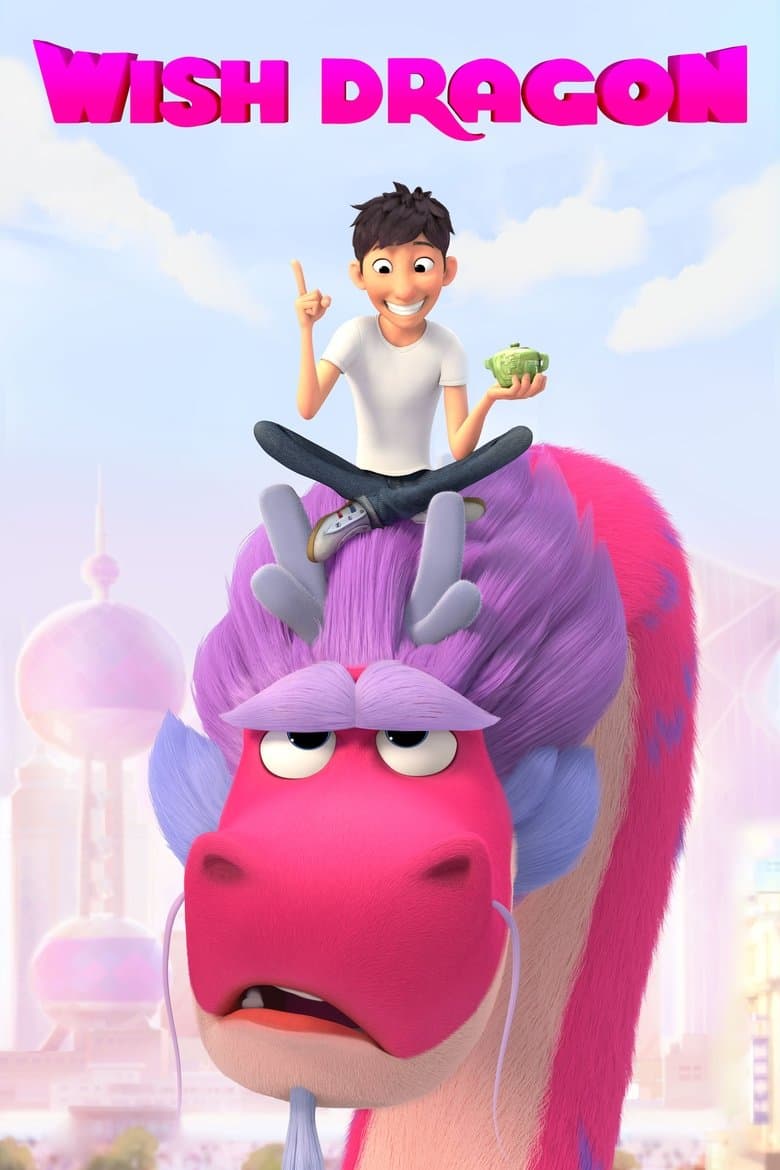
Din is a working-class college student in modern Shanghai who still misses his childhood best friend, Li Na. She moved away years ago when her family got rich, and now lives a fancy life. Din finds a magic teapot with Long, a wish-granting dragon who must serve one last master. Din gets three wishes, and uses them while trying to reconnect with Li Na and stay true to what really matters. The tone is bright, funny, and family-friendly, with fights, jokes, and a soft romantic friendship story.
The movie’s main ideas are friendship, family, and choosing people over money and status. Viewers see a clear rich-versus-poor gap in Shanghai, and Din learns that wealth alone does not make life good. That class lesson is easy to notice, but it plays like a classic fairy-tale message, not modern race, gender, or queer activism. The all-Asian voice cast fits the Chinese setting and story world. Marketing sometimes praised Asian representation, but the film itself does not push identity politics, activist speeches, or DEI-style character swaps.
Community feedback
Was our 16% Woke rating accurate?
Breakdown
These are the editorial factors and ratings behind our score for Wish Dragon.
Woke representation / casting
All-Asian leads fit a Shanghai story, so this is setting-true casting more than quota casting. Promo and some coverage still sold “all-Asian cast” as representation. No race or gender swaps of known Western characters, and no unearned identity-first hero types. Light marketing signal only.
15%
Woke political dialogue
Characters talk about money, status, and class in plain ways (rich party vs poor neighborhood). No activist slogans about race, gender, or systemic Western guilt. Director said he tried not to lecture that “money is bad.” Mild social talk, not woke politics.
0%
Identity-driven story themes
The story turns on class gap, friendship, and choosing people over wealth. That is clear and audience-visible, but it is classic fairy-tale values, not race, gender, or queer identity plots. No girlboss takeover, no coming-out arc, no colonial-guilt frame. Noticeable social lesson at a light-to-moderate level.
15%
Western institutional / cultural critique
The film knocks empty rich life and status chasing in modern Shanghai, not Western churches, police, “whiteness,” or traditional Western family as the villain. Generic “money does not equal happiness” satire stays mild under the rules.
8%
Woke character or canon changes
Not relevant. This is an original film based on an old Chinese wish-spirit tale, not an identity-driven rewrite of a fixed Western franchise cast or real historical figures.
0%
Anti-woke backlash and complaints
No meaningful anti-woke wave claiming the movie pushes DEI, queer activism, or Western identity politics. Fringe “China propaganda” notes are about soft power, not woke content, so they do not count here.
0%
Creator track record context
Key driver is writer-director Appelhans at a moderate cached 28; main producers sit near 0–2. Overall crew track record is low-to-moderate. For this title, his public framing was class and friendship, not activist identity campaigns.
18%
Production
Movie · 2017
When Chloe discovers that her new home's garden gnomes are not what they seem, she must decide between the pursuit of a desired high school life and taking up the fight against…
Movie · 2017
A small but brave donkey and his animal friends become the unsung heroes of the greatest story ever told: the first Christmas.
Movie · 2024
Teenager Riley's mind headquarters is undergoing a sudden demolition to make room for something entirely unexpected: new Emotions!
Movie · 2022
Puss in Boots discovers that his passion for adventure has taken its toll: He has burned through eight of his nine lives, leaving him with only one life left.
Movie · 2023
After a migrating duck family alights on their pond with thrilling tales of far-flung places, the Mallard family embarks on a family road trip, from New England, to New York City…
Movie · 2018
Dracula, Mavis, Johnny and the rest of the Drac Pack take a vacation on a luxury Monster Cruise Ship, where Dracula falls in love with the ship’s captain, Ericka, who’s secretly a…
Movie · 2020
When his best friend Gary is suddenly snatched away, SpongeBob takes Patrick on a madcap mission far beyond Bikini Bottom to save their pink-shelled pal.
Movie · 2024
A boy with an active imagination faces his fears on an unforgettable journey through the night with his new friend: a giant, smiling creature named Dark.
