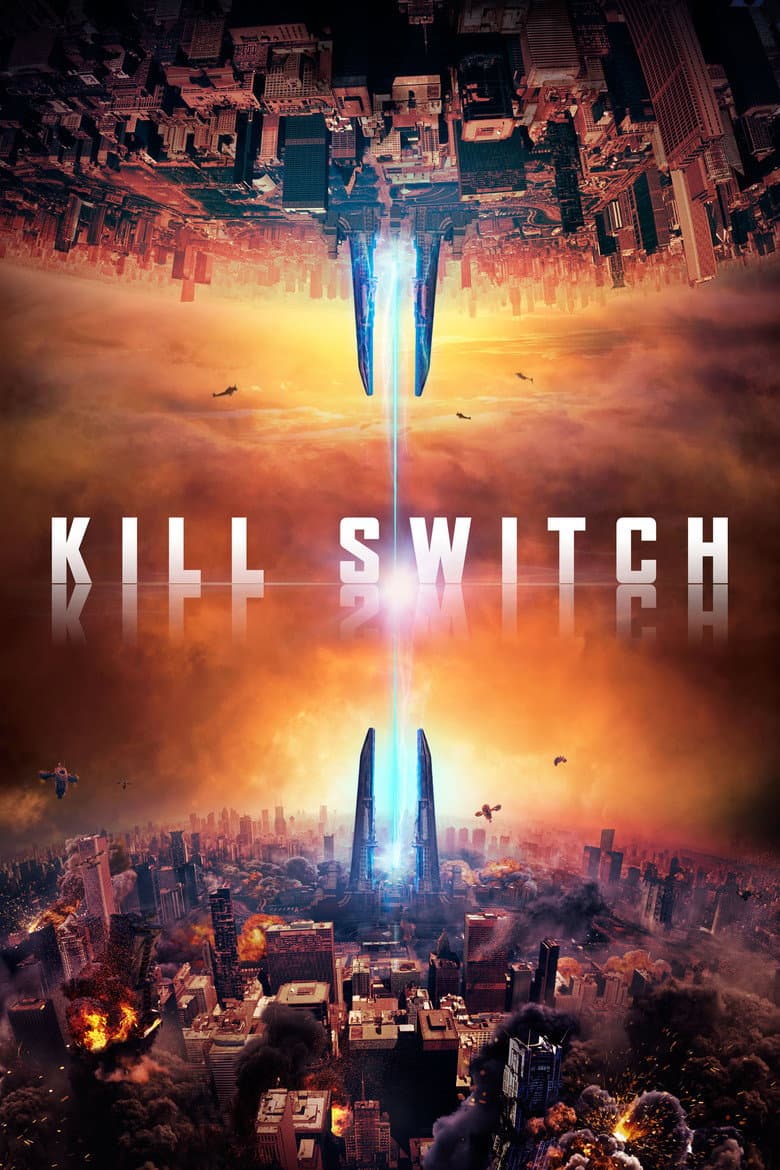
Will Porter is a former NASA pilot and physicist who joins Alterplex, a company that promises unlimited energy. The company has made a mirror Earth called the Echo and draws power from it. When the plan starts tearing both worlds apart, Will carries a box through a ruined city while soldiers, drones, and rebels chase him. He wants to save his sister Mia, her sick son, and the planet, but he must learn that the box may destroy a living world. The movie has a tense science-fiction action tone and uses long first-person views that feel like a video game.
The clearest social theme is a warning about reckless science and a power company that values energy over life. The Echo was meant to have no living people, but Alterplex ignores the danger when it finds a working source of power. The story shows rebels resisting the tower and forces Will to choose between two worlds. It does not build its conflict around race, gender, sexuality, or modern identity politics. Family loyalty, corporate greed, sacrifice, and survival remain more important than any social message.
Community feedback
Was our 21% Woke rating accurate?
Breakdown
These are the editorial factors and ratings behind our score for Kill Switch.
Woke representation / casting
Not present. The central roles are a male pilot, a female corporate officer, a sister, and Dutch supporting characters. The movie does not frame these choices as representation or identity politics.
0%
Woke political dialogue
The news reports call the Rebels a militant environmental group. Alterplex’s chief executive calls them anarchists while the company uses private drones and a special security law. These lines make the energy crisis and protest part of the story, but they do not discuss race, gender, sexuality, or DEI.
18%
Identity-driven story themes
The story treats Alterplex’s energy plan as reckless because it harms a living mirror world. The Rebels fight the tower because they believe the project endangers the planet. The film gives this environmental and anti-corporate idea a repeated role, but it does not make identity politics part of the main conflict.
15%
Western institutional / cultural critique
Alterplex is shown as a powerful energy corporation that controls security around its tower. The company can use drones with police support and expand an exclusion zone after people protest. The company hides the harm caused by its experiment, and its leader dismisses the protesters as anarchists. This is a recurring anti-corporate and environmental critique, but it does not attack family, faith, or traditional gender roles.
24%
Woke character or canon changes
Not relevant. The movie expands Tim Smit’s short film What’s in the Box? into a feature, but it does not change an established character, historical figure, or known canon in an identity-related way.
0%
Anti-woke backlash and complaints
Not present. The reviewed Reddit, Letterboxd, news, and audience material focused on plot confusion, first-person camera work, and weak writing. The separate X pass found no anti-woke posts or specific complaints.
0%
Creator track record context
Tim Smit’s available record centers on science fiction, visual effects, technology, and mild environmental concerns. Omid Nooshin’s record includes an early political thriller, but it shows no repeated identity or DEI message. The available producer records include some socially themed projects, yet they show no sustained activist pattern tied to this film.
8%
Production

Movie · 2021
A former special forces agent is trapped in a time loop and relives his death over and over again. To escape the terrible situation, he must track down those responsible and stop…

Movie · 2023
When a tech blogger lands an interview with a tech guru and stops an attack on him, he finds a mysterious ring that takes him back 57 seconds into the past.

Movie · 2017
An assassin seeks redemption after being given a second chance at life.
Movie · 2026
In the near future, a detective stands on trial accused of murdering his wife. He has ninety minutes to prove his innocence to the advanced AI Judge he once championed, before it…
Movie · 2016
Set in a near future, technology-reliant society that pits man against killing machines. Against this backdrop an elite army unit is helicoptered to a remote, off-the-grid island…
Movie · 2018
Thomas leads his group of escaped Gladers on their final and most dangerous mission yet. To save their friends, they must break into the legendary Last City, a WCKD-controlled…
Movie · 2017
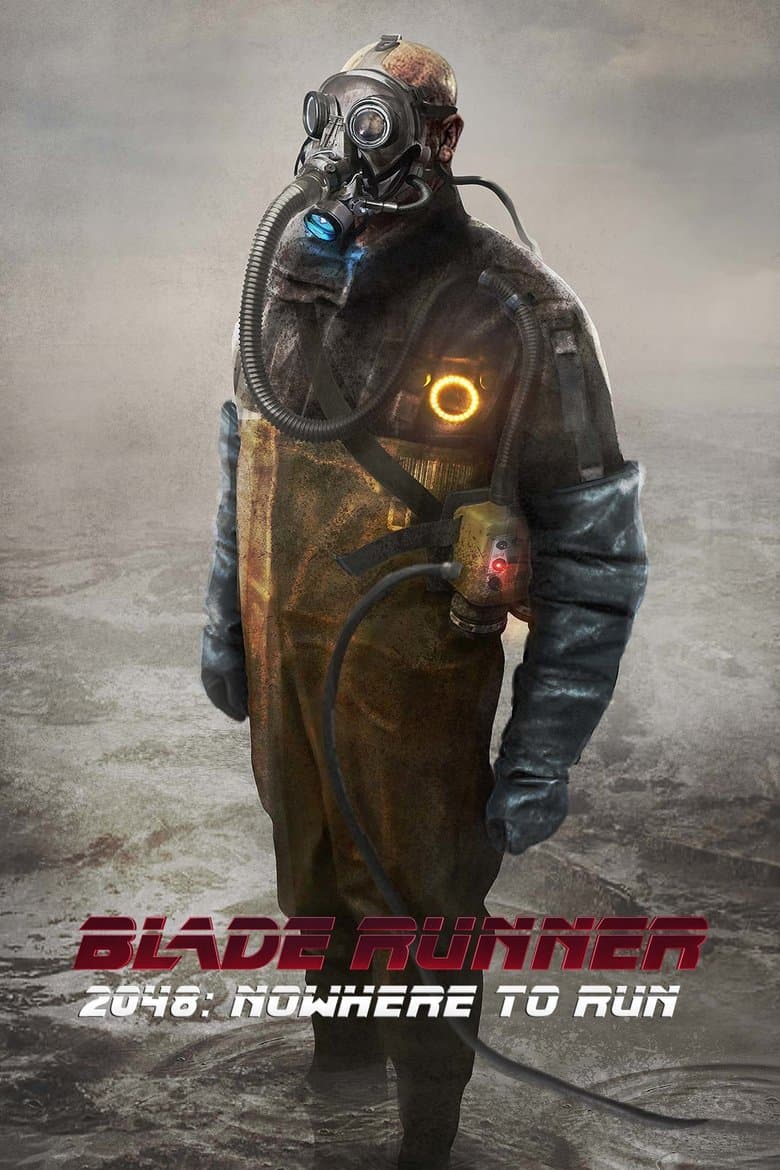
“2048: Nowhere to Run” takes place one year before the events of Blade Runner 2049. The short film focuses on Sapper, a man who is trying to make it through life day-by-day…
Movie · 2016
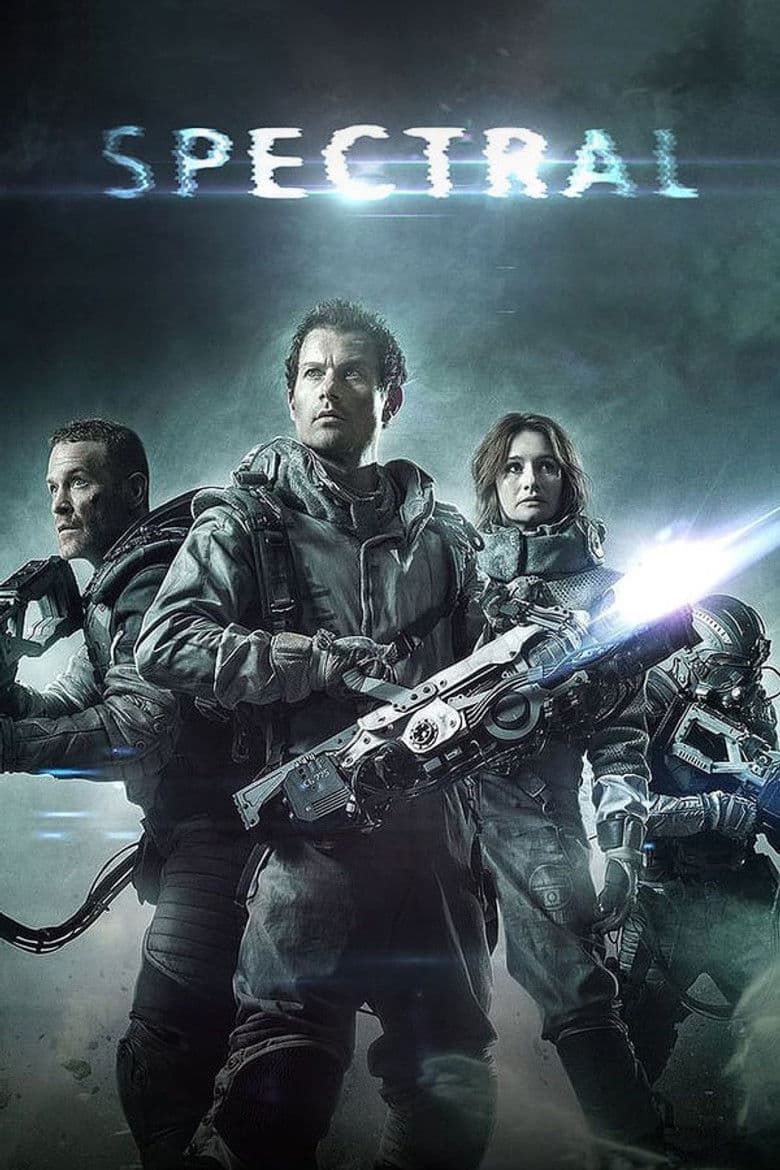
A special-ops team is dispatched to fight supernatural beings that have taken over a European city.
