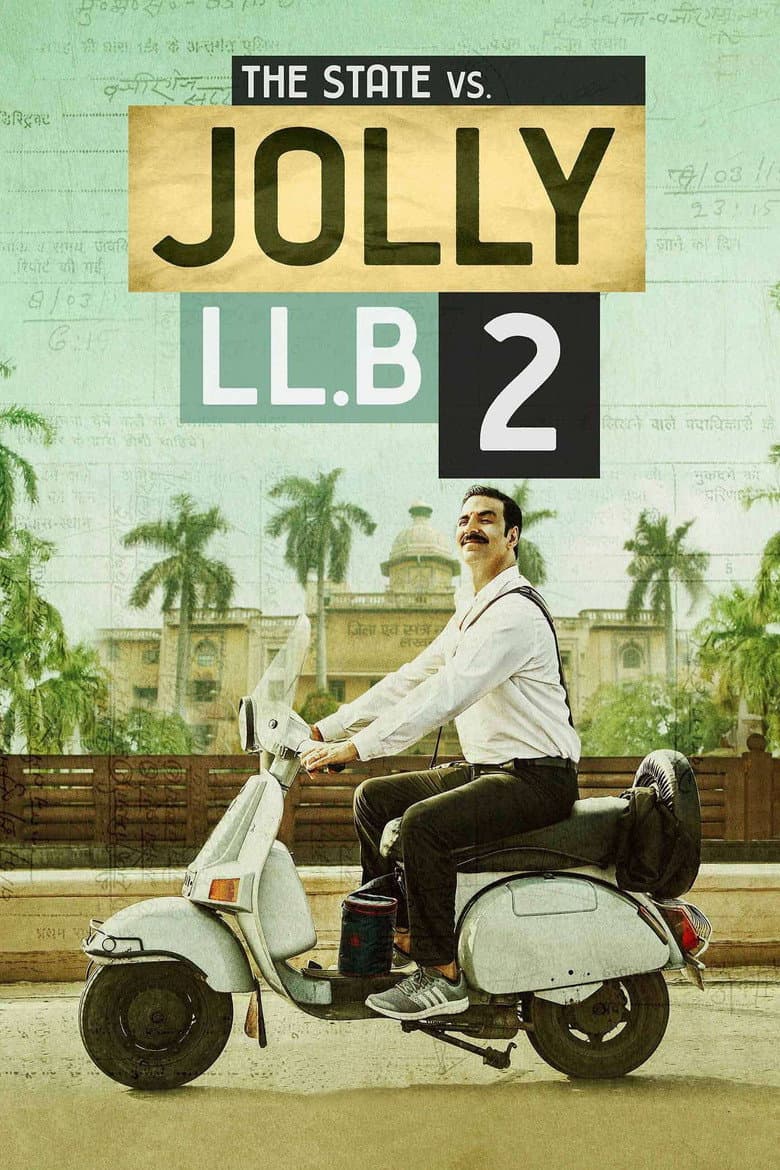
Jagdishwar “Jolly” Mishra is a struggling lawyer in Lucknow who wants his own office and a better name. He tricks Hina, a pregnant widow, and takes her money, but her death forces him to face his guilt. Jolly then fights to prove that Hina’s husband, Iqbal Qasim, was killed in a fake police encounter after being wrongly treated as a Kashmiri terrorist. The film mixes loud comedy, family jokes, courtroom drama, danger, and a serious call for justice. Religious identity shapes the main case because Iqbal is an innocent Muslim man and the police use a similar name to link him to terrorism. The film shows Hindu and Muslim characters on both sides and uses Kashmir, a Hindu and Muslim women’s cricket match, and religious questions in court to stress that guilt belongs to people, not whole religions. Jolly’s wife Pushpa also breaks some old gender roles because she drinks, wants expensive clothes, helps him spot evidence, and beats attackers with her handbag. These ideas matter to the second half of the story, but the film presents them through a broad legal comedy rather than a constant activist speech.
Community feedback
Was our 49% Woke rating accurate?
Breakdown
These are the editorial factors and ratings behind our score for Jolly LLB 2.
Woke representation / casting
Not present. The film uses Hindu and Muslim characters in roles that fit its Lucknow setting and the case. No diversity-first casting pattern or identity statement is shown.
0%
Woke political dialogue
The dialogue repeatedly links Iqbal’s name and religion to wrongful terror claims. Jolly calls for justice in Kashmir and says that law abuse can turn democracy into a farce. Jolly and the judge later speak about police corruption and public trust in courts. The film uses these lines in the central case, but it has no long speech about DEI or gender politics.
40%
Identity-driven story themes
The story makes a Muslim family’s loss central to Jolly’s moral change. The police use a Muslim man’s name and Kashmir links to call him a terrorist, and the court exposes the lie. The film shows good and bad Hindu and Muslim characters and a women’s cricket match built around veils and burqas. Pushpa also reverses a gender role because Jolly cooks and handles childcare while she fights attackers. These themes shape the main case and side scenes, but the film remains a broad legal comedy.
48%
Western institutional / cultural critique
The film gives Pushpa a brief gender-role reversal. Jolly cooks and handles childcare, while Pushpa drinks, chooses expensive clothes, spots a clue, and beats attackers. The movie treats this as a joke and a small empowerment moment. It does not make Western culture, Christianity, or family life its main target.
12%
Woke character or canon changes
Not relevant. The sequel recasts Jolly, but it does not change his race, gender, sexuality, or basic character identity. No established character or historical figure receives an identity-based rewrite.
0%
Anti-woke backlash and complaints
One small X account called the film “totally communist propaganda,” but the post had no likes, replies, or follow-up. News reports tied the real disputes to lawyer satire, a Bata line, and Pakistan’s Kashmir censorship, not woke or DEI messaging. No boycott, review-bombing, or wider anti-woke campaign was found.
5%
Creator track record context
Subhash Kapoor has a stored creator score of 58/100. His films repeatedly use comedy and satire to discuss courts, caste, corruption, and political power. He has a Left-leaning college background and a lasting interest in political subjects, but no clear DEI campaign. Producer Naren Kumar has a stored score of 0/100 and no clear activist profile. This gives the title a moderate creator-context signal.
58%
Production
Movie · 2019
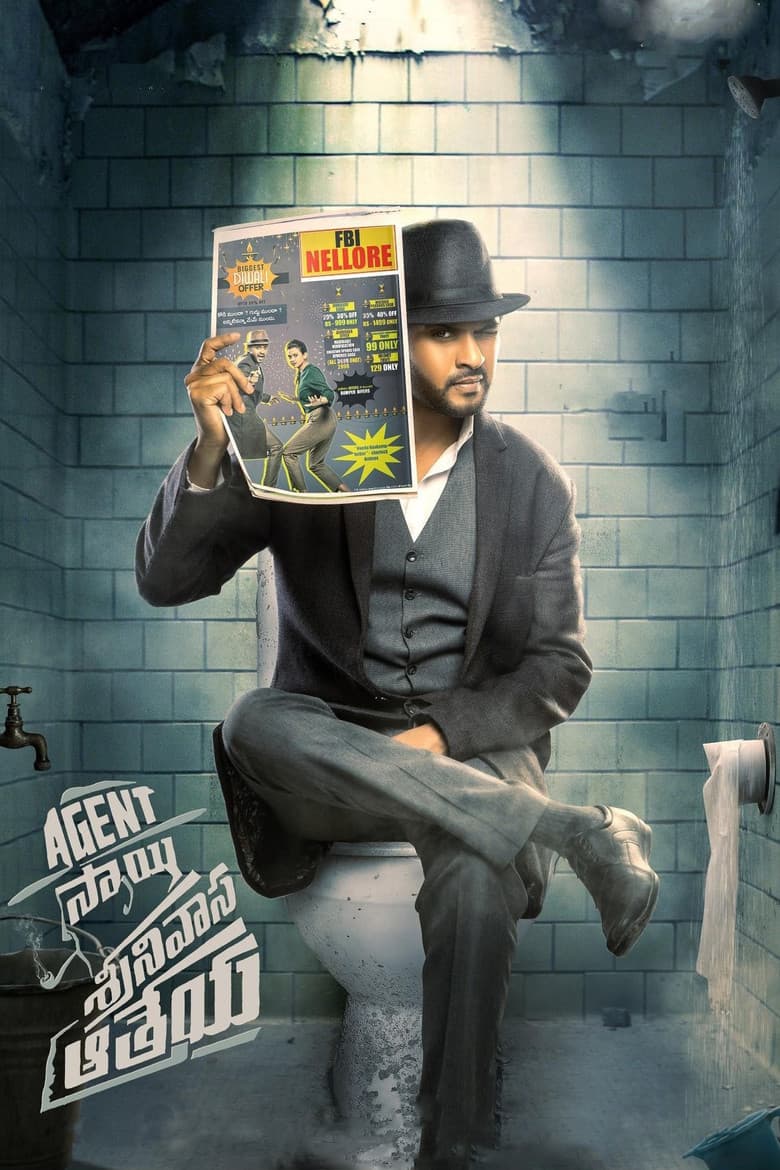
Agent Sai Srinivasa Athreya is a brilliant, underrated detective from Nellore who runs an agency called FBI which sees no business.
Movie · 2019
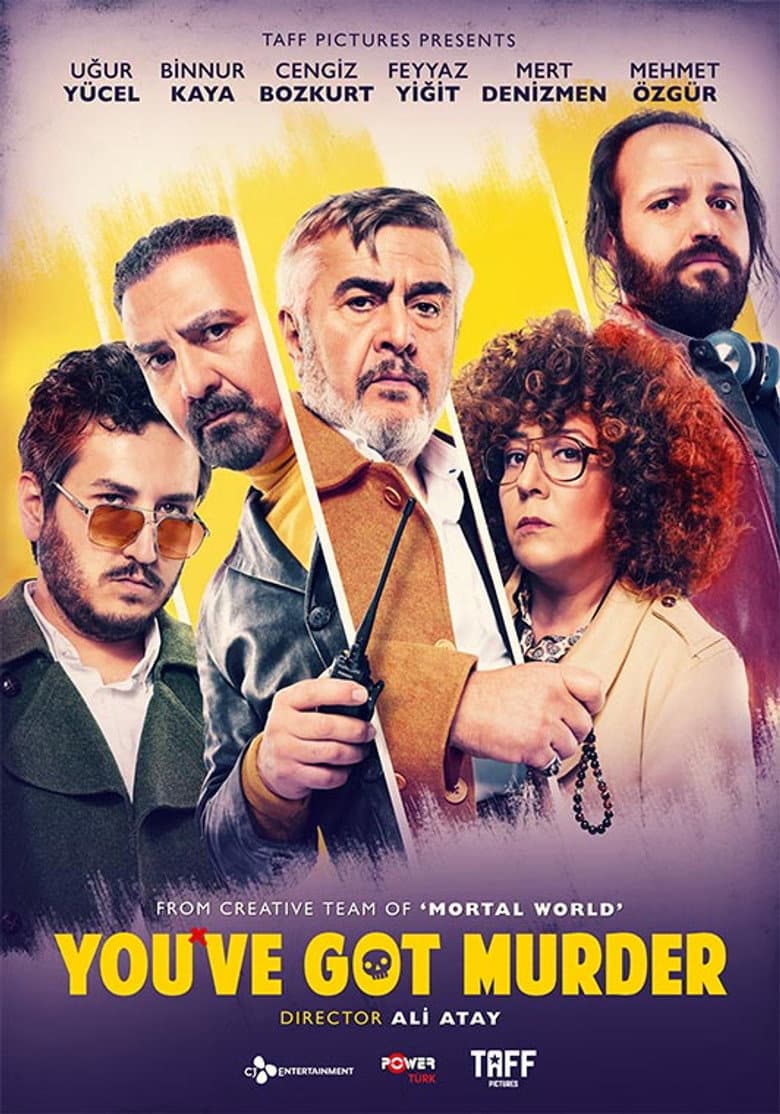
Istanbul Police Department homicide detectives encounter a murder nothing like they’ve seen before.Commissioners Emin, Salih, Asuman and deputy Alaattin begin investigating.But…
Movie · 2022
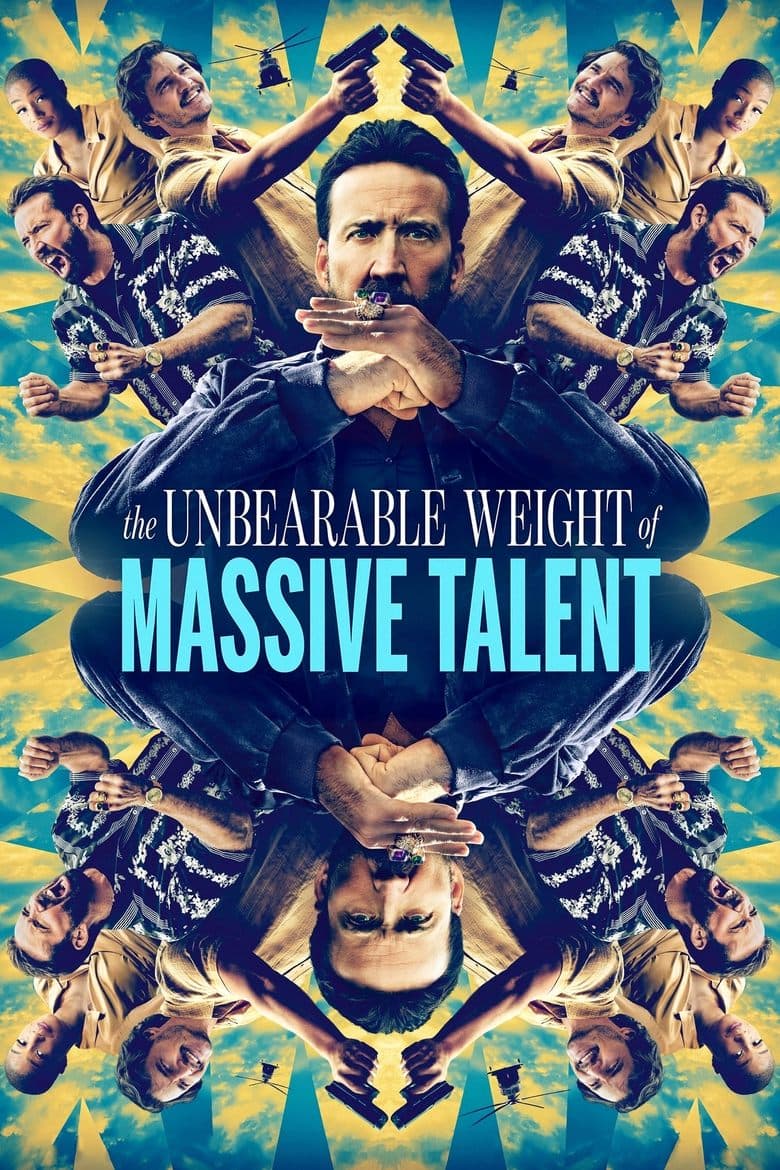
Creatively unfulfilled and facing financial ruin, Nick Cage must accept a $1 million offer to attend the birthday of a dangerous superfan.
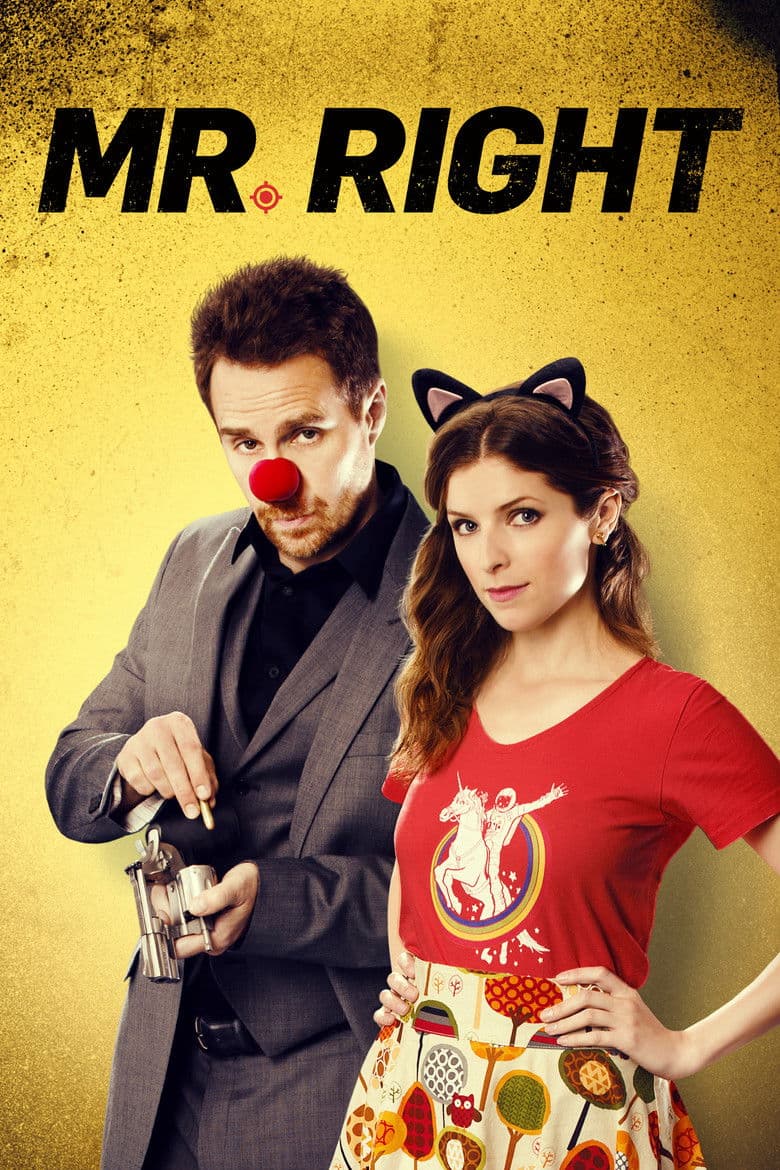
Movie · 2016
A girl falls for the "perfect" guy, who happens to have a very fatal flaw: he's a hitman on the run from the crime cartels who employ him.
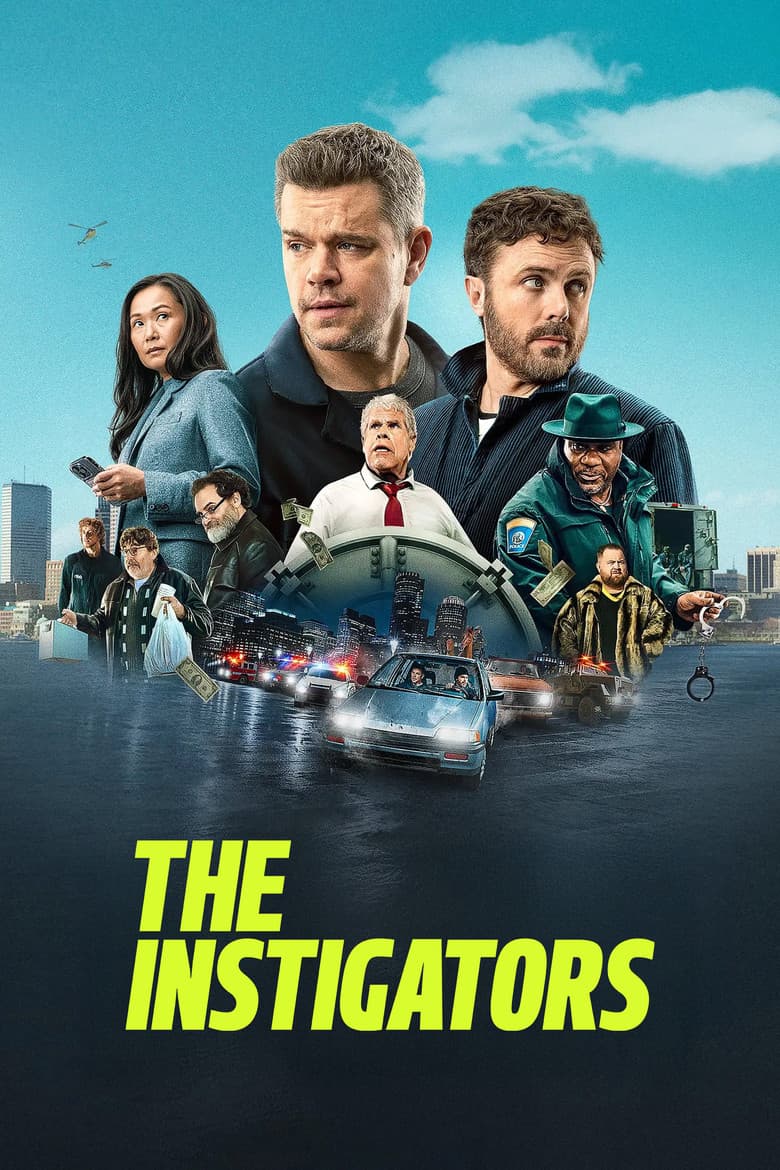
Movie · 2024
Rory and Cobby are unlikely partners thrown together for a heist. But when it goes awry, they team up with an unusual accomplice — Rory's therapist — to outrun police, backward…
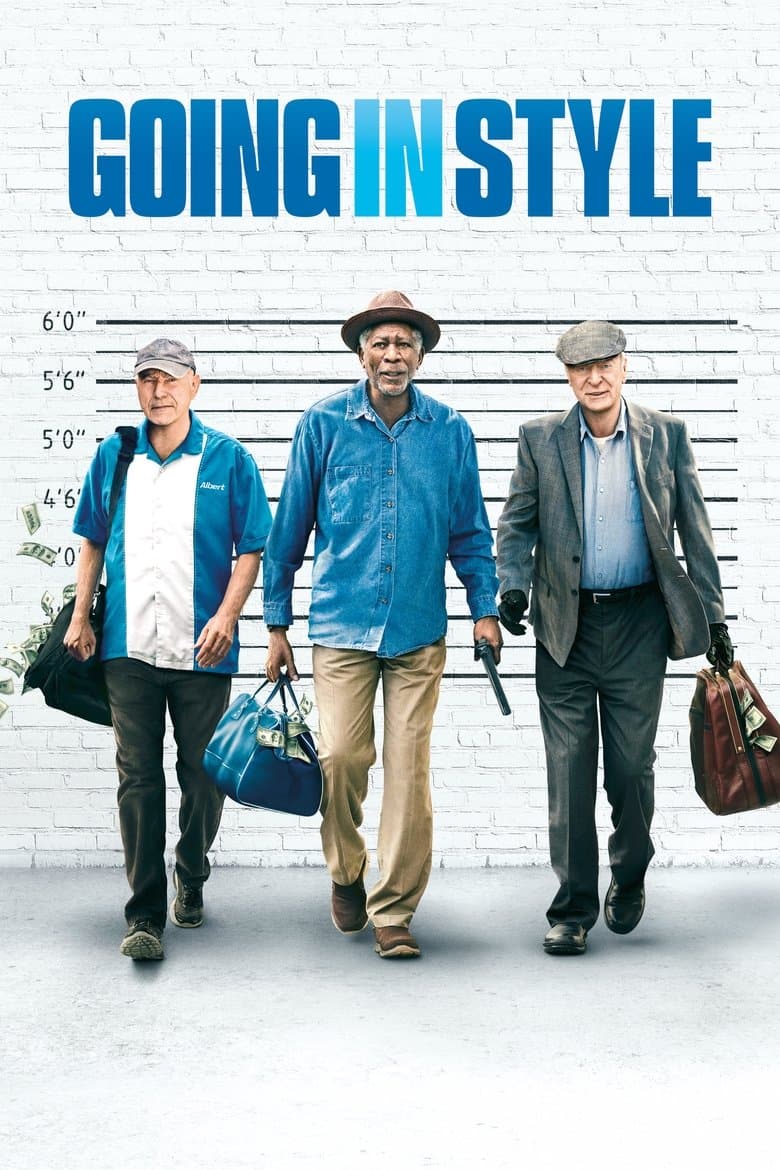
Movie · 2017
Desperate to pay the bills and come through for their loved ones, three lifelong pals risk it all by embarking on a daring bid to knock off the very bank that absconded with their…

Movie · 2025
A former Army Ranger and struggling father turns to robbing McDonald’s restaurants by cutting holes in their roofs, earning him the nickname "Roofman." After escaping prison, he…
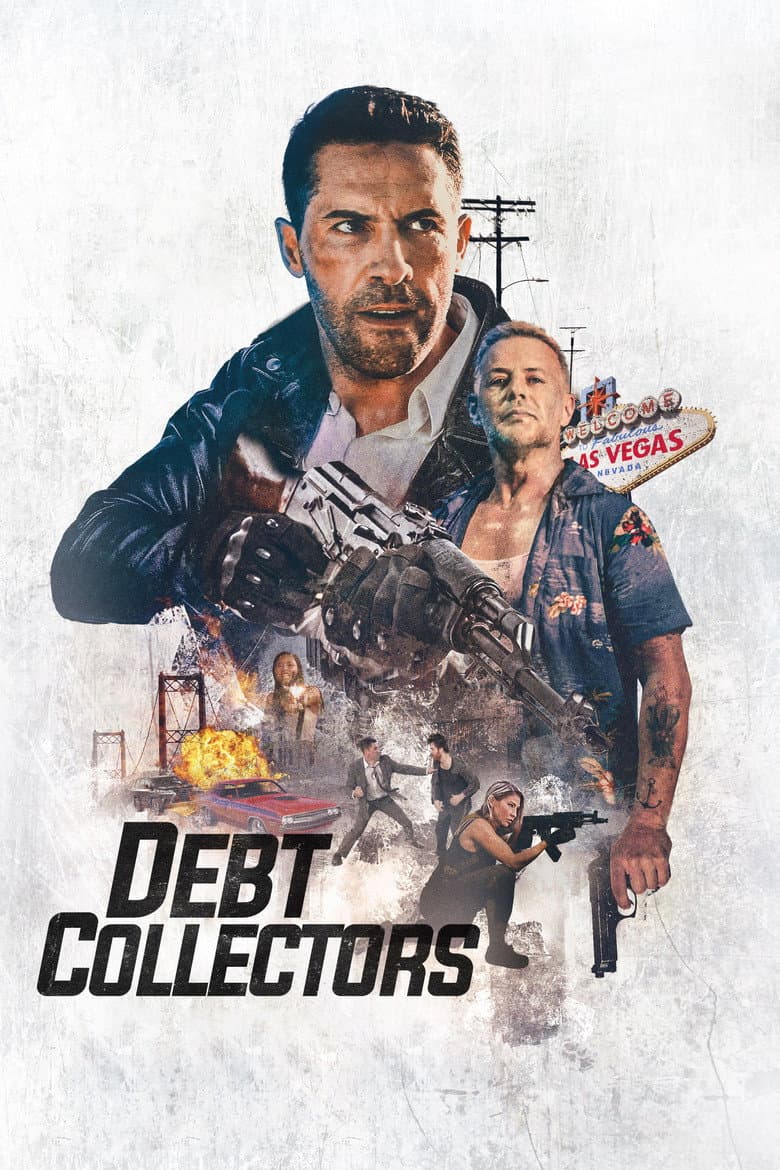
Movie · 2020
A pair of debt collectors are thrust into an explosively dangerous situation, chasing down various lowlifes while also evading a vengeful kingpin.
