Movie review
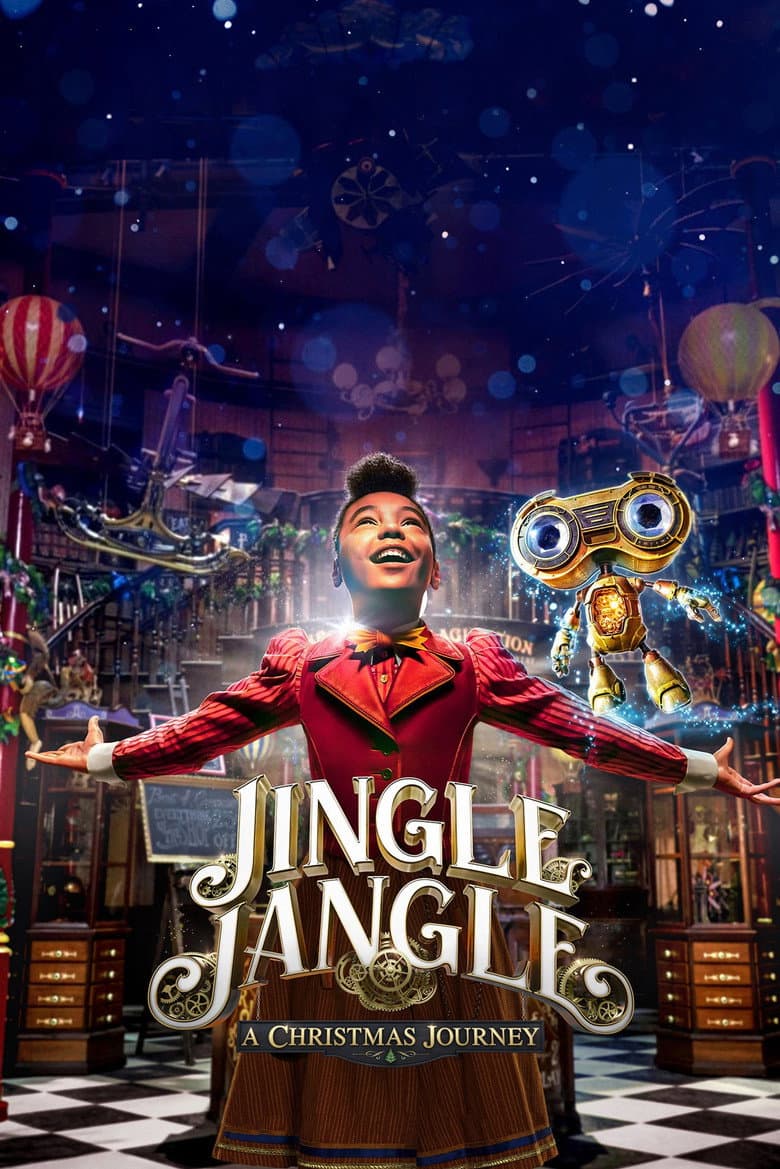
Jingle Jangle: A Christmas Journey follows Jeronicus Jangle, a famous toymaker who loses his business, his wife, and his bond with his daughter after his apprentice steals his ideas. Decades later, Jeronicus lives as a bitter pawnshop owner in the fanciful Victorian-style town of Cobbleton. His granddaughter Journey arrives for Christmas and finds that she shares his gift for math and invention. The film uses bright costumes, songs, magic, and broad comedy to turn grief, family repair, and forgiveness into a colorful holiday adventure.
The film puts a black family at the center of a world that looks like a classic British Christmas story. Journey is a young black girl who solves the key invention problem, repairs the Buddy robot, and helps save her grandfather's shop. Black music, African dance, Ghanaian patterns, and Black inventors appear throughout the setting and musical numbers. These choices make representation and a girl's success in science and math clear parts of the film, but the story presents them through family, hope, and imagination rather than a political debate.
Community feedback
Was our 70% Woke rating accurate?
Breakdown
These are the editorial factors and ratings behind our score for Jingle Jangle: A Christmas Journey.
Woke representation / casting
Nearly every major human role is played by a black actor in a fanciful late-19th-century British setting. Jeronicus, Journey, Jessica, Gustafson, and the main shop and street characters are black, while the wider crowd is mixed. The film also builds Black music, clothing, and dance into the Victorian-style world. The cast choice is openly part of the film's goal to place black families at the center of a classic Christmas fantasy.
78%
Woke political dialogue
Journey sings that she does not need a hero to save her and tells people not to underestimate her. The number frames a young girl as strong, self-directed, and ready to break old rules. The film does not give speeches about DEI, race, or party politics. The empowerment message appears mainly in one major song, so it is brief.
15%
Identity-driven story themes
Journey is a young black girl whose math and invention skills drive the rescue and the family's healing. She solves the key formula, repairs Buddy, and helps Jeronicus return to work. The film repeatedly links black family life, Black music, and Black inventors with wonder and success. The message that children who look like Journey can lead, build, and dream is central, although the plot is mainly a Christmas family adventure rather than a political story.
62%
Western institutional / cultural critique
Not present. The bank conflict is about Jeronicus's debt and the theft of his inventions. The film does not attack capitalism, Christianity, patriarchy, or traditional family life. It has no modern activist critique of a Western institution.
0%
Woke character or canon changes
Not relevant. The film is an original story, not a remake or adaptation. It changes no established character, real figure, or known event.
0%
Anti-woke backlash and complaints
One Metacritic user complained that the mostly black cast, Black inventor shop names, and African dance felt wrong for a Victorian setting. Another said the music made the film seem aimed at one race. The complaints were isolated user reviews, and no major anti-woke news campaign, boycott, or review-bombing was found; the supplied X pass also found none.
12%
Creator track record context
David E. Talbert's career often centers black characters and representation. John Legend has a strong social justice and racial justice record, and Get Lifted supports multicultural stories. Lyn Sisson-Talbert and Mike Jackson also make Black visibility part of their work, while the other producers have little public activist record. This gives the film a noticeable creator-context signal without making it a political campaign.
54%
Production
Movie · 2024
After discovering she can see everyone's imaginary friends, a girl embarks on a magical adventure to reconnect forgotten imaginary friends with their kids.
Movie · 2016
An orphan little girl befriends a benevolent giant who takes her to Giant Country, where they attempt to stop the man-eating giants that are invading the human world.
Movie · 2021
When Flora rescues a squirrel she names Ulysses, she is amazed to discover he possesses unique superhero powers, which take them on an adventure of humorous complications that…
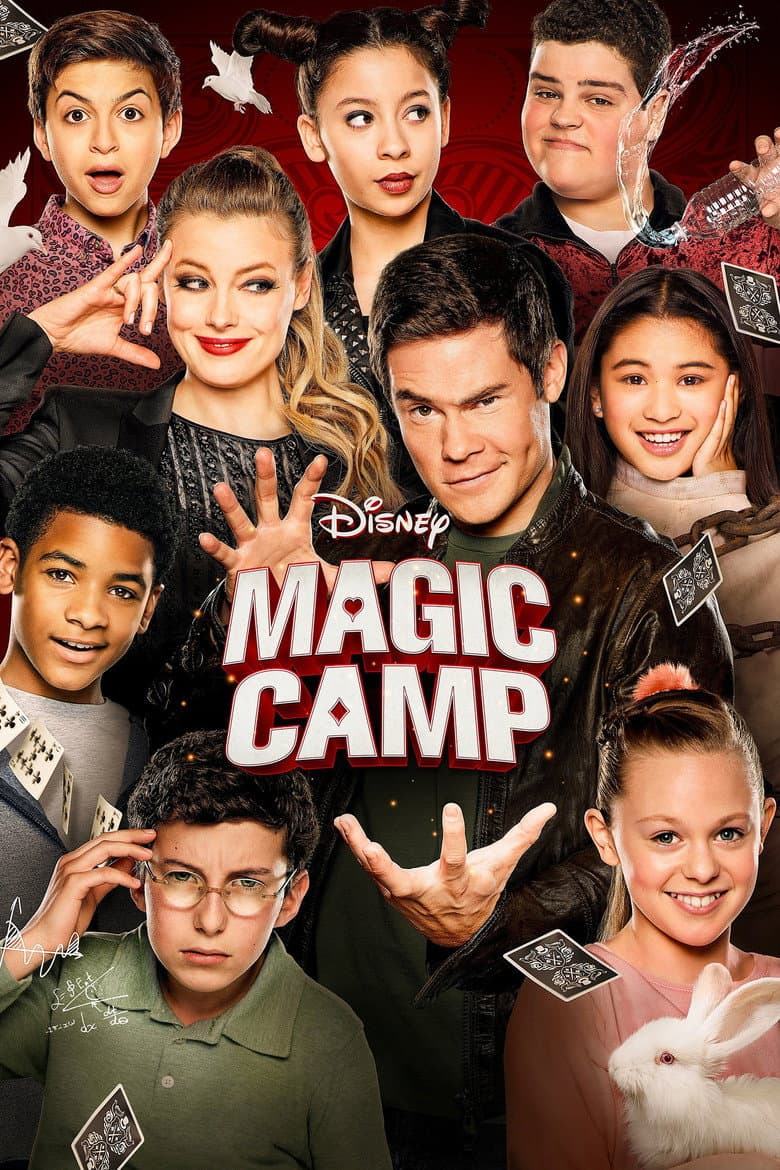
Movie · 2020
Andy, at the urging of his former mentor and Magic Camp owner Roy Preston, returns to the camp of his youth hoping to reignite his career.
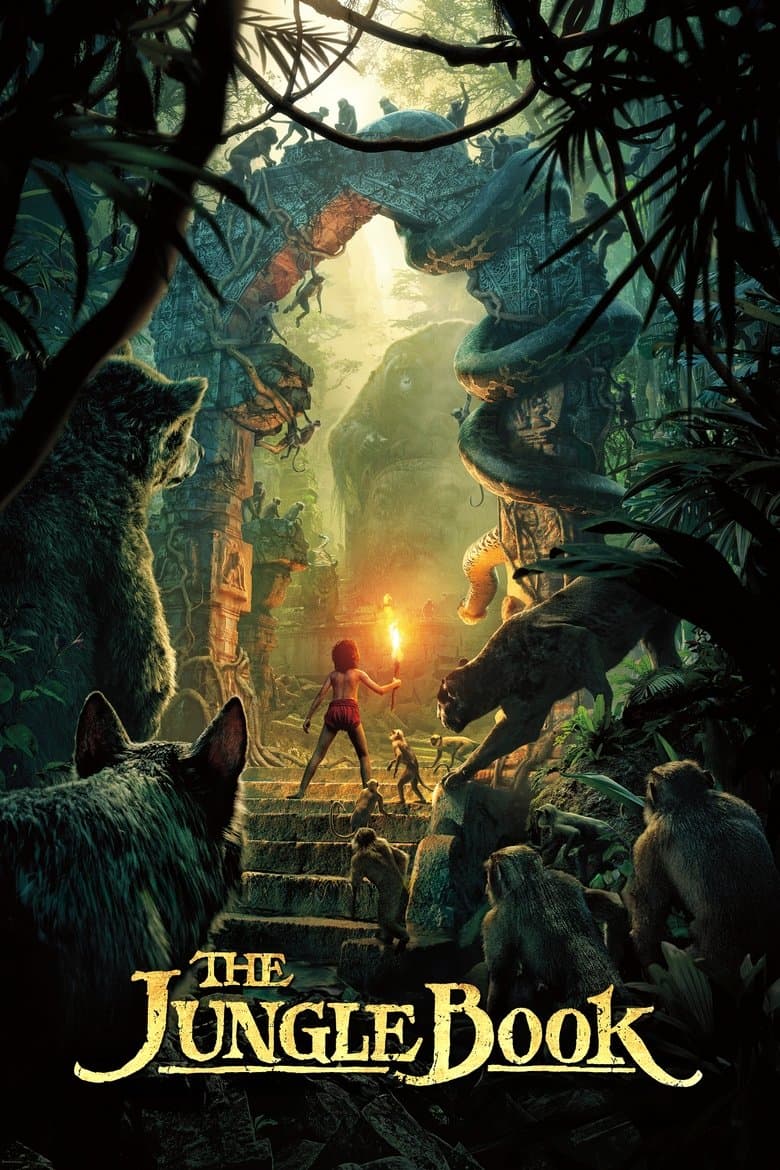
Movie · 2016
After a threat from the tiger Shere Khan, Mowgli, a man-cub fostered by wolves, is forced to flee the jungle, and he embarks on a journey of self-discovery with the help of the…

Movie · 2022
A young girl discovers a secret map to the dreamworld of Slumberland, and with the help of an eccentric outlaw, she traverses dreams and flees nightmares, with the hope that she…

Movie · 2018
Dracula, Mavis, Johnny and the rest of the Drac Pack take a vacation on a luxury Monster Cruise Ship, where Dracula falls in love with the ship’s captain, Ericka, who’s secretly a…
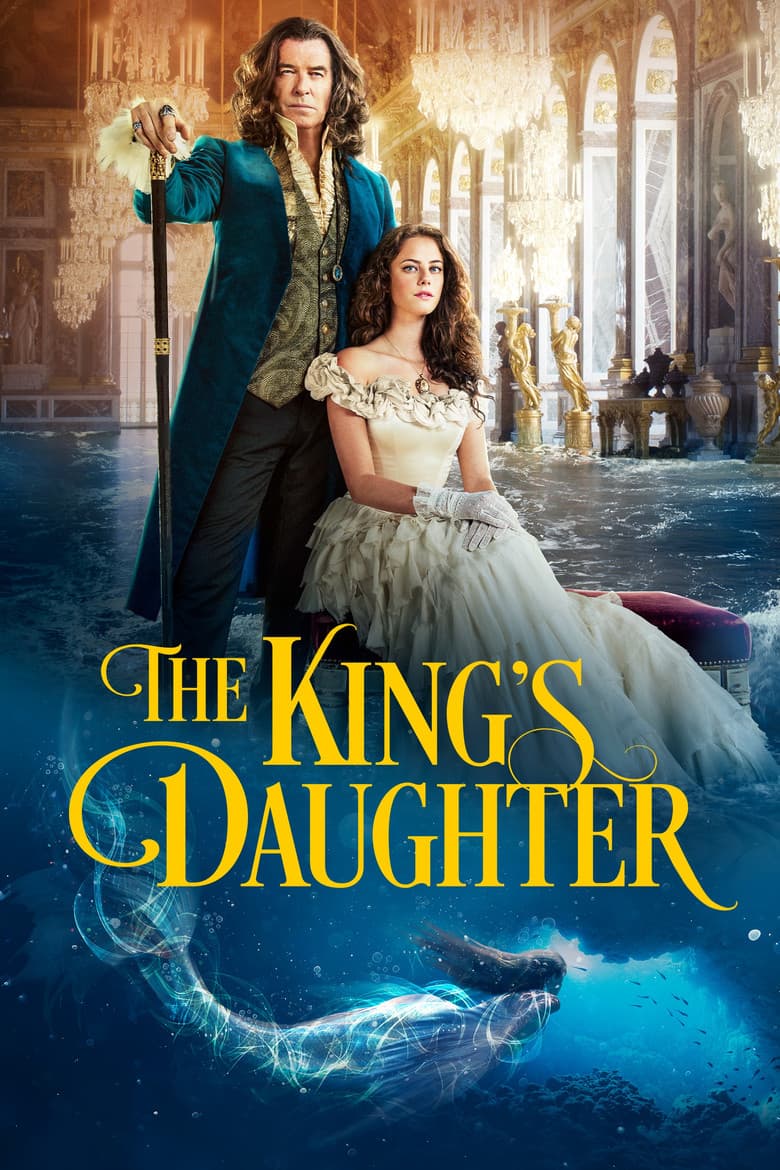
Movie · 2022
King Louis XIV's quest for immortality leads him to capture and steal a mermaid's life force, a move that is further complicated by his illegitimate daughter's discovery of the…
