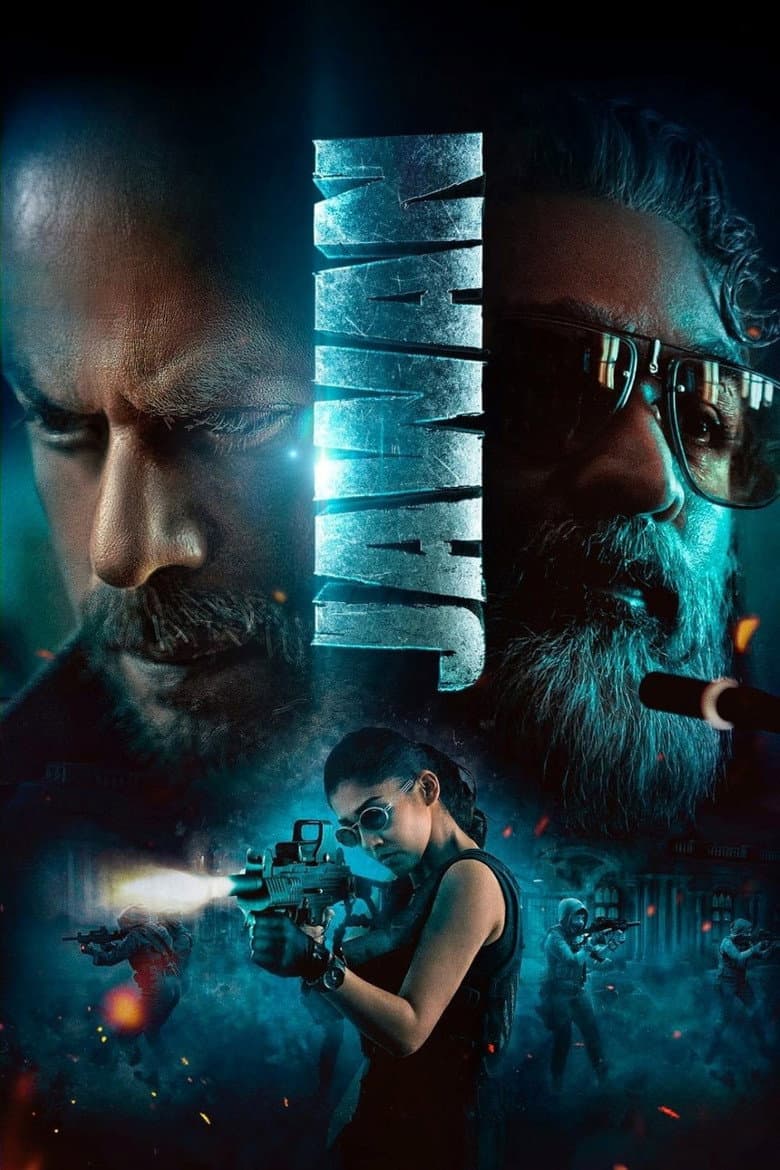
Jawan follows Azad, a prison warden in Mumbai who secretly leads six female inmates on violent missions. The group takes over a metro train and targets people tied to a corrupt weapons dealer, a broken hospital system, and unpaid farmer loans. Azad’s search for justice becomes tied to the hidden past of his father, Vikram Rathore, and to police officer Narmada. The film mixes loud action with family drama and romance. The revenge plot also carries a direct appeal to voters.
Women hold a large place in the story because the main team is made up of skilled prisoners. The women fight, hack, treat wounds, and plan attacks during the missions. Narmada leads police operations, while Azad’s mother is shown as a brave woman harmed by the system. The film asks viewers not to vote through caste or religion and tells them to demand better health care, schools, jobs, and honest government. These messages repeat through the missions and the final speech, but the male hero still guides the group and remains the story’s main savior.
Community feedback
Was our 72% Woke rating accurate?
Breakdown
These are the editorial factors and ratings behind our score for Jawan.
Woke representation / casting
Six women from a Mumbai prison form Azad’s main action team. The women use named skills such as hacking, medicine, weapons work, art, and music, and they fight beside the male hero. Narmada is a senior police officer who leads negotiations and combat, while Aishwarya is central to the backstory. The repeated focus on women in skilled and heroic roles is clear, though the male hero still leads the group.
50%
Woke political dialogue
Azad gives a long final speech about how citizens should choose leaders. The speech rejects voting through caste, religion, fear, or money and asks about health care, schools, jobs, and poverty. Earlier scenes connect the missions to farmer debt, hospital failures, electronic voting machines, and government corruption. The message is important, but it appears mainly during the missions and final speech.
58%
Identity-driven story themes
The six female inmates are not just helpers because their skills and personal wrongs drive the missions. The film repeatedly presents women as fighters, planners, a hacker, a medic, and a police leader. The film treats their power and freedom as a major part of its idea of justice. The message is still wrapped inside a male-star revenge story, so it is strong but not the whole movie.
64%
Western institutional / cultural critique
Not present. The story does not criticize Western institutions, Christian culture, or traditional family life. Its targets are Indian politicians, hospitals, banks, and weapons dealers.
0%
Woke character or canon changes
Not relevant. Jawan is an original story with no established character or real historical figure being recast. The double role and invented prison team belong to this movie.
0%
Anti-woke backlash and complaints
Right-leaning users repeatedly called the film an anti-Modi or anti-Hindu political toolkit because of its secular team-up, farmer and defence issues, electronic voting machine scenes, and vote-not-on-caste message. Other posts attacked the female prison team as girlboss writing and joined boycott talk. News outlets reported the boycott trend before release. The complaints had real reach, but they did not become a sustained campaign, and right-leaning praise that the film was neutral or not woke is not backlash.
46%
Creator track record context
Atlee has a repeated record of using women’s empowerment, public fairness, and corruption themes, and Jawan uses those ideas in its central story. Mukesh Chhabra has a long focus on opening casting to newcomers and outsiders. The other listed directors, writer, and producers have mostly craft or production records with little public political activity. This gives the title a moderate creator track record signal.
42%
Production

Movie · 2022
Amar is assigned to investigate a case of serial killings. When Amar investigates the case, he realizes it is not what it seems to be and following down this path will lead to…

Movie · 2016
A man who bears a striking resemblance to a renowned movie star becomes an obsessive fan, but when his fierce love is spurned by the star, he decides to destroy the star's life…

Movie · 2025
Former assassin Hutch Mansell takes his family on a nostalgic vacation to a small-town theme park, only to be pulled back into violence when they clash with a corrupt operator, a…
Movie · 2024
When a Delta Force special ops mission goes terribly wrong, Air Force drone pilot Reaper has 48 hours to remedy what has devolved into a wild rescue operation.
Movie · 2025
A mysterious traveler slips into the heart of Karachi's underbelly and rises through its ranks with lethal precision, only to tear the notorious ISI-Underworld nexus apart from…
Movie · 2023
Robert McCall finds himself at home in Southern Italy but he discovers his friends are under the control of local crime bosses.

Movie · 2025
Newly released from prison and marked for death by unrelenting enemies, Nate must now protect his estranged 9-year-old daughter, Polly, at all costs.
Movie · 2017
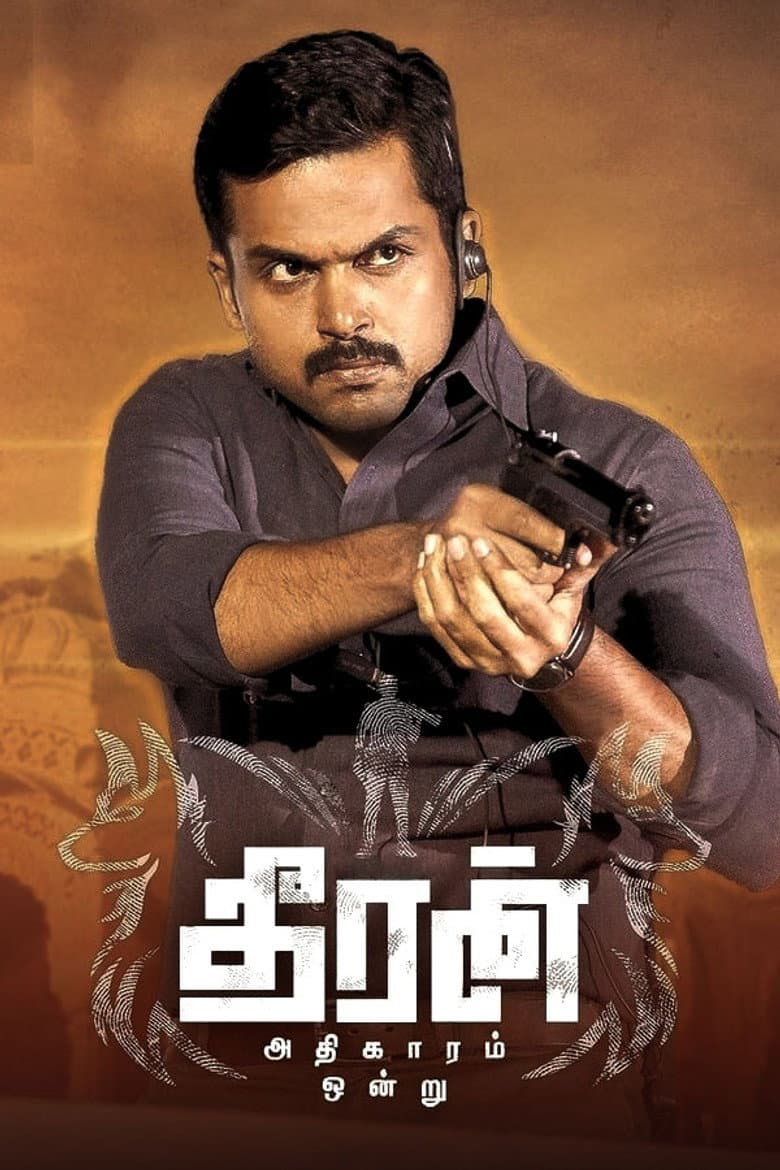
A hardnosed cop goes after a gang of ruthless dacoits who have been terrorising residents along the highway for a decade.
