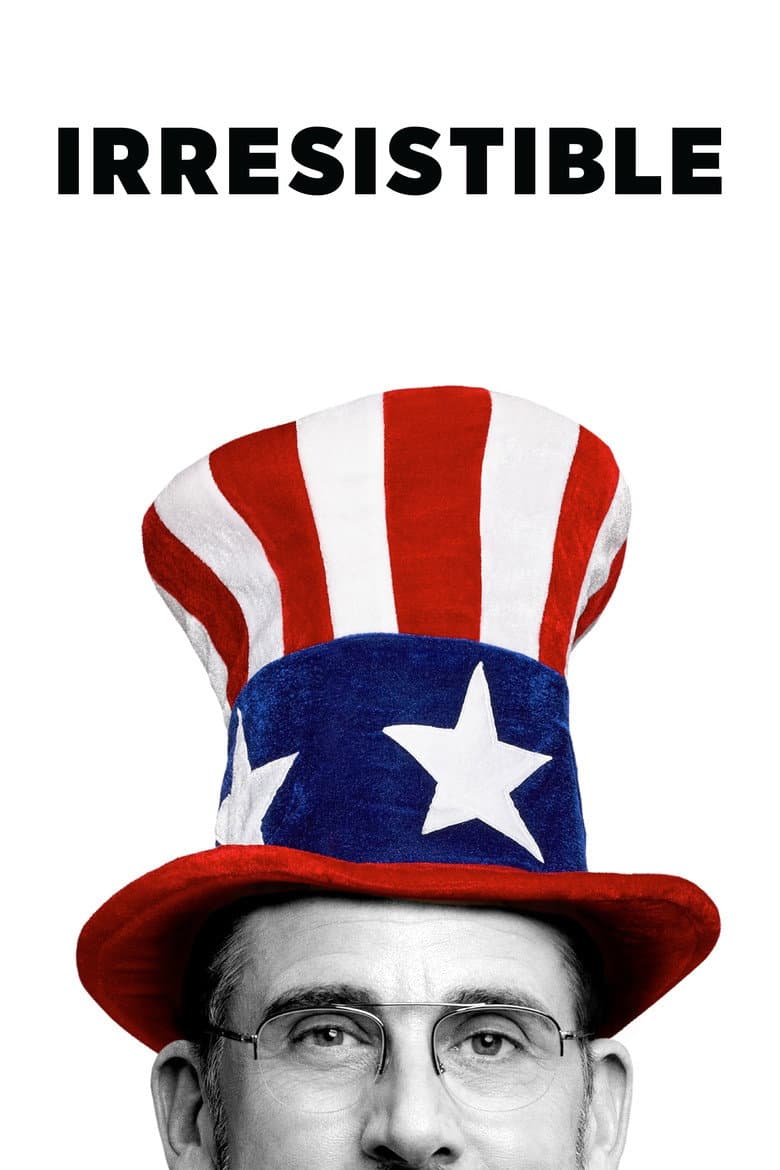
Gary Zimmer is a sharp but unhappy Democratic campaign adviser who loses faith after the 2016 election. He travels from Washington to Deerlaken, a struggling small town in Wisconsin, to help retired Marine Colonel Jack Hastings run for mayor. Gary sees Jack as a way to win back rural voters, but Republican adviser Faith Brewster arrives to protect the sitting mayor. The movie uses jokes, campaign tricks, and a late twist to tell a warm but cynical story about politics and money.
The film gives a central place to Jack’s speech defending the town’s undocumented workers, and that speech starts the campaign. It also shows a brief interracial lesbian couple wearing “Stay” and “Woke” shirts, Black Lives Matter shirts at a voter table, and a staff chant of “Si se puede.” These moments use modern identity and activist symbols, but the film often laughs at wealthy liberals and calls their displays performative. The main story stays focused on campaign money, media tricks, party labels, and the gap between Washington and small-town voters.
Community feedback
Was our 49% Woke rating accurate?
Breakdown
These are the editorial factors and ratings behind our score for Irresistible.
Woke representation / casting
Most major characters are white, and the movie does not make their race a story point. A brief donor scene includes an interracial lesbian couple wearing “Stay” and “Woke” shirts, plus Black staff and voters in small roles. These choices create visible identity signaling, but the film uses the donor scene mainly to mock wealthy liberals. There is no broad diversity-first cast design.
18%
Woke political dialogue
Jack gives a major speech asking the town to treat undocumented workers with care. Gary’s staff chants “Si se puede” during a campaign meeting. The characters also talk about race, rural white voters, and the Democrats’ need to win back the heartland. The film mocks much of this as campaign theater, so the woke political dialogue is noticeable but not the main message.
35%
Identity-driven story themes
The story makes compassion for undocumented workers the spark for Jack’s campaign. It briefly shows an interracial lesbian couple and Black Lives Matter symbols at a liberal fundraiser and voter table. The film uses these images to show the gap between wealthy activists and small-town people, instead of making identity the hero’s main journey. The central themes remain party marketing, money, and political theater.
29%
Western institutional / cultural critique
Gary and Faith represent rival political machines that lie, manipulate news, and spend huge sums on a local race. The film says Washington parties use rural towns as symbols while ignoring their real problems. The ending reveals that campaign money has become the town’s main resource, which makes a direct point about a broken political system. This is a strong institutional critique, but it targets campaign finance and party power more than capitalism or Western culture as a whole.
50%
Woke character or canon changes
Not relevant. The film is an original story and does not change established characters or historical figures.
0%
Anti-woke backlash and complaints
A conservative audience review called the movie heavily left wing and said it paints the right as evil. Another conservative review said it favors Democrats on immigration and public aid while making Republicans look bad. The separate X pass found only a few small accounts, and no boycott or review-bombing push appeared. Wider reviews mostly called the satire soft or aimed at both parties, so the anti-woke backlash remained limited.
24%
Creator track record context
Jon Stewart’s cached track record is mainly broad progressive political satire and humanitarian causes. His title interviews focus on campaign money, media, and political systems rather than identity-first storytelling. The stored producer context includes some socially focused films, but it does not show a title-specific diversity campaign. This gives the film mild creator track record context.
22%
Production

Movie · 2024
When a construction worker unexpectedly joins a local theater's production of Romeo and Juliet alongside his estranged teenage daughter, the drama onstage starts to mirror his own…

Movie · 2016
Two high school girls are best friends until one dates the other's older brother, who is totally his sister's nemesis.

Movie · 2019
A young Scottish singer, Rose-Lynn Harlan, dreams of making it as a country artist in Nashville after being released from prison.
Movie · 2019
The story of Mötley Crüe and their rise from the Sunset Strip club scene of the early 1980s to superstardom.
Movie · 2022
After discovering a once-in-a-lifetime player with a rocky past abroad, a down on his luck basketball scout takes it upon himself to bring the phenom to the States without his…

Movie · 2017
An aspiring actor in Hollywood meets an enigmatic stranger by the name of Tommy Wiseau, the meeting leads the actor down a path nobody could have predicted; creating the worst…

Movie · 2024
Mismatched cousins David and Benji reunite for a tour through Poland to honor their beloved grandmother. The adventure takes a turn when the pair's old tensions resurface against…
Movie · 2019
Los Angeles, 1969. TV star Rick Dalton, a struggling actor specializing in westerns, and stuntman Cliff Booth, his best friend, try to survive in a constantly changing movie…
