
Inside Man: Most Wanted follows Remy Darbonne, a fast-talking NYPD hostage negotiator, and Dr. Brynn Stewart, an FBI negotiator. They face a woman called Most Wanted after robbers seize tourists and workers inside the Federal Reserve in New York. The police must keep the hostages alive while they uncover a plan involving Nazi gold, a German family, and a hidden link to the earlier Inside Man case. The film is a tense but talk-heavy crime thriller with gunfire, threats, and a revenge plot.
The film gives strong jobs and major control to two women. Brynn leads the federal response, while Ariella leads the robbery and builds the plan that drives the twist. Several short exchanges call attention to women in crime and to Brynn facing a possible boys-club problem inside the FBI. The story still centers on hostage talks, family loyalty, Nazi crimes, and revenge, so the gender message is a side layer rather than the main subject.
Community feedback
Was our 45% Woke rating accurate?
Breakdown
These are the editorial factors and ratings behind our score for Inside Man: Most Wanted.
Woke representation / casting
The cast places a black man in the main NYPD hero role. The cast also places white women in the FBI lead and the main robber roles. Those women control major parts of the case and the robbery, which makes the pattern noticeable. The film does not make casting the main subject of the story.
31%
Woke political dialogue
Remy says that fewer than six percent of bank robbers are women. Remy praises strong women more than once while he discusses Ariella and Brynn. Brynn's boss mentions a boys-club problem, and Dietrich asks whether FBI opposition comes from her being a woman. These lines appear in short exchanges and do not drive the heist.
32%
Identity-driven story themes
Brynn leads the FBI response and insists that every hostage should live. Ariella leads the robbery and uses a hidden plan to control the outcome. The film links female power to a short story about resistance inside the FBI and repeats praise for strong women. Family loyalty, Nazi gold, and revenge remain the main drivers.
37%
Western institutional / cultural critique
Brynn's FBI boss mentions a boys-club problem while discussing her career. The line treats a major Western institution as holding back a woman. Dietrich also attacks American power, but he is a neo-Nazi villain and his speech is about gold and national strength. These points are brief and do not become a broad attack on Western culture.
18%
Woke character or canon changes
Not relevant. The sequel uses new characters and a new heist, but it does not change an established character's race, gender, or sexuality.
0%
Anti-woke backlash and complaints
The supplied X research found no anti-woke posts about the film. One Army Rumour Service post said the film pushed a diversity message and replaced male lead roles with strong independent women. One Not in Hall of Fame review objected to the mixed-race World War II unit and called it Hollywood inclusion. The complaints have little reach, and most other reactions focus on weak writing and poor sequel quality.
18%
Creator track record context
The existing creator context gives MJ Bassett a 58/100 score. Russell Boast has a high diversity-focused score, while Gillian Hawser and Debi Manwiller have moderate scores. Brian Brightly and Russell Gewirtz score 0, and Ogden Gavanski scores 13. The mixed record supports a moderate context signal.
42%
Production
Movie · 2018
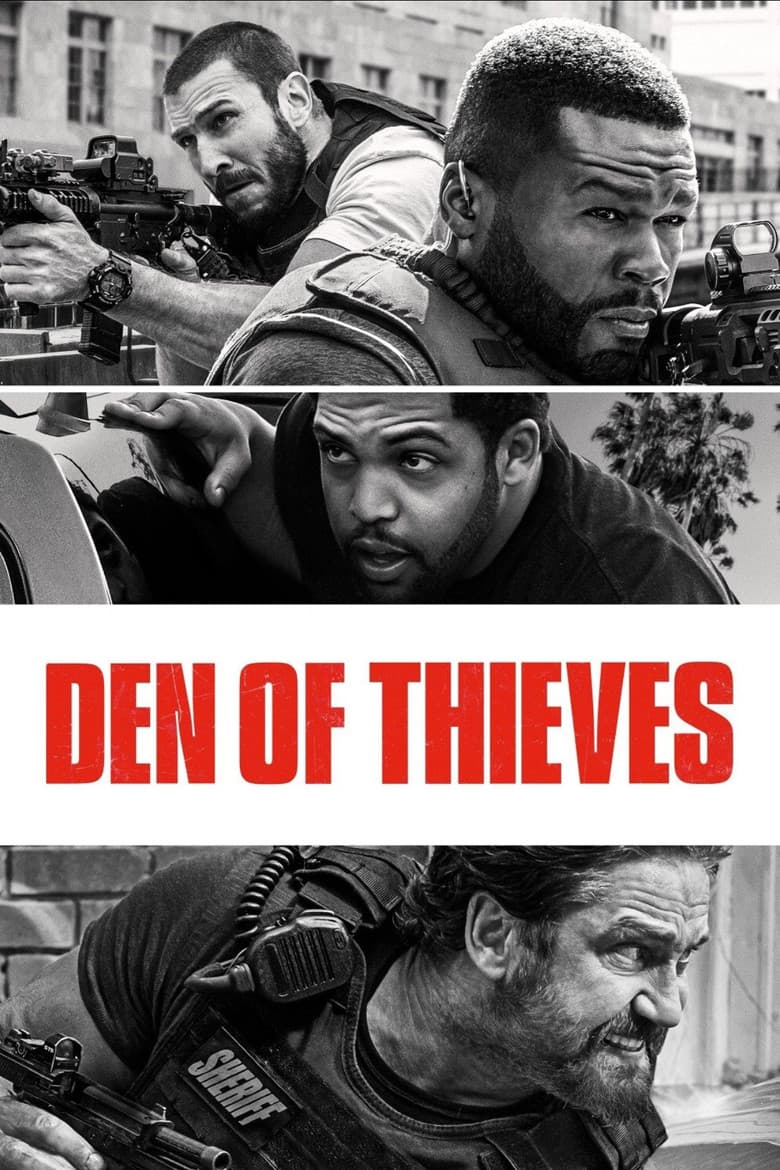
A gritty crime saga which follows the lives of an elite unit of the LA County Sheriff's Dept. and the state's most successful bank robbery crew as the outlaws plan a seemingly…

Movie · 2025
Newly released from prison and marked for death by unrelenting enemies, Nate must now protect his estranged 9-year-old daughter, Polly, at all costs.

Movie · 2016
A troubled veteran gets a chance at redemption by protecting a girl from an assassin after she witnesses a murder.
Movie · 2020
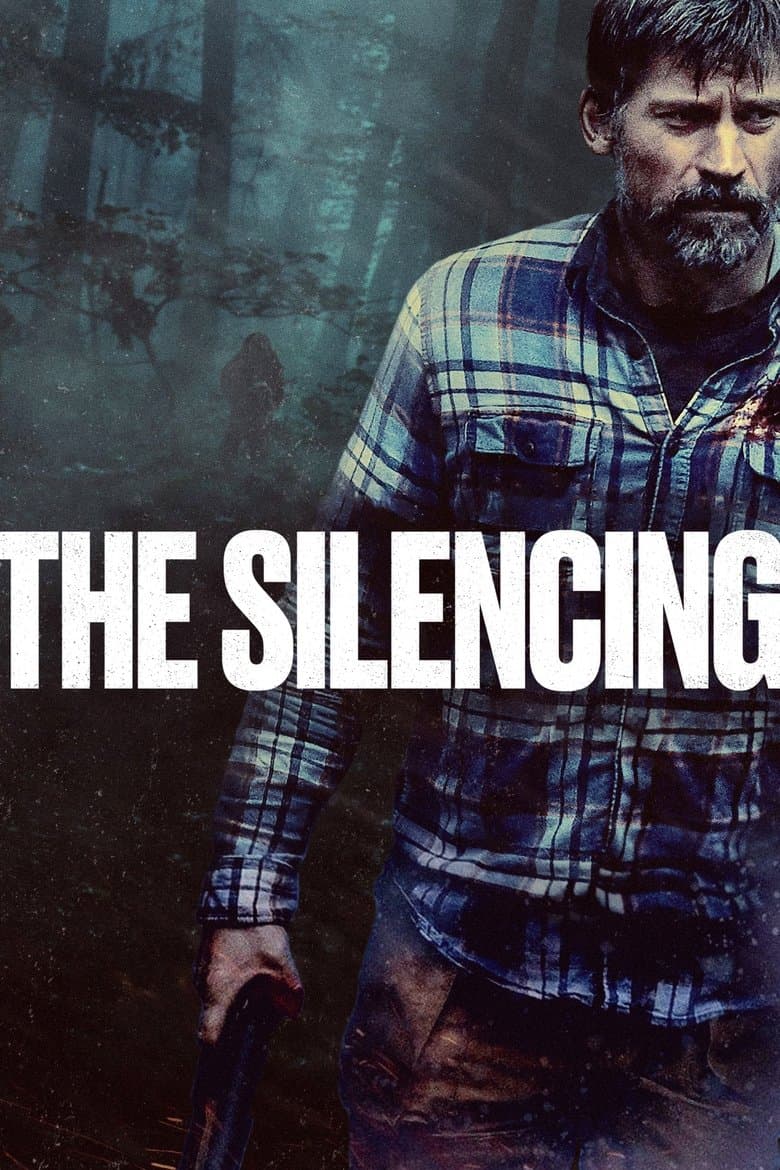
A reformed hunter becomes involved in a deadly game of cat and mouse when he and the local sheriff set out to track a vicious killer who may have kidnapped his daughter years ago.

Movie · 2018
Agent Matt Graver teams up with operative Alejandro Gillick to prevent Mexican drug cartels from smuggling terrorists across the United States border.
Movie · 2018
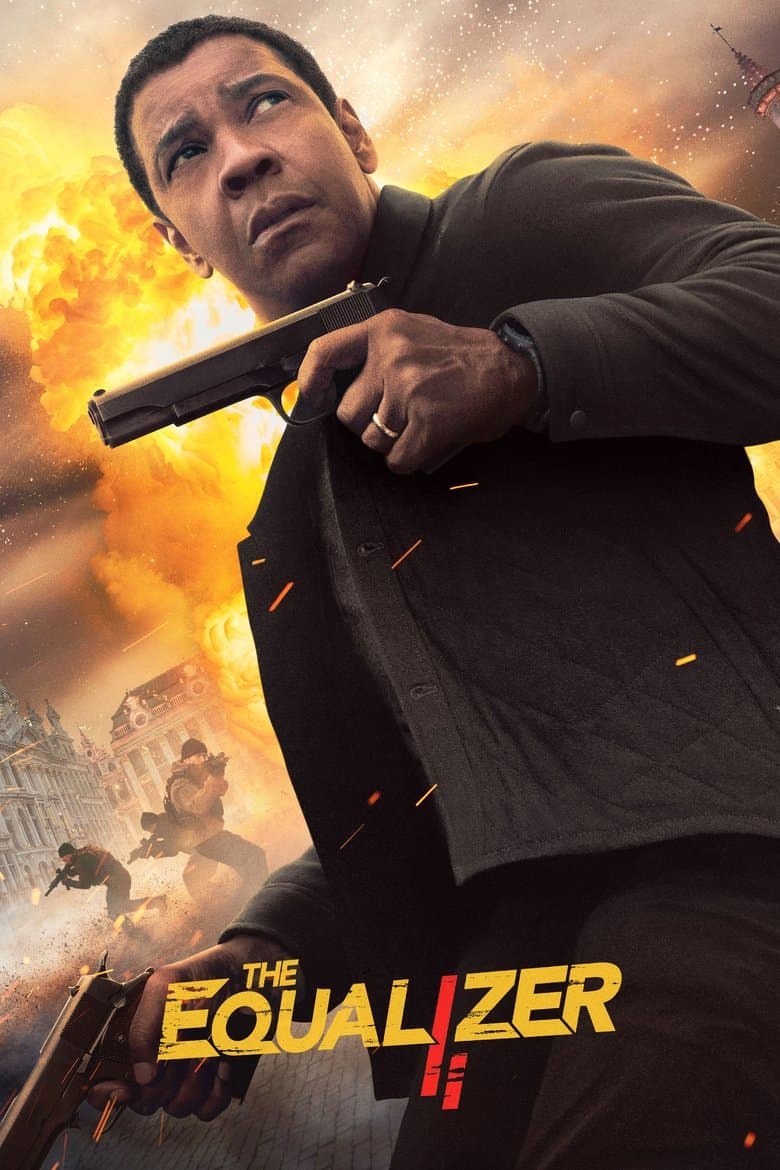
Robert McCall, who serves an unflinching justice for the exploited and oppressed, embarks on a relentless, globe-trotting quest for vengeance when his former partner is murdered.
Movie · 2024
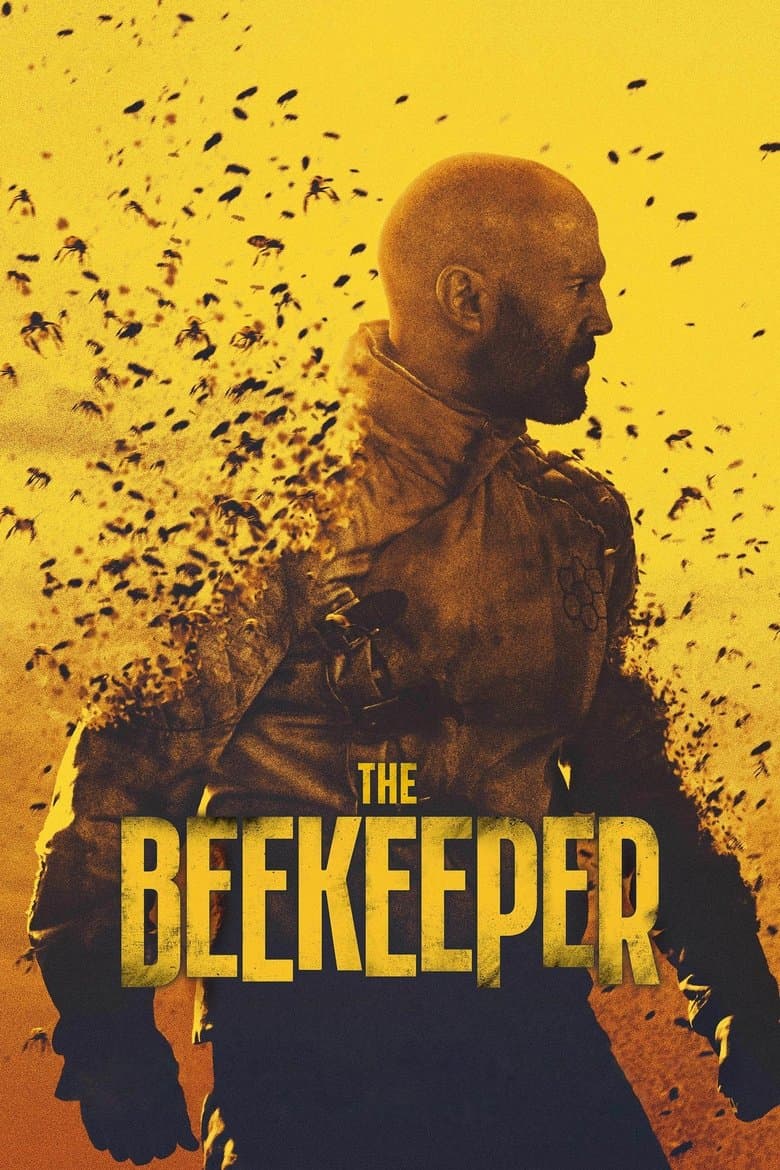
One man's campaign for vengeance takes on national stakes after he is revealed to be a former operative of a powerful and clandestine organization known as Beekeepers.

Movie · 2017
An ex-special services veteran, down on his luck and desperate for work, takes a job as a security guard at a run-down mall in a rough area of town.
