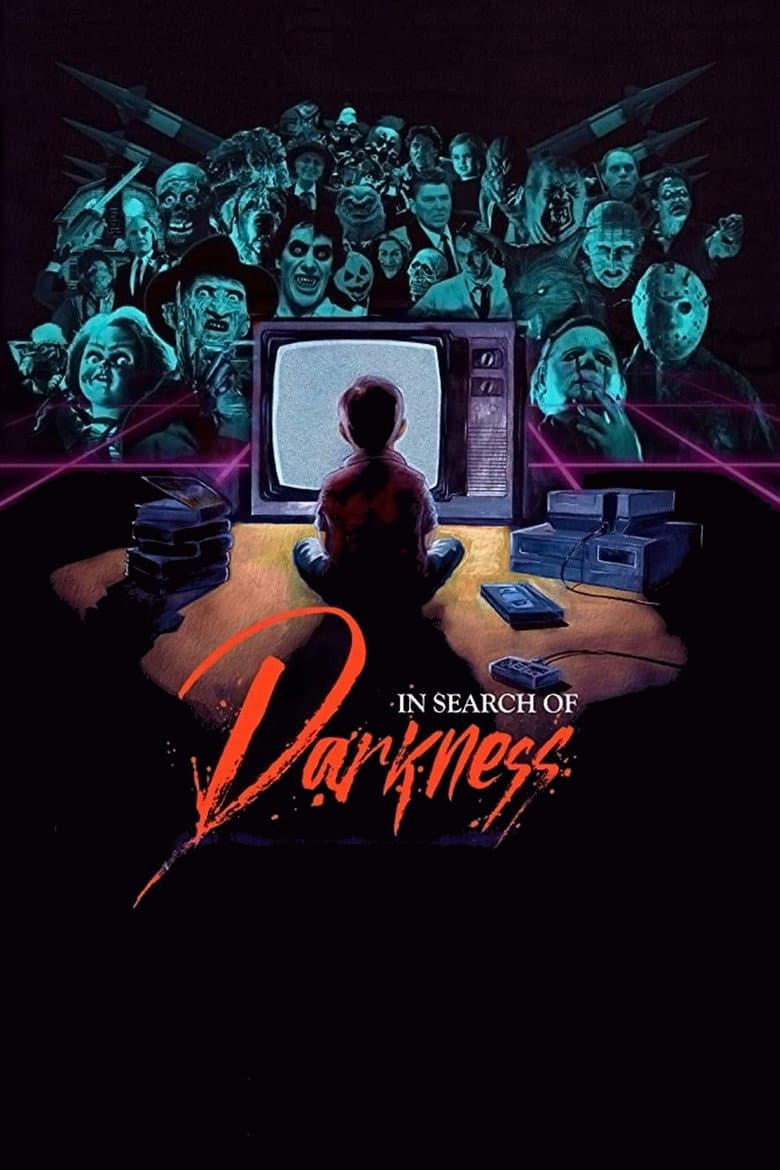
The documentary follows the actors, directors, writers, artists, and fans who shaped American horror in the 1980s. It moves through the decade year by year and pauses for topics such as video stores, practical effects, music, censorship, sex, and the Final Girl. The central conflict is between wild creative ideas and the limits set by studios, censors, money, and changing audiences. The tone is excited, graphic, funny, and deeply nostalgic.
The film gives a clear place to women who survive, lead, and defeat monsters without a man saving them. Speakers question the label “Final Girl” because it names a hero by sex, and one interview looks forward to more transgender and LGBTQ figures in horror. Other sections link horror to gay life, the AIDS crisis, minority heroes, and a criticism of Reagan-era capitalism. These ideas return in several topic sections, but the main subject remains a broad history of 1980s horror rather than a story built around identity politics.
Community feedback
Was our 41% Woke rating accurate?
Breakdown
These are the editorial factors and ratings behind our score for In Search of Darkness.
Woke representation / casting
The documentary gives a named feature section to women of 1980s horror and includes many women interviewees. The film highlights women as major survivors and leaders, and it presents Keith David’s Kincaid as a black hero who represented minorities. The lineup is tied to the real people who made the films, so it does not show a broad quota-style cast pattern.
24%
Woke political dialogue
The interviews repeatedly discuss gender and identity ideas in short sections. Speakers question the gendered label “Final Girl” and praise women who defeat monsters without male rescue. One speaker welcomes more transgender and LGBTQ figures in horror, while another links the decade to gay life and the AIDS crisis. Another speaker criticizes Reagan-era “unrestrained capitalism” and its effect on low-income people. These lines are clear but they do not fill the whole documentary.
43%
Identity-driven story themes
The documentary treats female survival and female leadership as a strong part of several featurettes. The film repeatedly presents women as fighters, planners, and heroes who take control of the story. Speakers describe the “Final Girl” as a label that can reduce women to a gender tag. The film also treats gender fluidity and future LGBTQ figures as positive changes for horror. These ideas form long feature sections, but they remain smaller than the documentary’s wider movie history.
46%
Western institutional / cultural critique
The documentary criticizes the use of women’s bodies for sex and shock in older horror films. Speakers call some scenes exploitative and compare that treatment with the strength of women who survive. Another section presents Reagan’s economic policies as harmful to low-income people and links They Live to hidden power and advertising. These critiques are repeated in topic sections, but the film does not make them its main subject.
31%
Woke character or canon changes
Not relevant. The documentary reviews existing 1980s films and their characters. It does not rewrite a character’s race, sex, sexuality, or role.
0%
Anti-woke backlash and complaints
Not present. No reviewed coverage or X evidence identifies the film as pushing woke, DEI, or identity politics. Reported complaints focus on length, editing, or fan-platform issues.
0%
Creator track record context
Not present. The director and listed producers are mainly linked to genre history and fan documentaries. No high-confidence public pattern of DEI advocacy or identity-driven activism is established.
0%
Production

Movie · 2018
New York, 1980. Three complete strangers accidentally discover that they're identical triplets, separated at birth.

Movie · 2023
A short kid from a Canadian army base becomes the international pop culture darling of the 1980s—only to find the course of his life altered by a stunning diagnosis.

Movie · 2022
After years in the limelight, Selena Gomez achieves unimaginable stardom. But just as she reaches a new peak, an unexpected turn pulls her into darkness.
Movie · 2016
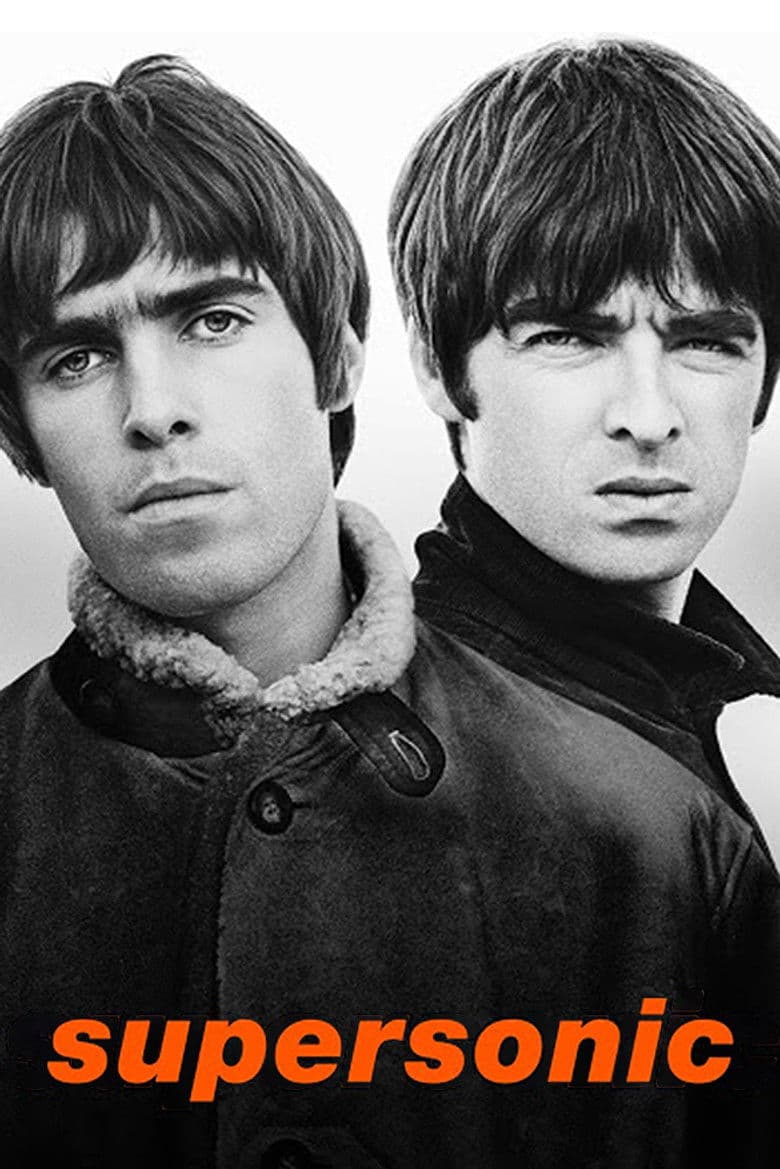
Supersonic charts the meteoric rise of Oasis from the council estates of Manchester to some of the biggest concerts of all time in just three short years.

Movie · 2023
A courageous pastor uses his underground network to rescue and aid North Korean families as they risk their lives to embrace freedom.

Movie · 2022
An enchanting making-of story told through all-new in-depth interviews and cast conversations, inviting fans on a magical first-person journey through one of the most beloved film…

Movie · 2023
The remarkable coming-of-age story of Stephen Curry—one of the most influential, dynamic, and unexpected players in basketball history—and his rise from an undersized college…

Movie · 2024
Five years after surviving Art the Clown's Halloween massacre, Sienna and Jonathan are still struggling to rebuild their shattered lives.
