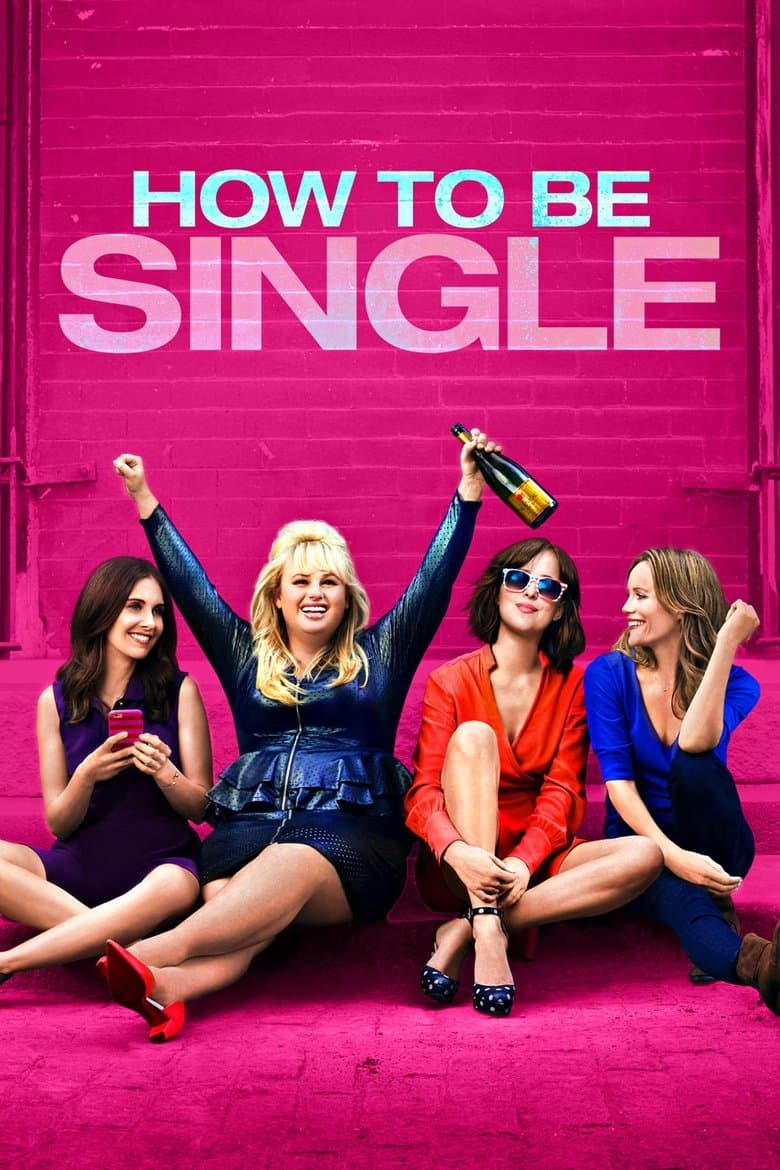
How to Be Single is a mainstream multi-plot New York rom-com. Alice leaves a long relationship so she can learn how to be single. Party-hard coworker Robin, career-doctor sister Meg, and marriage-focused Lucy shape her path. The story covers self-discovery, casual sex, dating apps, friendship, and solo motherhood by sperm donor. Alice ends the film alone at the Grand Canyon.
Viewers can notice soft liberal-feminist messages about women staying single, having sex without punishment, and choosing motherhood alone. Talk stays on dating, sex, independence, and friendship rather than activist race or identity politics monologues. The movie gently pushes back on old rom-com rules that treat marriage as the only goal. It is not a race- or queer-identity story, and the cast is a modern ensemble led by four white women with no quota-style hero lineup.
Community feedback
Was our 35% Woke rating accurate?
Breakdown
These are the editorial factors and ratings behind our score for How to Be Single.
Woke representation / casting
The movie is a modern New York ensemble led by four white women. Damon Wayans Jr. plays a secondary love interest, and critics treated his race as unimportant to the story. There is no quota-style one-of-each hero cast or odd casting that ignores the setting.
8%
Woke political dialogue
The talk stays on dating, sex, independence, and friendship. There are light sex-positive lines about being okay alone. Normalization of casual sex and female sexual agency without judgment. There are no activist speeches about race, oppression, DEI, or identity politics.
20%
Identity-driven story themes
The core idea is female self-discovery and independence. The film shows casual sex without punishment, staying single as valid, and solo motherhood by choice, plus Alice ending alone at the Grand Canyon. Viewers can notice soft liberal-feminist gender messaging. It is not a race- or queer-identity story.
43%
Western institutional / cultural critique
The film gently undercuts old rom-com rules about marriage as the goal, slut-shaming, and a woman being incomplete without a man. It does not mount a sustained attack on Christianity, capitalism, whiteness, or Western institutions as systems.
24%
Woke character or canon changes
Not relevant. Loose novel-to-film adaptation and ordinary rom-com compression with no identity-driven rewrites of established characters or canon.
0%
Anti-woke backlash and complaints
Not present. No documented right-leaning or anti-woke campaign treating the film as DEI propaganda or an activist product.
0%
Creator track record context
Cached scores for the director and main writers are mostly low. Mild lift comes from producer Drew Barrymore and casting director Avy Kaufman. The creative team does not read as an activist-driven slate for this title.
20%
Production
Movie · 2023
On the brink of losing her childhood home, Maddie discovers an intriguing job listing: wealthy helicopter parents looking for someone to “date” their introverted 19-year-old son…
Movie · 2026
A happily engaged couple is put to the test when an unexpected turn sends their wedding week off the rails.
Movie · 2016
A week in the life of Paterson, a poet bus driver, and his wife Laura, a very creative artist, who live in Paterson, New Jersey, hometown of many famous poets and artists.
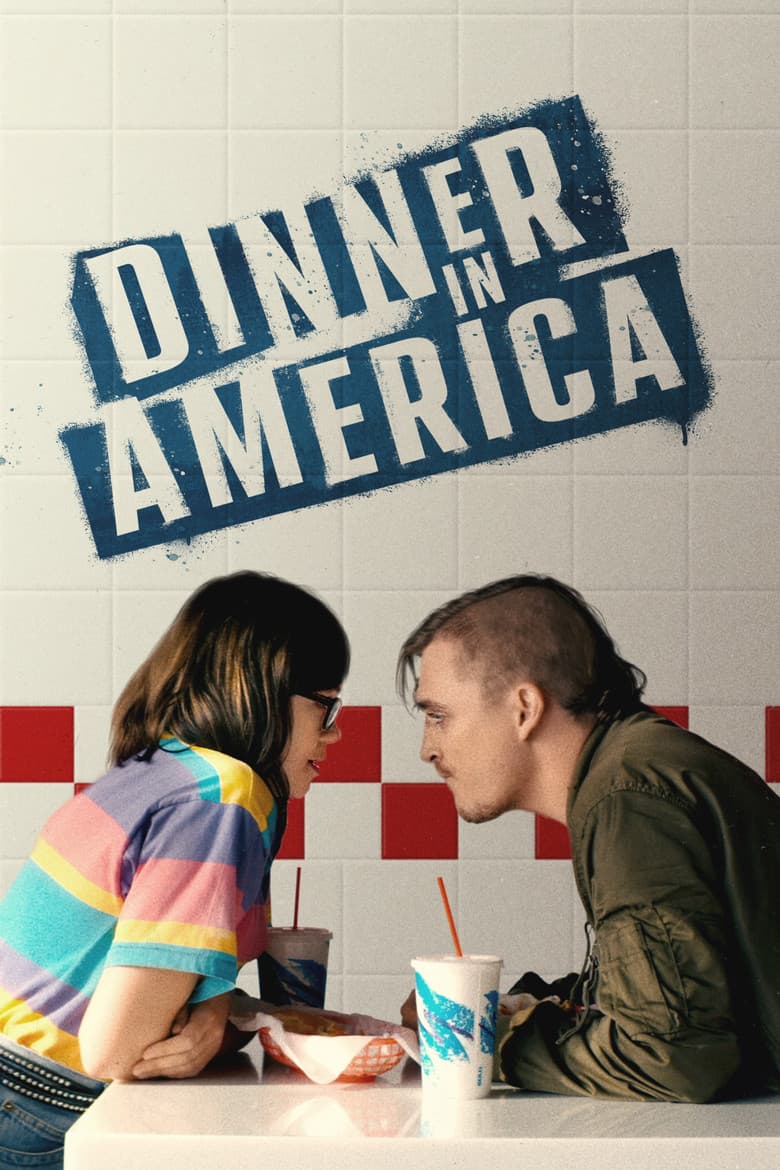
Movie · 2020
An on-the-lam punk rocker and a young woman obsessed with a local band go on an unexpected and epic journey together through the decaying suburbs of the American Midwest.
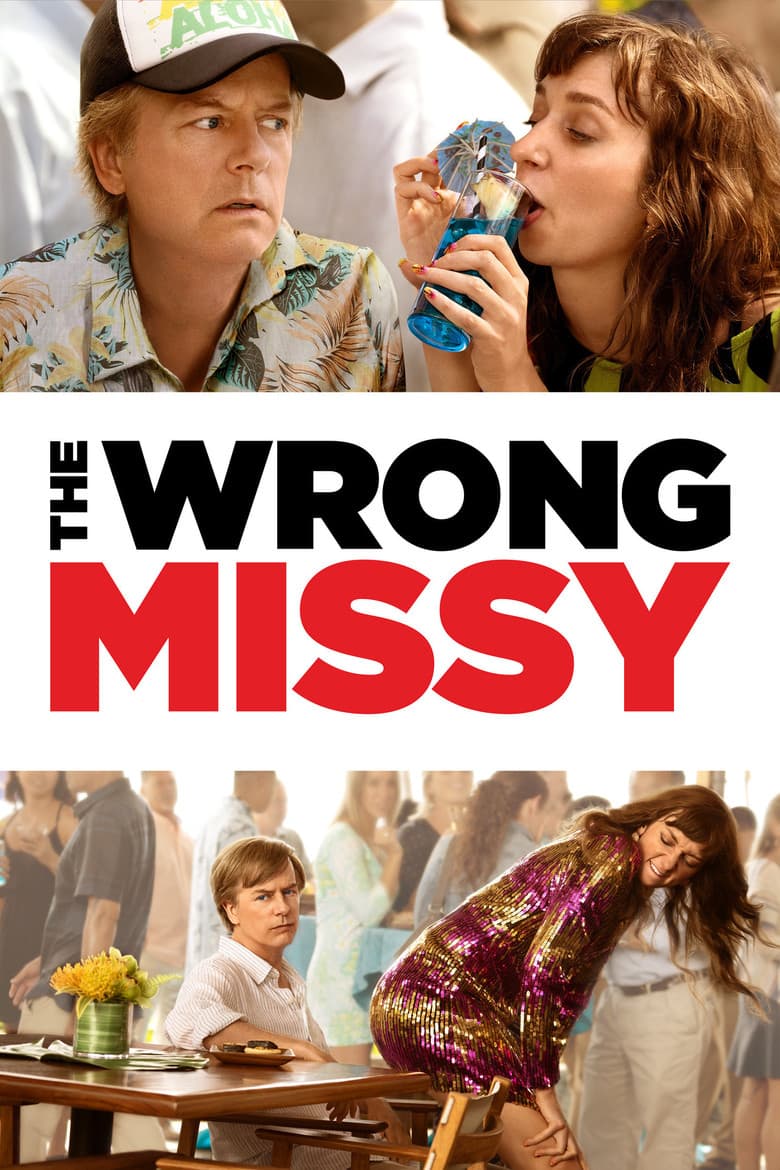
Movie · 2020
A guy meets the woman of his dreams and invites her to his company's corporate retreat, but realizes he sent the invite to the wrong person.
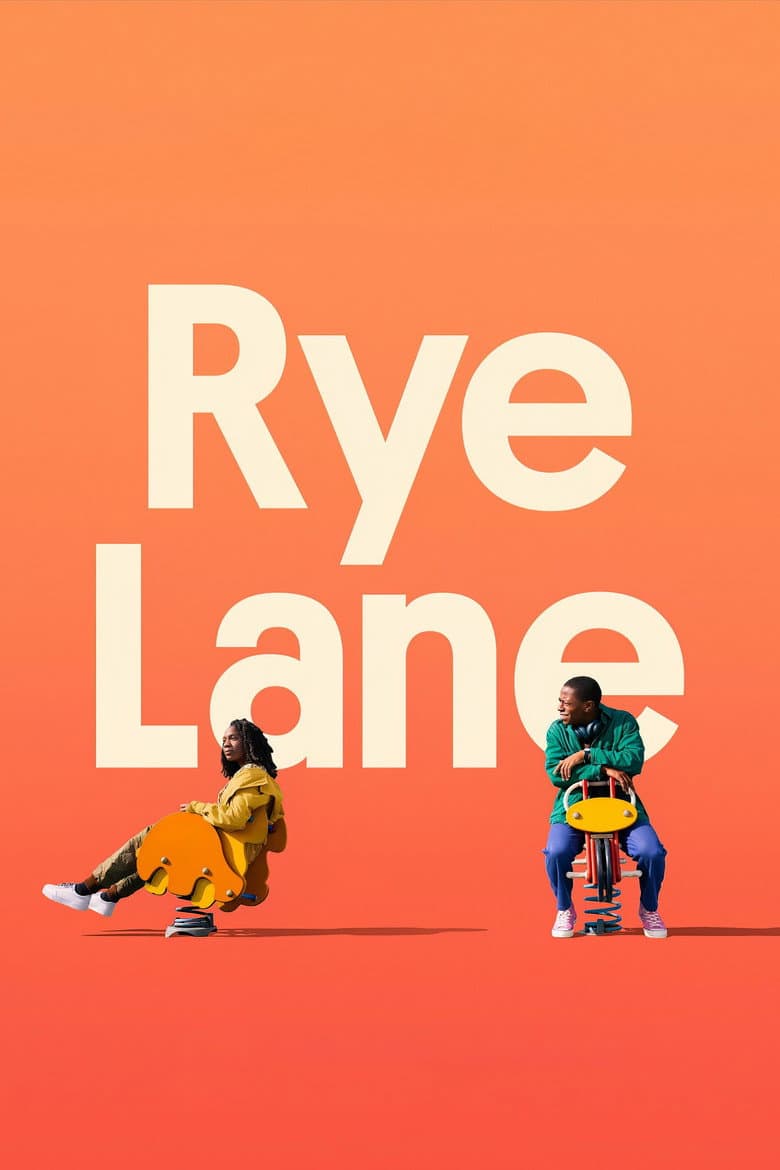
Movie · 2023
Two twenty-somethings, both reeling from bad break-ups, connect over the course of an eventful day in South London – helping each other deal with their nightmare exes, and…

Movie · 2023
After a disastrous first date, wild-child Nicole and socially-anxious Max vow to lose each other’s numbers until they learn that their dogs found a love match, and now puppies are…
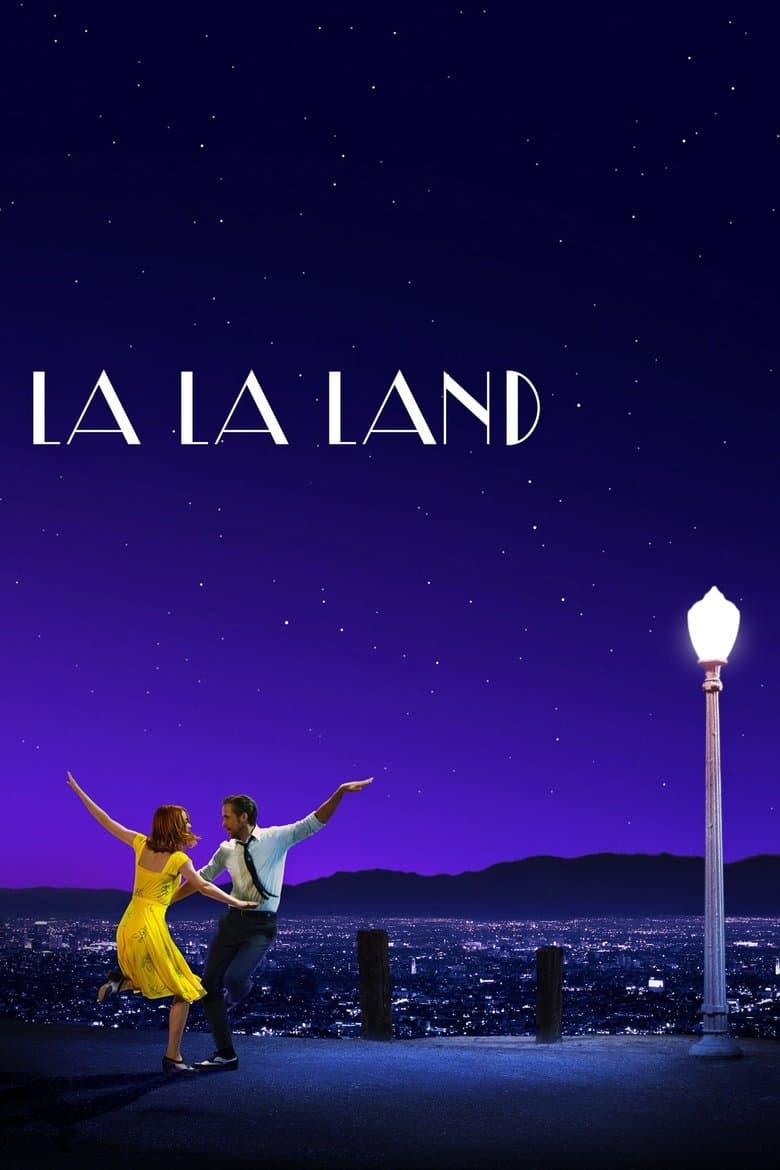
Movie · 2016
Mia, an aspiring actress, serves lattes to movie stars in between auditions and Sebastian, a jazz musician, scrapes by playing cocktail party gigs in dingy bars, but as success…
