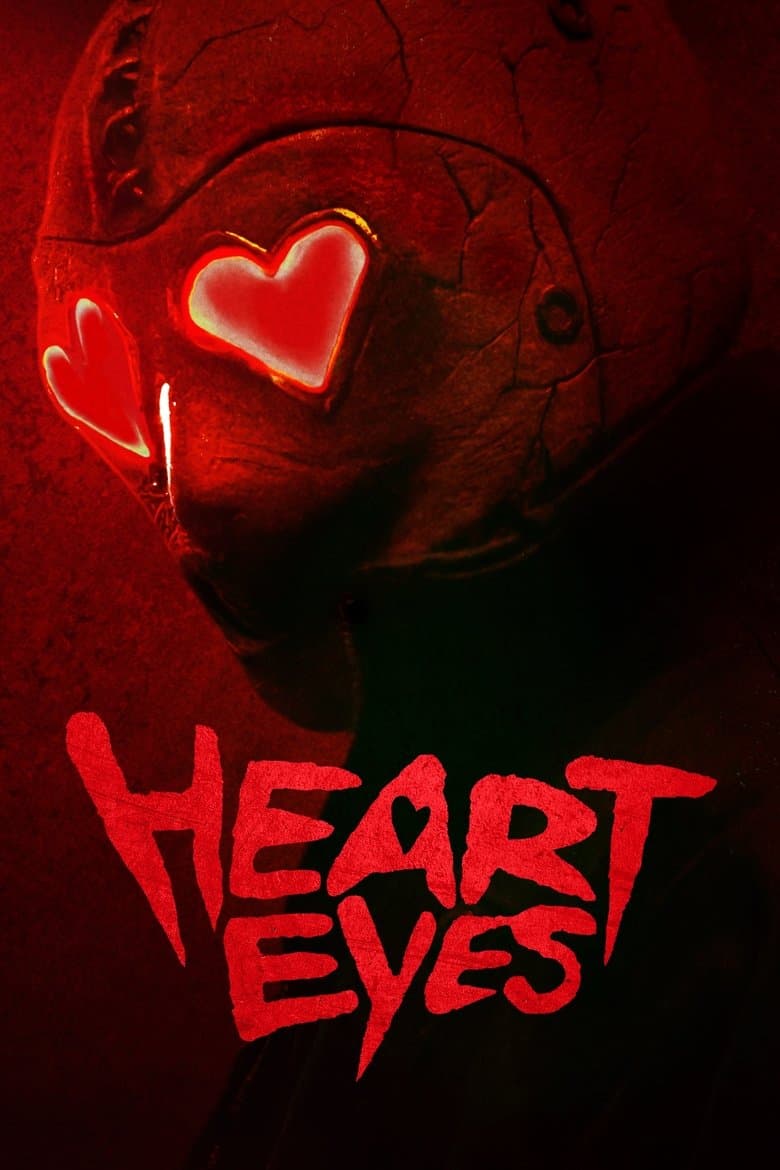
Ally McCabe is an advertising worker in Seattle who is still hurt by a recent breakup. On Valentine's Day, her boss pairs her with Jay Simmonds, a skilled designer, to fix a failing ad campaign. A masked killer called Heart Eyes attacks couples and mistakes the two co-workers for a new romance. Ally and Jay must run, fight back, and decide whether their growing feelings are real. The film mixes bloody slasher violence with jokes and a fast romantic story.
The movie shows a gay couple, a biracial lesbian couple, and a three-person relationship among the side characters. The main love story still follows Ally and Jay, so queer content remains brief and secondary. The film also makes fun of staged romance, public displays of affection, and a bitter single cop who is called an incel. These ideas give the story a mild identity-driven and cultural-critique edge, but they do not replace the simple horror and romance plot.
Community feedback
Was our 36% Woke rating accurate?
Breakdown
These are the editorial factors and ratings behind our score for Heart Eyes.
Woke representation / casting
Ally and Jay form a mixed-race central couple, with a white woman and a black man. The film also gives visible roles to Latina, Asian, and queer side characters, including same-sex couples. These choices are audience-visible, but the story is set in modern Seattle and the film does not present them as a diversity campaign. The pattern is noticeable but not strong enough for a high score.
22%
Woke political dialogue
Not present. The characters do not give speeches about politics, activism, DEI, or social systems. The word “incel” appears as a horror-comedy insult, not as a political argument.
0%
Identity-driven story themes
The film briefly shows a gay couple, a biracial lesbian couple, and a three-person relationship. The main story follows Ally and Jay, a man and a woman who fall in love while escaping the killer. The script also says that people can be fine alone and mocks the pressure to display a perfect romance. These ideas recur in side scenes, but they stay below the main horror and romance plot.
35%
Western institutional / cultural critique
The movie mocks a bitter single police officer and labels the imagined killer an “incel virgin troll.” It also mocks staged proposals, public displays of affection, and the pressure to prove that a relationship is perfect. The police are clumsy, but the film treats them as comic slasher characters rather than attacking police as an institution. The criticism of dating culture and male resentment is clear, but it stays light.
30%
Woke character or canon changes
Not relevant. The movie is an original story about the Heart Eyes Killer. It does not change an established character, canon, or real historical figure.
0%
Anti-woke backlash and complaints
A tiny right-leaning X account called the movie woke and told people not to watch it. The post had about 100 followers and one like. Searches found no larger campaign or repeated complaints about race, gender, feminism, or LGBT content.
8%
Creator track record context
Michael Kennedy has a documented record of building queer representation into his films. Josh Ruben has supported #MeToo and made a film that examines male insecurity, privilege, and sexism. Mary Vernieu has spoken about the need for representation, while the other listed creators are mainly genre writers and producers. This is moderate supporting context, and it matches the film's side LGBTQ content more than its main plot.
34%
Production
Movie · 2022
Legendary rock band Foo Fighters move into an Encino mansion steeped in grisly rock and roll history to record their much anticipated 10th album.
Movie · 2019
Columbus, Tallahassee, Wichita, and Little Rock move to the American heartland as they face off against evolved zombies, fellow survivors, and the growing pains of the snarky…
Movie · 2023
Two twenty-somethings, both reeling from bad break-ups, connect over the course of an eventful day in South London – helping each other deal with their nightmare exes, and…
Movie · 2017
When Cole stays up past his bedtime, he discovers that his hot babysitter is part of a Satanic cult that will stop at nothing to keep him quiet.
Movie · 2025
When twin brothers find a mysterious wind-up monkey, a series of outrageous deaths tear their family apart. Twenty-five years later, the monkey begins a new killing spree forcing…
Movie · 2019
Standing on the precipice of adulthood, a group of friends navigate new relationships, while reexamining others, during their final summer before college.
Movie · 2023
On the brink of losing her childhood home, Maddie discovers an intriguing job listing: wealthy helicopter parents looking for someone to “date” their introverted 19-year-old son…
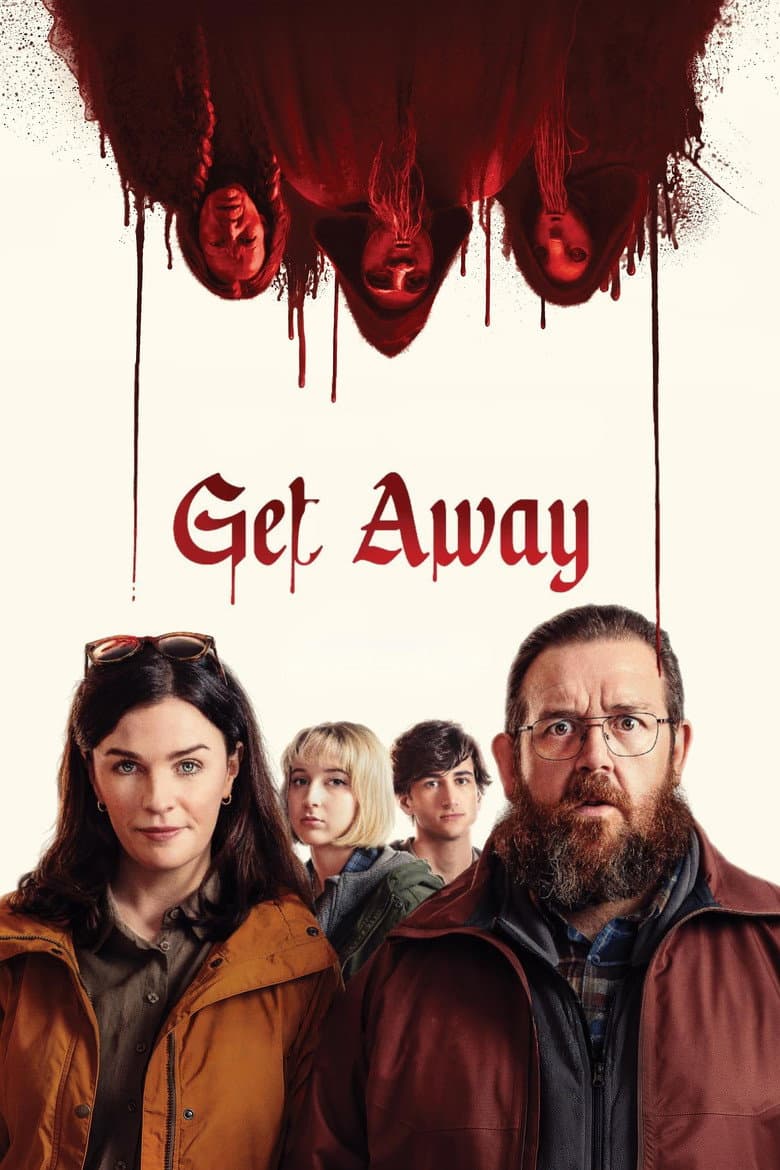
Movie · 2024
A family's vacation to a remote getaway takes an unexpected turn when they discover the present-day implications of the island's cannibalistic past.
