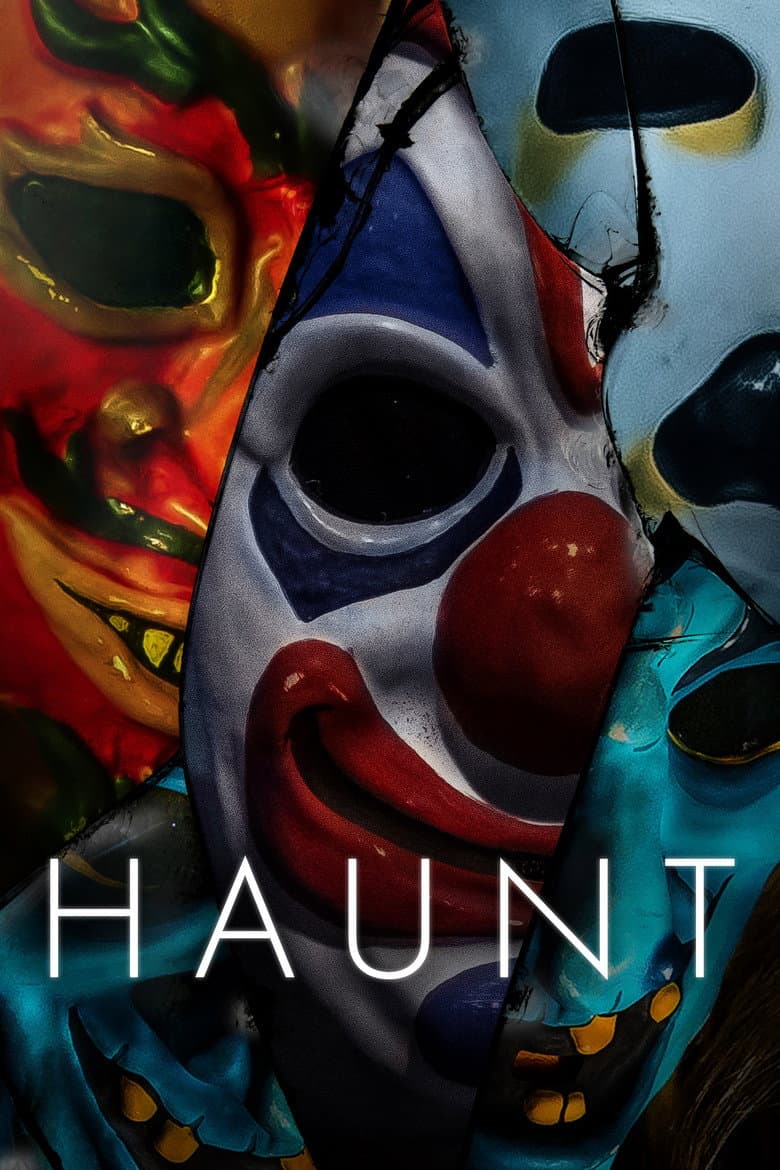
Harper is a quiet college student who has been hurt by her boyfriend and still carries fear from her violent father. On Halloween, her friends take her to a remote haunted house in Illinois, where the workers turn staged scares into real murder. Harper and the few friends left alive must solve traps, fight masked killers, and find a way out. The film plays as a dark, bloody slasher built around fear, survival, and hidden faces.
Harper’s path from hiding to fighting back gives the story a clear female empowerment theme. Her memories of hiding under a bed while her father hurt her mother return when a killer traps her in a child’s room. She uses that memory to stop acting helpless, save herself, and later prepare a deadly trap for the last attacker. The theme stays tied to one woman’s abuse and survival, while the larger movie remains focused on the haunted-house chase.
Community feedback
Was our 30% Woke rating accurate?
Breakdown
These are the editorial factors and ratings behind our score for Haunt.
Woke representation / casting
The six-person friend group includes a black woman and a South Asian woman in noticeable supporting roles, alongside a white female lead and two white men. Harper becomes the main fighter and survivor. Katie Stevens framed Harper’s path as female empowerment and a woman saving herself. The film does not make race part of the plot, so the representation signal is noticeable but not central.
27%
Woke political dialogue
Not present. The characters do not discuss politics, activism, race politics, or other public issues.
0%
Identity-driven story themes
Harper’s abuse by her father and boyfriend returns in the opening, her memories, and the final fight. The haunted-house bedroom copies the place where she hid as a child. Harper turns that fear into action, saves herself, and sets the last trap. Her female empowerment arc matters across the film, but the main plot is still survival horror.
38%
Western institutional / cultural critique
The film shows a repeated pattern of abusive men in Harper’s life through her father and boyfriend. Harper’s fear of those men becomes part of her fight against the killers. Nathan is helpful and brave, and a woman is among the killers, so the story does not condemn men as a group. The criticism stays focused on personal abuse rather than family, faith, or Western culture.
24%
Woke character or canon changes
Not relevant. Haunt is an original story with no known source characters or historical people to change.
0%
Anti-woke backlash and complaints
Not present. Some viewers disliked Harper’s sudden rise into a fighter, but they treated it as weak writing rather than a woke or DEI agenda.
0%
Creator track record context
Scott Beck and Bryan Woods each have a cached score of 6/100 and no known activist pattern. The other cached crew scores are also low. Eli Roth has a cached score of 5/100 and has mocked social-justice activism in earlier work. The creators add very little woke context.
6%
Production

Movie · 2025
A collection of Halloween-themed videotapes unleashes a series of twisted, blood-soaked tales, turning trick-or-treat into a struggle for survival.
Movie · 2026
After a catastrophic military disaster reanimates the dead, Ava searches for her missing husband amidst an increasingly hostile world.
Movie · 2016
A deaf woman is stalked by a psychotic killer in her secluded home.
Movie · 2018
Laurie Strode comes to her final confrontation with Michael Myers, the masked figure who has haunted her since she narrowly escaped his killing spree on Halloween night four…
Movie · 2025
Two parents enter a race against time when they receive a distressing late-night phone call from their daughter after she caused a tragic car accident.

Movie · 2024
Nothing is what it seems when a twisted one-night stand spirals into a serial killer’s vicious murder spree.

Movie · 2018
Two sisters are trapped under the fiberglass cover of an Olympic sized public pool and must brave the cold and each other to survive the harrowing night.
Movie · 2023
During a stormy night in the Scottish Highlands, two criminal brothers on the run seek refuge in a desolate farmhouse.
