Movie review
July 26, 2022 · 88 min · PG-13 · Sci-Fi · Animation · Action
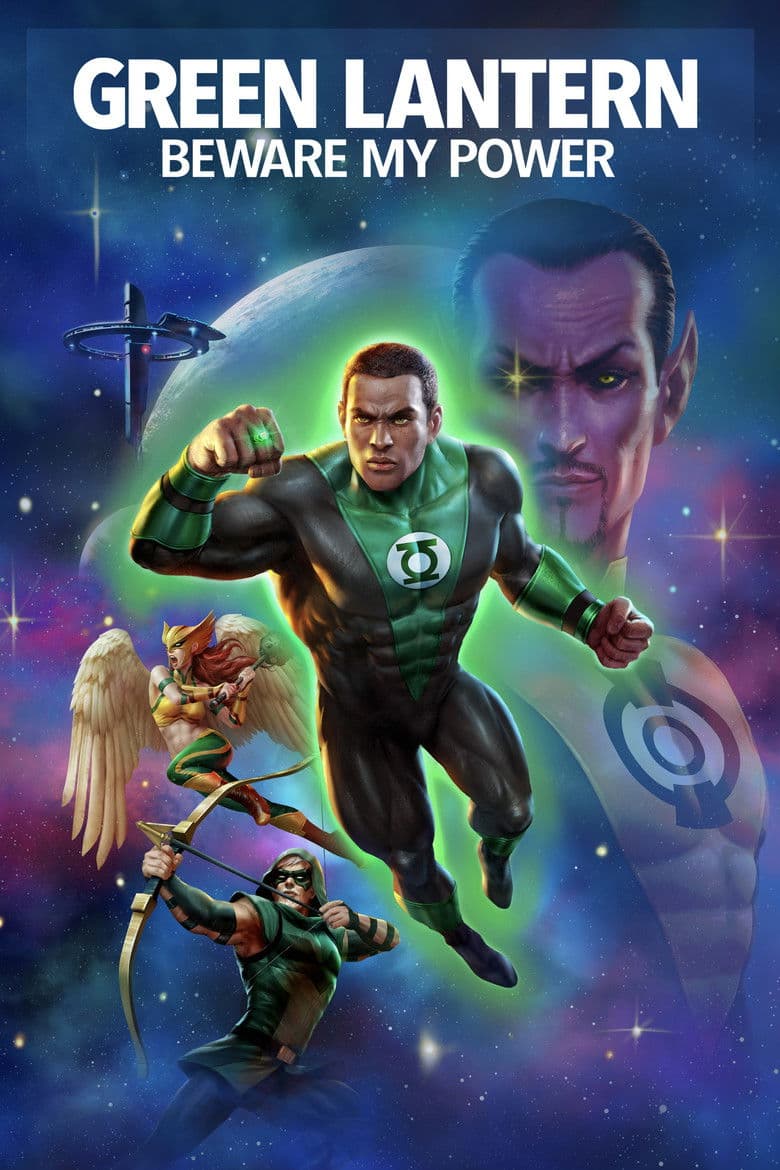
John Stewart is a former Marine sniper who cannot settle into civilian life after a hard tour in Afghanistan. A dying alien's ring chooses him as Earth's new Green Lantern and pulls him into a war between Rann and Thanagar. Green Arrow, Hawkgirl, and Adam Strange help him search for the truth after the Green Lantern Corps is wiped out. The movie has a dark and violent space-adventure tone, with John's war memories and fear of killing shaping his path.
John is a skilled black hero who leads the story, while Vixen appears briefly and Hawkgirl becomes a major female warrior on his team. His race is not changed from the comics, and the story does not turn his black identity into a plot or speech. Hawkgirl is powerful, but she is also angry, quick to attack, and often wrong, so the movie does not present her as perfect. The main themes are trauma, duty, revenge, false blame, and the cost of war, while modern identity politics stays outside the main plot.
Community feedback
Was our 35% Woke rating accurate?
Breakdown
These are the editorial factors and ratings behind our score for Green Lantern: Beware My Power.
Woke representation / casting
John Stewart is a skilled Black Marine and the main Green Lantern. Hawkgirl is a powerful female soldier in the main team, and Black heroine Vixen appears at the Watchtower. John has been black in the comics since 1971, so his race is not changed here. The filmmakers still presented his lead role as progress for black representation, which makes the identity aim clear outside the plot.
42%
Woke political dialogue
Not present. The heroes discuss war, revenge, and killing in plain story terms. They do not make speeches about modern race, gender, parties, or activism.
0%
Identity-driven story themes
Not present. John's black identity never becomes a conflict, lesson, or character arc. The story follows his war trauma and new duty instead.
0%
Western institutional / cultural critique
Not present. The movie treats military service with respect and does not attack Western family, faith, or gender roles. Its warning about endless war is broad science fiction, not a modern attack on Western culture.
0%
Woke character or canon changes
The film gives John Stewart major parts of Kyle Rayner's role from the Emerald Twilight era. John receives Hal's ring after the Corps falls, faces a Hal taken over by Parallax, and sends rings out to rebuild the Corps. Hal dies while John becomes Earth's main Green Lantern. Co-writer Semper linked the choice to center a strong black hero with his wider representation goal, though he did not say race caused every plot change.
38%
Anti-woke backlash and complaints
A few later fan posts said DC used John to make Green Lantern look more diverse and treated him like a quota choice. Those claims tied the movie's focus on a black hero to Hal being pushed aside. Most negative reaction instead attacked the borrowed plot, Hal's death, and weak pacing. The anti-woke part was small and weak.
10%
Creator track record context
Co-writer John Semper Jr. has the strongest identity-focused history in the main team, with a cached score of 58. Co-writer Ernie Altbacker has a milder score of 25. Director Jeff Wamester, casting director Wes Gleason, and the listed producers score from 3 to 10. The mix gives some support for a representation-first choice, but it does not show a strong team-wide pattern.
23%
Production
Movie · 2024
An endless army of shadow demons bent on the destruction of all reality swarms over our world and all parallel Earths!
Movie · 2022
After discovering he has powers, 11-year-old Jonathan Kent and assassin-turned-Boy-Wonder Damian Wayne must join forces to rescue their fathers (Superman & Batman) and save the…
Movie · 2017
Tara Markov is a girl who has power over earth and stone; she is also more than she seems. Is the newest Teen Titan an ally or a threat?
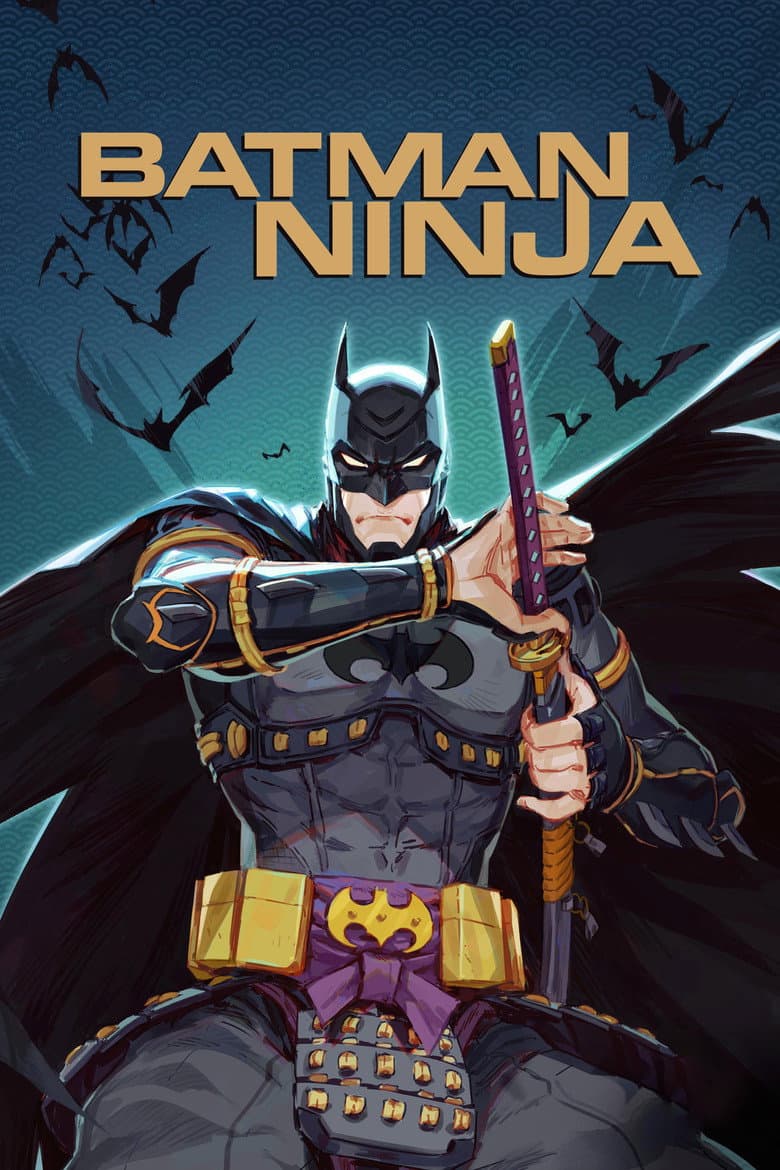
Movie · 2018
Batman, along with many of his allies and adversaries, finds himself transported to feudal Japan by Gorilla Grodd's time displacement machine.
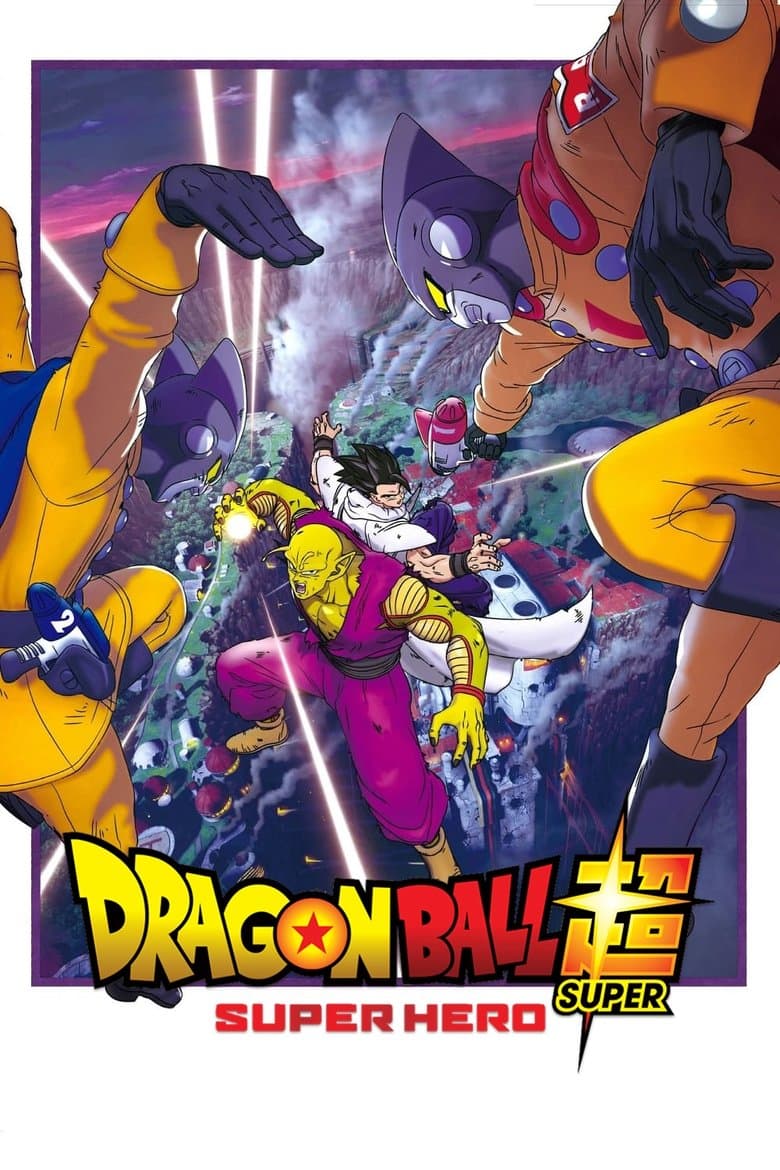
Movie · 2022
The Red Ribbon Army, an evil organization that was once destroyed by Goku in the past, has been reformed by a group of people who have created new and mightier Androids, Gamma 1…
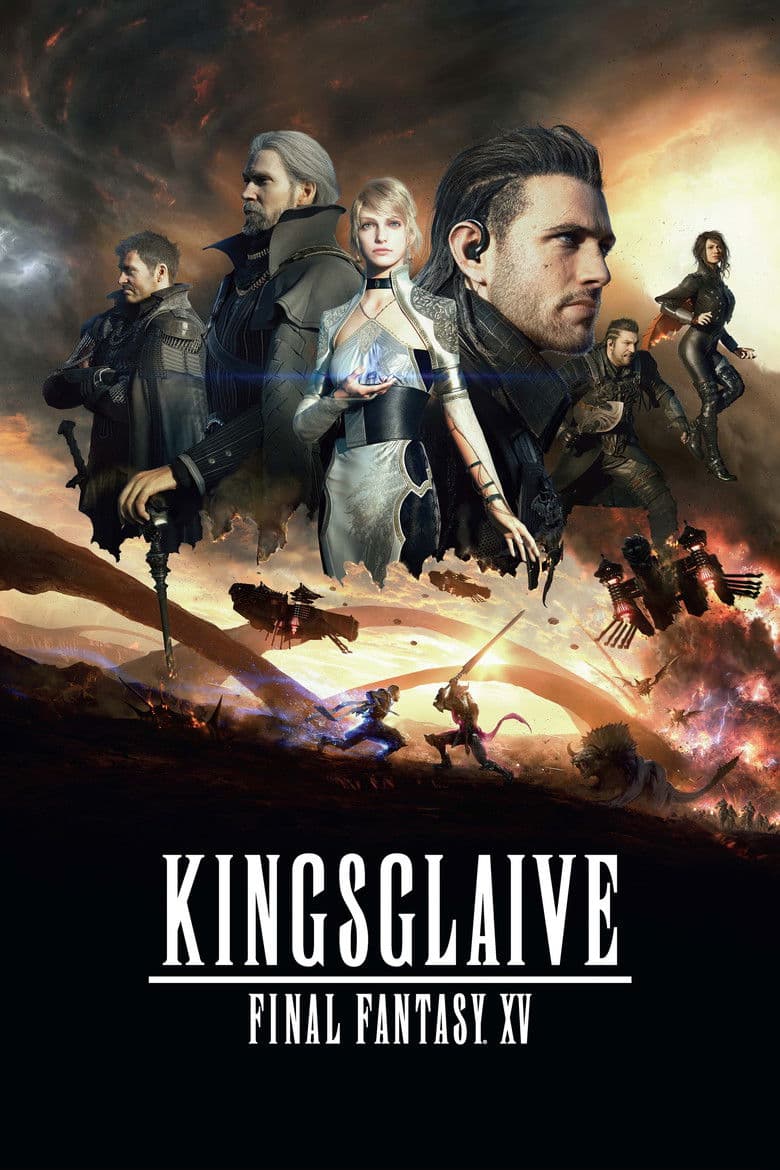
Movie · 2016
The magical kingdom of Lucis is home to the world’s last remaining Crystal, and the menacing empire of Niflheim is determined to steal it.
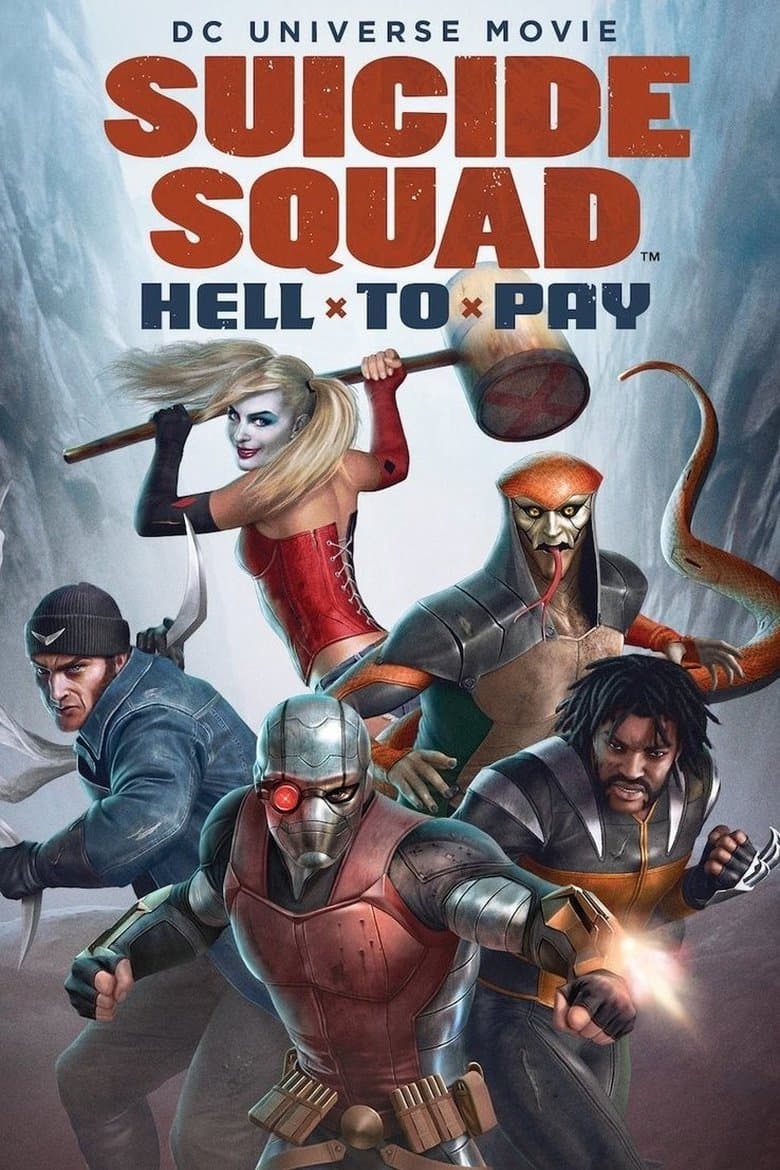
Movie · 2018
Amanda Waller's top-secret "Task Force X" — consisting of Deadshot, Bronze Tiger, Killer Frost, Captain Boomerang, Harley Quinn, and Copperhead — is on a mission to retrieve a…
Movie · 2016
After being brutally murdered in a subway station, a teen boy awakens to find himself resurrected by a strange computer named Gantz, and forced to fight a large force of invading…
