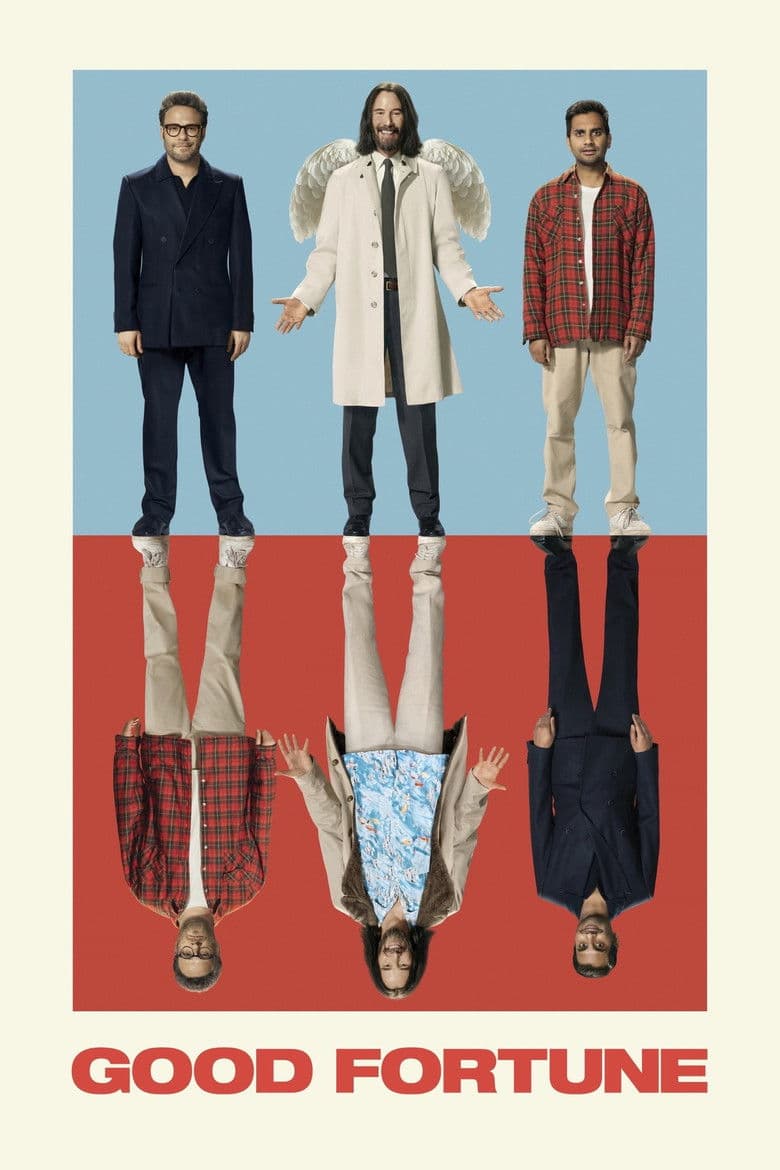
Good Fortune is a supernatural comedy movie set in modern-day Los Angeles. The story follows a struggling gig worker named Arj who lives in his car and barely makes ends meet. A clumsy guardian angel named Gabriel notices Arj's suffering and decides to help. Gabriel swaps Arj's life with his wealthy boss, Jeff, to show him that money does not buy happiness. However, the plan goes wrong when Arj loves his new rich life and refuses to swap back, causing Gabriel to lose his wings and live as a mortal. The movie features noticeable social-justice themes that a normal viewer will quickly pick up on. It presents a strong anti-capitalist message by satirizing wealthy tech billionaires and framing the American Dream as dead. Additionally, a prominent female character named Elena acts as a moral compass while trying to organize a labor union. The film includes activist dialogue about class struggles and systemic financial inequality.
Community feedback
Was our 51% Woke rating accurate?
Breakdown
These are the editorial factors and ratings behind our score for Good Fortune.
Woke representation / casting
The film casts several diverse actors in prominent roles, including Aziz Ansari, Keke Palmer, and Sandra Oh. Keke Palmer plays Elena, a strong-willed, highly competent, union-organizing working-class woman who acts as the story's moral compass. Sandra Oh plays a divine angel boss. While the modern Los Angeles setting fits a diverse cast, these character roles and casting patterns align with Hollywood's modern representation priorities.
35%
Woke political dialogue
The script contains noticeable dialogue critiquing the modern economy. Characters openly discuss how the gig economy is rigged, declare that the American Dream is dead, and complain about the traps of student debt. Elena also delivers direct speeches about organizing workers to stand up against corporate greed and employer exploitation.
45%
Identity-driven story themes
The film does not focus on racial, gender, or sexual identity, and it lacks any queer themes. However, it emphasizes classic left-wing themes of class-based struggle and labor rights. The narrative contrasts a struggling minority worker with an oblivious, wealthy tech-bro boss, centering on a labor unionization subplot.
30%
Western institutional / cultural critique
The movie delivers a comedic critique of modern capitalism and the tech industry. It satirizes Silicon Valley culture through Seth Rogen's caricature of a billionaire tech-bro. It also features a non-traditional, corporate-style parody of heaven and angels, though it avoids aggressive anti-Christian hostility.
38%
Woke character or canon changes
Not present in this title.
0%
Anti-woke backlash and complaints
There was no massive, organized anti-woke backlash against the film. However, some online viewers and critics expressed annoyance with its preachy, anti-capitalist framing and the repetitive 'rich billionaire bad' trope, viewing it as an out-of-touch Hollywood sermon on class differences.
15%
Creator track record context
Writer, director, and star Aziz Ansari has a track record score of 45, reflecting his history of exploring representation and systemic issues, balanced by his recent stand-up critiques of online outrage. Co-producer Alan Yang has a score of 35, while the other producers have very low scores.
40%
Production
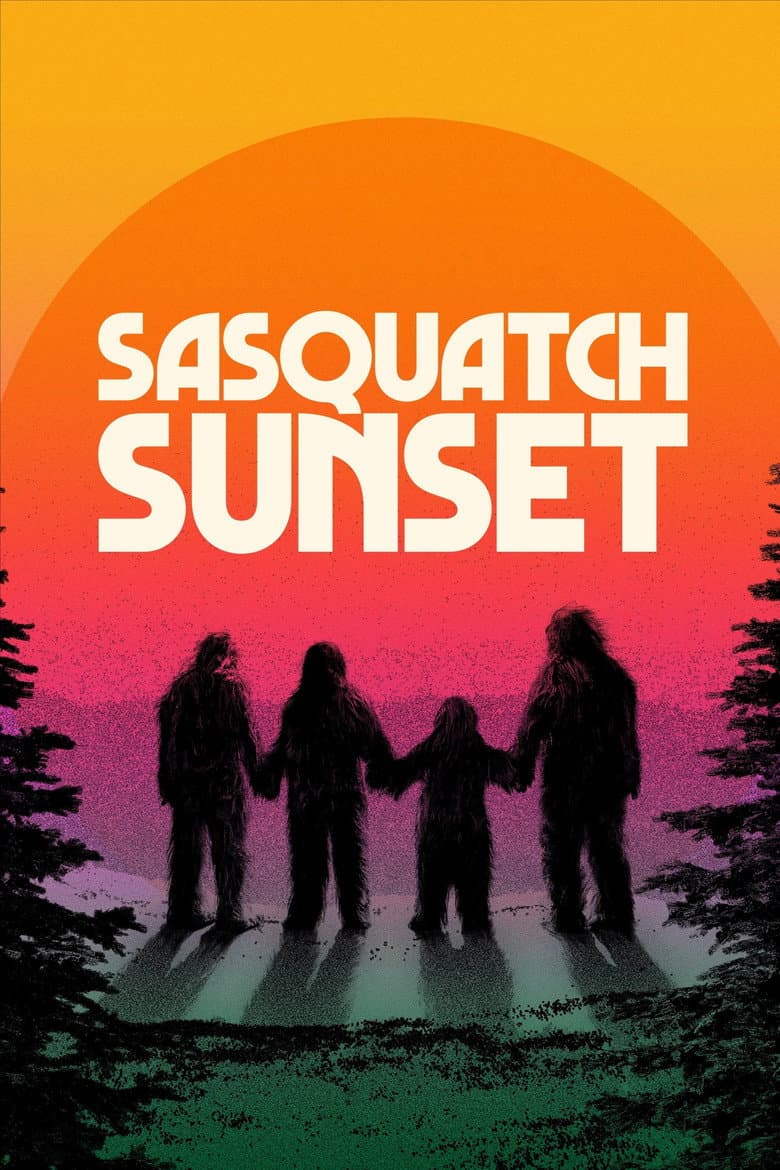
Movie · 2024
In the misty forests of North America, a family of Sasquatches—possibly the last of their enigmatic kind—embark on an absurdist, epic, hilarious, and ultimately poignant journey…

Movie · 2021
Teddy wakes up the morning after his wedding to discover that he's jumped forward a year in his life to his first anniversary.

Movie · 2025
A father and daughter accidentally hit and kill a unicorn while en route to a weekend retreat, where his billionaire boss seeks to exploit the creature’s miraculous curative…
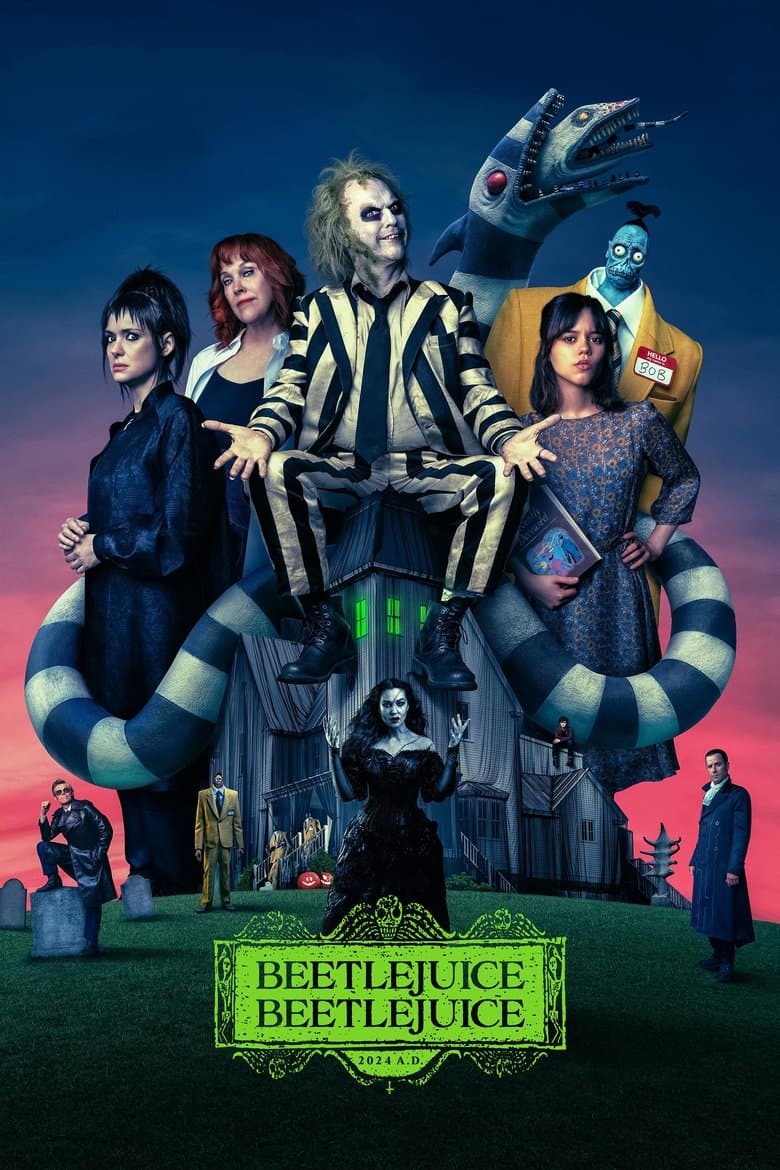
Movie · 2024
After a family tragedy, three generations of the Deetz family return home to Winter River. Still haunted by Betelgeuse, Lydia's life is turned upside down when her teenage…
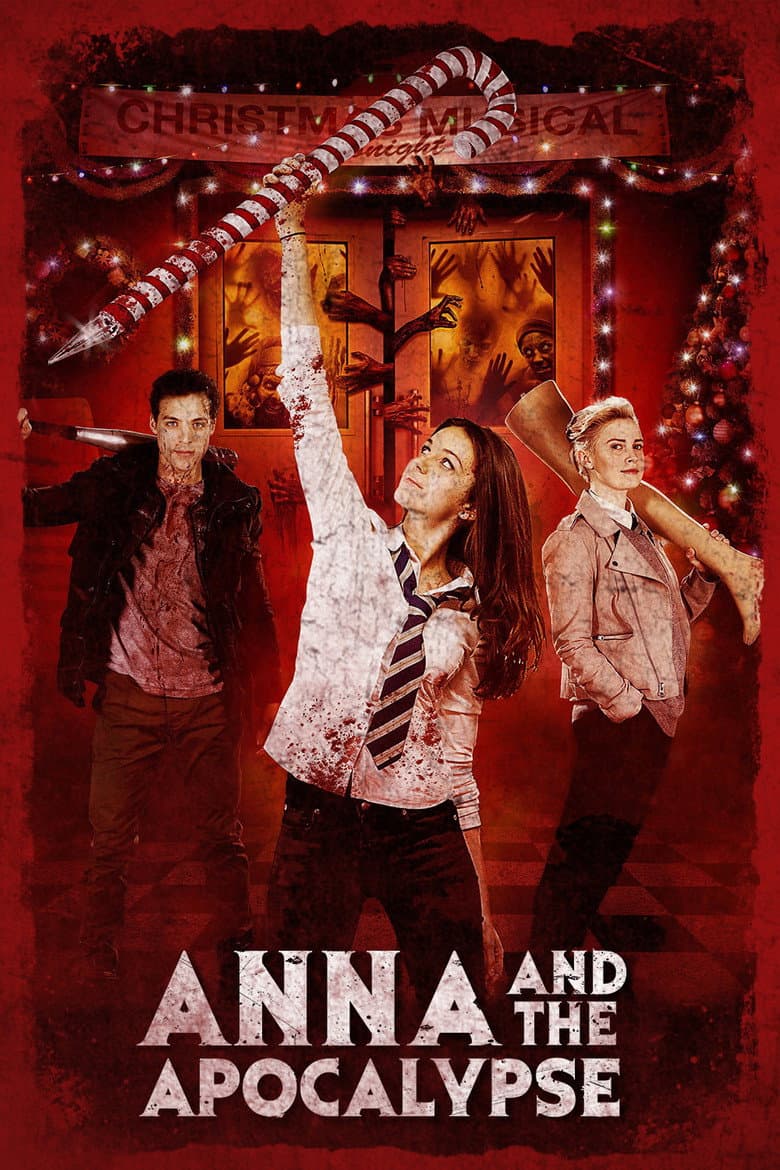
Movie · 2018
A zombie apocalypse threatens the sleepy town of Little Haven—at Christmas—forcing Anna and her friends to fight, slash, and sing their way to survival.
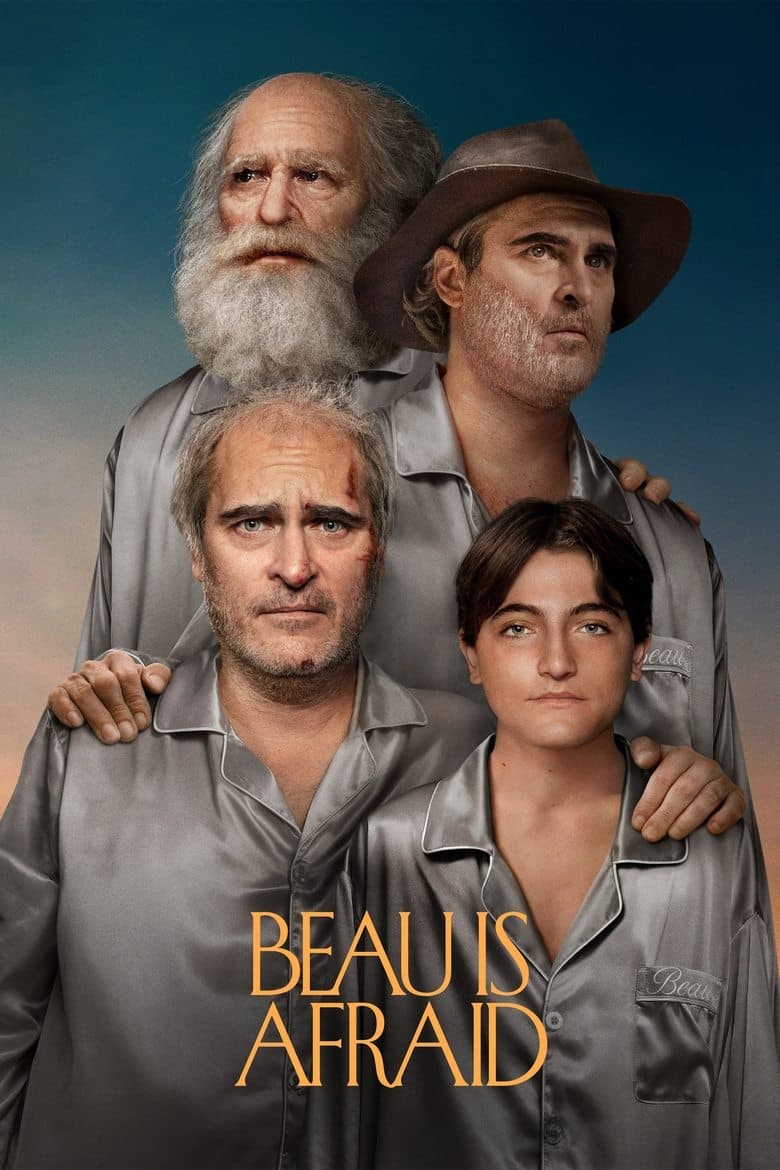
Movie · 2023
Following the sudden death of his mother, a mild-mannered but anxiety-ridden man confronts his darkest fears as he embarks on an epic odyssey back home.

Movie · 2023
Hapless family man Paul Matthews finds his life turned upside down when millions of strangers suddenly start seeing him in their dreams.

Movie · 2022
When a team of mercenaries breaks into a wealthy family compound on Christmas Eve, taking everyone inside hostage, the team isn’t prepared for a surprise combatant: Santa Claus is…
