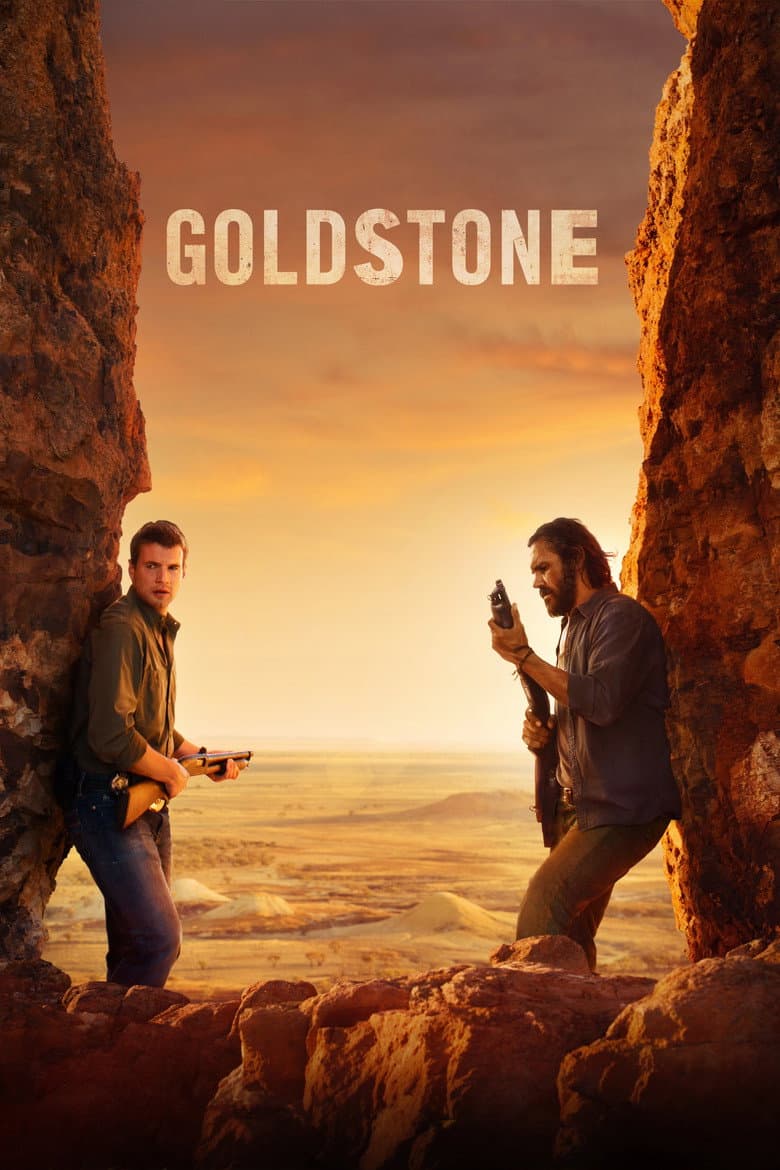
Goldstone follows Jay Swan, an Indigenous detective who arrives drunk and grieving in a small mining town in the Australian outback. He is looking for a missing Chinese woman, but the case leads to a mine, a brothel, a corrupt mayor, and a bribed land council. Jay first clashes with local cop Josh, who has learned to ignore the town’s crimes. The two men slowly work together as the danger grows. The film has a quiet, bleak, and tense crime story tone.
The film makes Indigenous land, cultural loss, and the harm caused by mining central to the story. It presents the mine’s search for profit as a force that damages sacred land and helps drive corruption, trafficking, and violence. Jay’s struggle to recover his family history and belong to his people gives the identity message a central place in the ending. The film also shows Chinese migrants being forced into sex work. These ideas are built into the main case, not added in a short speech.
Community feedback
Was our 71% Woke rating accurate?
Breakdown
These are the editorial factors and ratings behind our score for Goldstone.
Woke representation / casting
Goldstone places Aaron Pedersen, an Aboriginal actor, in the lead role of Jay Swan, an Aboriginal detective. David Gulpilil and Tommy Lewis also play important Aboriginal characters, while Chinese actors play the trafficked women. These choices fit the Australian setting and the story’s focus on Indigenous land. The lead identity still makes representation a clear part of the film’s presentation.
28%
Woke political dialogue
The film repeatedly talks about land approval, sacred sites, and the mine’s effect on the Aboriginal community. Jimmy calls the search for gold a worship of a money god. Characters mention government removal of families, local youth suicides, and the demand that Indigenous people move on. The mining company uses jobs and training language to defend its expansion, while the story shows that promise as dishonest.
48%
Identity-driven story themes
Jay’s case becomes a story about an Indigenous man caught between police law and his own people. The mine tries to take more land and uses money to weaken local resistance. The film links this pressure to older government removals, community deaths, and the loss of culture. Jay ends by recovering his family history and his place on ancestral land. These identity and justice ideas shape the main plot and the ending.
67%
Western institutional / cultural critique
The mine treats land, workers, and trafficked women as tools for profit. The mayor, the local cop, and land council leaders protect the mine or take its money. The story links this present corruption to the taking of Indigenous land and the removal of families by government. It presents money-driven development and official power as forces that fail both the land and its people. This criticism runs through the investigation and final conflict.
60%
Woke character or canon changes
Not relevant. The film is a sequel that returns to the established fictional detective Jay Swan. It does not rewrite a known character, real figure, or source event around race, gender, or sexuality.
0%
Anti-woke backlash and complaints
Not present. The supplied X research found no anti-woke posts or specific complaints. Wider reviews and audience comments mostly discussed pace, crime, and Indigenous themes rather than a woke agenda.
0%
Creator track record context
Sen’s wider work repeatedly centers Indigenous life, land, race relations, and the effects of colonization. David Jowsey and Greer Simpkin have backed many Indigenous-led projects through Bunya Productions. The other cached producers and the casting director show little public record of activist or identity-driven work. The key creative group still has a clear representation-focused pattern because Sen and the main Bunya producers shape the project.
58%
Production
Movie · 2016
A punk rock band is forced to fight for survival after witnessing an act of violence at a skinhead bar.
Movie · 2019
Two policemen, one an old-timer, the other his volatile younger partner, find themselves suspended when a video of their strong-arm tactics becomes the media's cause du jour.

Movie · 2017
A newly-released prison gangster is forced by the leaders of his gang to orchestrate a major crime with a brutal rival gang on the streets of Southern California.

Movie · 2017
Jin-seok, 21-year-old, moves into a new house with his family. He suffers from a slight schizophrenia but he carries an ordinary life under the warm care of the family.

Movie · 2018
Agent Matt Graver teams up with operative Alejandro Gillick to prevent Mexican drug cartels from smuggling terrorists across the United States border.

Movie · 2024
The adoptive son of the Adattu family, Marco, sets off on a ruthless quest for vengeance after his brother is brutally murdered, finding only betrayal, loss and unimaginable…
Movie · 2017
After a botched bank robbery lands his younger brother in prison, Connie Nikas embarks on a twisted odyssey through New York City's underworld to get his brother Nick out of jail.

Movie · 2024
A contract killer, after being diagnosed with a fast-moving form of dementia, is presented with the opportunity to redeem himself by saving the life of his estranged adult son.
