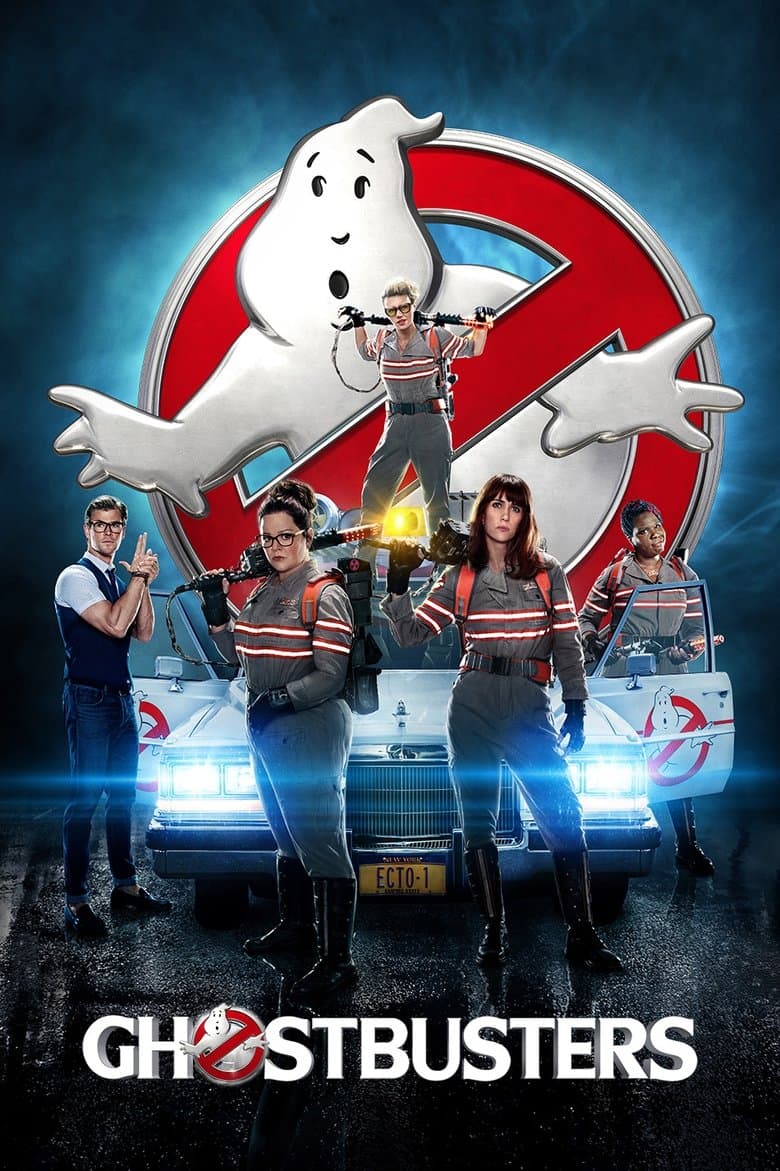
This movie is a soft reboot of the classic Ghostbusters story. Four women form a new team that hunts ghosts in New York. They wear the gear, use the famous tools, and face a big ghost crisis in the city. The original male heroes only show up in short cameos. The main plot still mixes jokes with ghost action and big set pieces.
The film puts female leads in every hero role and treats that choice as central. Men around them are often useless, vain, or hostile. One lead is strongly shown as queer through flirting and manner. The team also reads and laughs at sexist online hate, and a villain mocks them with a sexist line. Female skill and male failure drive much of the comedy and the reboot idea.
Community feedback
Was our 93% Woke rating accurate?
Breakdown
These are the editorial factors and ratings behind our score for Ghostbusters.
Woke representation / casting
The all-female lead team is the film’s defining choice for a franchise long known for four men. It was sold as the female Ghostbusters. Chris Hemsworth plays Kevin as a glamorous but useless male receptionist on purpose. One black lead sits among four heroes, and skilled women fill every main hero role.
86%
Woke political dialogue
Viewers hear clear gender-politics beats. The team reads and mocks sexist YouTube comments. The villain sneers that they shoot like girls. Male academic and authority figures brush the women off. The movie is not full of speeches, but these moments are easy to spot.
45%
Identity-driven story themes
The reboot rests on women proving they can be Ghostbusters while men are useless or in the way. Female skill and male failure power the comedy. Holtzmann is strongly queer-coded, and Feig treated her as gay despite studio caution. Online misogyny is written into the story as something the heroes laugh off.
74%
Western institutional / cultural critique
Schools and city leaders dismiss or use the women. The usual gender order is flipped, with dumb male support and capable female leads. The point is feminist pushback against male gatekeeping more than a wide attack on Western life or faith.
48%
Woke character or canon changes
This soft reboot swaps the original male Ghostbusters idea for an all-female team. New characters take the same brand roles, tools, logo, and big Manhattan ghost fight. Queer Holtzmann is an identity layer the classic core did not have. The change is identity-first, not a neutral retelling.
91%
Anti-woke backlash and complaints
The film became a major culture-war fight. Its trailer era drew huge dislike on YouTube, plus review-bombing and charges of forced feminism. Donald Trump mocked the all-female remake, and “woke Ghostbusters” is still used online. Complaints focus on the gender swap, anti-male jokes, and agenda casting.
94%
Creator track record context
Paul Feig drives the project with female-centered comedies and a strong defense of this cast. He frames backlash as needless outrage. Co-writer Katie Dippold backs inclusivity, and producer Ali Bell is tied to the same reboot. Most other franchise figures score lower, so the creator signal is mid to upper mainly from Feig.
58%
Production

Movie · 2017
Four teenagers in detention discover an old video game console with a game they’ve never heard of. When they decide to play, they are immediately sucked into the jungle world of…
Movie · 2019
A boy is given the ability to become an adult superhero in times of need with a single magic word.
Movie · 2021
When single mom Callie and her two kids Trevor and Phoebe arrive in a small Oklahoma town, they begin to discover their connection to the original Ghostbusters and the secret…
Movie · 2022
When a team of mercenaries breaks into a wealthy family compound on Christmas Eve, taking everyone inside hostage, the team isn’t prepared for a surprise combatant: Santa Claus is…
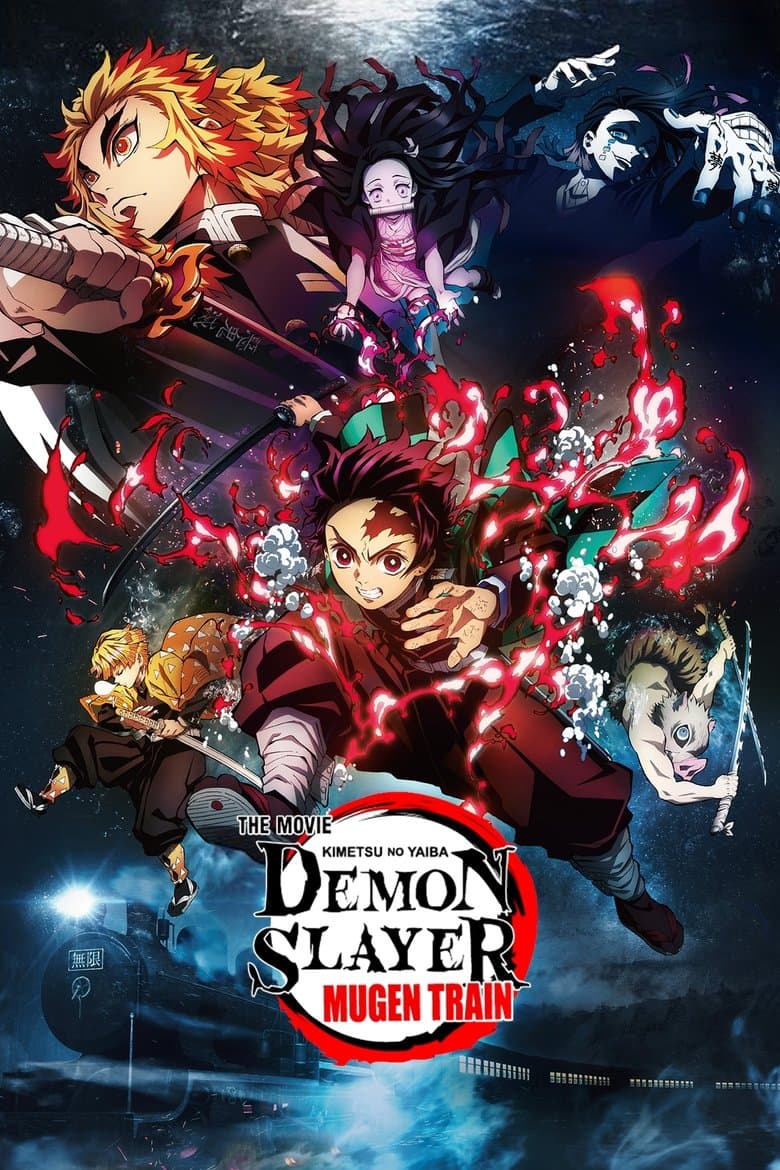
Movie · 2020
Tanjiro Kamado, joined with Inosuke Hashibira, a boy raised by boars who wears a boar's head, and Zenitsu Agatsuma, a scared boy who reveals his true power when he sleeps, boards…
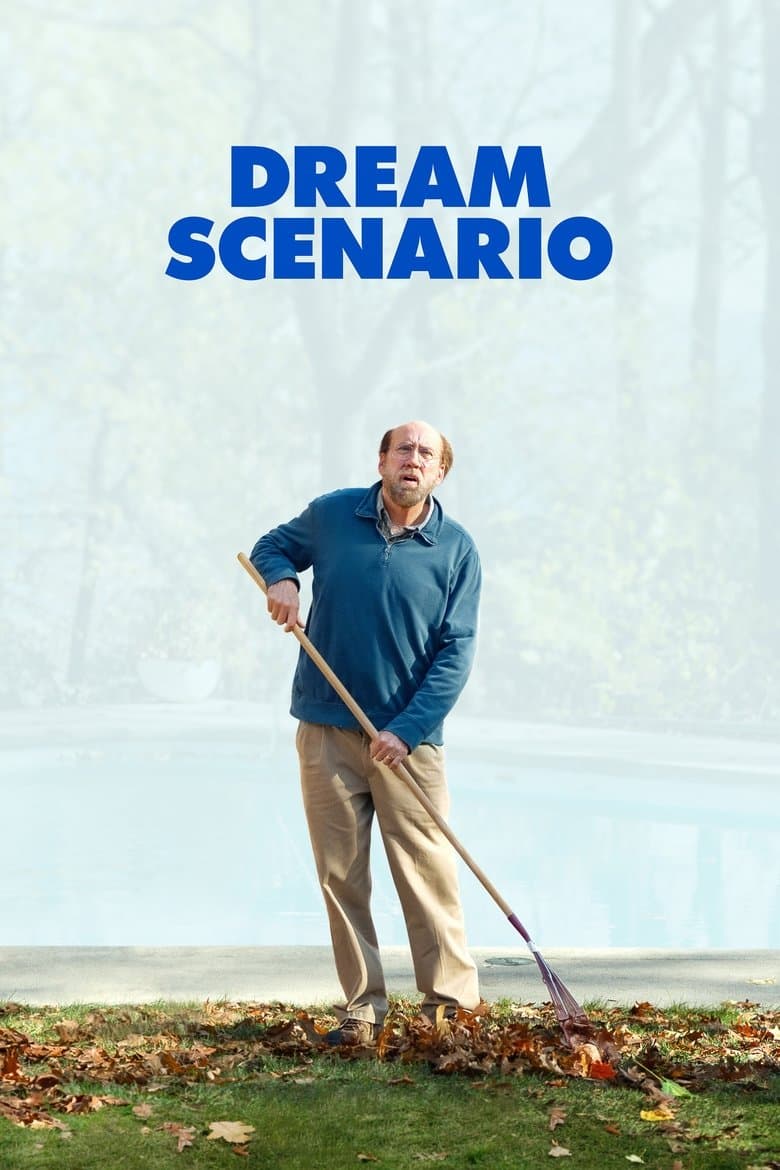
Movie · 2023
Hapless family man Paul Matthews finds his life turned upside down when millions of strangers suddenly start seeing him in their dreams.
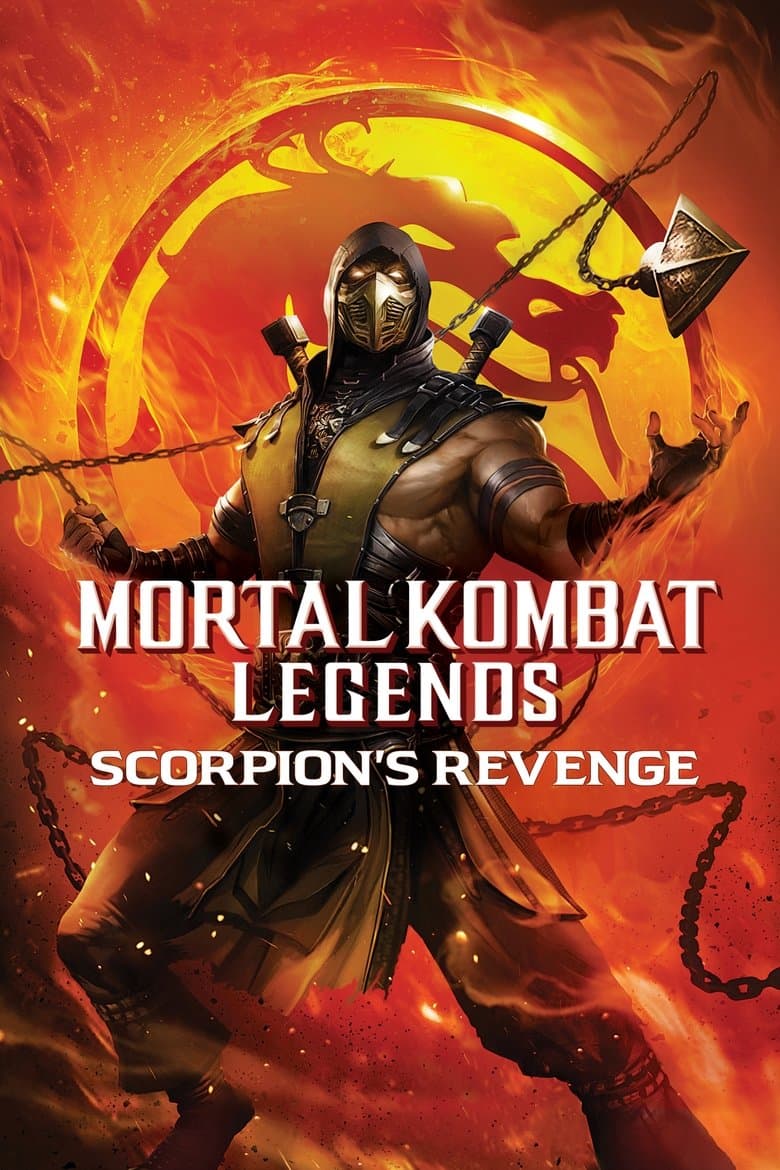
Movie · 2020
After the vicious slaughter of his family by stone-cold mercenary Sub-Zero, Hanzo Hasashi is exiled to the torturous Netherrealm.
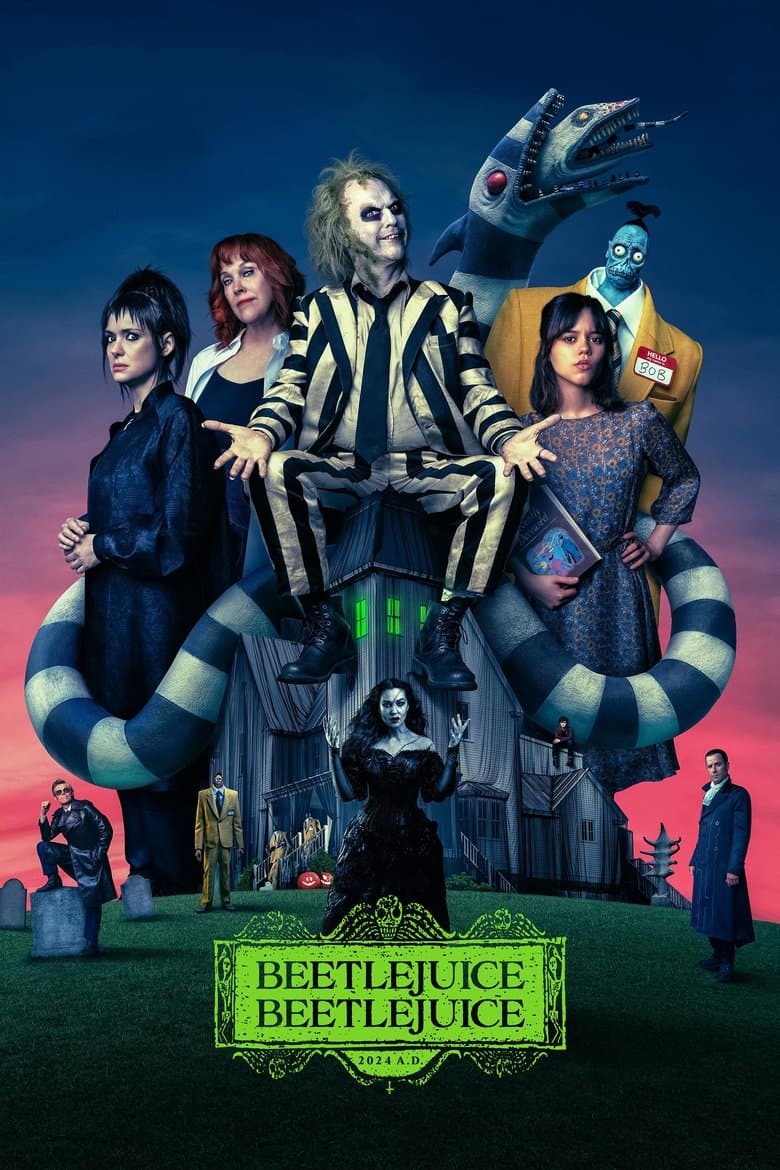
Movie · 2024
After a family tragedy, three generations of the Deetz family return home to Winter River. Still haunted by Betelgeuse, Lydia's life is turned upside down when her teenage…
