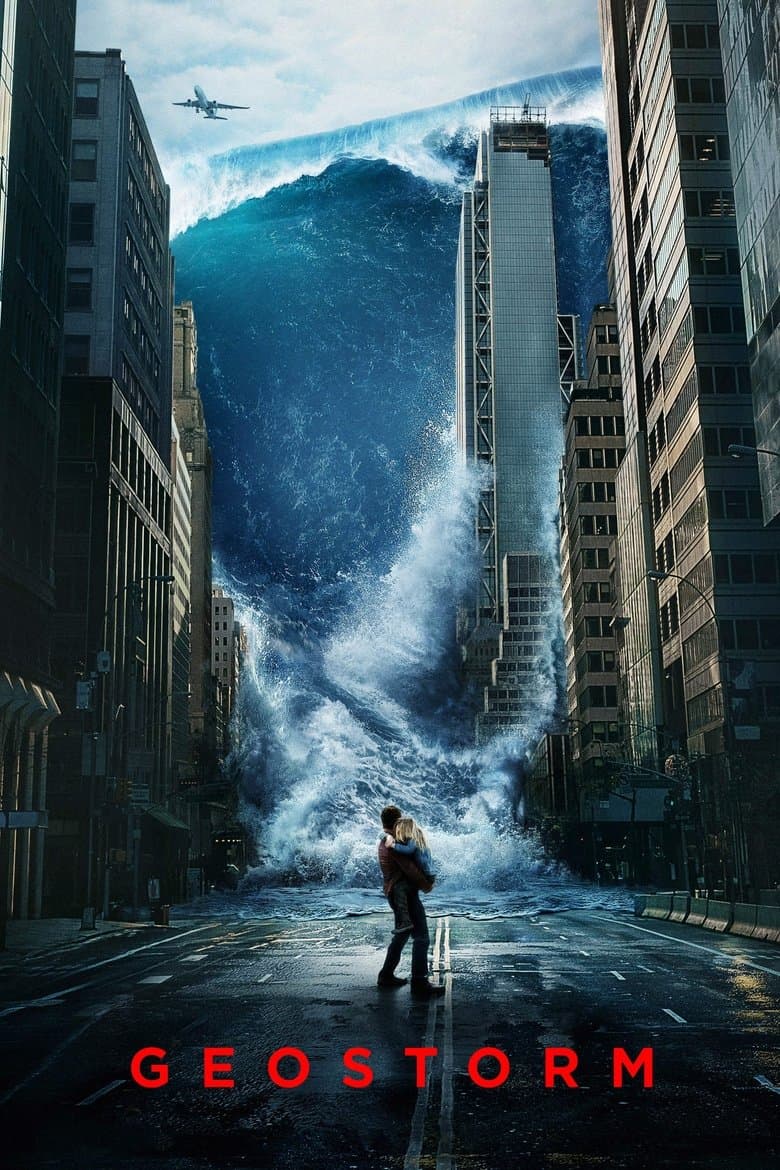
Geostorm is an action sci-fi disaster thriller about Dutch Boy, a global satellite network built after catastrophic climate disasters to control Earth’s weather. When the system starts killing people with engineered storms, satellite designer Jake Lawson and his brother Max uncover sabotage tied to a United States power struggle. They race to stop a planet-wide geostorm before it can destroy the world. The climate setup and international cooperation mainly stage a conspiracy story full of disaster spectacle. The core arcs are estranged brothers, a government plot, and stopping satellite sabotage.
The film does not center identity politics, representation messaging, or modern activist social-justice themes. Climate change and nations working together act as premise glue for the action rather than stories about race, gender, sexuality, or systemic identity oppression. Opening narration treats catastrophic climate disasters and a global tech fix as given, so soft environmental framing is audible without identity sermons. Multi-national crew casting fits a near-future international climate program, while the leads remain Gerard Butler, Jim Sturgess, and Abbie Cornish. The villain is a power-hungry United States Secretary of State in standard corrupt-official thriller style, not a sustained activist attack on Western culture.
Community feedback
Was our 18% Woke rating accurate?
Breakdown
These are the editorial factors and ratings behind our score for Geostorm.
Woke representation / casting
Multi-national crew and disaster-location casting fit a near-future international climate program. The leads remain Gerard Butler, Jim Sturgess, and Abbie Cornish. There are no race or gender swaps of known figures and no marketing of firsts. Diversity stays light and setting-plausible rather than a girlboss dominance pattern in the hero roles.
10%
Woke political dialogue
Opening narration treats catastrophic climate disasters and a global tech fix as given. Dialogue mainly serves the weather-control plot and a political power struggle. Soft climate framing shows up as mild disaster-movie messaging. It is not DEI talk or identity politics preaching.
18%
Identity-driven story themes
The core arcs are estranged brothers, a government conspiracy, and stopping satellite sabotage. Climate change and nations working together glue the action premise together. They are not stories about race, gender, sexuality, or systemic identity oppression. Environmental caution is present but mild under scoring that treats climate advocacy as a lighter signal than identity-driven themes.
12%
Western institutional / cultural critique
The villain is a power-hungry U.S. Secretary of State weaponizing the satellites. That is standard corrupt-official thriller plotting. There is no sustained attack on Christianity, traditional family, toxic masculinity, or present-day identity framings of Western culture. Institutional distrust stays generic conspiracy rather than activist cultural critique.
10%
Woke character or canon changes
Not relevant. This is an original screenplay with no established characters, literary canon, or historical figures rewritten for identity or DEI reasons.
0%
Anti-woke backlash and complaints
Not present. Contemporary reaction focused on bad writing, effects, and box-office failure. No meaningful anti-woke campaign, race or gender-swap outrage, or sustained DEI or propaganda controversy was found. Scattered environmental-agenda notes in reviews are thin and are not identity-politics backlash.
0%
Creator track record context
Dean Devlin is cached at a mild score with Democratic donations and a climate-fable origin for this film. He has also criticized politicizing entertainment and preferred talent over identity casting. Other listed creatives score low and mild overall. Devlin’s climate framing aligns with the film’s soft environmental premise rather than an identity-activist track record.
15%
Production
Movie · 2016
A special-ops team is dispatched to fight supernatural beings that have taken over a European city.
Movie · 2026
In the near future, a detective stands on trial accused of murdering his wife. He has ninety minutes to prove his innocence to the advanced AI Judge he once championed, before it…
Movie · 2017
“2048: Nowhere to Run” takes place one year before the events of Blade Runner 2049. The short film focuses on Sapper, a man who is trying to make it through life day-by-day…
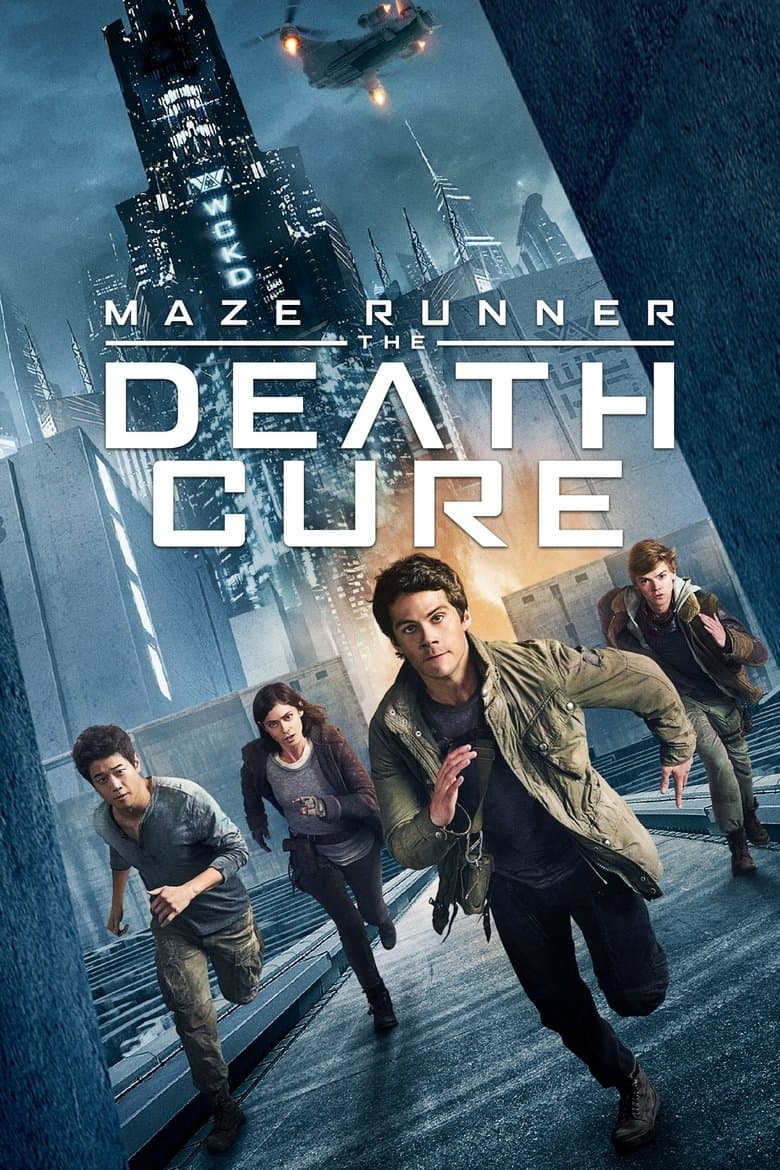
Movie · 2018
Thomas leads his group of escaped Gladers on their final and most dangerous mission yet. To save their friends, they must break into the legendary Last City, a WCKD-controlled…

Movie · 2023
In postwar Japan, Godzilla brings new devastation to an already scorched landscape. With no military intervention or government help in sight, the survivors must join together in…
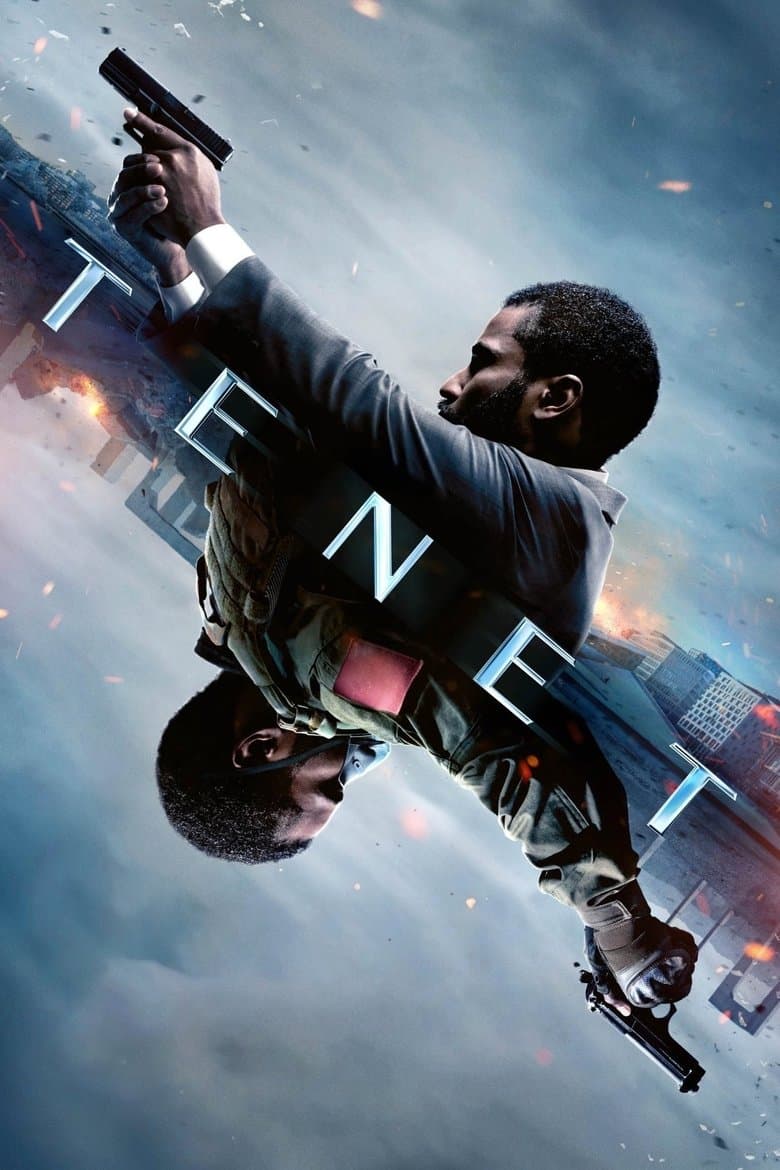
Movie · 2020
Armed with only one word - Tenet - and fighting for the survival of the entire world, the Protagonist journeys through a twilight world of international espionage on a mission…

Movie · 2017
This in-world short film takes place in the year 2036 and revolves around Jared Leto’s character, Niander Wallace.
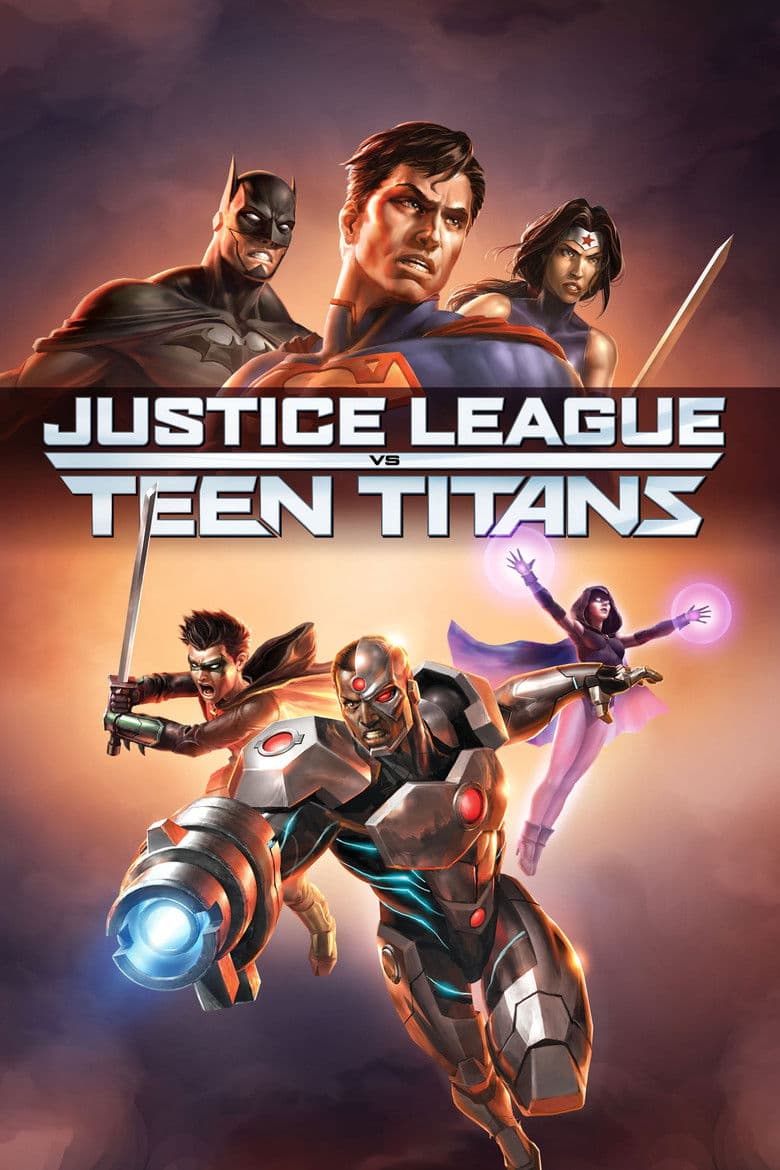
Movie · 2016
Robin is sent by Batman to work with the Teen Titans after his volatile behavior botches up a Justice League mission.
