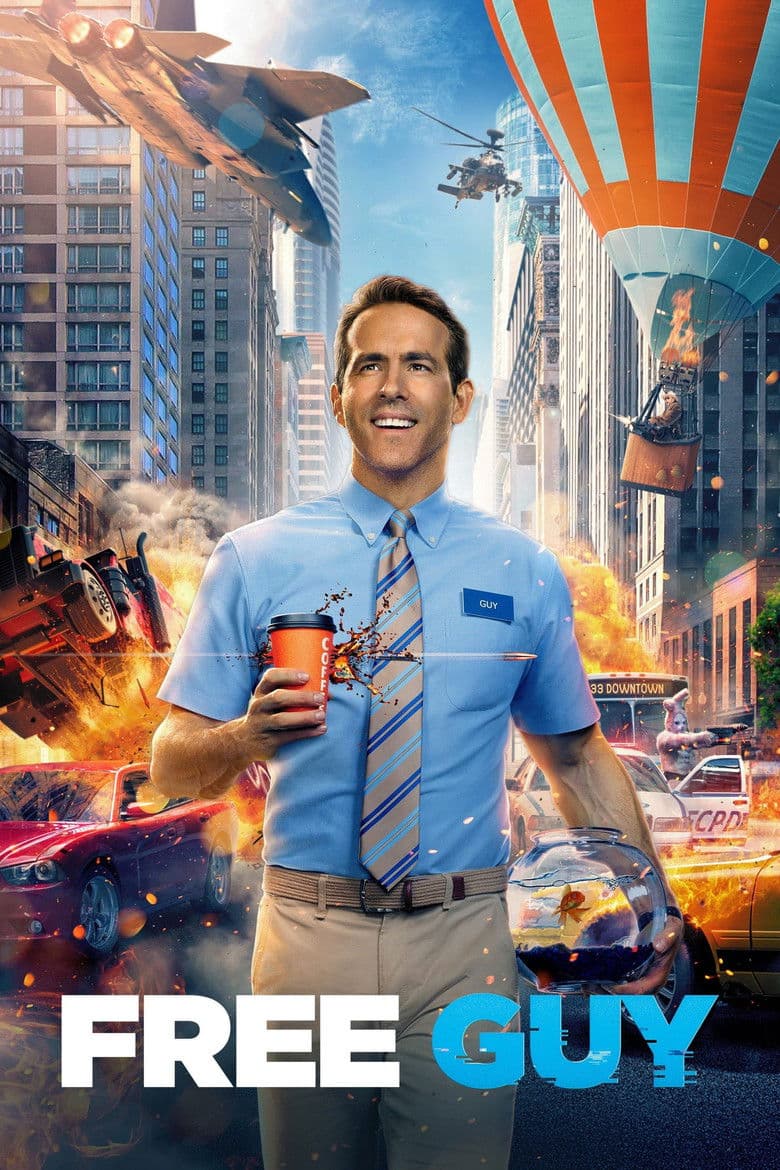
Guy is a cheerful bank teller in Free City. He does the same things every day until he spots a woman he likes and breaks his routine. He learns Free City is a big online video game and that he is only a background character. With help from a real-world player, he tries to become a hero and save his world before a greedy boss wipes it out. The tone is light, funny, and action-packed.
Most of the movie is about free will, being kind, and stopping a cheat CEO. A few lines stand out: a character calls a story full of “white privilege,” and a side character writes a book that attacks gender roles and “the patriarchy.” Millie is a skilled female game maker fighting for her stolen work, and the supporting cast is mixed by race. These bits are short and easy to notice if you listen for them, but they are not the main story. The movie stays mostly a fun game-world adventure.
Community feedback
Was our 47% Woke rating accurate?
Breakdown
These are the editorial factors and ratings behind our score for Free Guy.
Woke representation / casting
Lead is a white male NPC hero. Supporting roles include a black best friend, a South Asian tech worker, and a non-white CEO villain in a modern game/tech setting. Millie is a capable female co-creator and fighter, which fits the plot. Diversity is clear in the ensemble but not sold as the film’s point.
30%
Woke political dialogue
Clear throwaway lines: Mouser dismisses a story as full of “white privilege.” Keys describes Bombshell’s memoir as a “searing indictment of gender roles, the patriarchy” and calls it a little preachy. These buzzwords are short but easy for viewers to hear. They are not long speeches or the movie’s main talk.
48%
Identity-driven story themes
Main arc is free will, becoming a hero, and stopping a code thief. A side beat has Bombshell leave trophy-girlfriend code and write a feminist book. Millie’s fight for credit is about stolen work, not a race or gender sermon. No queer-centered plot.
28%
Western institutional / cultural critique
Antwan is a cartoon greedy CEO who steals indie code—standard bad-boss satire. Light jabs at game culture and objectifying NPC roles. Patriarchy/gender-role lines exist but stay brief. Not a big attack on the West, the church, or “whiteness” as systems.
26%
Woke character or canon changes
Not relevant. Original story, not based on older known characters or history that was rewritten for identity reasons.
0%
Anti-woke backlash and complaints
Scattered posts and forum notes about “passing woke” lines, white-privilege jokes, and anti-gamer stereotypes. No large news-driven “too woke” boycott. Later online pile-ons were mostly about quality and comedy style, not DEI. Evidence of anti-woke anger is real but small.
18%
Creator track record context
Director and writers lean commercial and low-activism. Reynolds brings moderate progressive giving plus a DEI production program. Berlanti and some partners raise the average with LGBTQ- and diversity-linked studio work. Overall crew mix is mid-low, not activist-led.
26%
Production
Movie · 2022
After accidentally crash-landing in 2022, time-traveling fighter pilot Adam Reed teams up with his 12-year-old self on a mission to save the future.
Movie · 2022
On a mission to make Christmas unforgettable for Quill, the Guardians head to Earth in search of the perfect present.
Movie · 2026
Science teacher Ryland Grace wakes up on a spaceship light years from home with no recollection of who he is or how he got there.
Movie · 2019
Stranded at a summer camp when aliens attack the planet, four teens with nothing in common embark on a perilous mission to save the world.
Movie · 2019
The Men in Black have always protected the Earth from the scum of the universe. In this new adventure, they tackle their biggest, most global threat to date: a mole in the Men in…
Movie · 2020
Seven years since the Monsterpocalypse began, Joel Dawson has been living underground in order to survive. But after reconnecting over radio with his high school girlfriend Aimee…
Movie · 2026
When their plan to book a show at the Rivoli goes horribly wrong, Matt and Jay accidentally travel back to the year 2008.
Movie · 2021
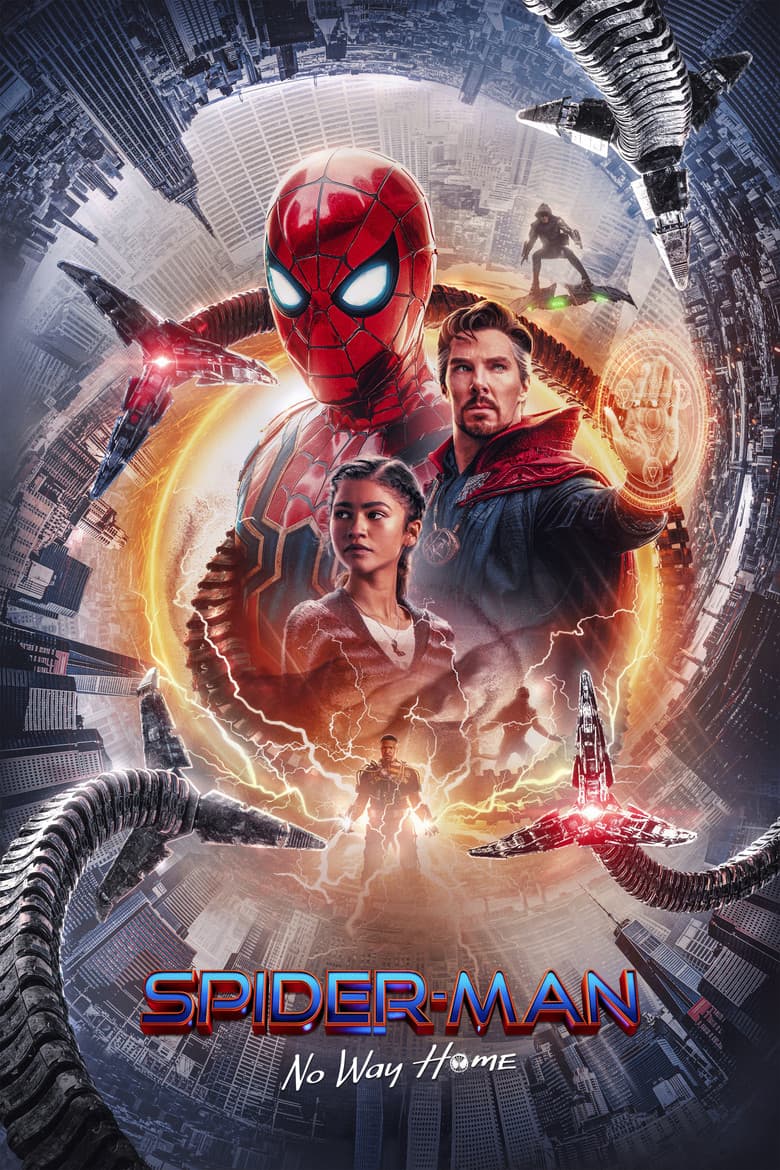
Peter Parker is unmasked and no longer able to separate his normal life from the high-stakes of being a super-hero.
