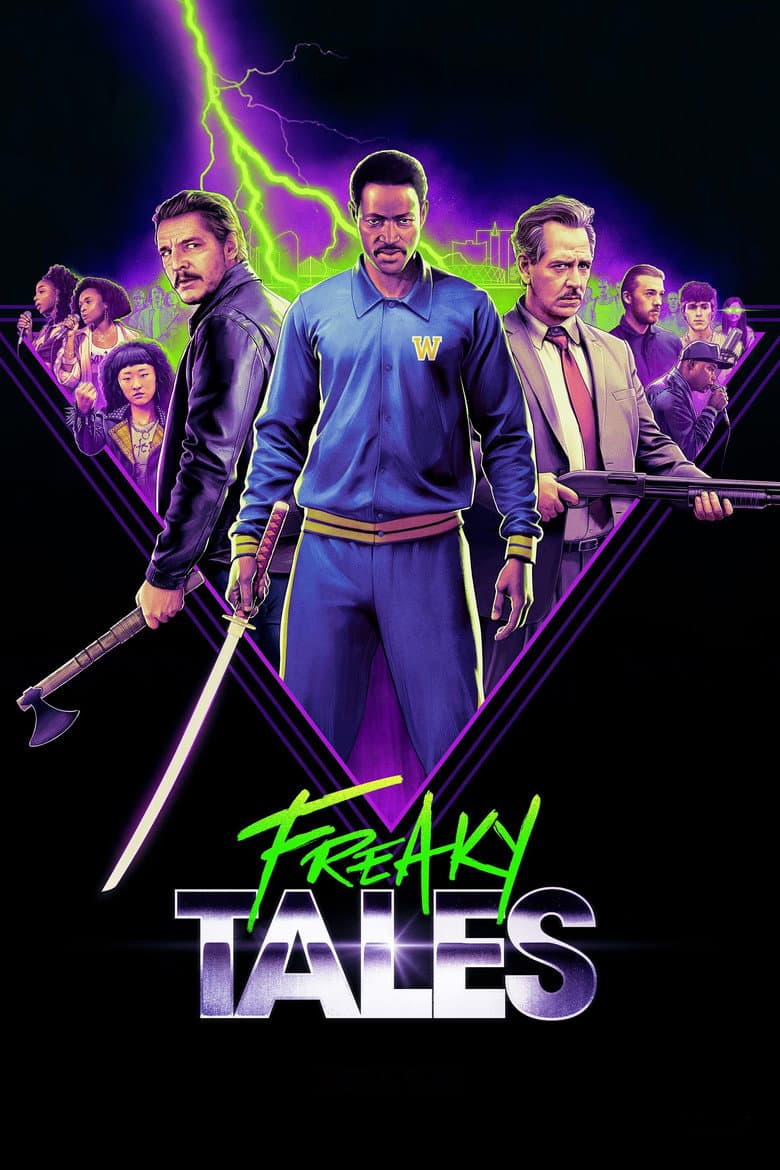
In 1987 Oakland, four strange stories unfold during one wild night. A punk couple and their friends defend their music club from Nazi skinheads. Two young Black rappers fight for a chance to be heard, while a tired debt collector tries to leave violence behind. Golden State Warrior Sleepy Floyd turns a real basketball comeback into a bloody battle with strange powers. The tone mixes crime, comedy, action, bright colors, and very graphic violence.
The punk story makes anti-Nazi resistance a heroic group action, and the story uses racism, sexism, and homophobia as clear evils. The rap story centers two black women who answer a male star’s crude treatment with skill and sharp insults. A racist police officer also harasses the women, so race and gender conflict return outside the music scene. These messages are important in two of the four chapters, but the movie mainly tells fast underdog revenge stories instead of giving long political speeches.
Community feedback
Was our 45% Woke rating accurate?
Breakdown
These are the editorial factors and ratings behind our score for Freaky Tales.
Woke representation / casting
The film repeatedly puts women of color in major, active roles. Korean American Tina leads the punk story, while black women Barbie and Entice lead the rap story and win the public battle. These choices fit the Oakland setting and the real Danger Zone story, so the score stays moderate. The repeated focus on women of color as brave and skilled heroes still makes representation a visible part of the cast design.
32%
Woke political dialogue
The punk scenes use direct words about racism, sexism, and homophobia, including the club’s posted rules. Characters argue over whether to fight back against Nazi skinheads, and the rap chapter answers sexist lyrics with pointed insults. The movie uses this language in several scenes, but it does not become a long speech about present-day politics.
30%
Identity-driven story themes
The first and second chapters make identity conflict a central part of their plots. The punk group fights white Nazi skinheads and protects a venue that rejects racism, sexism, and homophobia. Black rappers Barbie and Entice face a racist officer and sexist treatment before beating a male rapper in a public battle. The other two chapters center on crime, family loss, sports, and revenge, so the identity-driven material is strong but limited to part of the movie.
40%
Western institutional / cultural critique
The film makes a corrupt police officer a main villain and shows him harassing two black women. The punk club openly rejects racism, sexism, and homophobia, while white supremacists attack its members. These points criticize racist power and social rules, but the movie does not make a broad attack on religion, family, capitalism, or ordinary Western life.
18%
Woke character or canon changes
Not relevant. This is an original four-story film with fictionalized versions of some real Oakland people and events. The added supernatural powers and revenge scenes are ordinary story changes, not identity or DEI-driven changes.
0%
Anti-woke backlash and complaints
A few small X accounts called the film woke propaganda, left-wing propaganda, or a liberal fantasy. Some posts also complained about 2020s stereotypes, checkbox casting, and modern talking points in a 1987 setting. Other viewers liked the film, and no boycott, review-bombing, or large right-leaning campaign appeared. The complaints are fringe claims, not proof that the film contains every element they name.
17%
Creator track record context
Anna Boden and Ryan Fleck have low recorded scores and no strong public activist record. Ron Yuan also has a low recorded score, with limited public comments about Asian representation. Several MACRO producers have much higher recorded scores because they lead projects centered on black and other people-of-color stories. Too $hort and David F. Weintraub have low recorded scores, so the full group gives moderate rather than strong creator track record context.
37%
Production
Movie · 2022
Creatively unfulfilled and facing financial ruin, Nick Cage must accept a $1 million offer to attend the birthday of a dangerous superfan.
Movie · 2025
When a job goes horribly wrong, an ex-cop and family man who moonlights as a mob henchman has one night to get his family out of the city.
Movie · 2025
Kat is an improv comedy teacher beginning to question if she’s missed her shot at success. When an undercover cop offers her the role of a lifetime, she recruits two of her…
Movie · 2020
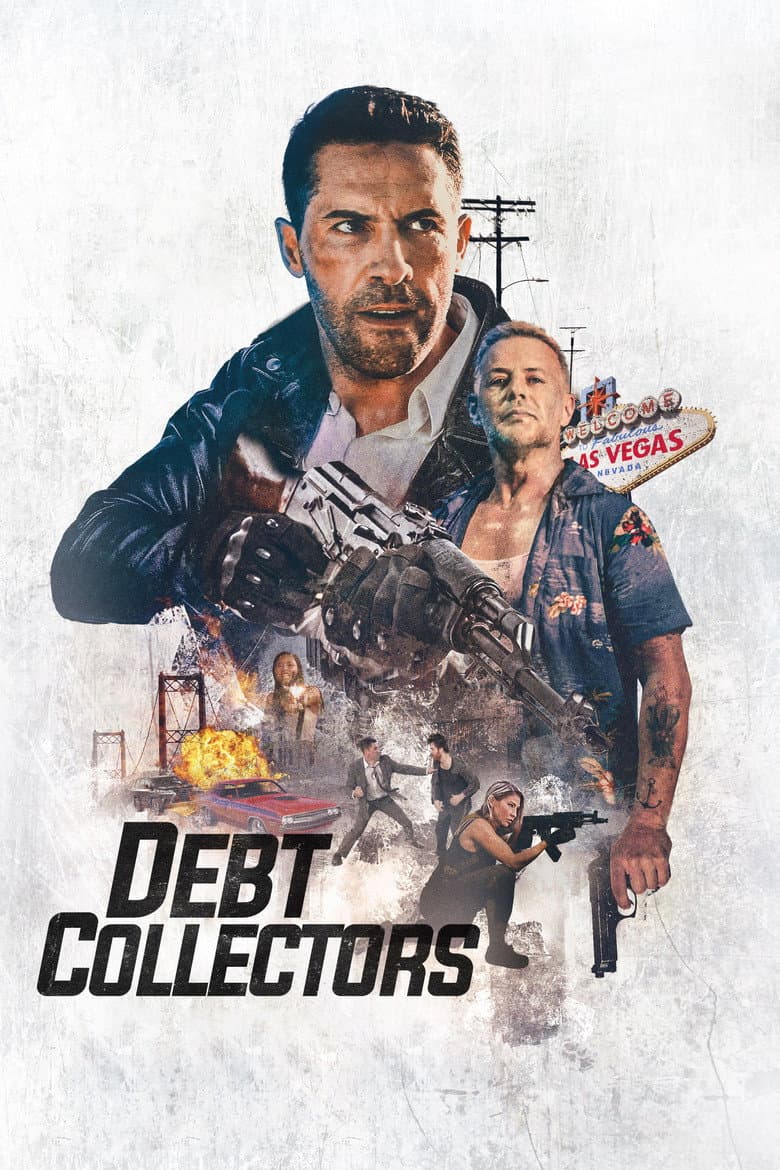
A pair of debt collectors are thrust into an explosively dangerous situation, chasing down various lowlifes while also evading a vengeful kingpin.
Movie · 2018
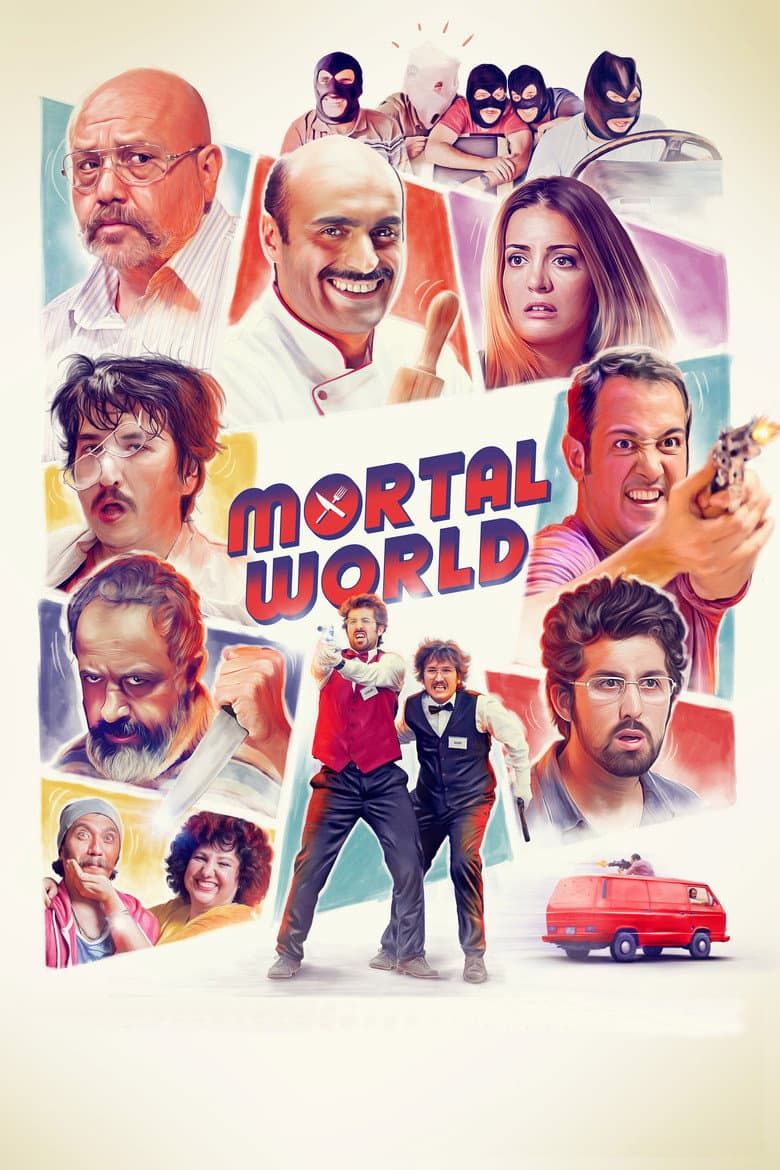
Mermer family, who has been managing a restaurant called “Anatolian flavors” in Haydarpasa train station for generations, consist of 8 members.
Movie · 2024
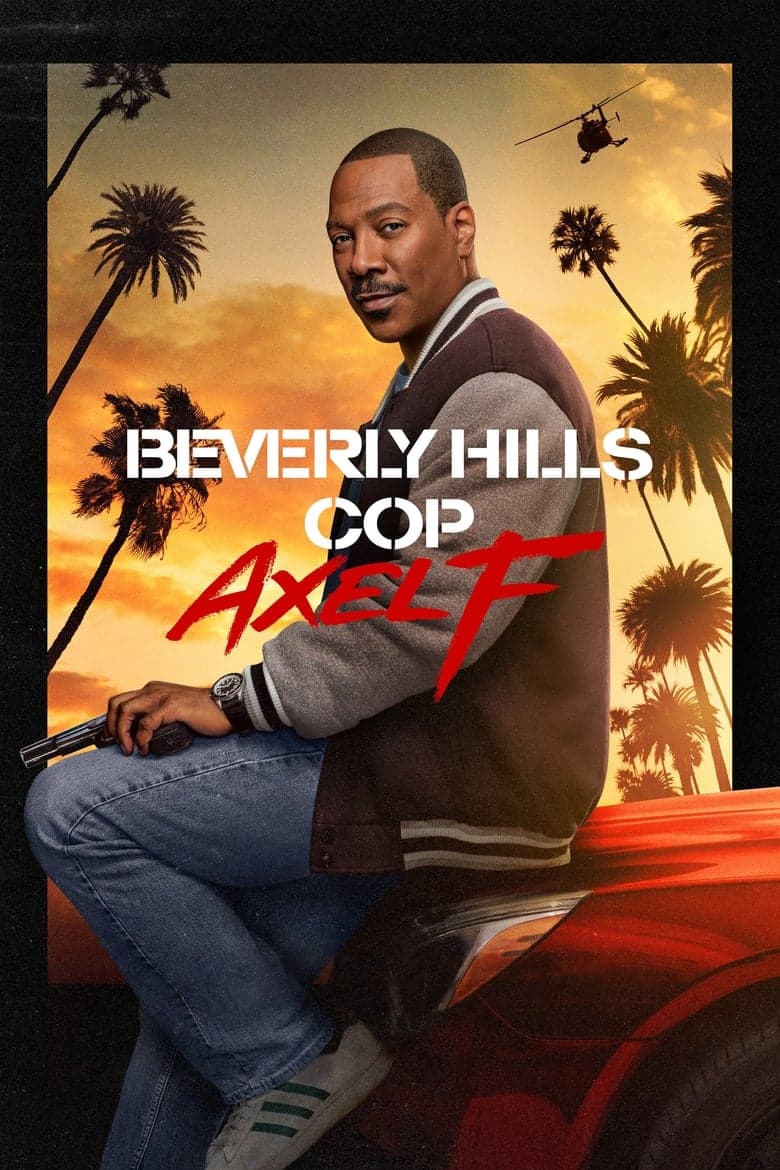
Forty years after his unforgettable first case in Beverly Hills, Detroit cop Axel Foley returns to do what he does best: solve crimes and cause chaos.
Movie · 2024
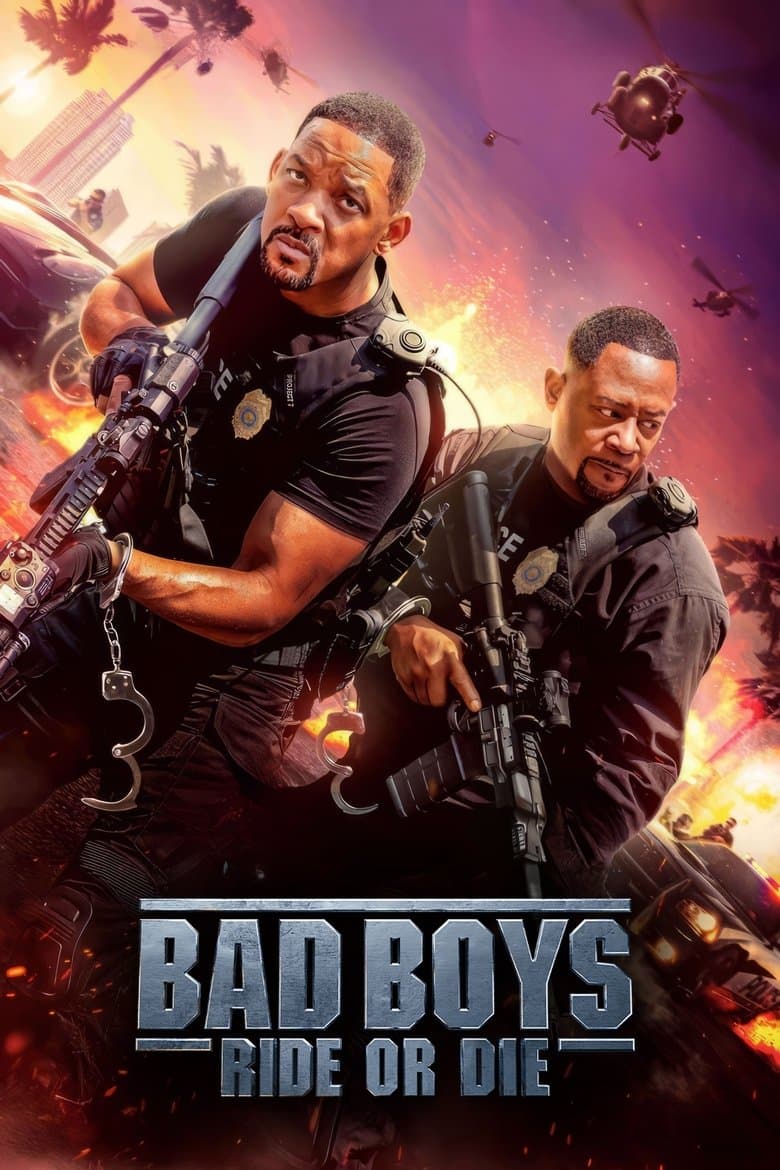
After their late former Captain is framed, Lowrey and Burnett try to clear his name, only to end up on the run themselves.
Movie · 2016
A private eye investigates the apparent suicide of a fading porn star in 1970s Los Angeles and uncovers a conspiracy.
