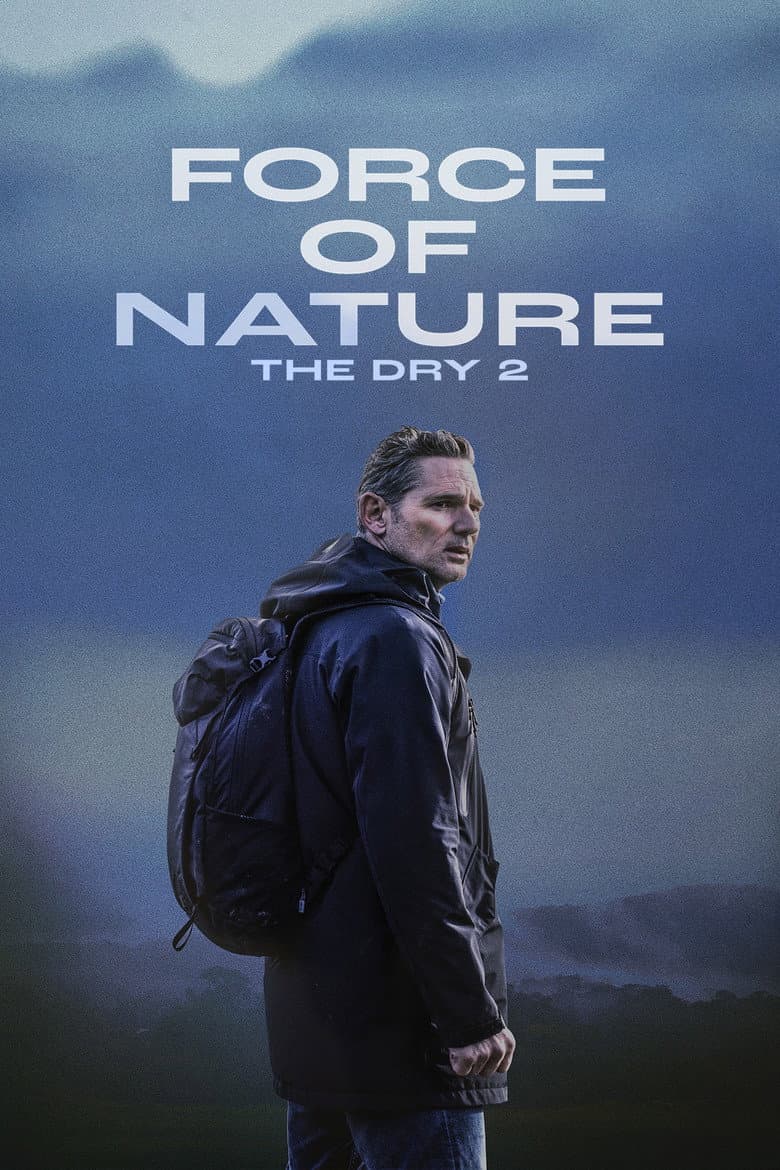
Federal agent Aaron Falk investigates a missing woman after a corporate hiking retreat goes wrong in the wet Victorian mountains. Five women enter the bush, but only four return. Alice Russell was Falk’s secret informant against her employer, so Falk must work out whether her disappearance came from an accident, a murder, or a cover-up. Flashbacks to Falk’s mother, who vanished in the same area when he was a child, add a sad and tense second mystery.
The film gives most of its screen time to five women with different jobs, family ties, secrets, and personal troubles. Jill begins as a senior company leader, while Alice risks herself by exposing financial crimes at the firm. The retreat breaks down the women’s workplace ranks and forces them to fight over trust, guilt, and survival. This female-led focus and the story’s mild attack on corporate power are the clearest woke elements, but the film remains a dark crime mystery rather than a direct identity-politics drama.
Community feedback
Was our 23% Woke rating accurate?
Breakdown
These are the editorial factors and ratings behind our score for Force of Nature: The Dry 2.
Woke representation / casting
The film puts five women at the center of the main mystery, and the police team also includes Carmen Cooper. The marketing and interviews call the project female-driven and a strong female ensemble. The cast includes one Black Australian woman in a major role, but the film does not make her race part of the story. The choices show a clear female focus, yet they do not show a diversity-first casting plan or a mismatch with modern Australia.
14%
Woke political dialogue
Not present. The dialogue centers on the missing informant, police questions, financial crime, guilt, and survival. It does not return to modern activist politics or identity claims.
0%
Identity-driven story themes
The story centers on five women whose work roles, family ties, and secrets shape the survival mystery. Jill starts as a powerful company leader, and the retreat tests whether that status helps her when normal rules fail. The women must break from workplace roles and decide whom to trust, which gives the film a mild female-empowerment angle. The plot still treats every woman as flawed and keeps the focus on guilt, danger, and a missing-person case.
22%
Western institutional / cultural critique
The company at the center of the case is tied to money laundering and secret financial crimes. The retreat places the women inside a rigid corporate chain of command that breaks down in the bush. An actor described this work culture as part of a wider problem linked to capitalism in title-related coverage. The film uses that idea as background to the mystery and does not build a broad attack on Western society or family life.
18%
Woke character or canon changes
Not relevant. The movie follows Jane Harper’s second Aaron Falk story and keeps the main characters in their established roles. The added childhood story about Falk’s mother is a plot change for emotion, not an identity or DEI rewrite.
0%
Anti-woke backlash and complaints
Not present. Audience posts and reviews focus on the tangled plot, slow pace, wet scenery, and comparison with The Dry. No notable anti-woke, DEI, identity-politics, or left-wing complaint appears in the reviewed coverage.
0%
Creator track record context
Robert Connolly’s supplied record includes political and anti-corporate stories, but it leans toward labor, war, and environmental issues rather than DEI. Bruna Papandrea and Jodi Matterson have backed female-led stories and publicly supported gender equity and diversity in the film industry. Jane Harper and Eric Bana have no strong activist record in the supplied context. This background fits the movie’s female-driven design but does not show that the film is a major activist project.
25%
Production
Movie · 2021
Aaron Falk returns to his drought-stricken hometown to attend a tragic funeral. But his return opens a decades-old wound - the unsolved death of a teenage girl.
Movie · 2021
A psychiatrist, whose client commits suicide, finds his family life disrupted after introducing her surviving brother to his wife and daughter.
Movie · 2023
Helena, a woman living a seemingly ordinary life, hides a dark secret—her father is the infamous 'Marsh King', the man who kept her and her mother captive in the wilderness for…
Movie · 2026
In an attempt to avenge her daughter’s death, Irene Kelly travels through parallel universes, killing her daughter’s murderer again and again.
Movie · 2017
Dr. Steven Murphy is a renowned cardiovascular surgeon who presides over a spotless household with his wife and two children.
Movie · 2016
A psychologist who begins working with a young boy who has suffered a near-fatal fall finds himself drawn into a mystery that tests the boundaries of fantasy and reality.
Movie · 2022
A well-to-do husband who allows his wife to have affairs in order to avoid a divorce becomes a prime suspect in the disappearance of her lovers.
Movie · 2017
When a priest is jailed for the murder of a nun on whom he was performing an exorcism, an investigative journalist strives to determine whether he in fact murdered a mentally ill…
