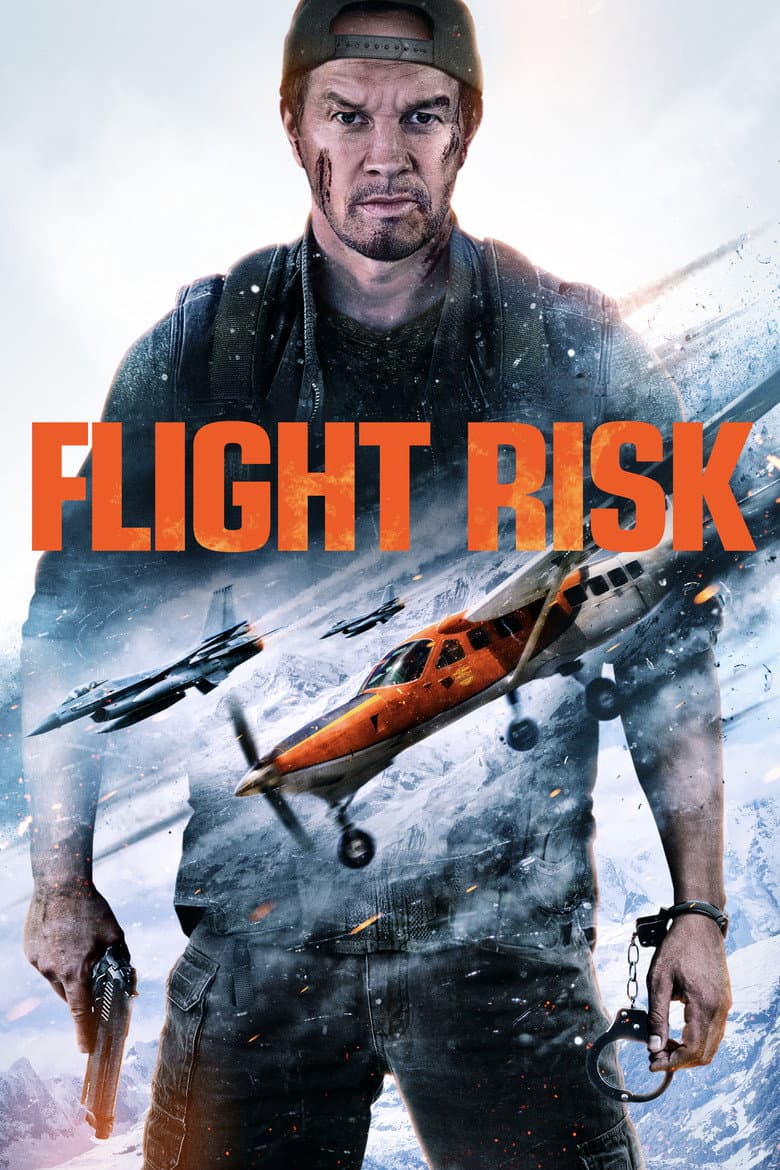
Flight Risk follows U.S. Marshal Madolyn Harris as she takes Winston, a mob accountant turned witness, from a hiding place in Alaska toward a trial in New York. The pair boards a small plane with Daryl Booth, who seems to be a friendly local pilot. Daryl soon reveals that he is a hired killer sent to silence Winston. The film keeps most of its action inside the plane and uses blood, threats, dark jokes, and sudden attacks to create a rough, pulpy thriller tone.
Madolyn becomes the story’s main problem solver after she stuns Daryl, takes control of the plane, and tries to land with help from Hassan on the radio. She fights Daryl several times and later stops another killer who tries to murder Winston after the crash landing. The film also gives Madolyn a past failure that put her on desk duty, while Winston admits that he helped the mob and asks her to visit his mother. These choices create a light female-empowerment signal and a simple redemption story, but they do not turn the movie into a wider argument about gender, race, sexuality, or social change.
Community feedback
Was our 21% Woke rating accurate?
Breakdown
These are the editorial factors and ratings behind our score for Flight Risk.
Woke representation / casting
Madolyn is a prominent female federal officer, and the film makes her the main fighter and problem solver. She takes over the plane, beats Daryl in close fights, lands it with radio help, and stops a second killer after the crash. Her supervisor Van Sant is also a woman in a senior office role. The movie does not use diversity-first marketing or explain these choices as a wider identity message, so the signal stays low.
24%
Woke political dialogue
Not present. The dialogue covers mob crime, witness protection, and corruption in federal offices. The film does not give modern activist speeches about identity, gender, race, or politics.
0%
Identity-driven story themes
The film gives Madolyn a female-empowerment arc as she returns to field duty after a past mistake. She takes charge of the plane, fights a male killer, and saves Winston at the end. The story treats this as a personal redemption and survival task, not as a broad claim about women or identity. The theme is present but secondary to the thriller.
18%
Western institutional / cultural critique
Not present. The corrupt official is part of the mob plot, and the movie does not present the problem as a modern critique of Western society. The story does not attack capitalism, family life, Christianity, or traditional gender roles.
0%
Woke character or canon changes
Not relevant. The film uses an original screenplay and does not change an established character, canon, or historical event.
0%
Anti-woke backlash and complaints
A few small right-leaning X accounts called Madolyn a “girlboss” or “Mary Sue” because she repeatedly beats Daryl. One amateur critic called the film “woke Hollywood” and said Gibson had fallen for “neofeminist” fashion. Another isolated joke treated Hassan’s name as proof that the film was woke. The separate X pass found no boycott, review bomb, or coordinated campaign, and some viewers defended the film as not woke.
12%
Creator track record context
Mel Gibson’s cached score is 6/100, and his public record points to conservative and anti-political-correctness views rather than woke activism. Jared Rosenberg’s cached score is 0/100, and the producers show no strong identity-first pattern in the supplied record. Kathy McKee’s cached score is 20/100 because her company promotes multicultural casting, but no title-specific diversity message was found.
8%
Production
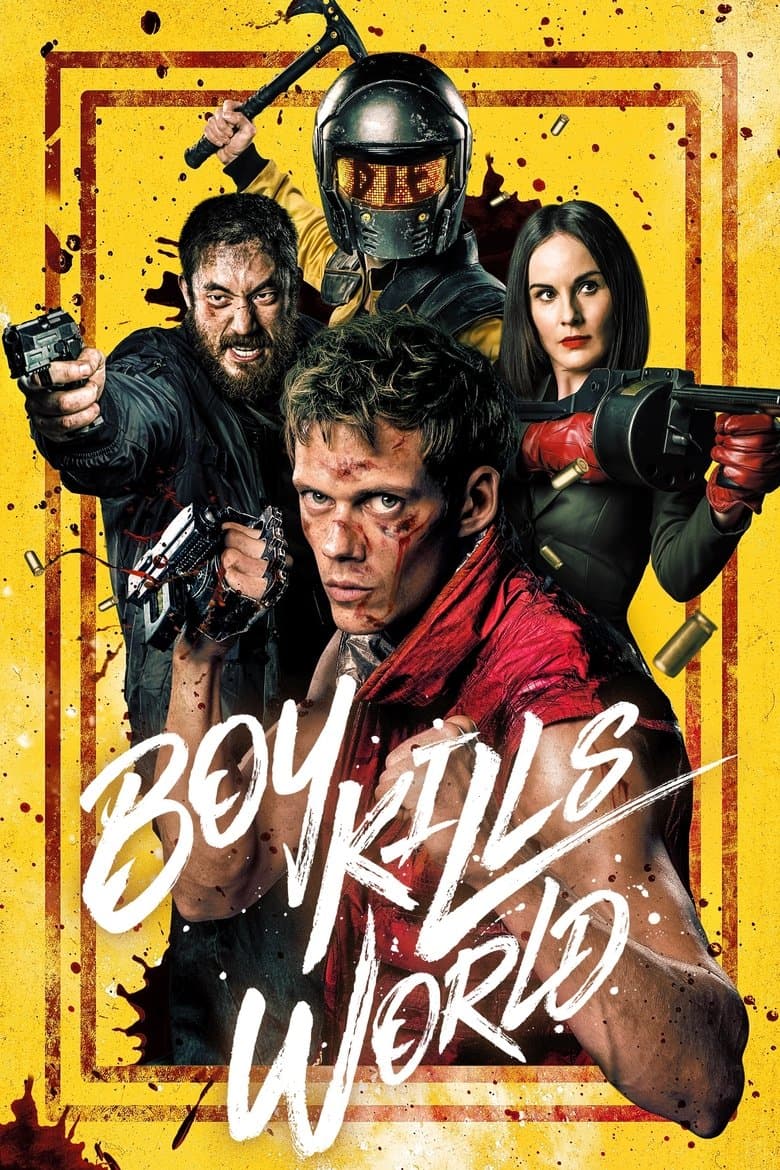
Movie · 2024
When his family is murdered, a deaf-mute named Boy escapes to the jungle and is trained by a mysterious shaman to repress his childish imagination and become an instrument of…
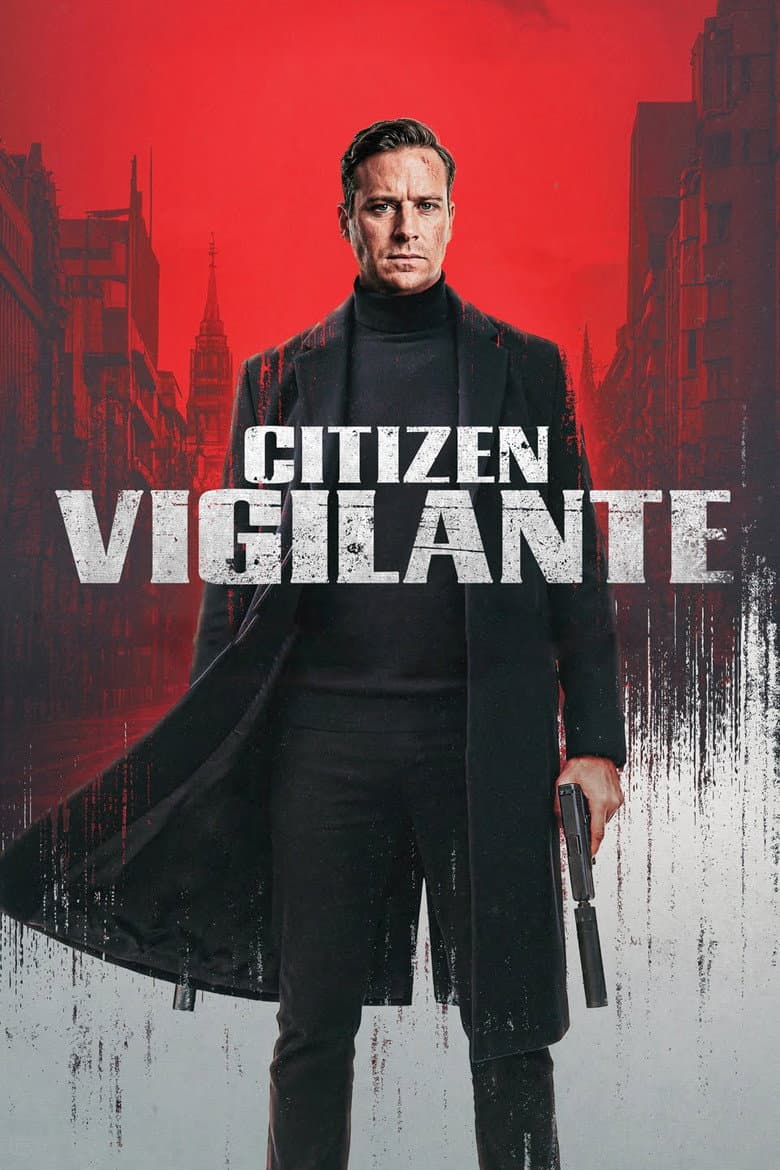
Movie · 2026
A man takes justice into his own hands, hunting down criminals. His vigilante crusade makes him a social media star but puts him at odds with the local police chief.
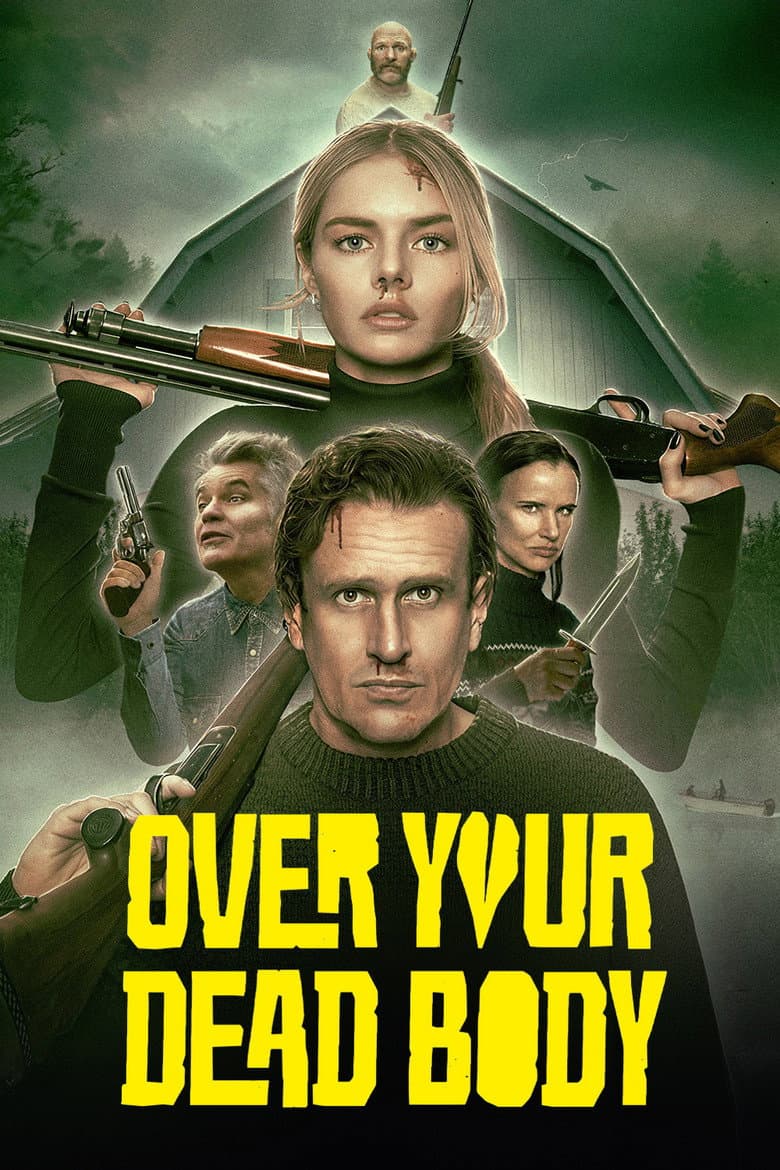
Movie · 2026
A dysfunctional couple head to a remote cabin to "reconnect", but each has secret intentions to kill the other.
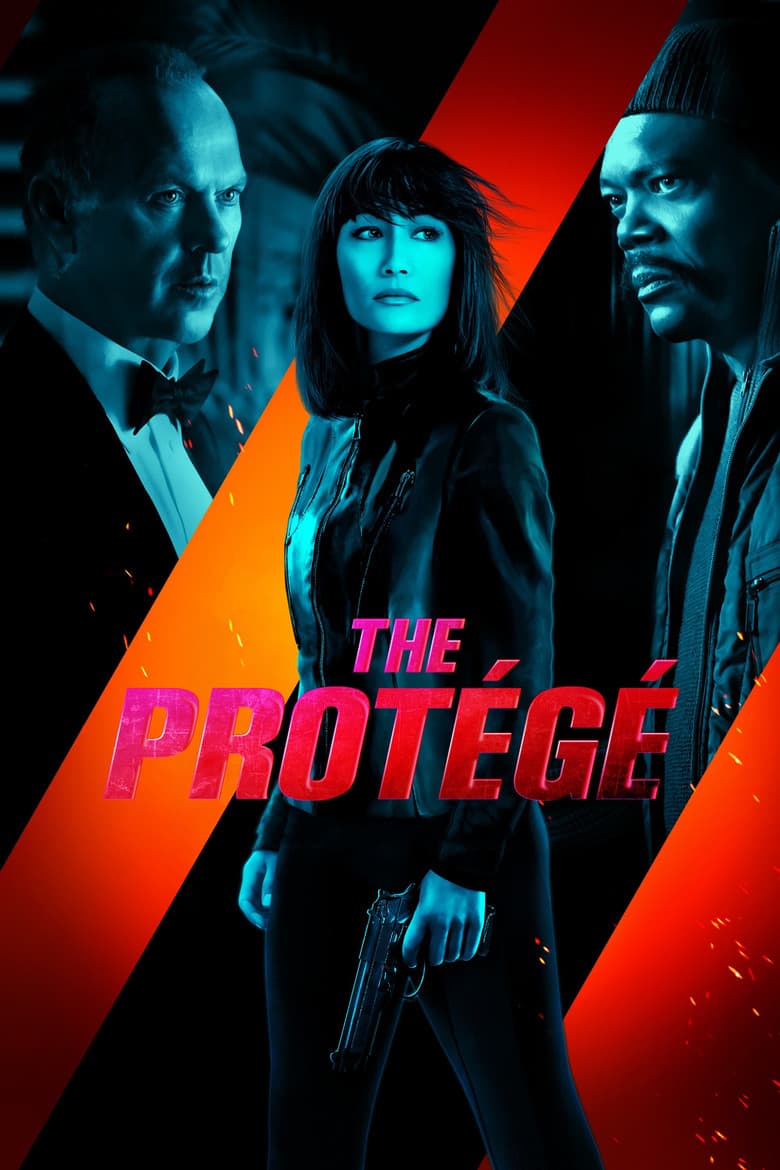
Movie · 2021
Rescued as a child by the legendary assassin Moody and trained in the family business, Anna is the world’s most skilled contract killer.
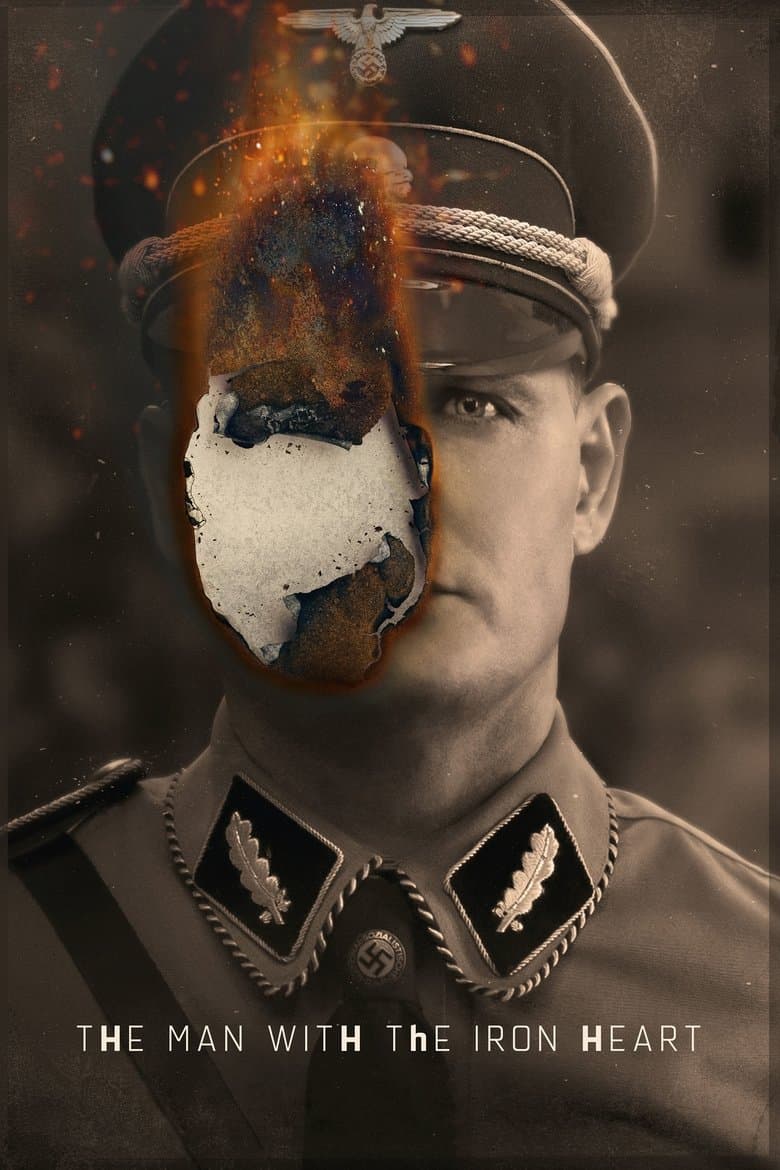
Movie · 2017
With the Third Reich at its peak in 1942, the Czech resistance in London plans the most ambitious military operation of WWII – Anthropoid.
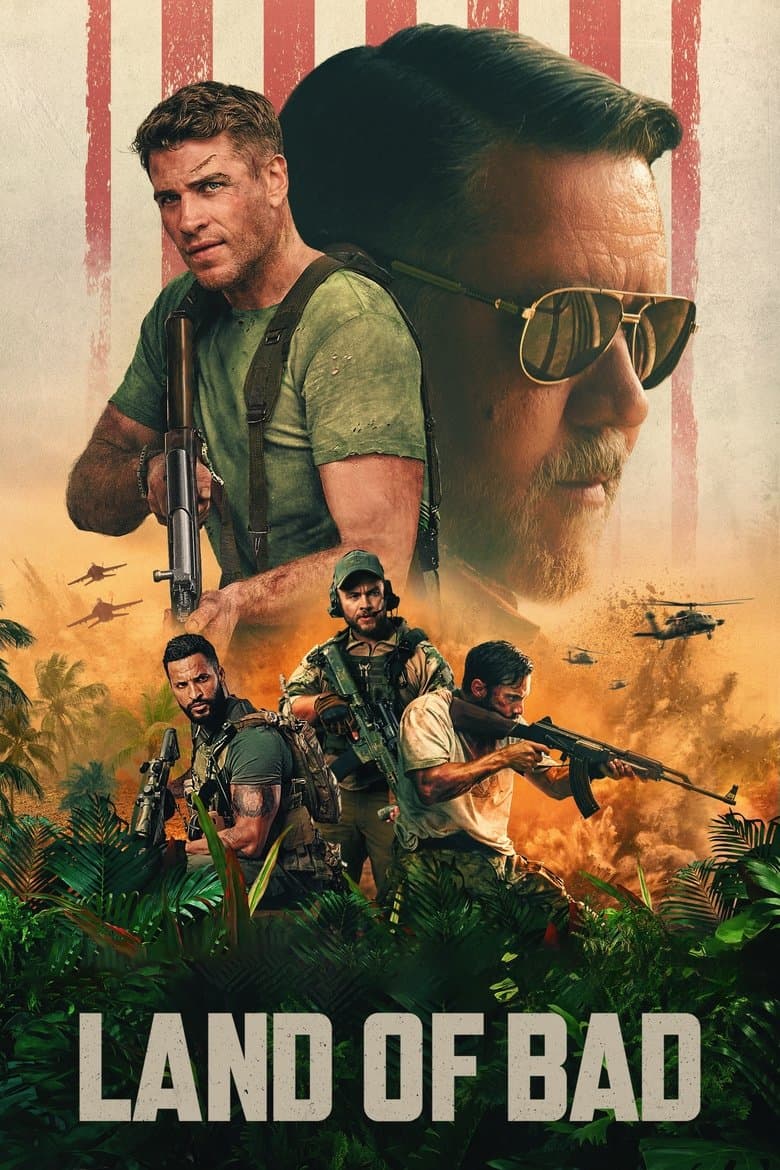
Movie · 2024
When a Delta Force special ops mission goes terribly wrong, Air Force drone pilot Reaper has 48 hours to remedy what has devolved into a wild rescue operation.
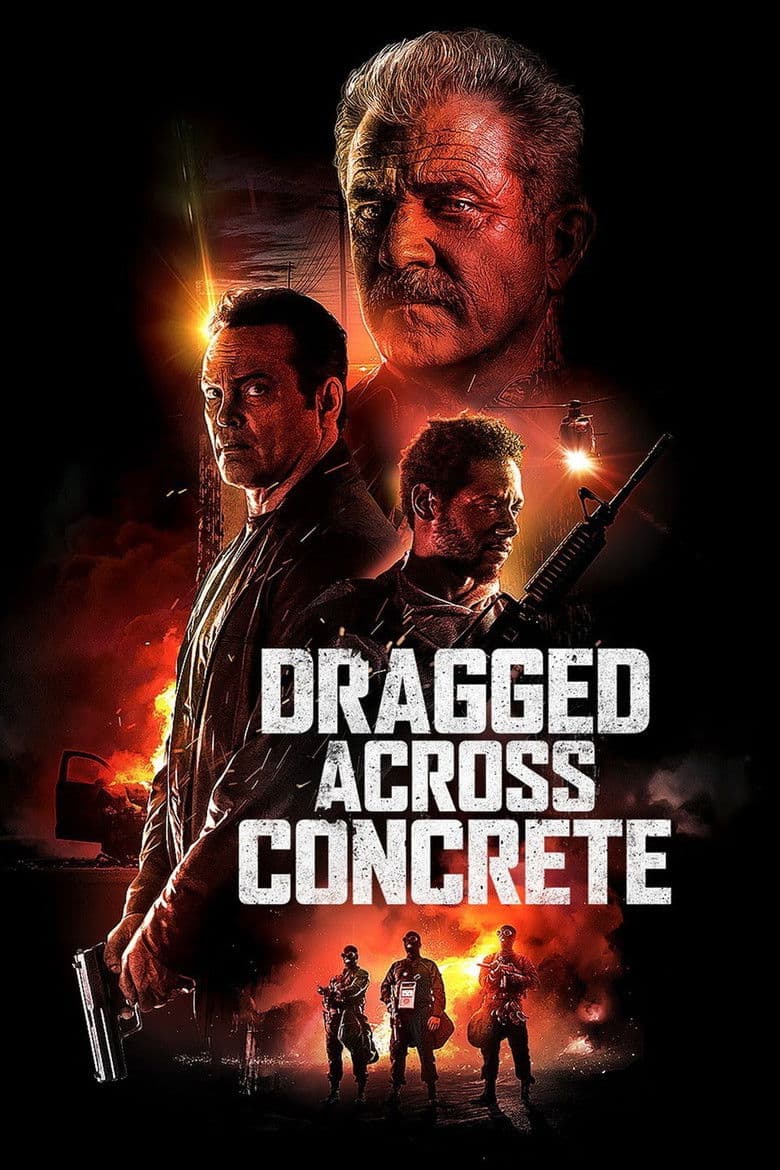
Movie · 2019
Two policemen, one an old-timer, the other his volatile younger partner, find themselves suspended when a video of their strong-arm tactics becomes the media's cause du jour.
Movie · 2021
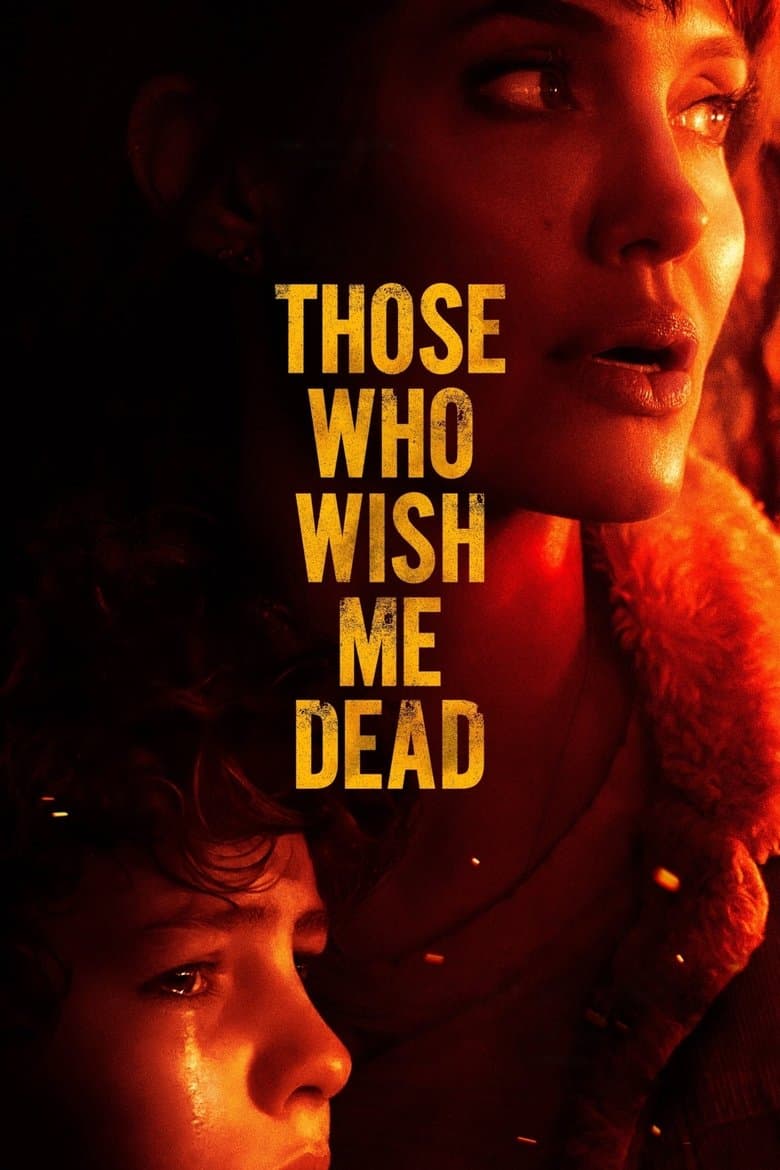
A young boy finds himself pursued by two assassins in the Montana wilderness, with a survival expert determined to protect him, and a forest fire threatening to consume them all.
