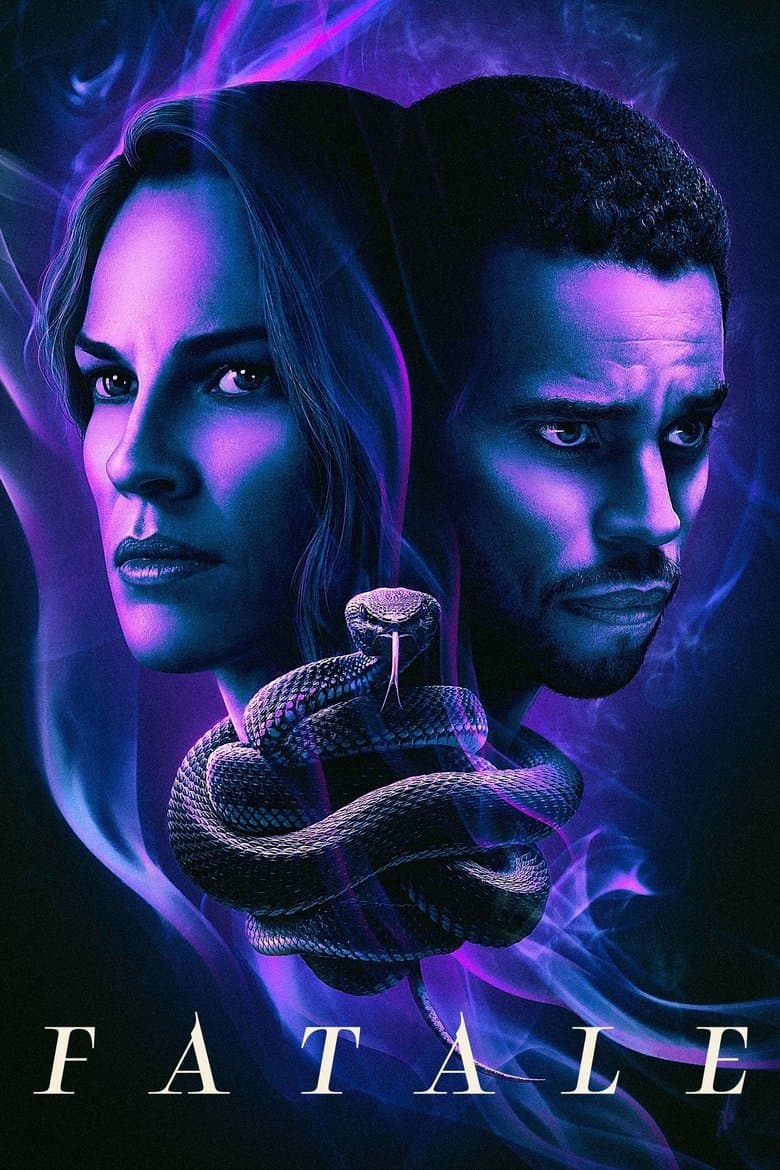
Derrick Tyler is a successful sports agent in Los Angeles who has built a rich life with his wife, Tracie. During a trip to Las Vegas, he has a one-night stand with a woman who later appears at his home as a police detective. Valerie Quinlan uses his affair, a murder case, and his fear of losing his family to pull him into a deadly trap. The film has a dark, glossy, and twist-heavy thriller tone, with sex, violence, lies, and sudden reversals.
The clearest audience-visible identity element is the casting. The story centers black men as wealthy business owners and gives Valerie, a white woman, the strongest control over the action and the most dangerous physical role. The film does not make race, sex, or identity a subject of its dialogue, and Valerie is a violent villain rather than a model for social change. Her power fits the classic dangerous-woman crime story, so the identity message stays limited instead of driving the whole plot.
Community feedback
Was our 34% Woke rating accurate?
Breakdown
These are the editorial factors and ratings behind our score for Fatale.
Woke representation / casting
The film puts black characters at the center of a wealthy Los Angeles sports business and family story. Derrick and Rafe are successful business owners, and several close relatives and friends are also Black. The modern setting makes this casting plausible, so the race mix is not a clear story-world mismatch. Interviews still presented the successful black leads as roles that Hollywood often gives to white actors and said showing them mattered. This creates a noticeable representation signal, but the story does not turn race into its main subject.
30%
Woke political dialogue
Not present. The characters do not give speeches about race, gender, politics, or social justice. The police and court talk supports the crime plot instead of presenting a modern political program.
0%
Identity-driven story themes
Valerie is a female detective who drives nearly every turn of the story. She controls Derrick, defeats male attackers, and remains the most dangerous person in the film. The film treats her as a violent criminal rather than as a model of women's empowerment. This gives the movie a mild gender-power signal, but the plot uses a familiar dangerous-woman pattern and does not argue for identity politics.
24%
Western institutional / cultural critique
Not present. The film shows police, courts, and a politician being corrupt as part of its murder plot. It does not connect those failures to modern activist claims about capitalism, patriarchy, whiteness, or Western culture.
0%
Woke character or canon changes
Not relevant. This is a modern thriller with no established character, franchise canon, or real historical figure being changed for identity reasons.
0%
Anti-woke backlash and complaints
One family-focused review listed political correctness among its complaints about the film. The review did not point to a clear DEI plot, identity speech, or race or gender swap. Wider audience and news discussion focused on weak logic, poor twists, and guilty-pleasure value, so the anti-woke complaint was isolated.
8%
Creator track record context
The director has supported anti-racism and voter efforts outside his films. Several producers have worked on Be Woke.Vote or projects tied to black history, equality, or diversity. Hilary Swank has publicly supported LGBTQ and trans rights, and another producer's work centers queer and BIPOC storytellers. The writer has no strong activist record. Fatale itself remains a commercial thriller, so this context is a moderate signal rather than the film's main message.
55%
Production

Movie · 2016
When Krisha returns to her estranged family for Thanksgiving dinner, past demons threaten to ruin the festivities.
Movie · 2021
A cold and mysterious new security guard for a Los Angeles cash truck company surprises his co-workers when he unleashes precision skills during a heist.

Movie · 2017
In 1981, an enthusiastic young adventurer follows his dreams into the Bolivian Amazon jungle with two friends and a guide with a mysterious past.
Movie · 2016
An American Ambassador is killed during an attack at a U.S. compound in Libya as a security team struggles to make sense out of the chaos.
Movie · 2017
A former rodeo star, now a motel manager, meets a young man who is responsible for the violence that suddenly has seized his small town.
Movie · 2017
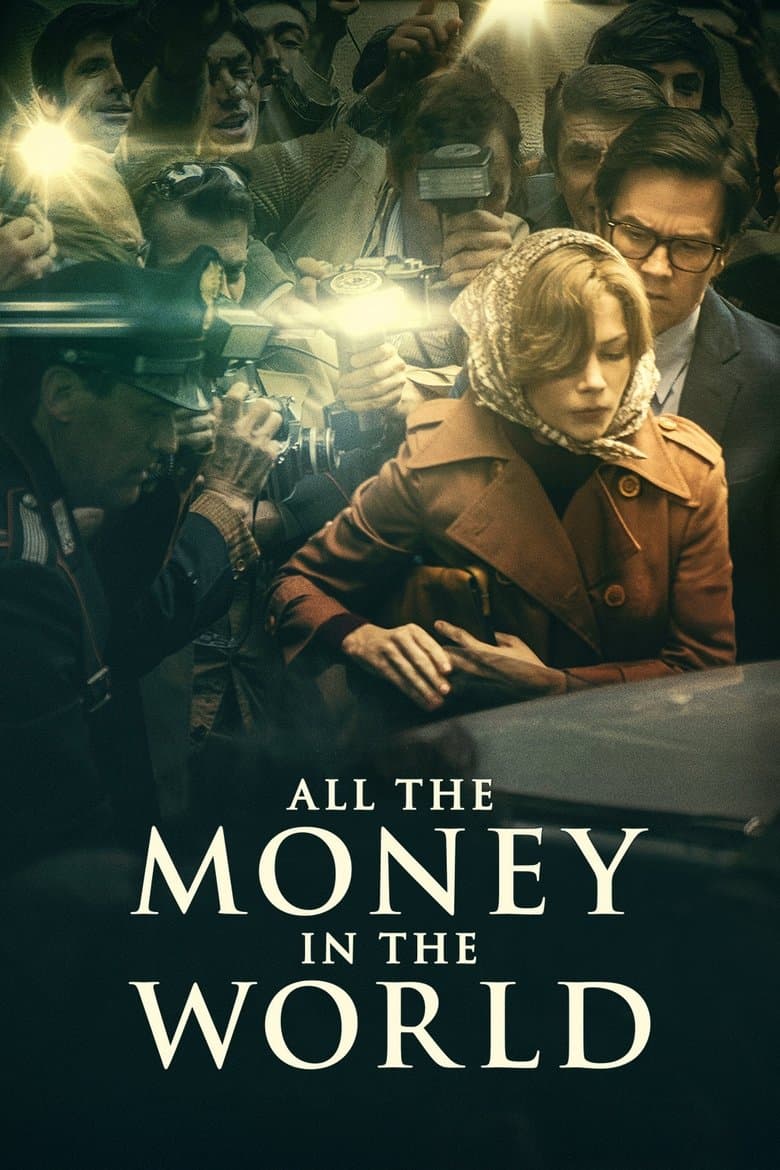
The story of the kidnapping of 16-year-old John Paul Getty III and the desperate attempt by his devoted mother to convince his billionaire grandfather Jean Paul Getty to pay the…
Movie · 2019
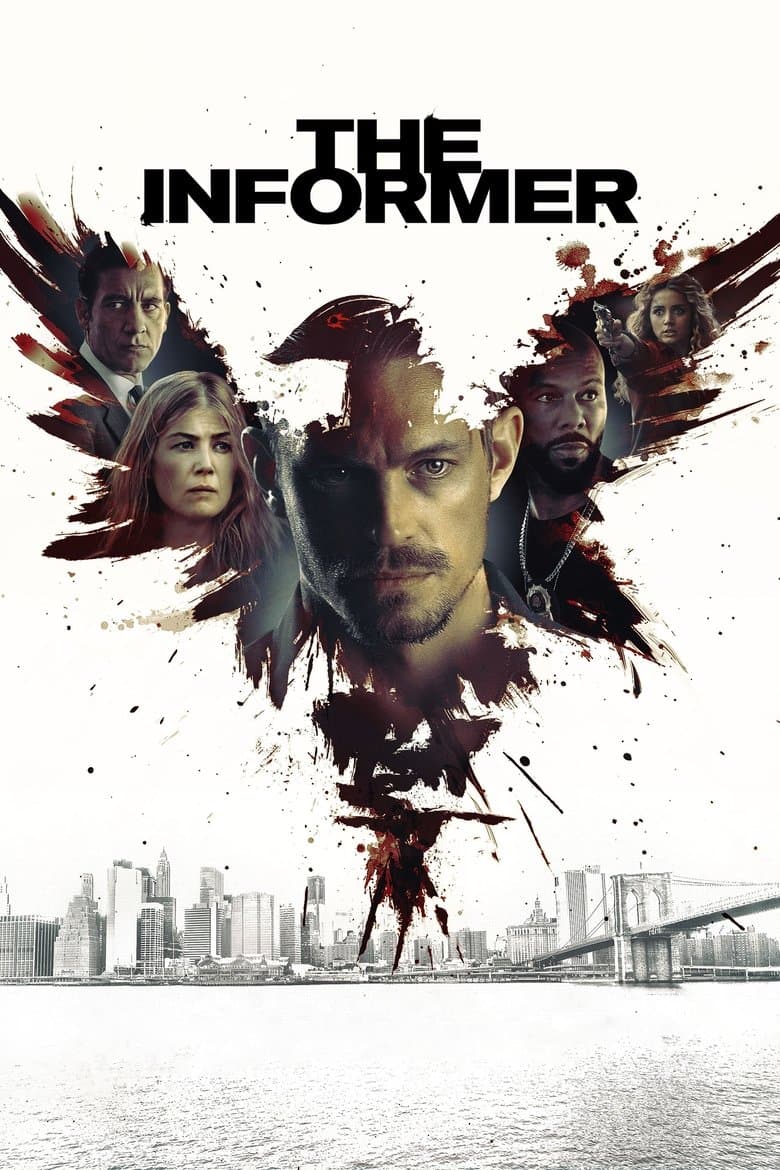
In New York, former convict Pete Koslow, related to the Polish mafia, must deal with both Klimek the General, his ruthless boss, and the twisted ambitions of two federal agents…
Movie · 2024
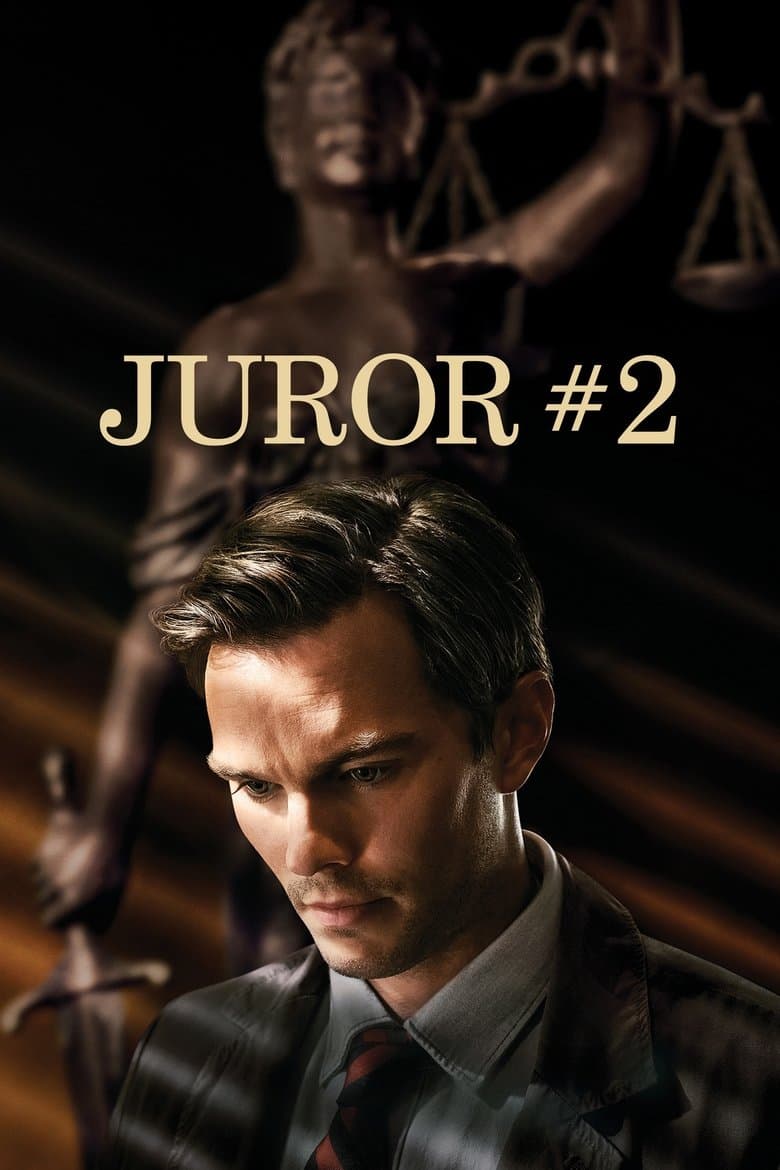
While serving as a juror in a high profile murder trial, family man Justin Kemp finds himself struggling with a serious moral dilemma…one he could use to sway the jury verdict and…
