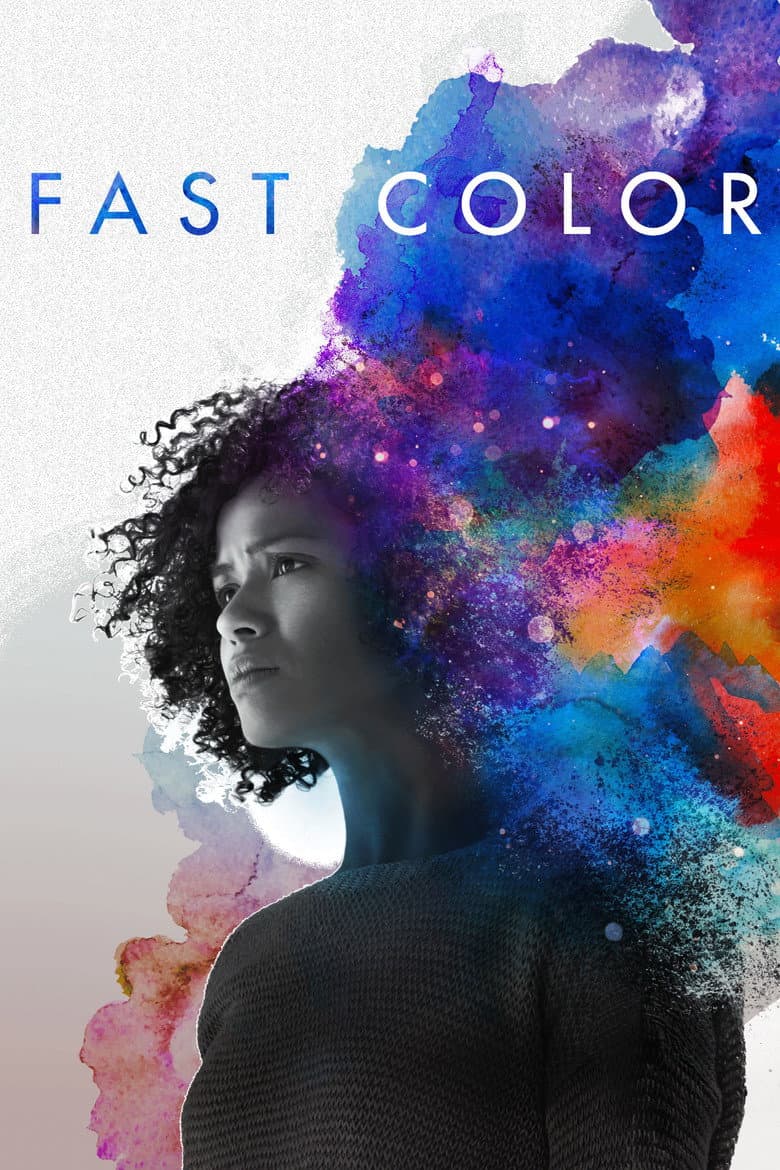
Ruth is a recovering drug addict who lives by hiding and moving from place to place. Her seizures can shake the ground and cause earthquakes, so government scientists track her and want to study her body. Ruth returns to a farmhouse in a dry American Midwest where no rain has fallen for years. Her mother Bo and her daughter Lila live there, and Ruth must face the family she left behind. The film has a quiet, tense tone, with small fights and strange bursts of power instead of large superhero battles.
Bo and Lila also have strange powers, and the three women learn that their abilities have passed through the family for generations. The women are the main heroes, while the men who chase them mostly act as scientists, guards, or officials who want to control them. The story connects female power with creating, healing, motherhood, and hope for a new world after drought. It also makes the family’s black identity part of the meaning of the superhero story, rather than treating it as a small detail. These choices are central to the movie, even though the plot also follows Ruth’s guilt, recovery, and effort to become a mother again.
Community feedback
Was our 77% Woke rating accurate?
Breakdown
These are the editorial factors and ratings behind our score for Fast Color.
Woke representation / casting
The movie makes three generations of black women the central heroic family. Ruth, Bo, and Lila all have powers, and the story gives them the main emotional and action roles. Julia Hart said the script changed after Gugu Mbatha-Raw was cast so the cast and world would reflect her background. The pattern is openly tied to representation and female power.
78%
Woke political dialogue
Bo says that human reckless behavior caused the long drought and says that people only answer by raising water prices. The final confrontation includes a warning that the world is dying and that a new world is coming. The film uses these lines as brief social and environmental warnings, but it does not repeat modern identity politics in its spoken dialogue.
12%
Identity-driven story themes
Three generations of black women carry the movie’s powers, family history, and main mission. The story treats their ability to create and repair as a form of female power. The women must resist male scientists who want to capture them and study their bodies. Their race and gender are part of the movie’s message about who gets to be seen as powerful.
76%
Western institutional / cultural critique
Government scientists track Ruth and try to capture her for tests. The men around the family treat their powers as something to seize, measure, or control, and the group later holds Lila at a station. Bo tells the male authorities that they are scared because the world is dying and that she can stop it. The sheriff Ellis helps the family, so the film targets abusive male power and institutions rather than every man or public service.
42%
Woke character or canon changes
Not relevant. The movie is an original story. It does not change established characters or real historical events.
0%
Anti-woke backlash and complaints
Not present. The separate X research found no anti-woke reaction, and web coverage showed praise or mixed comments about pace and plot. No specific anti-woke complaints about the movie were found.
0%
Creator track record context
Julia Hart repeatedly centers women and underrepresented people in her films. She has spoken about the need for more female-led stories and more representation. Jordan Horowitz has a queer family drama credit, but the available record does not show a broad activist pattern. Hart’s creator score is 53/100 and Horowitz’s is 55/100, which supports a moderate context score.
54%
Production
Movie · 2026
Having found the safety of the Greenland bunker after the comet Clarke decimated the Earth, the Garrity family must now risk everything to embark on a perilous journey across the…
Movie · 2021
With the future of the human race at stake, a group of young men and women -- bred for intelligence and obedience -- embark on an expedition to colonize a distant planet.
Movie · 2020
During a pandemic lockdown, Nico, a young man with rare immunity, must overcome martial law, murderous vigilantes and a powerful family to reunite with his love, Sara.

Movie · 2017
A young tech worker takes a job at a powerful Internet corporation, quickly rises up the company's ranks, and soon finds herself in a perilous situation concerning privacy…

Movie · 2018
Three years after Jurassic World was destroyed, Isla Nublar now sits abandoned. When the island's dormant volcano begins roaring to life, Owen and Claire mount a campaign to…
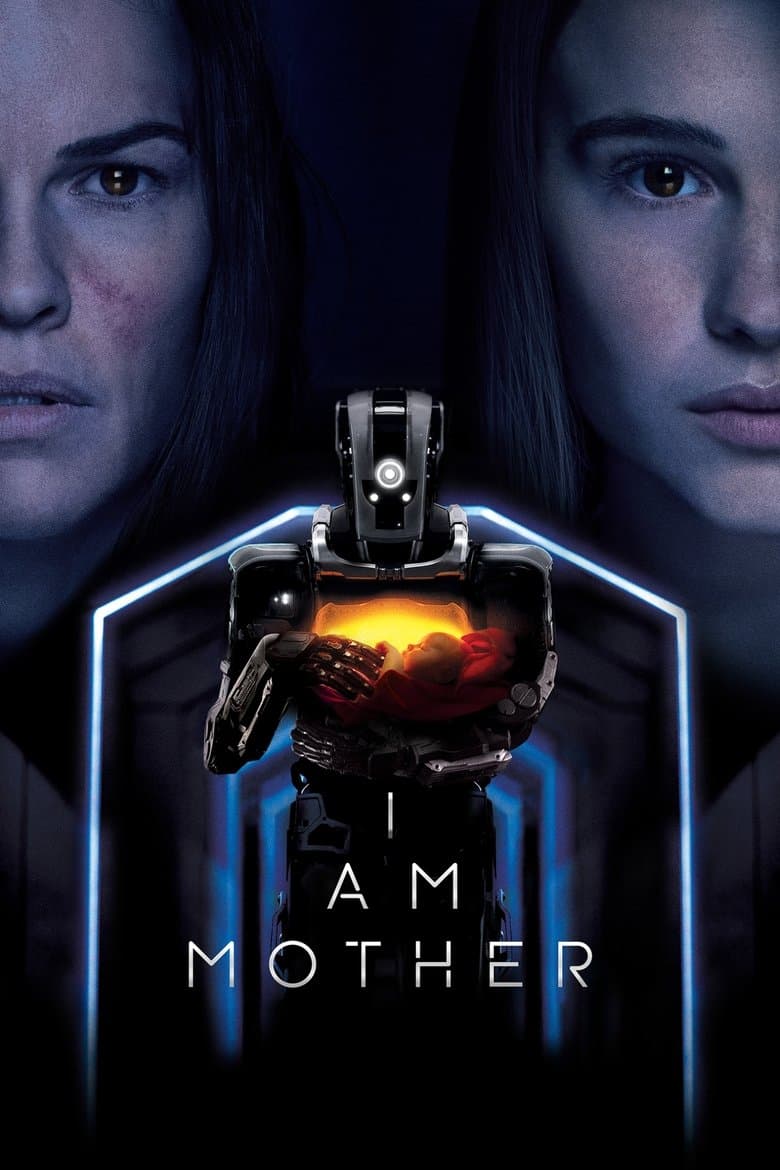
Movie · 2019
A teenage girl is raised underground by a robot "Mother", designed to repopulate the earth following an extinction event.
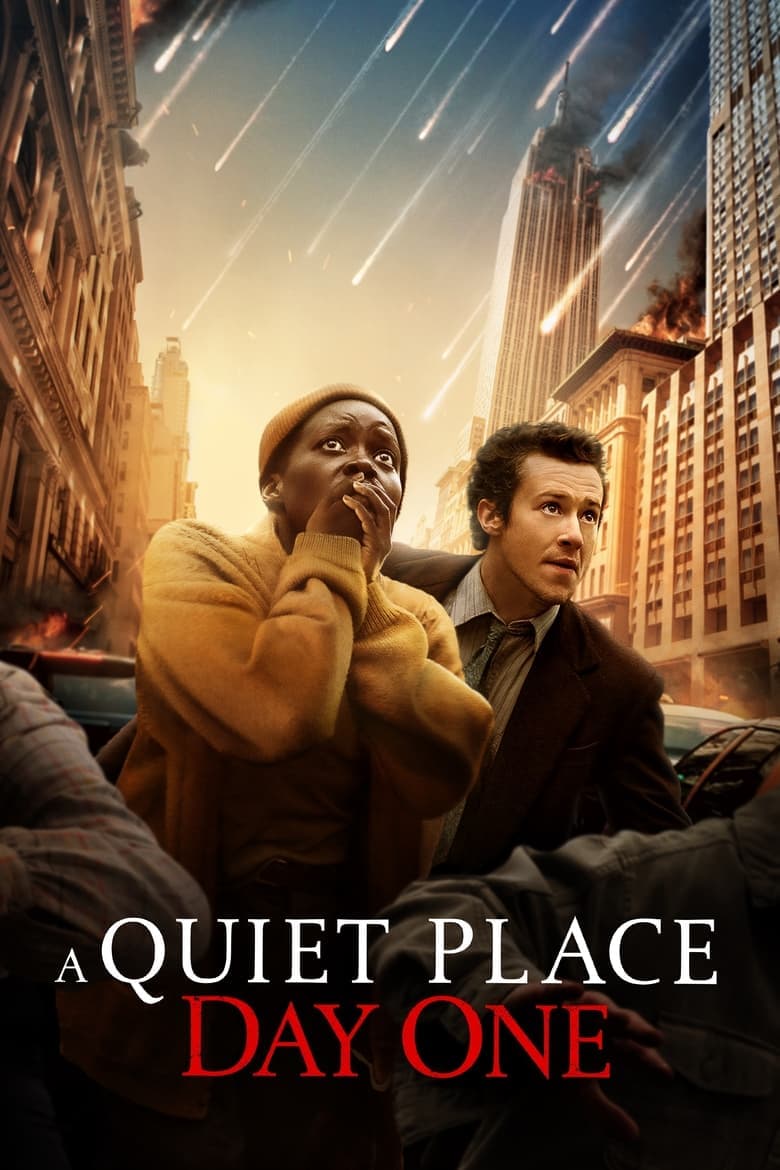
Movie · 2024
As New York City is invaded by alien creatures who hunt by sound, a woman named Sam fights to survive with her cat.
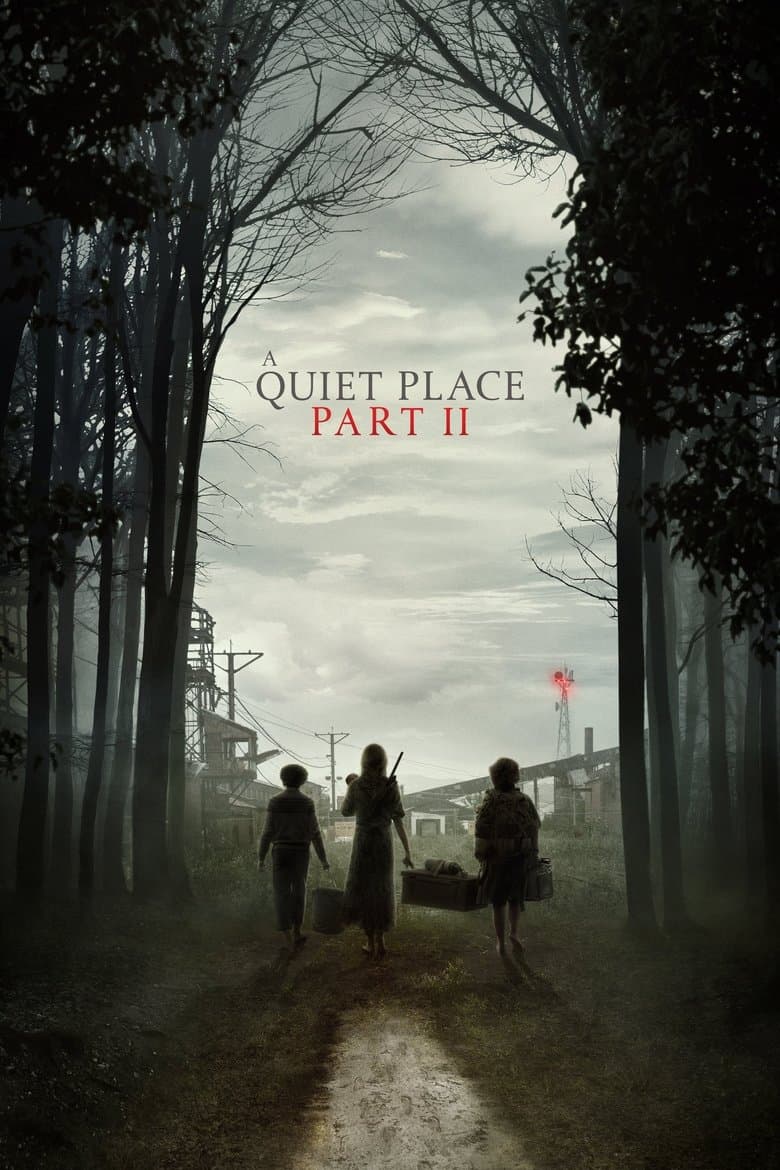
Movie · 2021
Following the events at home, the Abbott family now face the terrors of the outside world. Forced to venture into the unknown, they realize that the creatures that hunt by sound…
