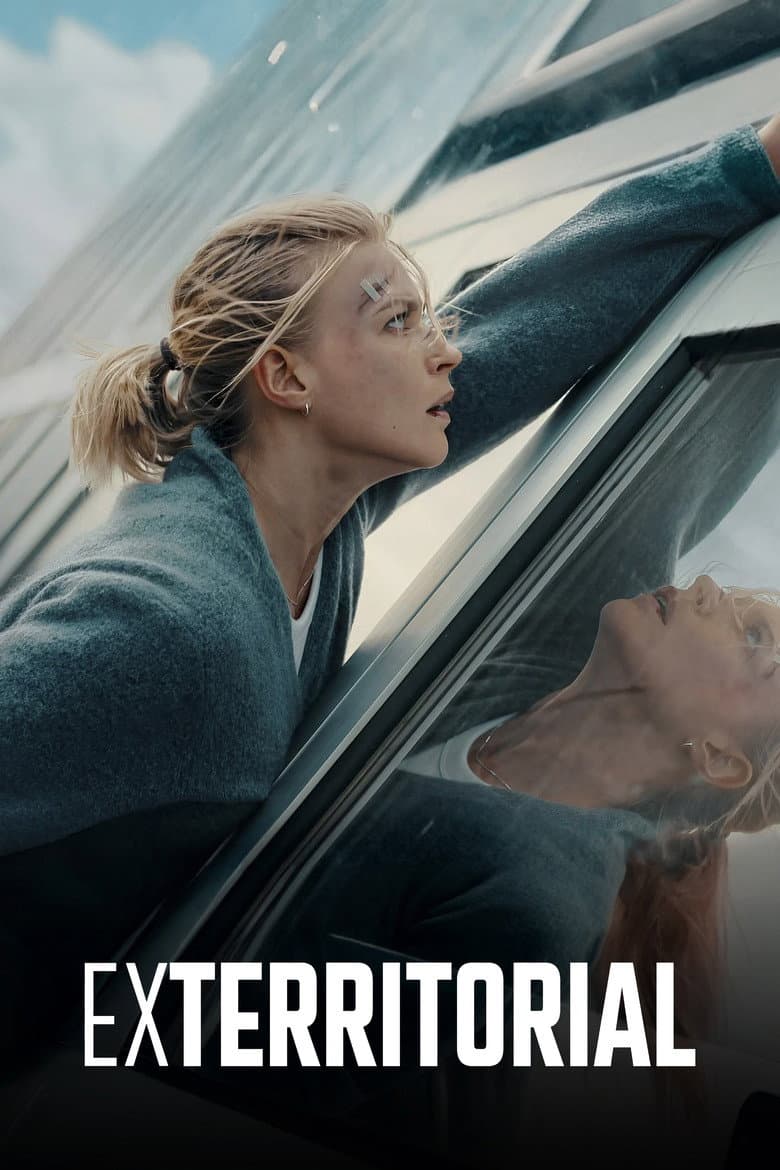
Exterritorial follows Sara Wulf, a former German special forces soldier who wants a new life in the United States with her young son, Josh. During a visa visit to the U.S. consulate in Frankfurt, Josh disappears, yet the staff claim that Sara entered alone. Sara stays inside the protected building and uses her combat skills to search offices, hidden rooms, and security areas while German police cannot enter. The tense action story mixes a missing-child mystery with war trauma, old memories, and a conspiracy tied to Afghanistan.
The clearest woke-coded element is the film’s strong female action focus. Sara is the main fighter and repeatedly defeats male guards and attackers, while Kira becomes her skilled female partner and a woman leads the consulate. The story also shows a German mother raising a mixed-race child whose American father died in the war, but it does not make race, sexuality, or diversity a spoken cause. The film attacks abuse of military and diplomatic power more than it promotes current identity politics, so the woke material is visible but not the whole story.
Community feedback
Was our 53% Woke rating accurate?
Breakdown
These are the editorial factors and ratings behind our score for Exterritorial.
Woke representation / casting
Sara is a German woman who leads the action as a former special-forces soldier. Kira is a female Belarusian refugee who becomes her main ally, and Annabelle Mandeng plays a black woman who leads the U.S. consulate. Sara’s black American husband and mixed-race son are explained by her family story, not by a diversity speech. The repeated choice of women as the fighter, ally, and top official gives the cast a visible representation signal, although the modern consulate can naturally have an international staff.
34%
Woke political dialogue
Not present. The dialogue centers on the missing child, war trauma, military secrets, and consulate rules. No confirmed lines push modern identity politics, DEI, or gender-role activism.
0%
Identity-driven story themes
Sara carries nearly every major action scene as the film’s most capable fighter. Her special-forces training explains her skills, but the story still repeatedly shows her beating male guards and attackers. Kira adds a smart female partner who helps break into systems and joins Sara in a major fight. The women drive the rescue while several men become villains, obstacles, or helpers, creating a recurring girlboss-style pattern. The film does not turn that pattern into a speech about gender, so the theme is strong but not dominant.
53%
Western institutional / cultural critique
The U.S. consulate is shown as a place where officials can hide a kidnapping and control the camera records. Kynch ties the crime to a secret deal from the Afghanistan war and to an effort to silence Sara. The story also says that military leaders cast aside veterans after they become damaged. The plot gives this distrust of U.S. power a large role, but it does not attack capitalism, Christianity, patriarchy, or current identity politics.
38%
Woke character or canon changes
Not relevant. The film is an original story with no established characters or real historical figures being recast. There is no identity-based change to compare with earlier material.
0%
Anti-woke backlash and complaints
Small X posts called the film a Netflix woke-agenda title, rated the trailer 0/10 on a woke-free meter, or objected to the female lead. A Reddit thread repeated complaints that the film was anti-American or anti-war propaganda and that Sara was an unrealistic girl-boss. One Rotten Tomatoes audience review also complained about women holding the heroic roles and the mixed-race family. Major entertainment coverage focused on action and plot logic rather than a culture-war fight.
24%
Creator track record context
Christian Zübert’s earlier work often deals with migration, fitting into a new country, and clashes between cultures. His record also includes mainstream comedies, crime shows, and action or business dramas. Lisa Stutzky’s public casting work stresses wider access for Black and Asian performers. The film’s own interviews stress a mother’s strength, war trauma, and handmade action, so the context supports a moderate signal rather than a clear activist project.
35%
Production
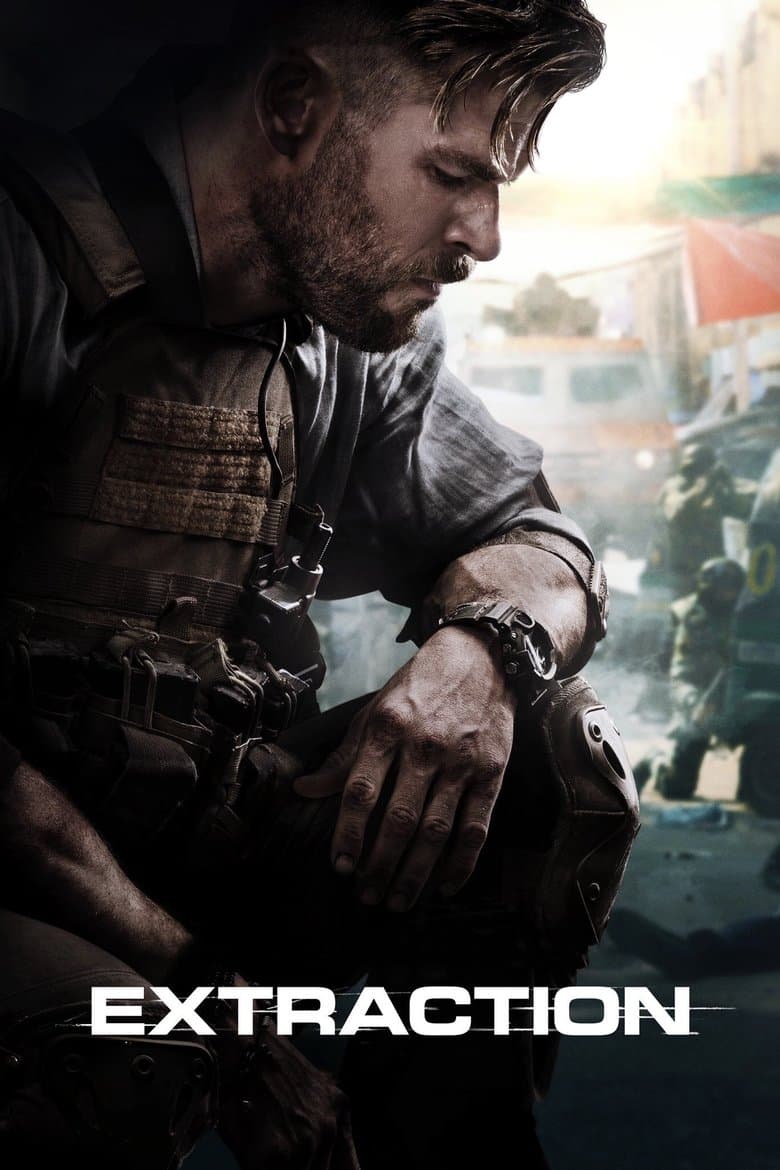
Movie · 2020
A hardened gun-for-hire's latest mission becomes a soul-searching race to survive when he's sent into Bangladesh to rescue a drug lord's kidnapped son.
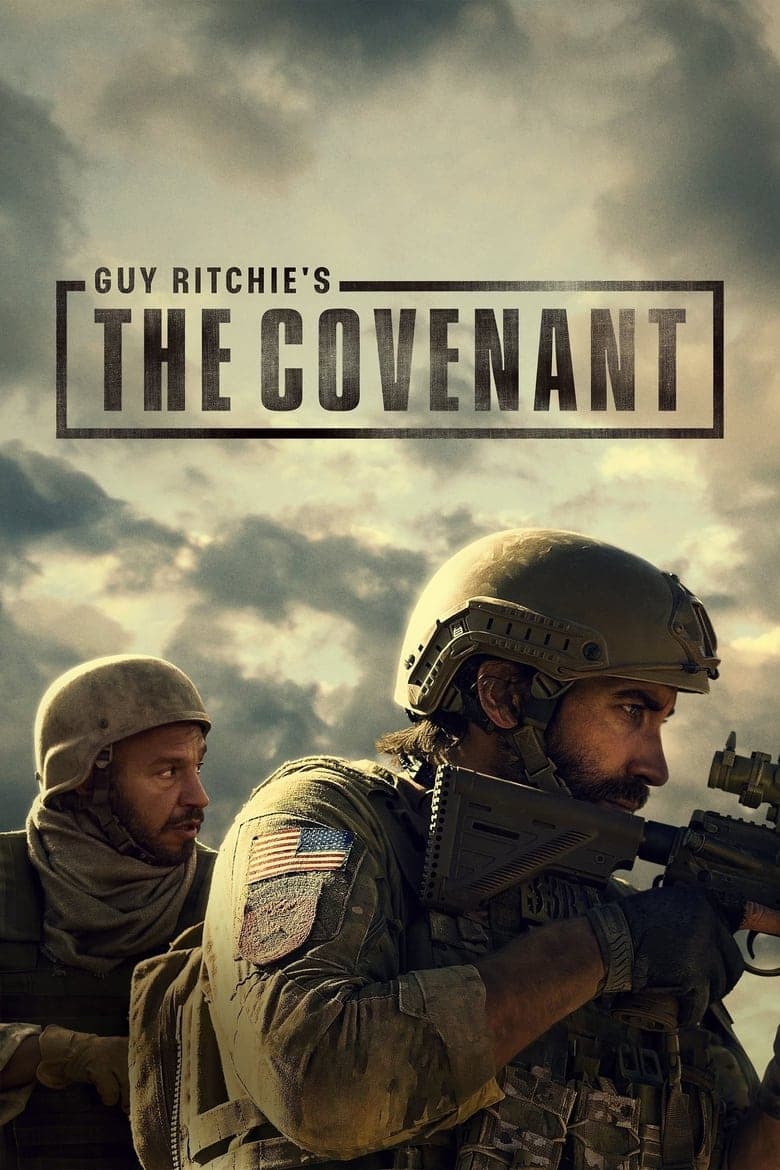
Movie · 2023
During the war in Afghanistan, a local interpreter risks his own life to carry an injured sergeant across miles of grueling terrain.

Movie · 2025
Former assassin Hutch Mansell takes his family on a nostalgic vacation to a small-town theme park, only to be pulled back into violence when they clash with a corrupt operator, a…
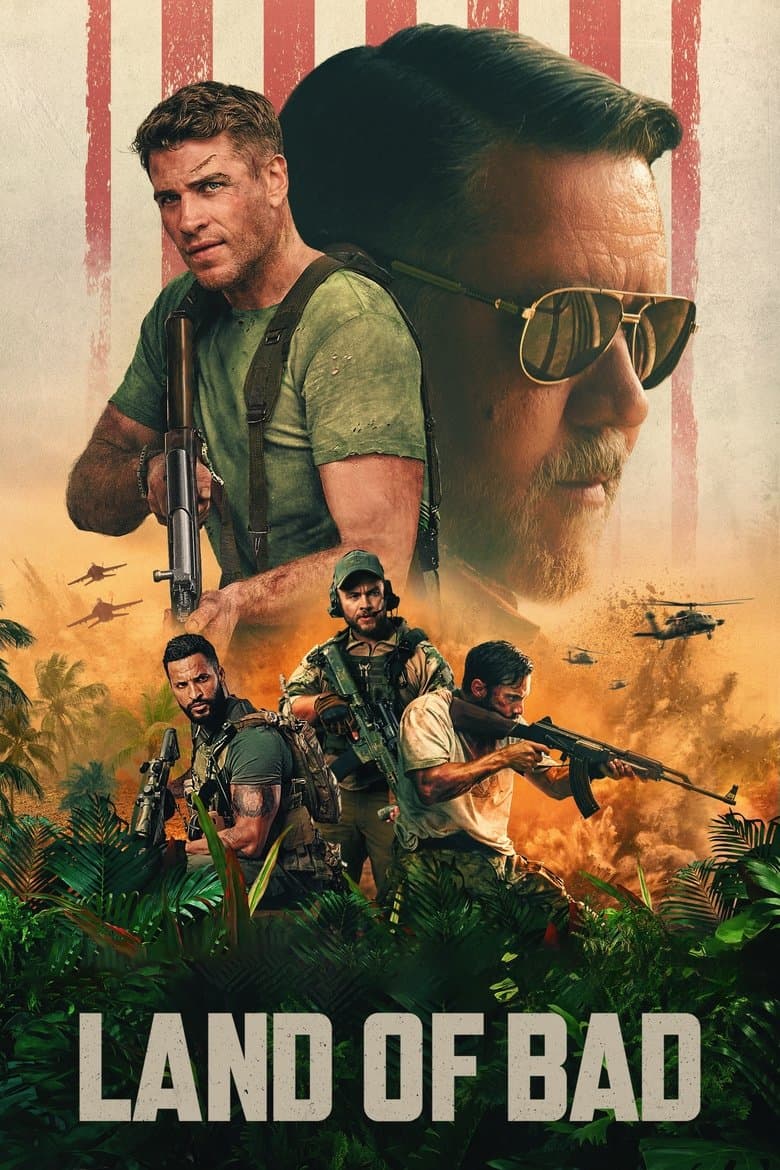
Movie · 2024
When a Delta Force special ops mission goes terribly wrong, Air Force drone pilot Reaper has 48 hours to remedy what has devolved into a wild rescue operation.
Movie · 2017
With the Third Reich at its peak in 1942, the Czech resistance in London plans the most ambitious military operation of WWII – Anthropoid.

Movie · 2023
In a remote Irish village, a damaged Finbar is forced to fight for redemption after a lifetime of sins, but what price is he willing to pay?
Movie · 2018
A gritty crime saga which follows the lives of an elite unit of the LA County Sheriff's Dept. and the state's most successful bank robbery crew as the outlaws plan a seemingly…
Movie · 2021
A former special forces agent is trapped in a time loop and relives his death over and over again. To escape the terrible situation, he must track down those responsible and stop…
