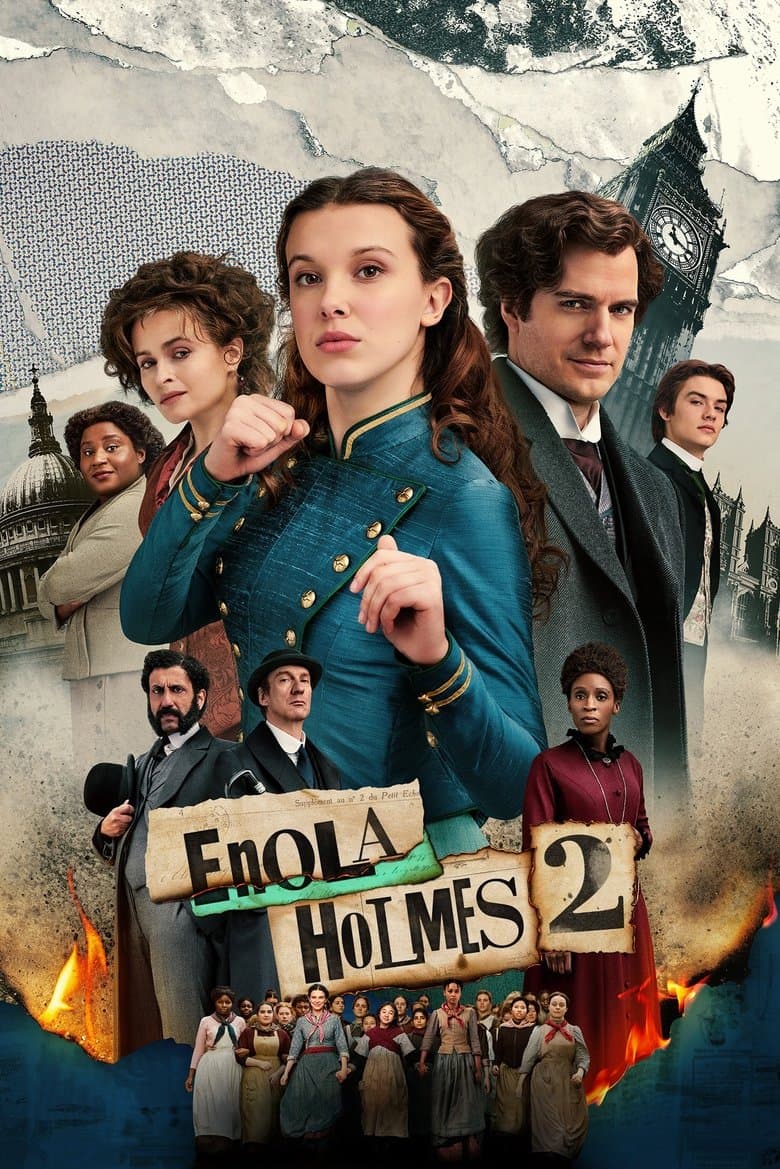
Enola Holmes is a teen detective in late-1800s London. She opens her own agency but people still treat her as less serious than her famous brother Sherlock. Her first big case is to find a missing match-factory girl. The search leads into a deadly secret at the factory and a larger crime plot. The film is a bright mystery-adventure with fights, codes, and a light romance.
The story puts girl power and women’s teamwork front and center. Enola fights hard, proves herself in a man’s world, and helps factory girls stand up to rich, corrupt men. The film is built around a real workers’ strike and frames sisterhood and fair work as the heart of the case. Classic Sherlock names are also changed on purpose: Moriarty is revealed as a black woman, and Watson appears as a South Asian man. A normal viewer would clearly notice the strong female-hero focus, the labor-and-women’s-rights message, and those big character swaps.
Community feedback
Was our 88% Woke rating accurate?
Breakdown
These are the editorial factors and ratings behind our score for Enola Holmes 2.
Woke representation / casting
Clear pattern of diverse casting in a Victorian story. The big one is Moriarty as a black woman (Sharon Duncan-Brewster). Edith is a black martial-arts ally, Lestrade is South Asian, and Watson is played by Himesh Patel. Main leads stay white, so it is not total race-first casting, but the swaps and supporting roles are easy to notice and feel like representation choices.
58%
Woke political dialogue
Characters talk a lot about women not being controlled, Enola not being taken seriously as a girl detective, and factory girls needing to fight unfair bosses. Lines and speeches push fair work and female strength. It is not wall-to-wall modern activist jargon, but the gender and labor talk is frequent and plain.
48%
Identity-driven story themes
The whole case is about missing match girls, toxic work, sisterhood, and women organizing a strike. Enola’s growth is “I” to “we” with other women. Moriarty’s reveal is tied to being overlooked and mistreated as a woman in that world. Gender power and workers’ rights are the core themes, not side notes.
68%
Western institutional / cultural critique
The film hits corrupt police, a crooked government money man, greedy factory owners, and a society that treats girls as weak or useless. Traditional male power often looks cruel or dumb next to skilled women. Some of this fits real history (unsafe factories, unfair laws), but the package is a modern-feeling reform story about sexism and broken power.
55%
Woke character or canon changes
Strong, identity-driven changes to famous Sherlock names. Moriarty becomes Mira Troy, a black woman, instead of the classic white male mastermind. Watson is race-swapped in the cameo. Lestrade is also race-swapped from usual portrayals. These are not small updates; they rewrite iconic figures for diversity and gender flip.
72%
Anti-woke backlash and complaints
Real but limited. Movieguide and blogs called out woke casting, feminism, and agenda. Online posts mock black female Moriarty, girl-boss fights, and “Netflix PC” tone. It was not a huge nationwide boycott story; most big reviews stayed positive. Complaints exist and match anti-woke framing, just not at the loudest level.
38%
Creator track record context
Mix of voices. Writer Jack Thorne (62) brings the strongest activist record and designs the films around reform themes. Bradbeer (20) is milder but sells this entry as feminist sisterhood. Springer (25) and Millie Bobby Brown (35) add classic girl-power and progressive ally notes. Most producers score near zero. Overall mid-range creator signal.
42%
Production
Movie · 2016
Industrious high school senior Vee Delmonico has had it with living life on the sidelines. When pressured by friends to join the popular online game Nerve, Vee decides to sign up…

Movie · 2017
A private investigator helps a former flame solve the murder of her wealthy grandfather, who lived in a sprawling estate surrounded by his idiosyncratic family.
Movie · 2016
Clavius, a powerful Roman military tribune, and his aide, Lucius, are tasked with solving the mystery of what happened to Jesus in the weeks following the crucifixion, in order to…
Movie · 2017
Ren Amari is the driven inventor of a revolutionary new drug. OtherLife expands the brain's sense of time and creates virtual reality directly in the user's mind.
Movie · 2021
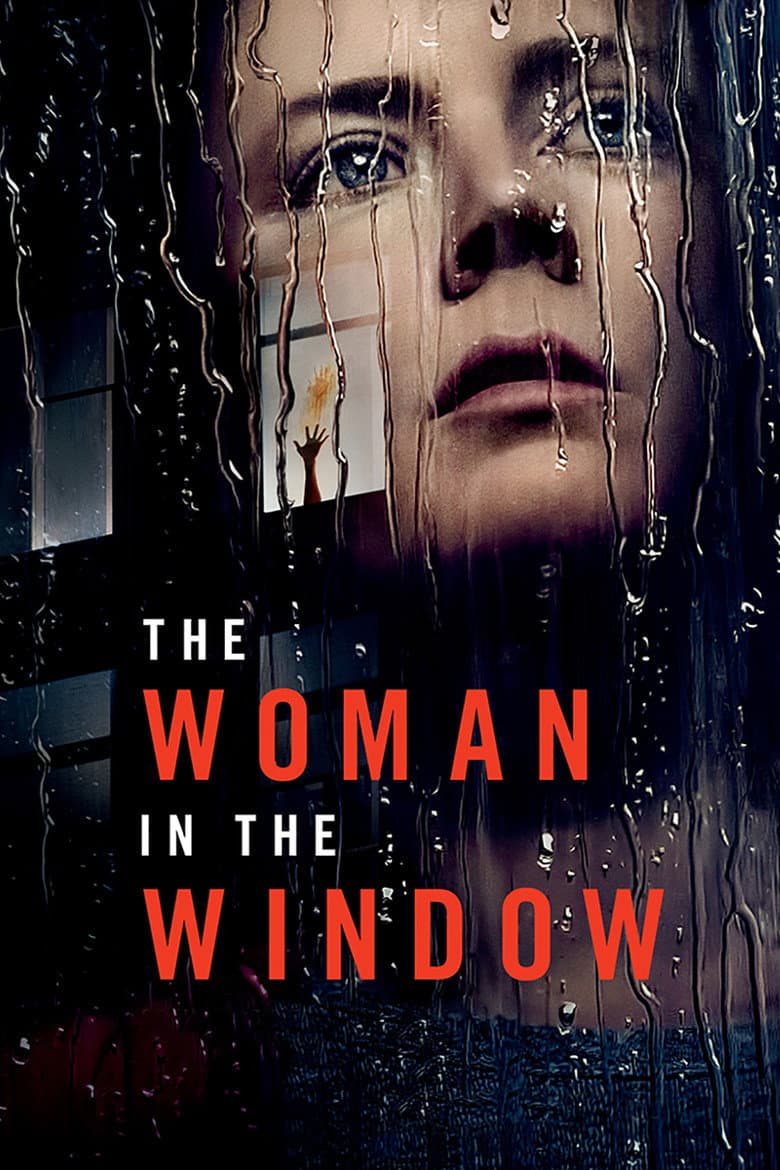
An agoraphobic woman living alone in New York begins spying on her new neighbors only to witness a disturbing act of violence.

Movie · 2025
A treasure-hunting mastermind assembles a team for a life-changing adventure. But to outwit and outrun threats at every turn, he'll need someone even smarter than he is: his…

Movie · 2018
Max and Annie's weekly game night gets kicked up a notch when Max's brother Brooks arranges a murder mystery party -- complete with fake thugs and federal agents.

Movie · 2023
Helena, a woman living a seemingly ordinary life, hides a dark secret—her father is the infamous 'Marsh King', the man who kept her and her mother captive in the wilderness for…
