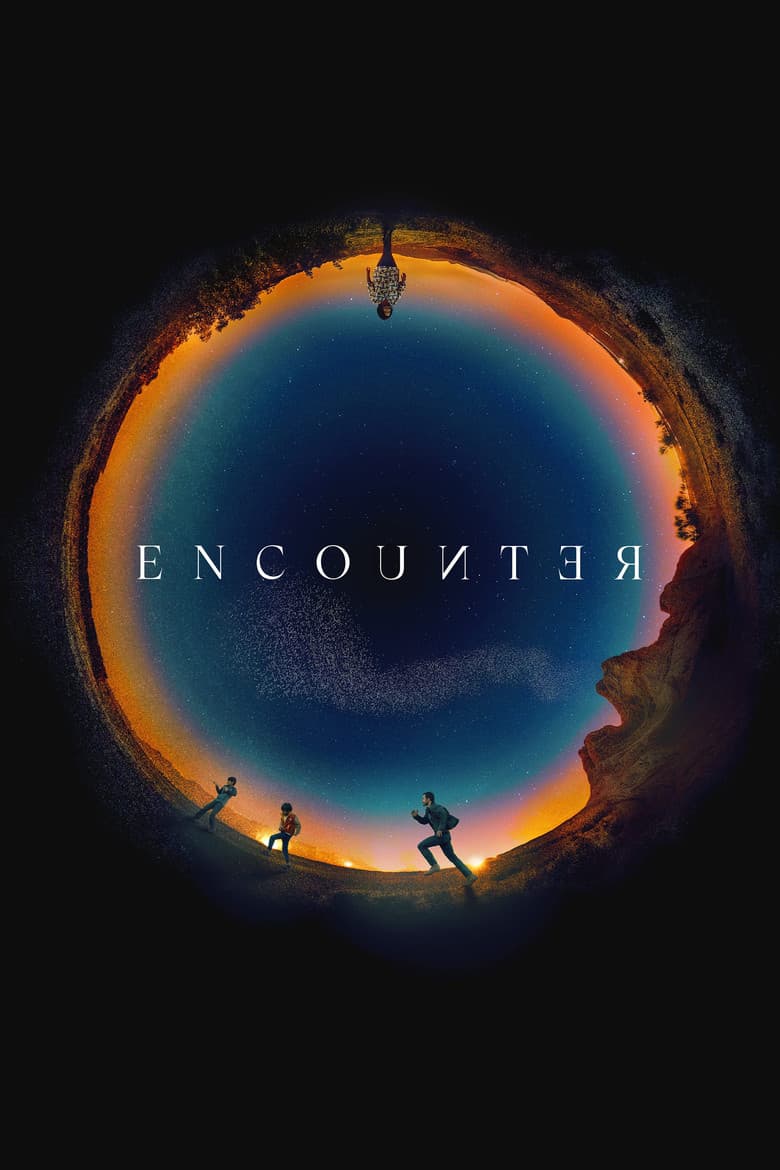
Malik Khan is a former Marine who returns to California after time away from his two young sons. He believes alien parasites have taken over people, so he removes Jay and Bobby from their mother and drives toward a military base in Nevada. The boys soon see that their father is frightened, injured, and not telling the whole truth. The film shifts from an alien survival story into a tense road thriller about war trauma, mental illness, and a family trying to stay alive.
Malik is a South Asian American father, and the film makes his race part of the danger he faces during a police stop and the search for his children. The story shows a black parole officer trying to judge Malik as a person while federal agents treat him as a likely killer. The film also questions the old idea that a father must be the all-powerful head of the family, because Jay must protect Bobby and later help Malik. These points sit inside the main story, while the strongest themes remain trust, fear, fatherhood, and the cost of war.
Community feedback
Was our 47% Woke rating accurate?
Breakdown
These are the editorial factors and ratings behind our score for Encounter.
Woke representation / casting
Riz Ahmed plays Malik Khan as a South Asian American former Marine and central lead. Octavia Spencer plays Hattie, a black parole officer with a meaningful role in the search. The original role was written for a white man, and the film’s interviews present the change as bringing more South Asian representation to a usual white hero part. The choice affects the police scenes and Malik’s sense of being shut out, but the story does not build every major role around identity.
50%
Woke political dialogue
Not present. The dialogue centers on alien parasites, war trauma, family, mental illness, and the police chase. The film does not use recurring modern identity, DEI, or activist speeches.
0%
Identity-driven story themes
The film shows Malik’s South Asian background alongside scenes where police treat him with suspicion. The story gives a black parole officer a key role in judging whether Malik is dangerous or worth helping. The story also questions the idea that a father must always be the strongest and most powerful person in the family. Jay grows into a protector who helps save his father, while the main plot remains about PTSD, mental illness, and family trust.
39%
Western institutional / cultural critique
The film shows a police officer using force during a tense stop and federal agents quickly treating Malik as a likely family killer. The story also includes armed civilian men who act as if they can enforce the law themselves. The film connects this fear of authority with Malik’s race, war trauma, and mental illness. Hattie later argues that the system should consider his health, so the film questions institutions without rejecting every part of them.
40%
Woke character or canon changes
Not relevant. Malik, Piya, Jay, Bobby, and Hattie are original characters for this film. The film does not change an established character, a known story, or a real historical figure.
0%
Anti-woke backlash and complaints
Not present. The supplied X pass found no anti-woke reaction. Other audience complaints focused on the genre switch, pacing, and ending rather than woke or identity politics.
0%
Creator track record context
Michael Pearce is mainly known for genre thrillers, but his interviews for this film discuss changing a role written for a white actor and exploring the loss of patriarchal power. Joe Barton has no clear activist pattern in the cached context. Avy Kaufman has a record of work on identity-focused projects, while most producers show little such history. The context is noticeable but does not show a broad activist profile across the full team.
30%
Production

Movie · 2018
Looking to investigate recruitment techniques of ISIS to lure women into Syria, a journalist creates a Facebook profile of a Muslim convert.
Movie · 2021
A truffle hunter who lives alone in the Oregon wilderness must visit Portland to find the mysterious person who stole his beloved foraging pig.
Movie · 2017
Dr. Steven Murphy is a renowned cardiovascular surgeon who presides over a spotless household with his wife and two children.

Movie · 2016
Tom’s birthday dinner party is turned upside down by the unexpected arrival of Alice, an old flame who changed her identity and vanished without a trace 15 years prior.
Movie · 2022
7 years after the case related to Vijay Salgaonkar and his family was closed, a series of unexpected events bring truth to light that threatens to change everything for the…
Movie · 2023
Following the brutal murder of a young real estate agent, a hardened detective attempts to uncover the truth in a case where nothing is as it seems, and by doing so dismantles the…

Movie · 2016
Maureen, mid-20s, is a personal shopper for a media celebrity. The job pays for her stay in Paris, a city she refuses to leave until she makes contact with her twin brother who…
Movie · 2018
During a mysterious thunderstorm, Vera, a young mother, manages to save a life in danger, but her good deed causes a disturbing chain of unexpected consequences.
