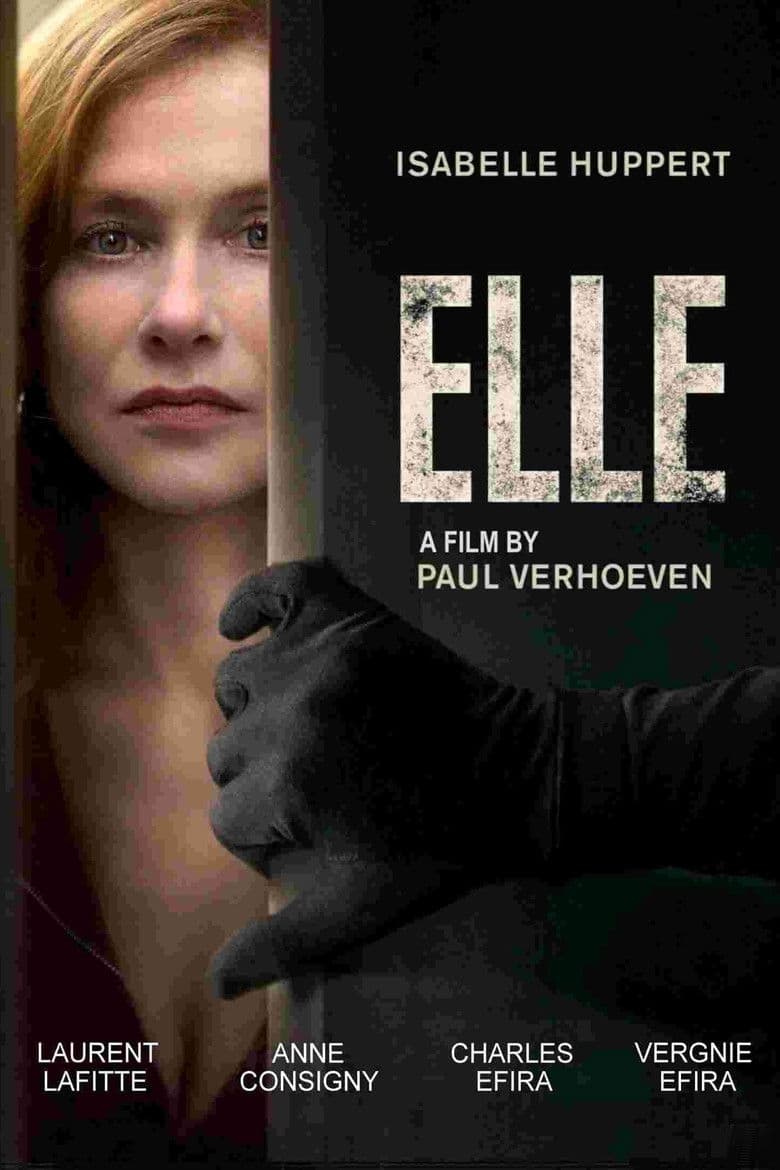
Michèle is a wealthy woman in her fifties who runs a video game company in the Paris suburbs. A masked man attacks her at home, but she refuses to let the attack stop her from working and managing her family. She investigates the attacker while she deals with her son, her former husband, her mother, her best friend, and several lovers. The movie uses dark jokes, sudden violence, sex, and a cold, strange mood.
The story gives Michèle unusual control after the attack, even though she is also cruel, dishonest, and tied to a violent past. She tracks down the attacker and enters a disturbing sexual game with him, so the movie keeps asking how consent, fear, revenge, and desire can overlap. Most of the men around her are weak, selfish, foolish, or violent, while Michèle and Anna control their work and many of their relationships. The story treats female power and sexual freedom as important, but it does not give a simple lesson about women or rape.
Community feedback
Was our 59% Woke rating accurate?
Breakdown
These are the editorial factors and ratings behind our score for Elle.
Woke representation / casting
Not present. The main cast fits a present-day French setting and the story’s original characters. The film does not use a diversity-first cast or present its female leaders as a public identity statement.
0%
Woke political dialogue
Several short lines discuss whether Michèle should be treated as a victim after rape. One line refers to The Second Sex while contrasting a woman’s mind with her looks. These moments are brief and do not become a political speech.
24%
Identity-driven story themes
Michèle’s rape, her refusal to act like a helpless victim, and her choice to confront the attacker drive the whole movie. The story repeatedly links sex, fear, control, and female agency. The film also makes Michèle and Anna the strongest work partners while many men are weak, selfish, or violent. The movie leaves the moral message unclear, but its central subject is gendered power and sexual freedom.
67%
Western institutional / cultural critique
The film shows a male-heavy game studio making violent sexual fantasies about women. The story presents male entitlement, abuse, and weak family roles as repeated problems. Michèle distrusts the police because of her past, and a devout Catholic household stands beside the story’s sexual and moral hypocrisy. The film mainly attacks personal power and the manners of wealthy people, so its wider institutional critique stays moderate.
46%
Woke character or canon changes
Not relevant. The film adapts Philippe Djian’s novel but does not change a character’s race, gender, or sexuality to make an identity point. Its shift from a screenwriting company to a video game company is a story and setting change.
0%
Anti-woke backlash and complaints
Not present. Public complaints centered on rape scenes and whether the film was misogynistic or harmful, rather than saying it was too woke or too political. The separate X pass found no anti-woke complaints, while a few right-leaning accounts praised the film as not woke.
0%
Creator track record context
Verhoeven’s cached score is 57, and his work often centers women with strong sexual freedom, male violence, and attacks on social hypocrisy. Djian’s cached score is 52 and Birke’s is 54, with both writers linked to stories about gender, rape, and female agency. The cached producer and crew scores are lower, and the group has no strong DEI or activist public persona, so the context is moderate.
48%
Production
Movie · 2024
During the 1972 Munich Olympics, an American sports broadcasting crew finds itself thrust into covering the hostage crisis involving Israeli athletes.
Movie · 2018
Two lifelong friends head up to an isolated Scottish Highlands village for a weekend hunting trip that descends into a never-ending nightmare as they attempt to cover up a…

Movie · 2016
When Iraq invades Kuwait in August, 1990, a callous Indian businessman becomes the spokesperson for more than 170,000 stranded countrymen.
Movie · 2017
A traumatized veteran, unafraid of violence, tracks down missing girls for a living. When a job spins out of control, his nightmares begin to overtake him, and a conspiracy is…
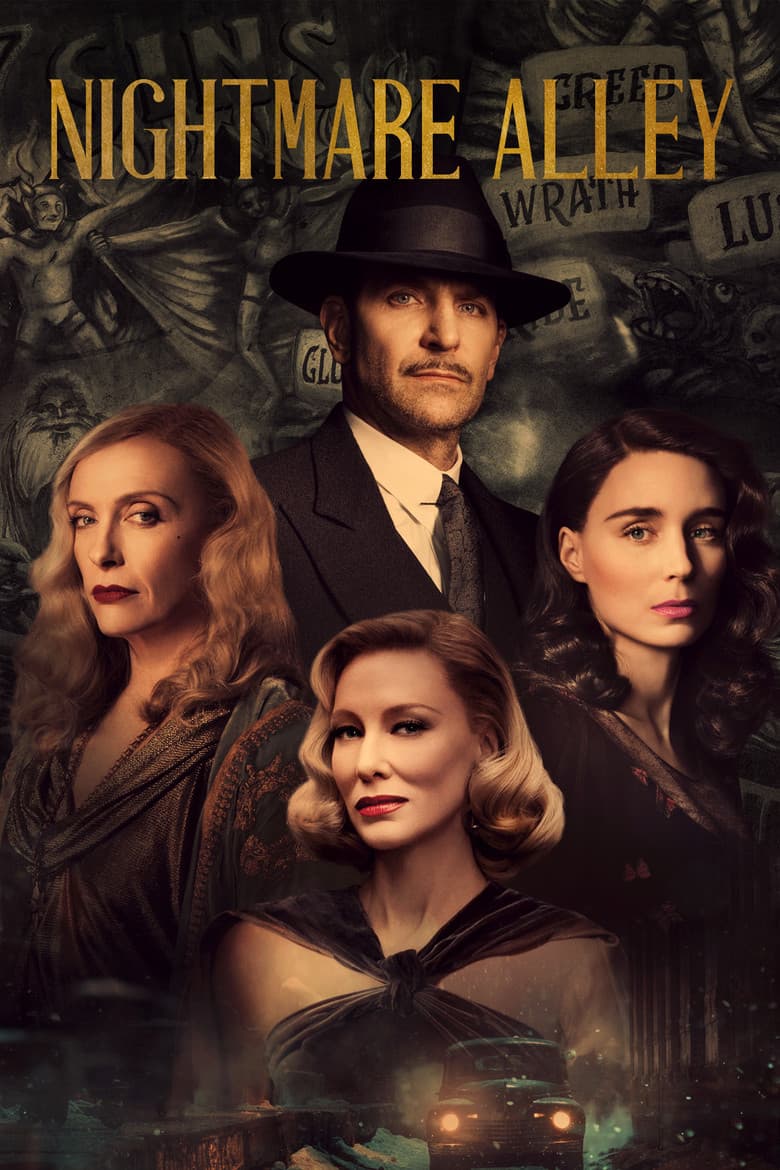
Movie · 2021
An ambitious carnival man with a talent for manipulating people with a few well-chosen words hooks up with a female psychologist who is even more dangerous than he is.
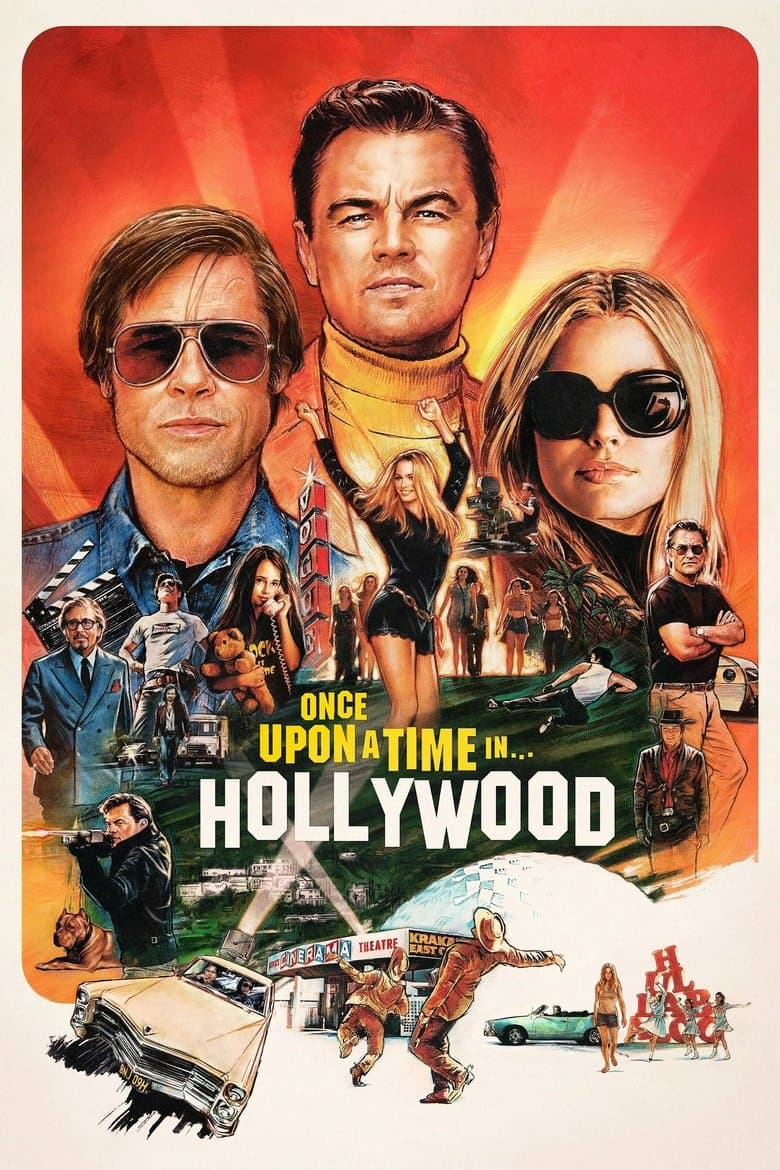
Movie · 2019
Los Angeles, 1969. TV star Rick Dalton, a struggling actor specializing in westerns, and stuntman Cliff Booth, his best friend, try to survive in a constantly changing movie…
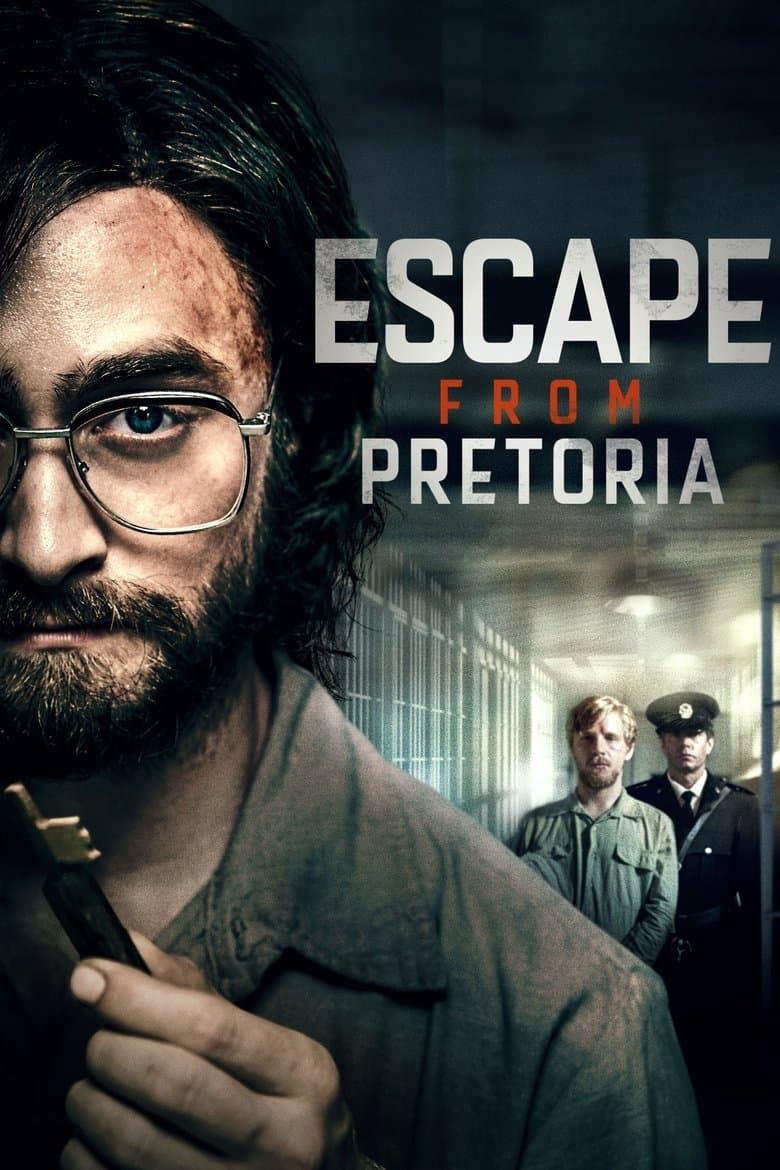
Movie · 2020
South Africa, 1978. Tim Jenkin and Stephen Lee, two white political activists from the African National Congress imprisoned by the apartheid regime, put a plan in motion to escape…

Movie · 2019
A charismatic New York City jeweler always on the lookout for the next big score makes a series of high-stakes bets that could lead to the windfall of a lifetime.
