
Pete and Billie Stanton take their two sons to a costly ski resort in the Austrian Alps. Pete is still grieving his father, while Billie feels that Pete is checked out and too busy chasing fun. When a controlled avalanche seems to threaten the family, Pete runs away with his phone while Billie holds the boys close. The snow causes no deaths, but the moment breaks their trust. The movie uses dark jokes, awkward fights, and tense family drama to show how one choice can expose old problems.
The strongest woke element is the movie’s repeated focus on Pete’s failure as a husband and father and on Billie demanding that he admit what he did. Billie has a more active role than the wife in the Swedish film Force Majeure, and the story lets her press the case while Pete is shown as weak, selfish, and stuck in a crisis about manhood. A friend tells Billie that she has a right to be angry, which gives the conflict a modern gender-role angle. The story also shows that Billie is not perfect because she considers another man, uses the children during an argument, and later jumps away from danger herself. The movie ends by asking whether a family can rebuild trust after both adults face their own selfish choices.
Community feedback
Was our 48% Woke rating accurate?
Breakdown
These are the editorial factors and ratings behind our score for Downhill.
Woke representation / casting
Not present. The film uses ordinary modern casting for an American family and an Alpine resort. The film does not turn race, gender, or diversity into a story message.
0%
Woke political dialogue
Billie is told that she has a right to be angry after Pete leaves the family. Rosie calls Pete’s action wrong and says she would leave Zach if he did the same thing. The characters use gendered language when they call Pete a “pussy” after he runs away. The movie has no speech about politics, DEI, or identity rights.
25%
Identity-driven story themes
Pete’s panic and refusal to admit it drive the whole marriage crisis. Billie is repeatedly shown protecting the boys, naming Pete’s failure, and demanding that he show he wants to be part of the family. The movie tests Pete’s expected role as the man who protects everyone. Billie also makes bad choices and jumps away from danger at the end, so the story does not make her a perfect hero. The theme is important, but it stays focused on one marriage.
44%
Western institutional / cultural critique
Pete is expected to protect his wife and sons, but he runs and then hides behind excuses. The story makes his shame and fear of looking weak a repeated source of conflict. Billie is allowed to challenge him and demand an honest answer, but the film also shows her anger and selfish choices as harmful. The film does not attack religion, capitalism, or Western institutions in a broad way.
31%
Woke character or canon changes
Downhill changes the source family’s daughter into a second son. The new family setup makes both children boys, while the remake also gives Billie more active scenes. The film does not make this change part of a larger race, sexuality, or identity campaign.
16%
Anti-woke backlash and complaints
A niche essay accused the remake of anti-male politics and a quasi-feminist agenda. The writer pointed to the two sons, Billie’s larger role, and the ending where Pete must prove himself. Most audience discussion focused on weak humor, awkward drama, or the remake being worse than Force Majeure. The separate X pass found no anti-woke reaction, so the complaint record is small and fringe.
12%
Creator track record context
Jim Rash has a visible history of LGBTQ representation and queer-focused work. Nat Faxon has a mostly mainstream comedy record with little public activism. Jesse Armstrong and Ruben Östlund often write about class, power, gender, wealth, and social behavior. Julia Louis-Dreyfus has a public progressive and feminist record. The movie uses some gender tension, but it does not make identity politics its main subject.
40%
Production
Movie · 2024
Pansy is a woman so full of rage that every interaction she has devolves into lashing out, whether at her utterly cowed husband and son, or random strangers who have the temerity…
Movie · 2023
Two mismatched entrepreneurs – egghead innovator Mike Lazaridis and cut-throat businessman Jim Balsillie – joined forces in an endeavour that was to become a worldwide hit in…
Movie · 2025
Tenderly captures a year in the life of a family as the parents navigate their separation. Through both playful and heartfelt moments, the film portrays the bittersweet essence of…
Movie · 2019
The story of Mötley Crüe and their rise from the Sunset Strip club scene of the early 1980s to superstardom.
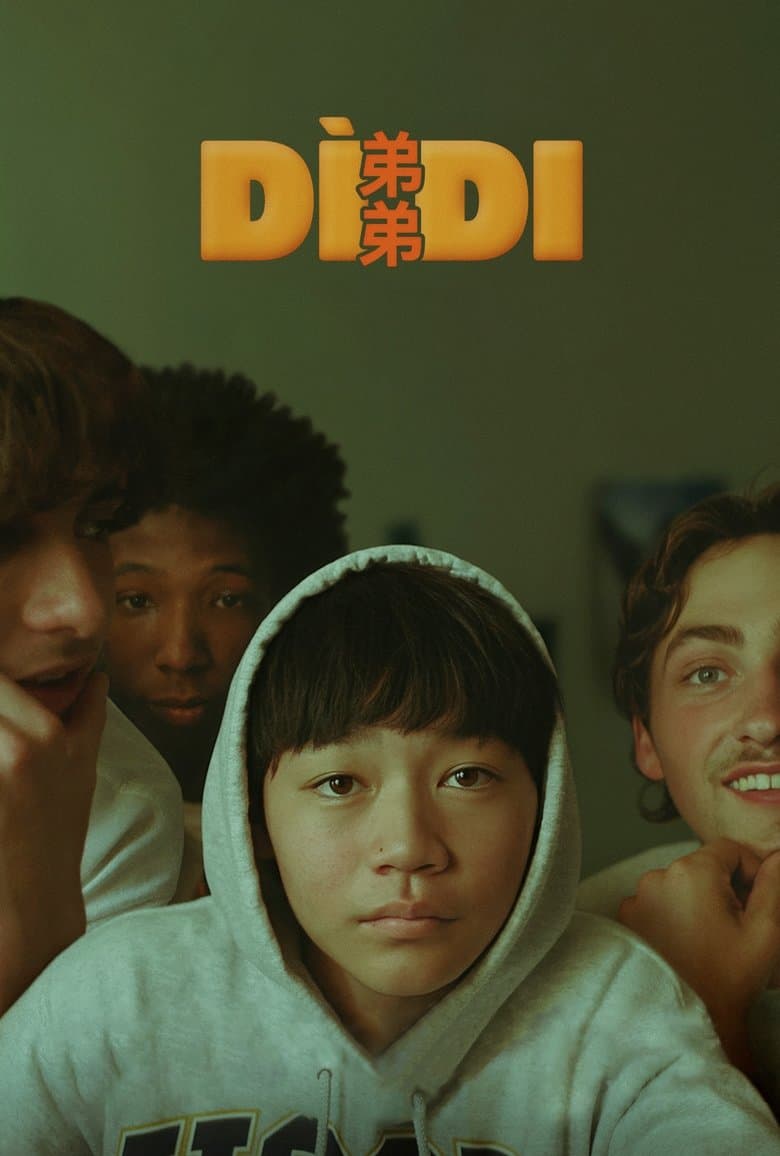
Movie · 2024
In 2008, during the last month of summer before high school begins, an impressionable 13-year-old Taiwanese American boy learns what his family can't teach him: how to skate, how…
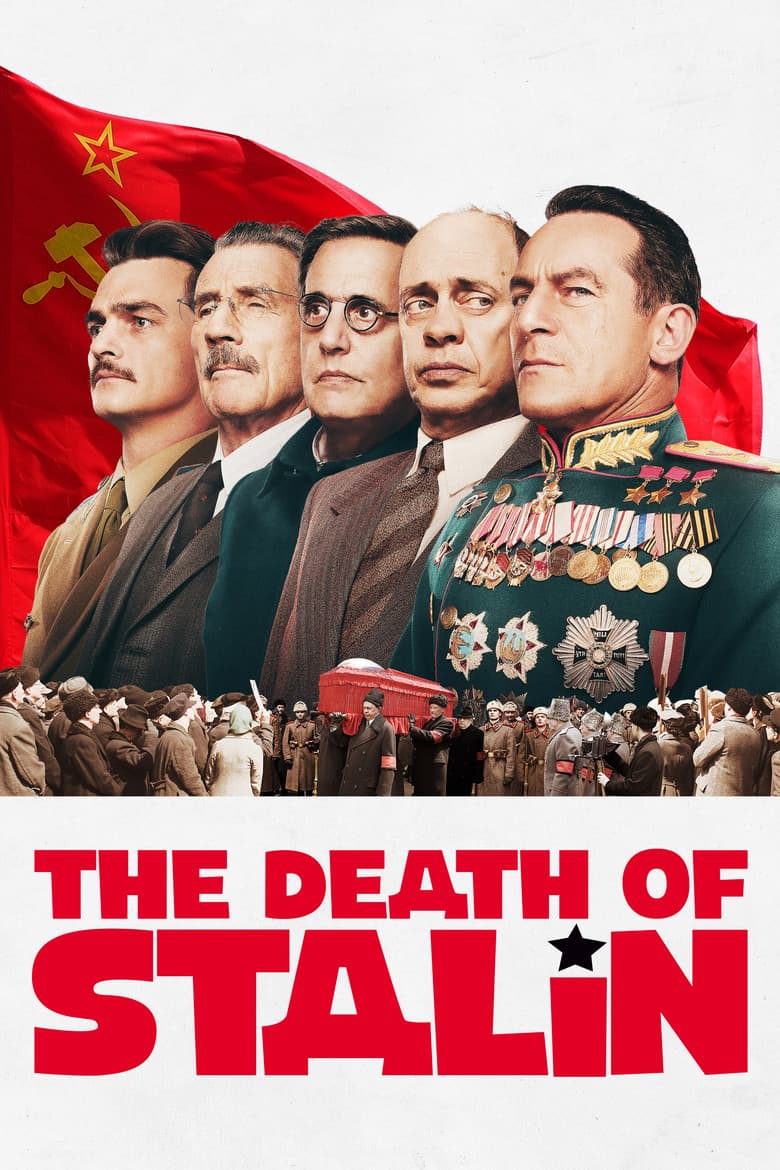
Movie · 2017
When dictator Joseph Stalin dies, his parasitic cronies square off in a frantic power struggle to become the next Soviet leader.
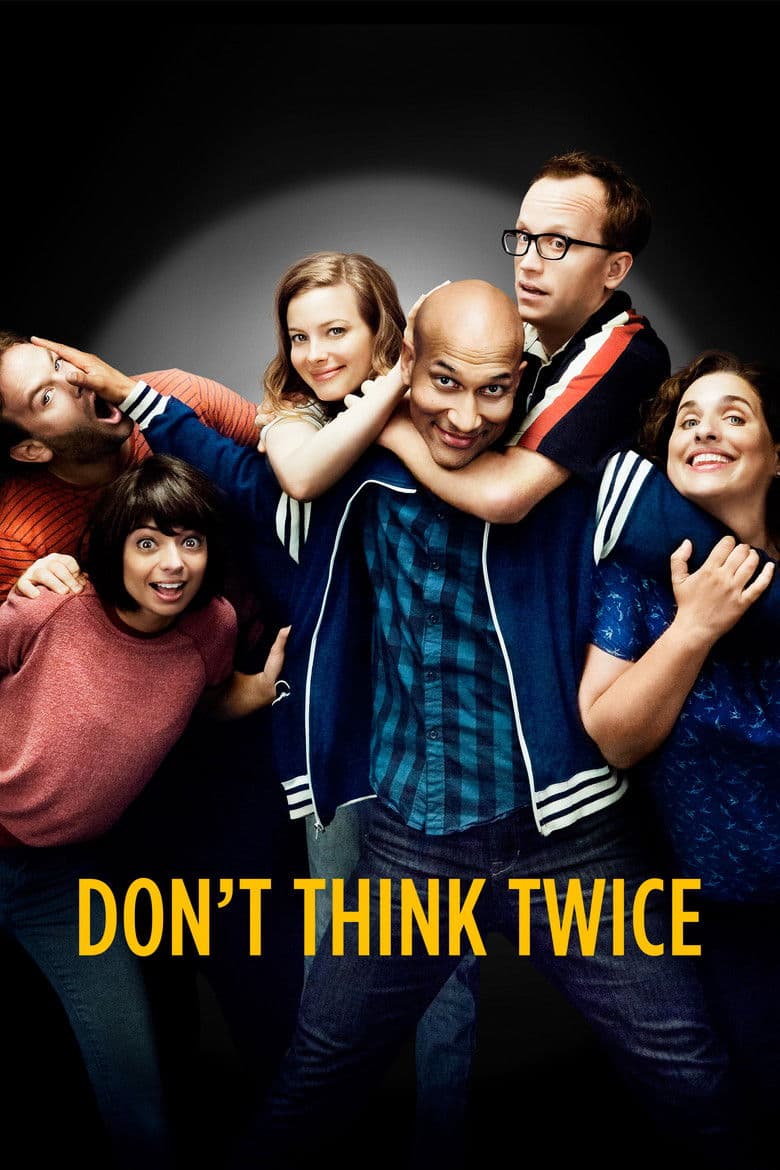
Movie · 2016
An improv group deals with several crises, including the loss of their lease and one member hitting the big time.

Movie · 2024
Mismatched cousins David and Benji reunite for a tour through Poland to honor their beloved grandmother. The adventure takes a turn when the pair's old tensions resurface against…
