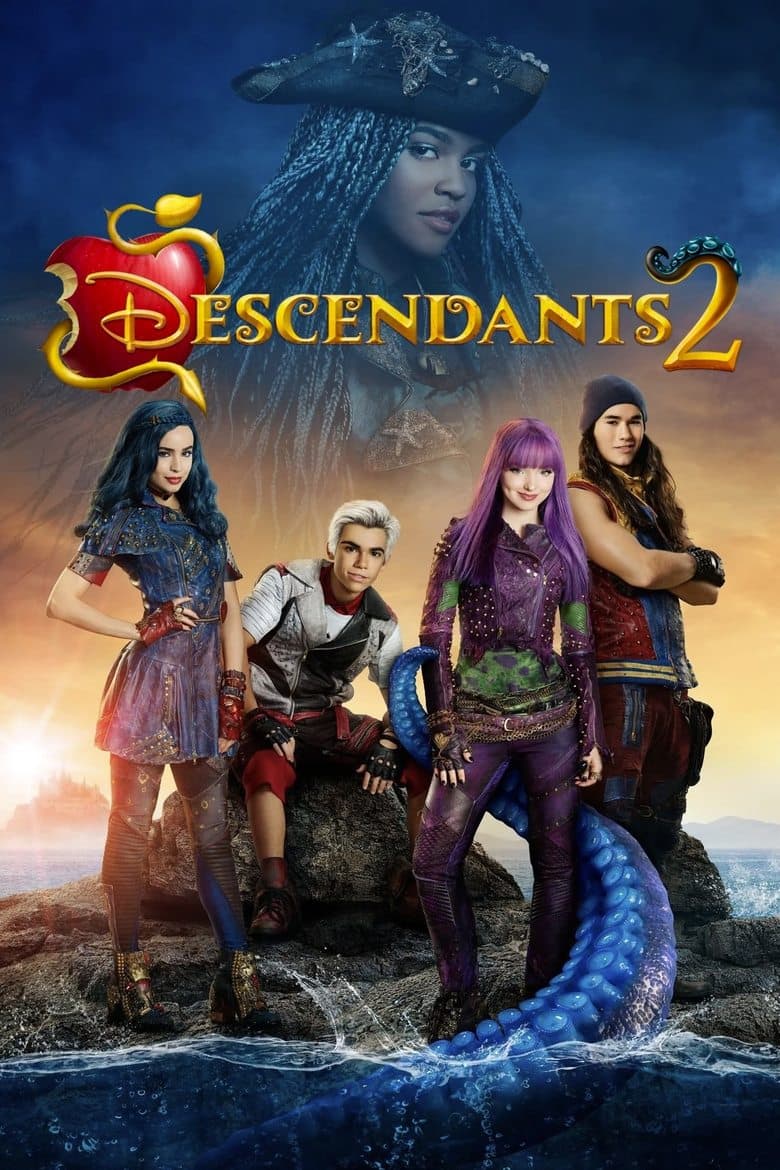
Descendants 2 follows Mal, the daughter of Maleficent, as she struggles with life as the girlfriend of Ben, the future king of Auradon. She feels forced to act like a perfect princess, so she returns to the Isle of the Lost, the rough home she left behind. Uma, the daughter of Ursula, now rules the island and captures Ben to force Auradon to remove the barrier around it. The movie uses bright songs, magic, jokes, sword fights, and a darker but still playful family tone.
The film gives clear space to girl power and being yourself. Lonnie, the daughter of Mulan, is blocked from the all-male fencing team until Jay makes her captain, and the story treats the old rule as wrong. Mal and Evie also learn to stop hiding their past and accept who they are. The barrier story presents the Isle's children as unfairly judged and shut away because of their parents, so the movie also questions an unfair social system. These ideas matter to the plot, but the film remains mainly a musical fantasy about friendship, romance, family history, and choosing one's own path.
Community feedback
Was our 46% Woke rating accurate?
Breakdown
These are the editorial factors and ratings behind our score for Descendants 2.
Woke representation / casting
The film places performers from different racial backgrounds in several major teen roles. China Anne McClain plays Uma, a powerful black female leader, while Sofia Carson plays Evie and Dianne Doan plays Lonnie. The story does not explain these identity choices through character backstories. Director Kenny Ortega also publicly highlighted the film's ethnic diversity.
40%
Woke political dialogue
Chad reads a rule that says the fencing team must have a captain and eight men. Lonnie answers that her mother would have lost the war if she had followed old rules. Jay changes the team by making Lonnie captain. The message about sex-based rules appears mainly in one subplot and does not become a wider political debate.
28%
Identity-driven story themes
Mal changes her hair and behavior to fit Auradon's royal image, then learns to accept her Isle background. Evie also stops hiding where she came from and builds a life through her own talent. Lonnie fights a boys-only team rule and becomes captain. The film repeats messages about self-love and female empowerment, but it does not center race, sexuality, or modern identity politics.
38%
Western institutional / cultural critique
Auradon keeps the Isle of the Lost behind a magical barrier and treats its children as outsiders because of their parents. Uma calls the Isle a prison and tries to bring the barrier down. The story presents this inherited divide as an unfair social system linked to class privilege. The critique stays inside a fairy-tale conflict and does not directly attack capitalism, religion, or modern Western society.
35%
Woke character or canon changes
Not relevant. The sequel expands the Disney villain-child world without making an identity-driven rewrite to a known character.
0%
Anti-woke backlash and complaints
Not present. No clear anti-woke complaints were found. Public discussion focused on songs, characters, the plot, and the deleted Harry and Gil scene.
0%
Creator track record context
Kenny Ortega is openly gay and has a record of supporting LGBTQ+ representation. Several casting directors attached to the film have public diversity-focused work. The writers and producers have no clear activist record in the available background. Ortega also framed this title around ethnic diversity, self-acceptance, and strength beyond sex or age.
40%
Production
Movie · 2024
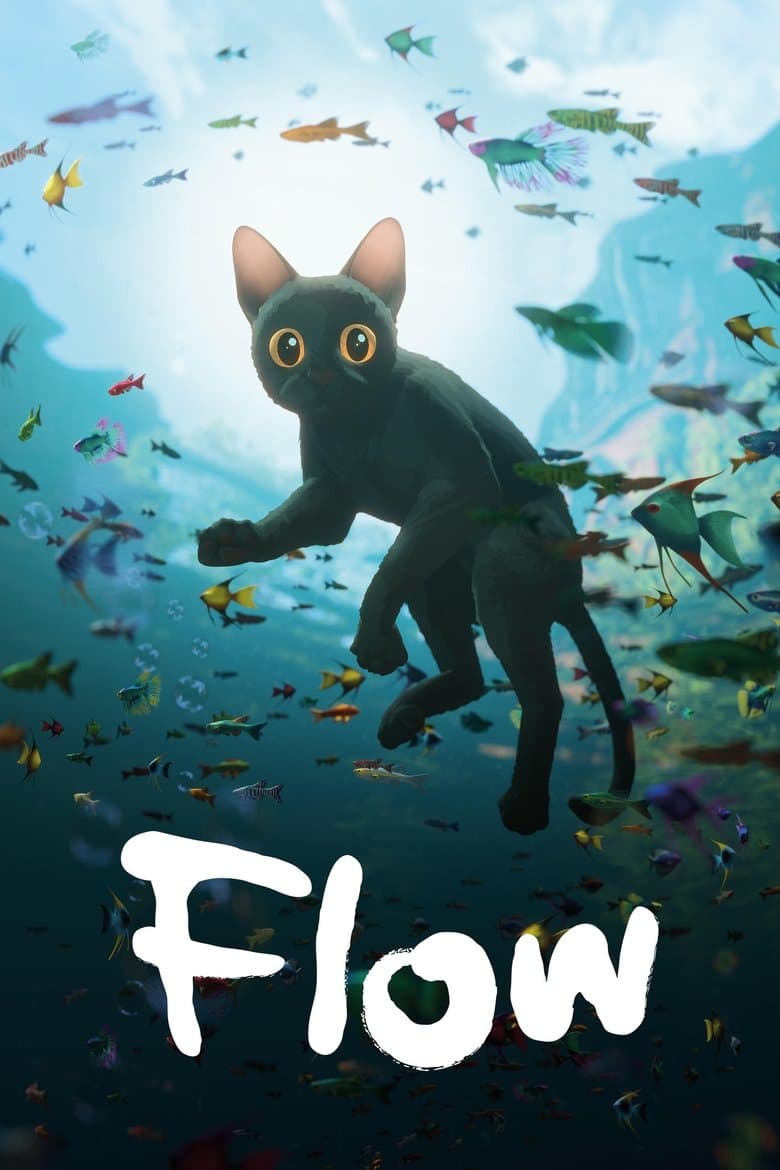
A solitary cat, displaced by a great flood, finds refuge on a boat with various species and must navigate the challenges of adapting to a transformed world together.

Movie · 2020
The previously untold origins of Olaf, the innocent and insightful, summer-loving snowman are revealed as we follow Olaf’s first steps as he comes to life and searches for his…
Movie · 2016
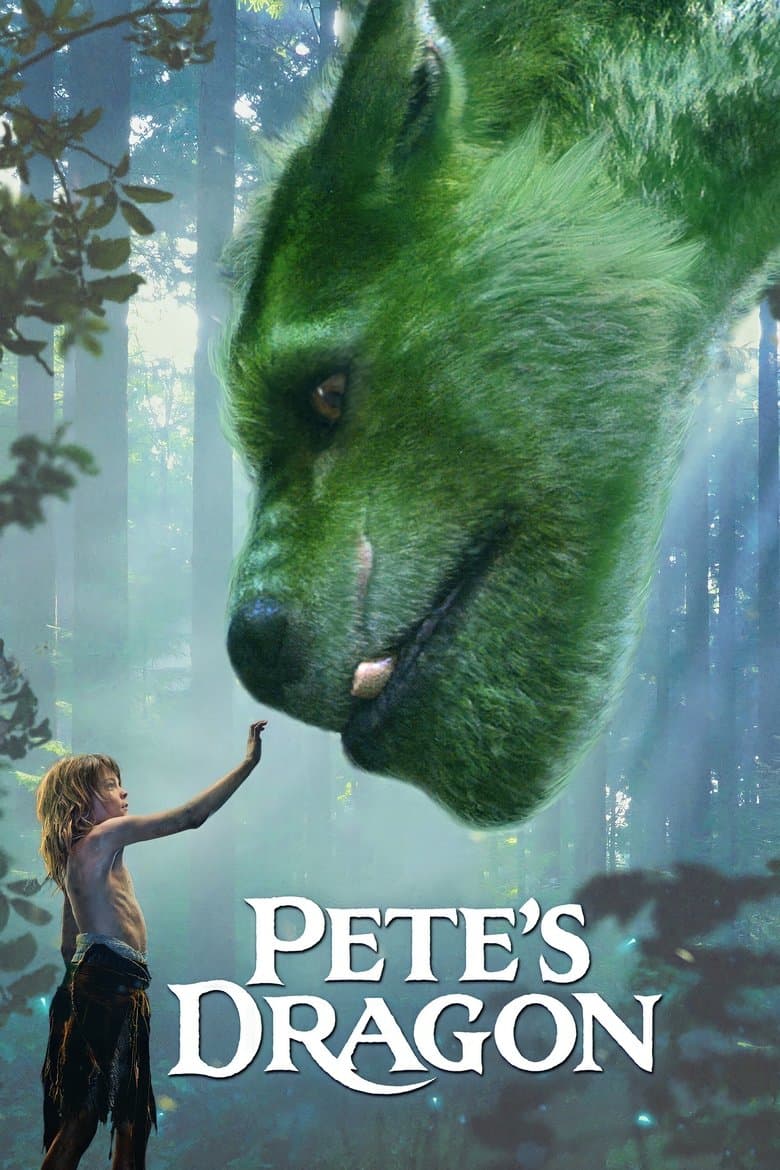
For years, old wood carver Mr. Meacham has delighted local children with his tales of the fierce dragon that resides deep in the woods of the Pacific Northwest.
Movie · 2022
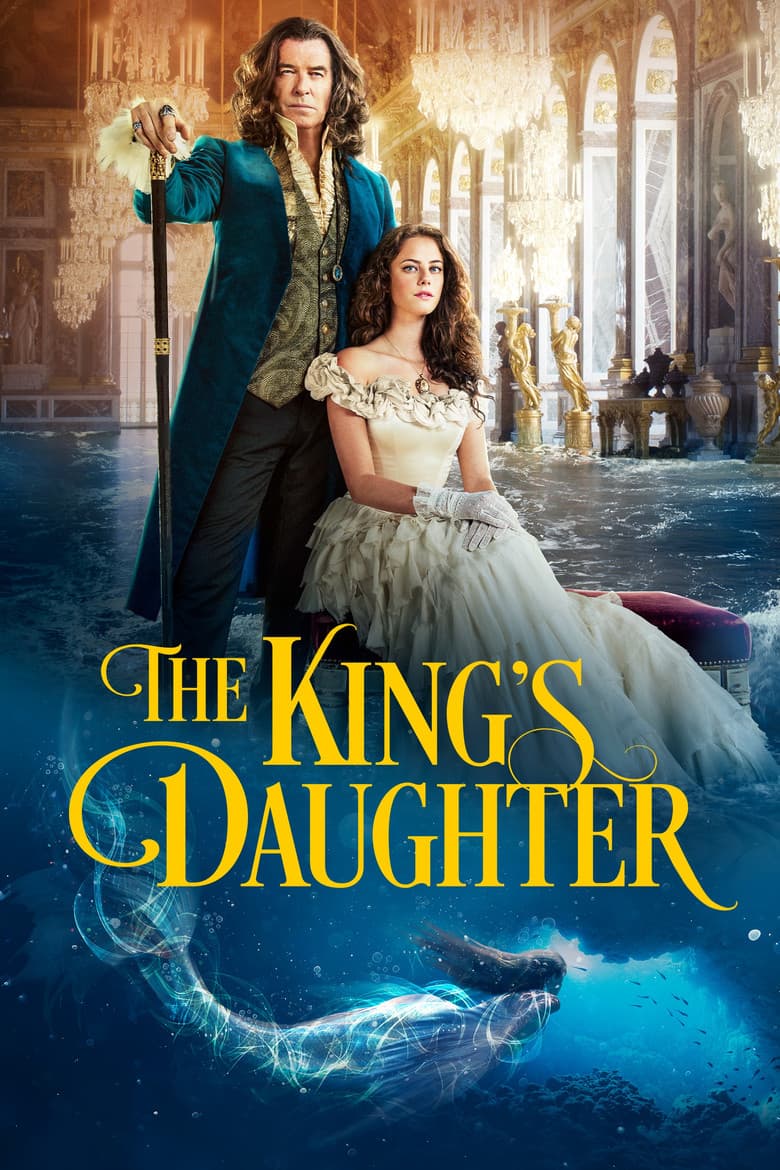
King Louis XIV's quest for immortality leads him to capture and steal a mermaid's life force, a move that is further complicated by his illegitimate daughter's discovery of the…
Movie · 2021
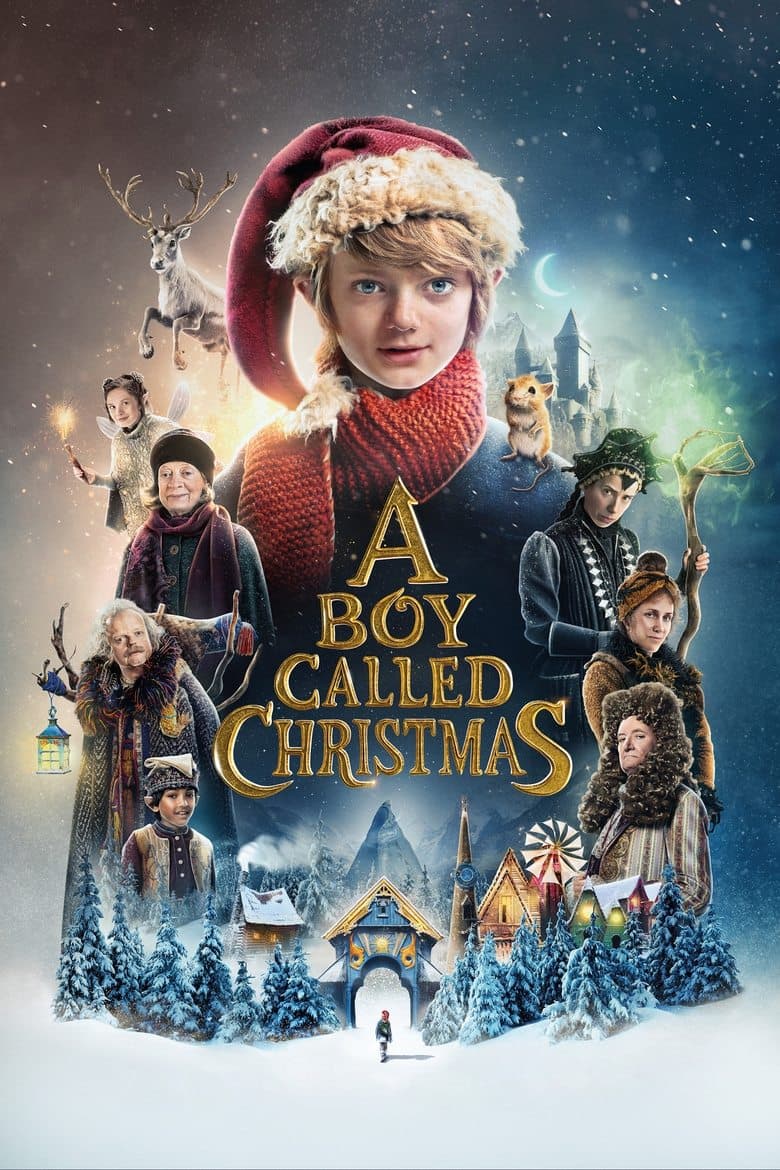
An ordinary young boy called Nikolas sets out on an extraordinary adventure into the snowy north in search of his father who is on a quest to discover the fabled village of the…
Movie · 2017
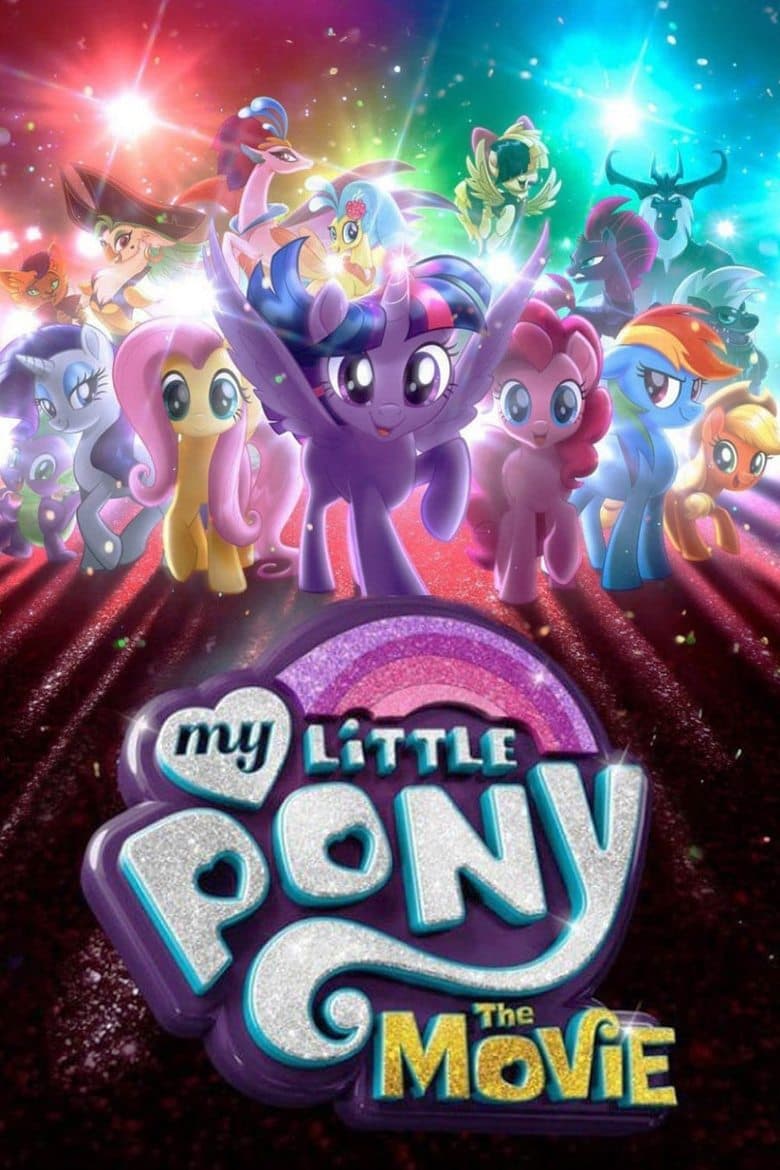
A new dark force threatens Ponyville, and the Mane 6 – Twilight Sparkle, Applejack, Rainbow Dash, Pinkie Pie, Fluttershy and Rarity – embark on an unforgettable journey beyond…
Movie · 2018
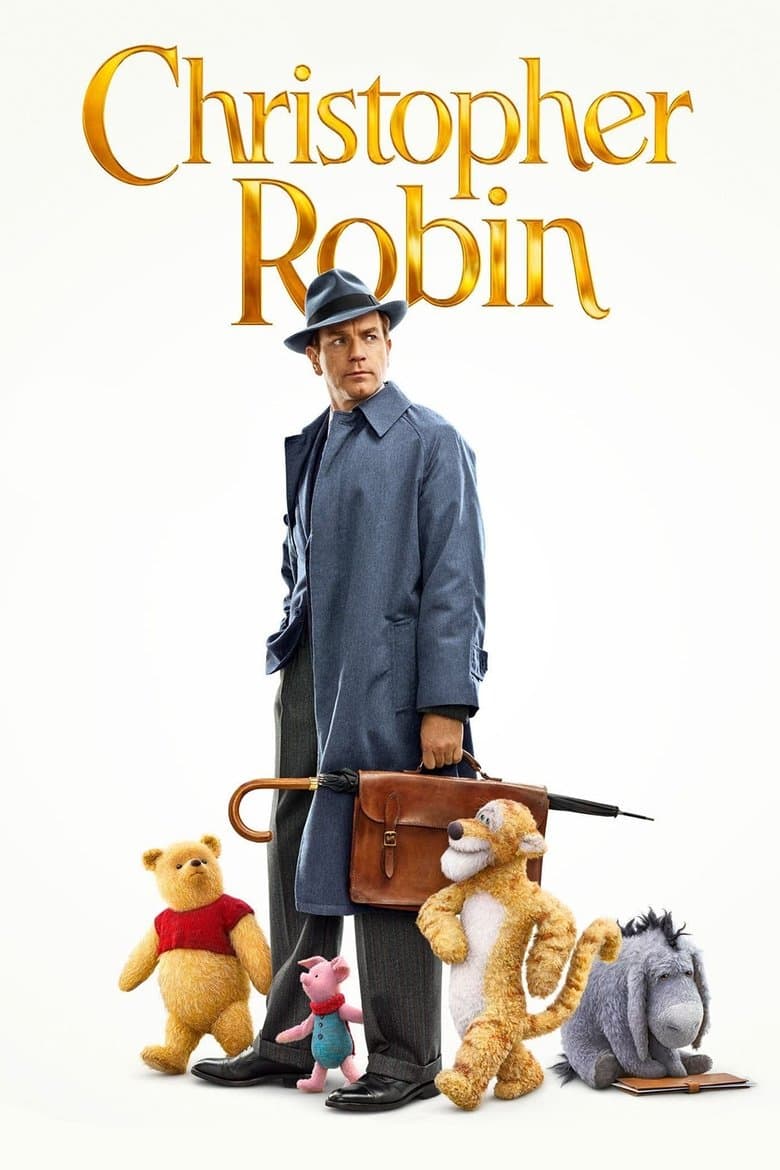
Christopher Robin, the boy who had countless adventures in the Hundred Acre Wood, has grown up and lost his way.
Movie · 2019
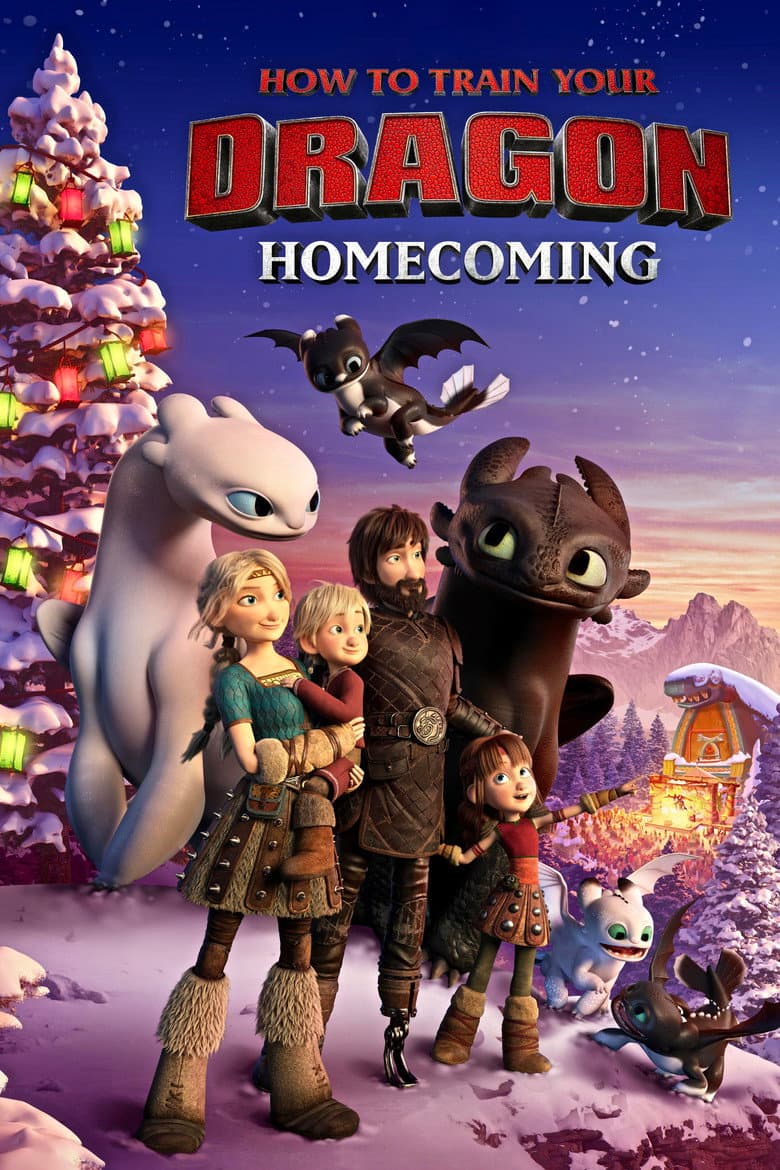
It's been ten years since the dragons moved to the Hidden World, and even though Toothless doesn't live in New Berk anymore, Hiccup continues the holiday traditions he once shared…
