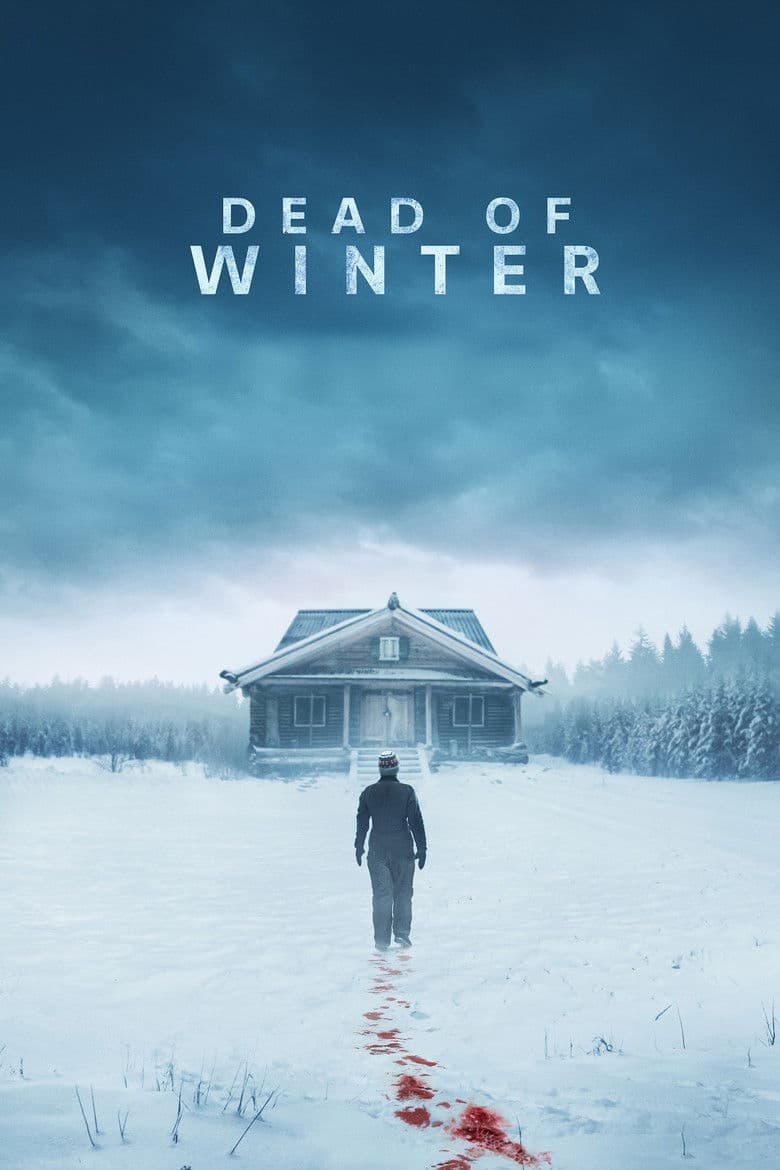
Dead of Winter follows Barb, a widowed fisherwoman who drives alone across snow-covered northern Minnesota to scatter her husband’s ashes. A wrong turn takes her to an isolated cabin, where she discovers that a teenage girl is being held by an armed couple. Barb has no phone signal, her truck is damaged, and the nearest town is hours away. She uses her ice-fishing skills, the frozen lake, and her courage to keep the girl alive. The film is a tense, violent survival thriller with grief, harsh weather, and grim twists.
The film puts an older woman in the action role that many thrillers give to a man. Barb leads the rescue, while another woman becomes the main threat because she wants to stay alive. The story shows female courage, skill, and sacrifice through repeated fights on the ice. These choices make gender part of the film’s message, but the story stays focused on grief, love, kidnapping, and survival.
Community feedback
Was our 28% Woke rating accurate?
Breakdown
These are the editorial factors and ratings behind our score for Dead of Winter.
Woke representation / casting
The film puts an older woman at the center of an action rescue that is often given to a male hero. Barb leads the fights, traps the kidnappers, and carries the rescue through to the end. Judy Greer also plays the main opposing force, so both sides of the central conflict are led by women. Barb’s skills come from ice fishing and rural life, so the film does not treat her as a flawless superhero. Public framing also stresses that Barb is a real female hero instead of a male action figure.
30%
Woke political dialogue
Not present. The characters do not debate elections, parties, race, gender politics, or activist causes. The dialogue stays focused on the kidnapping, survival, grief, and the organ theft plan.
0%
Identity-driven story themes
The main identity-driven theme is female capability in a survival role. An older woman saves a teenage girl while the main villain is also a woman. The film presents Barb as scared, skilled, and willing to risk her life, rather than as a perfect superhuman. This is a clear but limited female-empowerment thread inside a story mainly about grief, kidnapping, and survival.
27%
Western institutional / cultural critique
Not present. The villains are private criminals, and the film does not blame modern Western institutions or social norms for the crime. The hospital connection supports the plot but does not become a wider attack on medicine or public systems.
0%
Woke character or canon changes
Not relevant. The film is an original thriller with no established hero, book character, historical figure, or real event being changed. Its title was first announced as The Fisherwoman.
0%
Anti-woke backlash and complaints
One small trailer-review network labeled the film 0/10 for a “Woke-Free Score.” The posts came from the same small Alfred-branded accounts and had almost no engagement. No repeated anti-woke discussion, boycott call, or large review campaign appeared. The complaint is fringe noise rather than a broad public reaction.
12%
Creator track record context
Emma Thompson has a public record of liberal, climate, feminist, and transgender-rights activism. Elizabeth A. Bell has worked on tribal policy and public film panels about indigenous portrayal. Greg Silverman supported a workshop for underrepresented directors. Brian Kirk and the two writers have no strong public activist record, so the wider creator context remains mild.
20%
Production
Movie · 2026
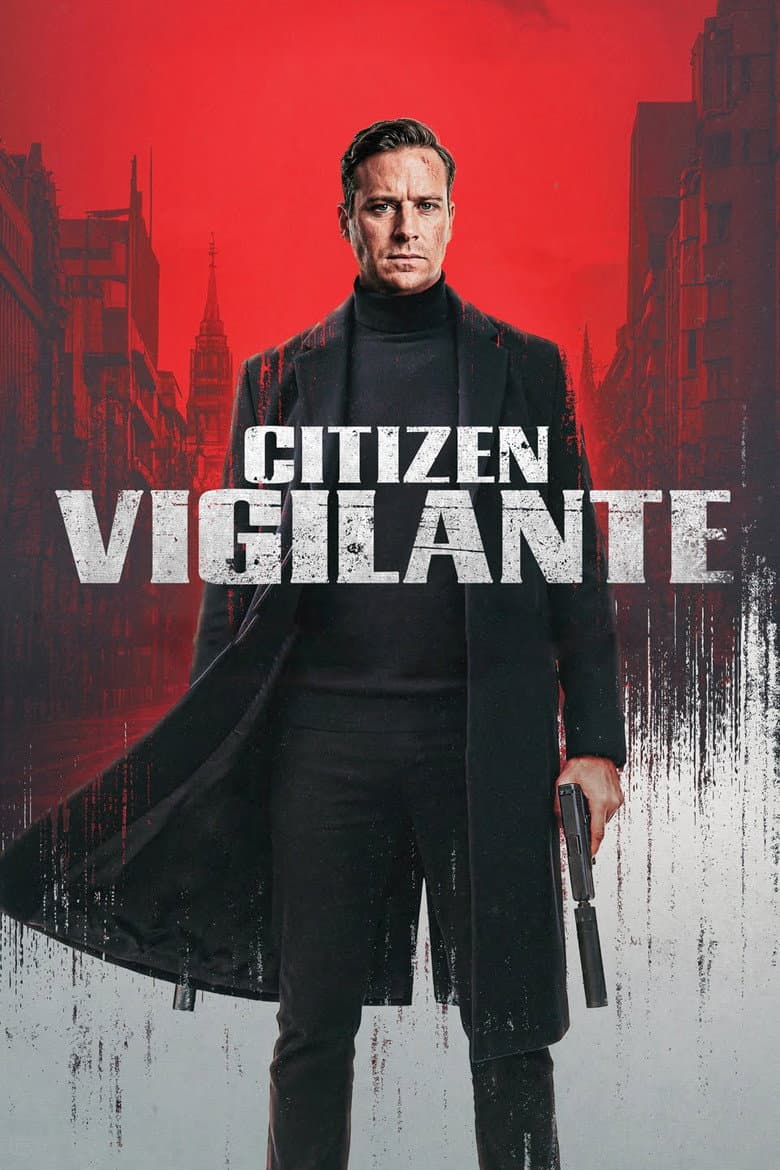
A man takes justice into his own hands, hunting down criminals. His vigilante crusade makes him a social media star but puts him at odds with the local police chief.
Movie · 2021
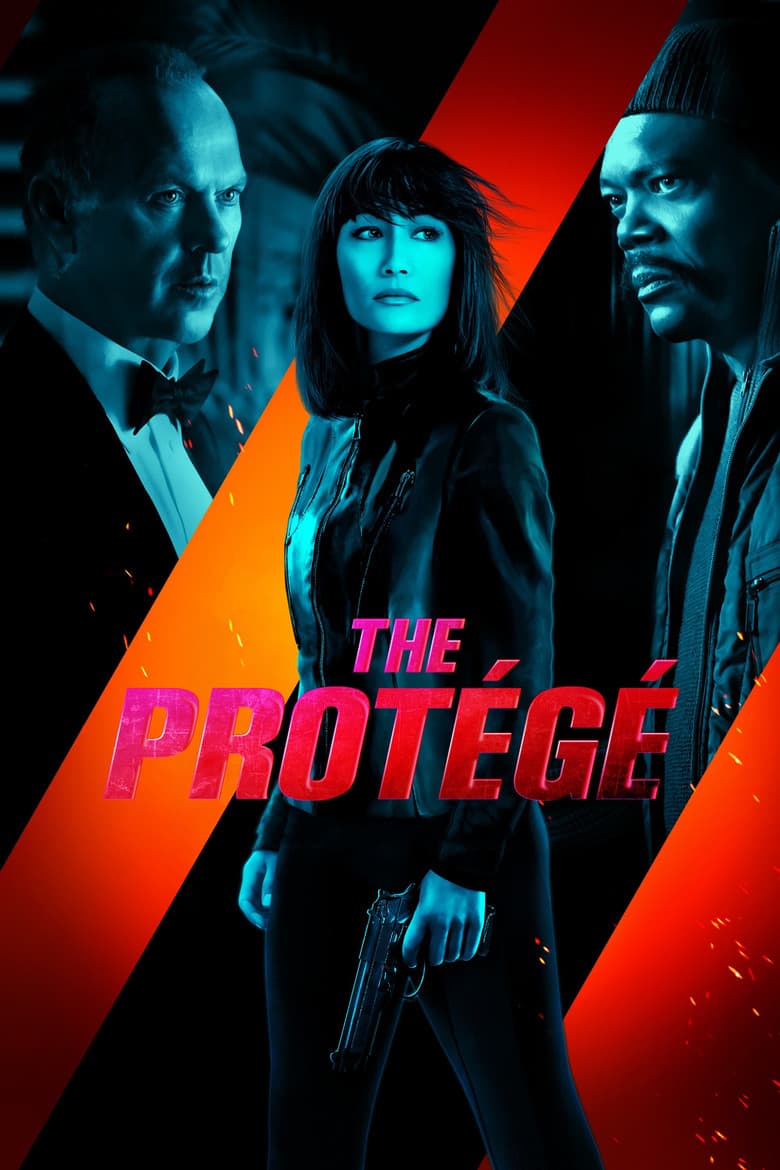
Rescued as a child by the legendary assassin Moody and trained in the family business, Anna is the world’s most skilled contract killer.

Movie · 2023
After a heroic job of successfully landing his storm-damaged aircraft in a war zone, a fearless pilot finds himself between the agendas of multiple militias planning to take the…

Movie · 2025
Former assassin Hutch Mansell takes his family on a nostalgic vacation to a small-town theme park, only to be pulled back into violence when they clash with a corrupt operator, a…
Movie · 2024
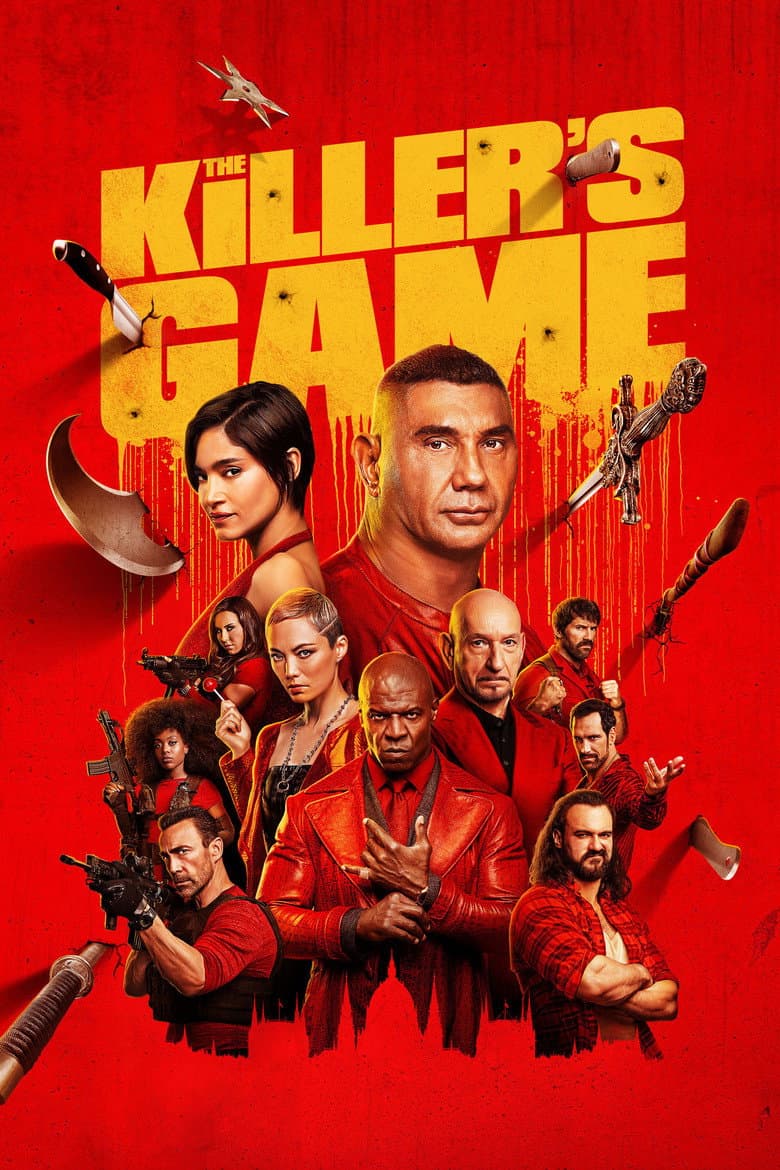
When top hitman Joe Flood is diagnosed with a terminal illness, he decides to take matters into his own hands – by taking a hit out on himself.

Movie · 2022
A disgraced ex-cop seeks solace by moving to the woods, but his quiet life comes to an end when a private eye recruits him to investigate the murder of an eccentric TV star's wife.

Movie · 2018
Agent Matt Graver teams up with operative Alejandro Gillick to prevent Mexican drug cartels from smuggling terrorists across the United States border.
Movie · 2023
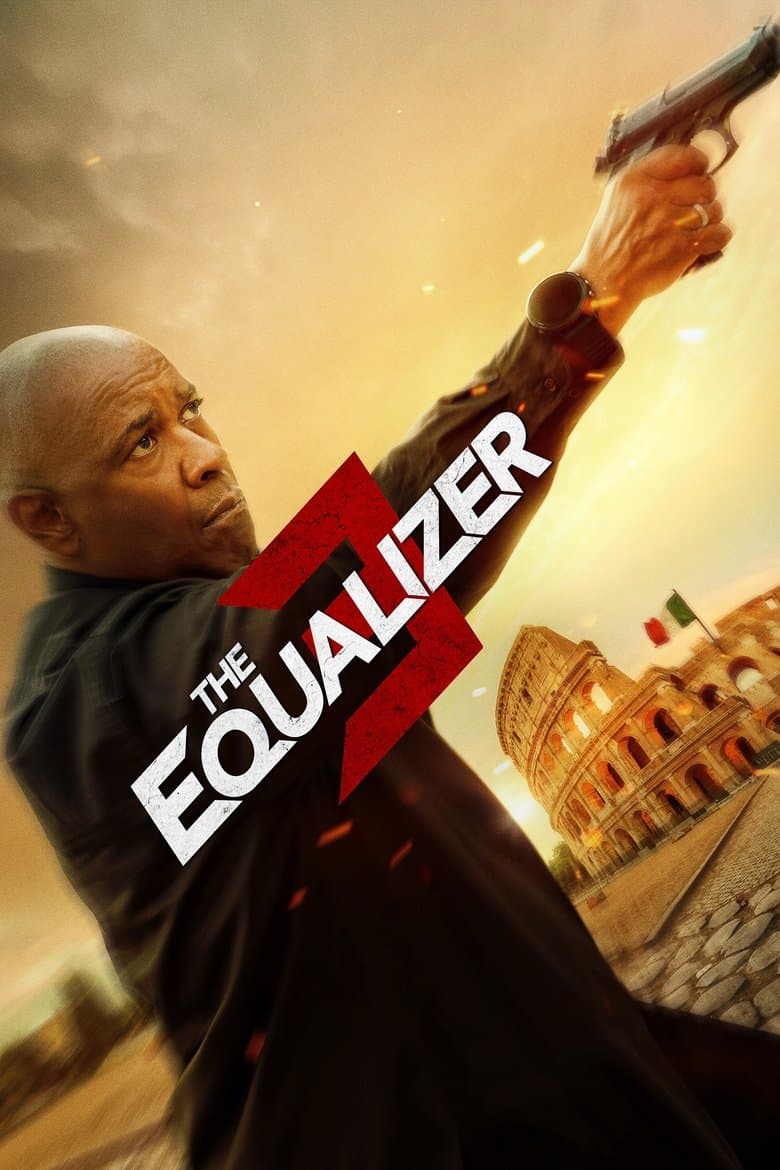
Robert McCall finds himself at home in Southern Italy but he discovers his friends are under the control of local crime bosses.
