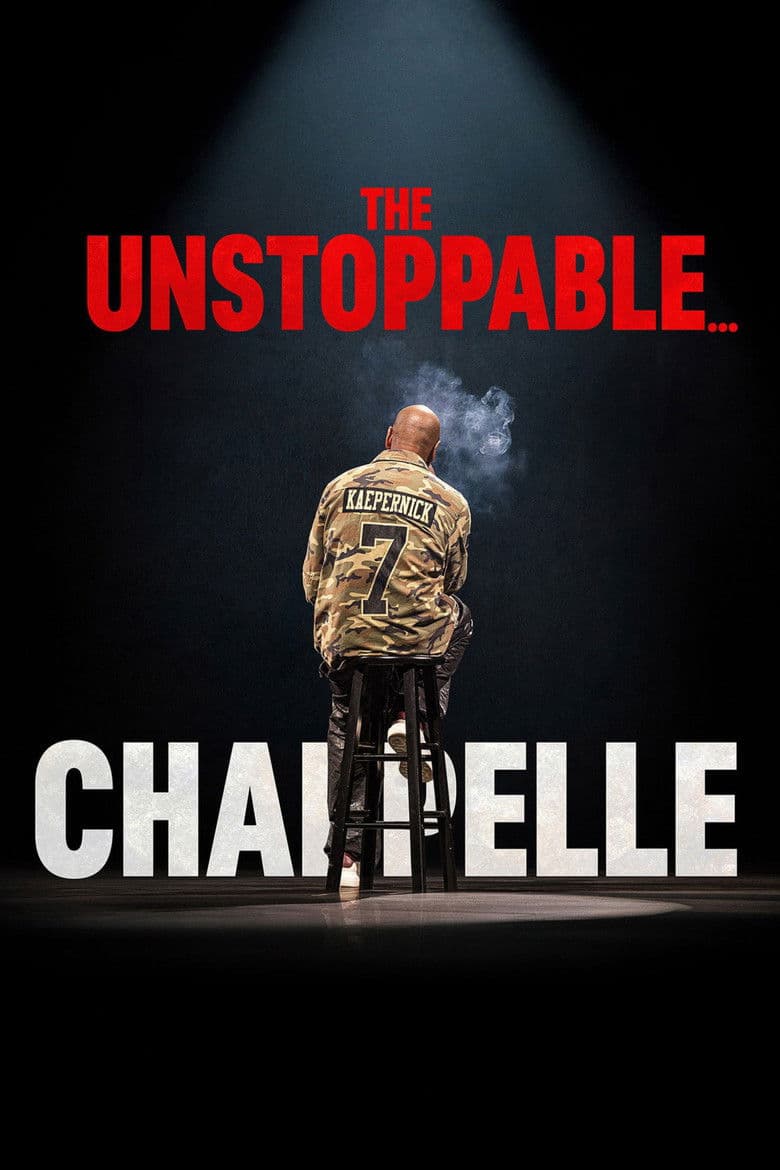
Dave Chappelle stands alone on a Washington, D.C. stage in this long stand-up special. He starts with jokes about returning to the city after National Guard action and talks about his home in Ohio. He then moves through stories about Saudi Arabia, Donald Trump, Charlie Kirk, Sean Combs, and his years in comedy. The tone shifts between rough jokes, angry political talk, conspiracy questions, and a long, serious history story. Race and power are the main ideas in the longest part of the show. Chappelle tells the story of boxer Jack Johnson, links his fight against racism to Martin Luther King Jr. and Black artists, and connects it to present-day fears about control and surveillance. He also makes repeated jokes about transgender people and argues that American pressure on comedians is worse than pressure in Saudi Arabia. These ideas take up a large part of the special, but the show presents them through personal stories and jokes rather than a single clear lesson.
Community feedback
Was our 73% Woke rating accurate?
Breakdown
These are the editorial factors and ratings behind our score for Dave Chappelle: The Unstoppable....
Woke representation / casting
Not present. Dave Chappelle is the only on-screen performer. The special does not build an identity-focused cast or show a pattern of casting choices.
0%
Woke political dialogue
Chappelle repeatedly talks about Trump, Elon Musk, DOGE, National Guard deployments, Jimmy Kimmel, Charlie Kirk, Saudi Arabia, Israel, and free speech. He says American politics and media pressure can limit what comedians say. He links current political fights to race, black communities, and the history of Martin Luther King Jr. Political talk fills much of the special.
66%
Identity-driven story themes
The special makes race and black identity central to its longest story. Chappelle presents Jack Johnson’s fight against racist barriers and links it to Martin Luther King Jr., Black artists, police surveillance, and present-day fears about political control. The extended closing section makes race, black community, and control of speech its main ideas. That story takes up a large part of the special, so the identity theme is hard to miss.
60%
Western institutional / cultural critique
Chappelle attacks Trump, Elon Musk, the FCC, Congress, and police surveillance. He presents National Guard action in Washington as pressure on a black city. He jokes about buying an Ohio town and calls himself a capitalist while mocking concerns about housing and gentrification. He also says Saudi Arabia gave him more room to speak than the United States, so the critique is sharp but mixed.
54%
Woke character or canon changes
Not relevant. The special tells stories about real people such as Jack Johnson and Martin Luther King Jr. It does not change their identity or recast an established character.
0%
Anti-woke backlash and complaints
Right-leaning viewers on X repeatedly called the special race-grievance politics, anti-Trump and anti-Elon, or an activist lecture. Smaller accounts called it gone woke and anti-white, while a mid-size post said later Chappelle was even woker. Blaze Media ran a review saying race becomes the special’s main lens and that Chappelle is not the anti-woke comic some conservatives expected. A few right-leaning users praised him as based and not woke, but no boycott, review-bombing campaign, or large organized push was found.
45%
Creator track record context
Rikki Hughes has a long record of supporting more Black and brown talent and more power for black women behind the camera. Dave Chappelle’s stored record centers on race satire and resistance to political correctness, not DEI advocacy. Sina Sadighi has little public activist record. Hughes adds identity-focused context, but the key creators do not share one strong woke pattern.
42%
Production
Movie · 2023
From his onstage tackle to the slap heard round the world, Dave Chappelle lets loose in this freewheeling and unfiltered stand-up comedy special.
Movie · 2024
Inseparable best friends AJ and Moose decide to run the local pool's snack shack after their plan to sell home-brewed beer goes down the drain.
Movie · 2018
Adam Sandler takes his comical musical musings back out on the road, from comedy clubs to concert halls to one very unsuspecting subway station.
Movie · 2023
A chaotic intervention. An action-packed stay in rehab. After a weird couple of years, John Mulaney comes out swinging in his return to the stage.
Movie · 2016
A comedy that follows a group of friends as they navigate their way through the freedoms and responsibilities of unsupervised adulthood.

Movie · 2024
Emotions run high when three estranged sisters reunite in a cramped New York City apartment to watch over their ailing father during his final days.
Movie · 2022
Exploring every facet of ‘Weird Al’ Yankovic’s life, from his meteoric rise to fame with early hits like ‘Eat It’ and ‘Like a Surgeon’ to his torrid celebrity love affairs and…
Movie · 2024
Pansy is a woman so full of rage that every interaction she has devolves into lashing out, whether at her utterly cowed husband and son, or random strangers who have the temerity…
