
Saul Tenser lives in a worn-out future where many people no longer feel pain and human bodies keep changing. Saul grows new organs, so he and his partner Caprice turn his surgeries into public art shows. The National Organ Registry watches them while police and secret groups fight over the meaning of human evolution. The film mixes science fiction, horror, sex, dark humor, and slow mystery in a bleak world filled with strange machines and damaged bodies.
The movie gives its strongest woke signals through body freedom and resistance to rules about what a human body should be. The Registry treats new organs and plastic-eating people as a threat, while Saul and Caprice increasingly accept change as the next step for humanity. Female characters hold several key expert, government, and action roles, and Caprice controls the central surgery performances while Saul lies helpless on the table. The film repeats ideas about body control, personal change, old social rules, and the need to accept human difference, but it does not make race, LGBTQ identity, or party politics the main subject.
Community feedback
Was our 44% Woke rating accurate?
Breakdown
These are the editorial factors and ratings behind our score for Crimes of the Future.
Woke representation / casting
The film makes a gendered reversal central to its performances. Caprice is a former trauma surgeon who controls the cuts while male Saul lies exposed. Timlin is a female government investigator, and two women work as skilled technicians who also kill for hire. The film does not use diversity-first casting language, and its future setting gives no clear racial mismatch.
15%
Woke political dialogue
Several characters talk about who may control a changing human body. The National Organ Registry treats new organs as a legal and political threat. The plastic-eating group calls its body changes the next step of human evolution, while the police call them an insurrection. The dialogue makes body freedom and resistance important, but it does not use modern party politics or current identity labels.
27%
Identity-driven story themes
Saul and Caprice treat body changes as identity and art instead of simple illness. The film presents plastic-eating people as a new human group that the state wants to hide and control. Saul slowly stops helping the police and accepts the group's call to let human bodies change. The story favors personal control of the body and acceptance of physical difference over fixed ideas about what a human should be.
46%
Western institutional / cultural critique
The National Organ Registry, police, and machine company all protect older ideas about human biology. The state marks new bodies as a danger and uses surveillance, secrecy, and killing to keep the change quiet. The film also links plastic waste and human damage to a broken modern system. Its criticism targets control, bureaucracy, and harmful consumption, not Christianity, family life, or a direct attack on capitalism.
31%
Woke character or canon changes
Not relevant. This film uses an original story and characters. Its shared title with Cronenberg's 1970 film does not make it a remake.
0%
Anti-woke backlash and complaints
Not present. Public reports focus on graphic surgery, sexual body imagery, walkouts, and mixed reactions to the plot. No clear anti-woke complaints about DEI, representation, or identity politics were found.
0%
Creator track record context
David Cronenberg has a long pattern of films about sex, bodies, gender limits, and queer-coded identity. Cronenberg has publicly identified as a feminist and has described Western culture as misogynistic. His track record supports a moderate creator track record context score, and this film continues his focus on body autonomy and changing human nature.
39%
Production

Movie · 2024
With his wife out sick, a struggling father brings home a lifelike AI, only to have his self-aware new help want everything her new family has to offer...

Movie · 2021
Following the events at home, the Abbott family now face the terrors of the outside world. Forced to venture into the unknown, they realize that the creatures that hunt by sound…

Movie · 2018
Held captive in a futuristic smart house, a woman hopes to escape by befriending the A.I. program that controls the house.

Movie · 2020
A group of World War II American soldiers encounter a supernatural enemy as they occupy a French castle previously under Nazi control.

Movie · 2016
Set in a near future, technology-reliant society that pits man against killing machines. Against this backdrop an elite army unit is helicoptered to a remote, off-the-grid island…

Movie · 2023
A powerful biotech company has breakthrough technology allowing them to clone history’s most influential people with just a few fragments of DNA.
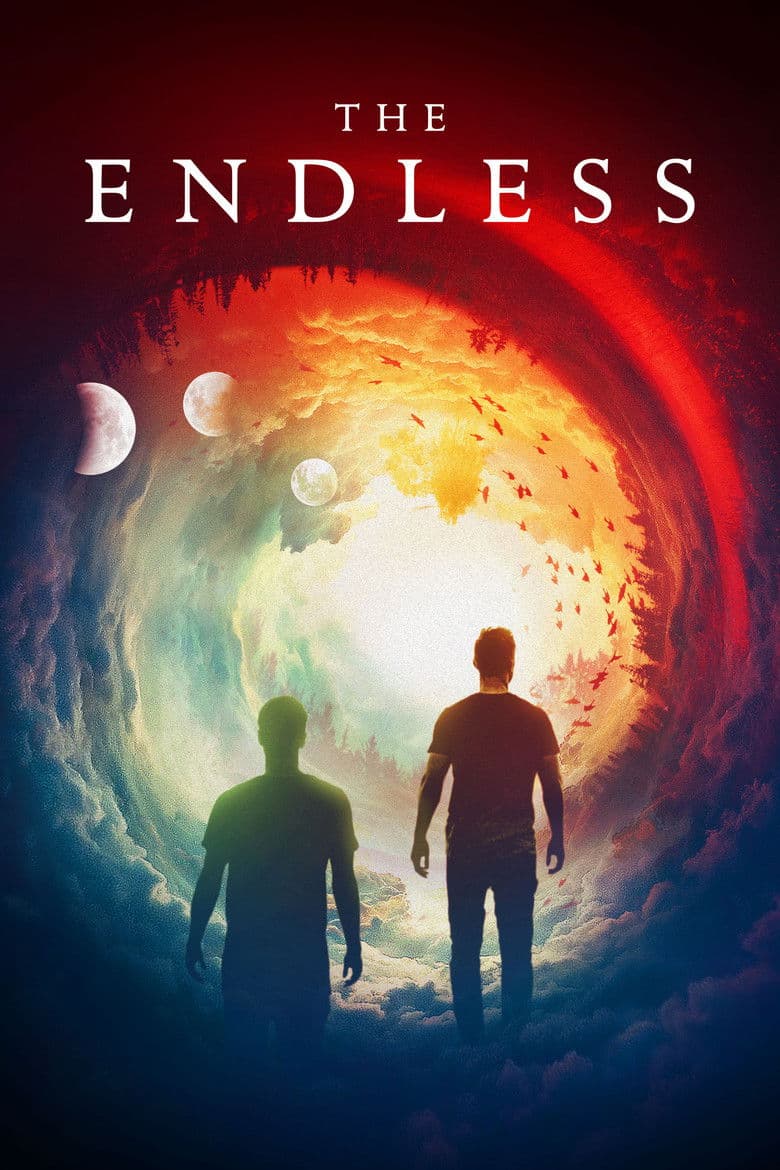
Movie · 2017
Two brothers return to the cult they fled from years ago to discover that the group's beliefs may be more sane than they once thought.

Movie · 2019
A year after the mysterious disappearance of an 8 year-old girl, we meet her grieving family as they return home from her memorial service in their small town.
