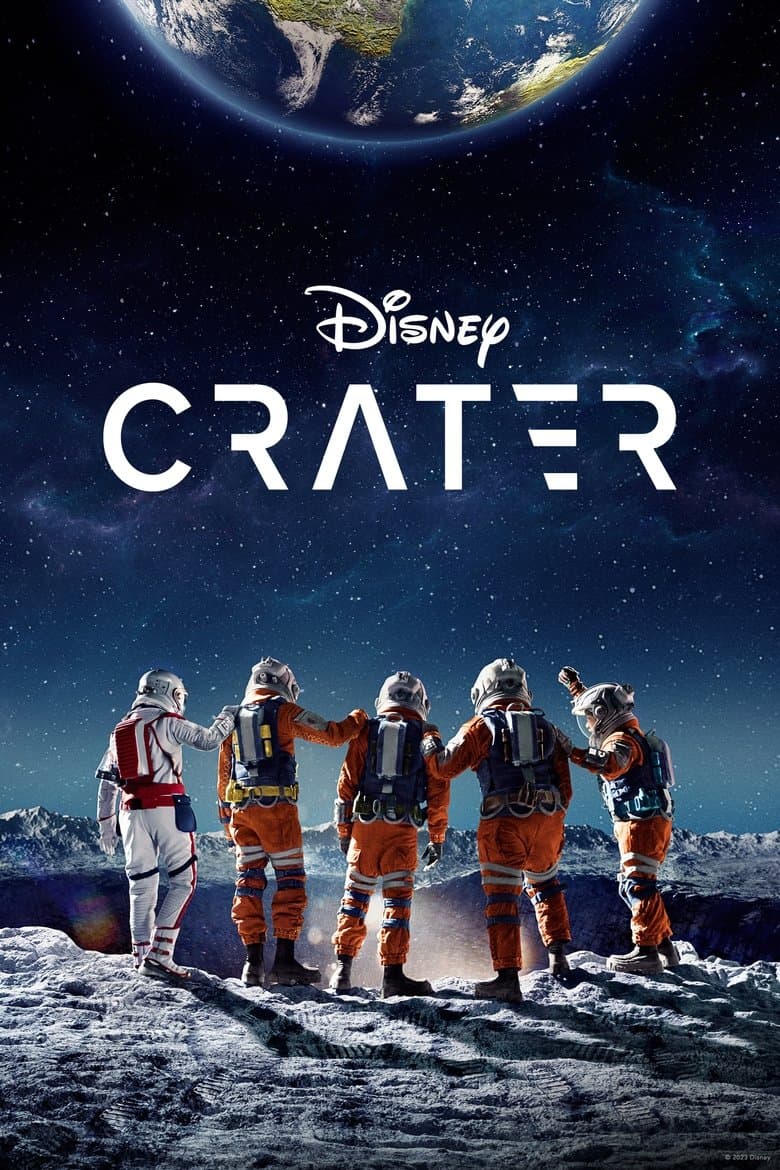
Crater follows Caleb Channing, a boy who has lost both parents on a mining colony on the Moon. In the year 2257, a colony rule sends him to the distant planet Omega, where he will sleep for 75 years during the trip. Caleb steals a rover with Dylan, Borney, Marcus, and Addison so he can visit a crater that mattered to his father before he leaves. The journey mixes bright space adventure with grief, danger, anger, and fear of being left behind.
The film gives its central friend group a visibly mixed cast, with a black boy as the leader, an Asian boy, white friends, and a prominent girl who joins the trip. The group’s race and gender are visible, but the plot mainly uses them as friends who share the same mission. The clearest political material targets the lunar mining system, which binds workers to long contracts and presents the system as unfair. The film shows Addison helping organize a strike for better miner contracts. It also praises friendship, nature, memory, and control over one’s future.
Community feedback
Was our 47% Woke rating accurate?
Breakdown
These are the editorial factors and ratings behind our score for Crater.
Woke representation / casting
The main friend group visibly includes a black boy as the leader, an Asian boy, white boys, and a white girl who joins the trip. A stern black woman is also the main adult authority in the colony. The film gives these characters no race-based story lines or diversity-first speeches, and the future lunar setting makes a mixed colony believable. The visible pattern still gives the cast a mild representation signal because several identity types fill the central roles.
27%
Woke political dialogue
The colony’s rules tie miners to long contracts before they can move to Omega. The story presents the mining system as unfair and places Caleb’s family inside that system. Addison later says she helped organize a strike for better miner contracts. The labor message returns through the setting and the ending, but the film spends more time on grief and friendship than on political debate.
33%
Identity-driven story themes
Not present. The story follows grief, friendship, family loss, health problems, nature, and fear of separation. It does not make race, sexuality, or identity politics a central problem.
0%
Western institutional / cultural critique
The lunar colony is shown as a failed institution that keeps workers under harsh contracts while wealthier people leave for Omega. The story also shows abandoned building plans and a company system that treats people as labor. The teenagers respond by breaking into a model home and supporting a strike for better contracts. The film attacks economic power more than family, religion, or ordinary Western customs.
31%
Woke character or canon changes
Not relevant. Crater is an original story. It does not rewrite an established character, franchise canon, or real historical figure.
0%
Anti-woke backlash and complaints
Several niche reviews called the mixed friend group a diversity checklist or said Disney was pushing an agenda. One review called Crater a woke Disney film. Mainstream critics and audience posts mostly discussed the story, effects, labor theme, or the film’s removal from Disney+. The backlash stayed small and did not become a major title controversy.
24%
Creator track record context
Director Kyle Patrick Alvarez has an openly gay, queer-focused career and has directed projects such as C.O.G. and Tales of the City. His prior work is the main upward signal in this factor. Writer John Griffin focuses on ordinary genre storytelling, and the listed producers have no similar activist record. Crater itself does not center queer content, so this score comes from the director’s history.
70%
Production
Movie · 2018
The life of a teenage boy is forever altered by a chance encounter with cutting edge military technology.

Movie · 2020
Powered with incredible speed, Sonic The Hedgehog embraces his new home on Earth. That is, until Sonic sparks the attention of super-uncool evil genius Dr. Robotnik.
Movie · 2023
After tragedy strikes, an unlikely young hero takes her rightful place among the Power Rangers to face off against the team's oldest archnemesis.
Movie · 2016
Adam West and Burt Ward returns to their iconic roles of Batman and Robin. The film sees the superheroes going up against classic villains like The Joker, The Riddler, The Penguin…
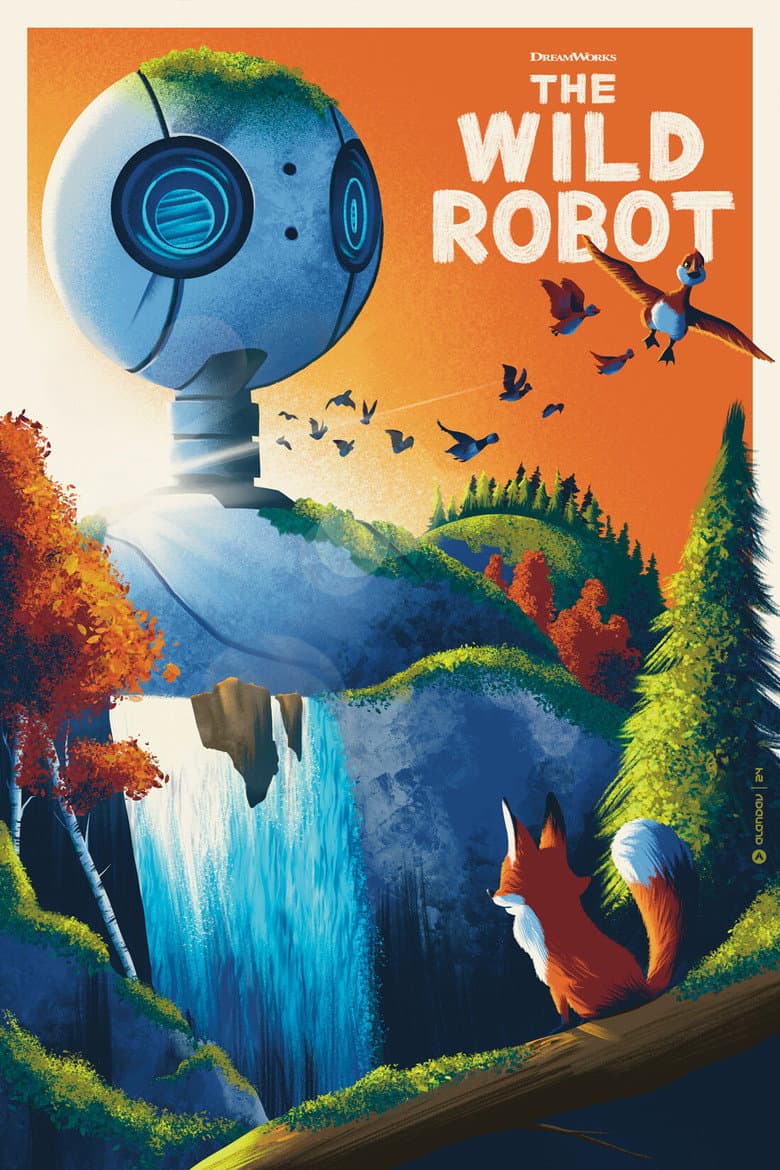
Movie · 2024
After a shipwreck, an intelligent robot called Roz is stranded on an uninhabited island. To survive the harsh environment, Roz bonds with the island's animals and cares for an…
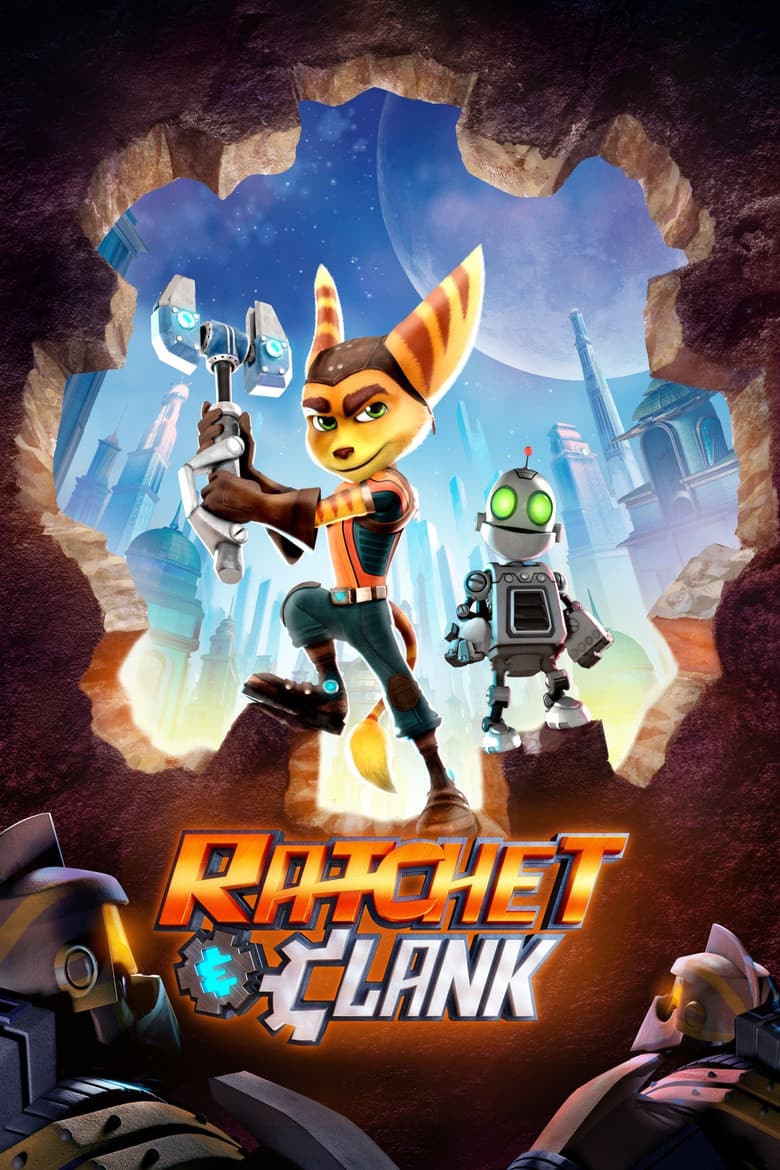
Movie · 2016
When the galaxy comes under the threat of a nefarious space captain, a mechanic and his newfound robot ally join an elite squad of combatants to save the universe.
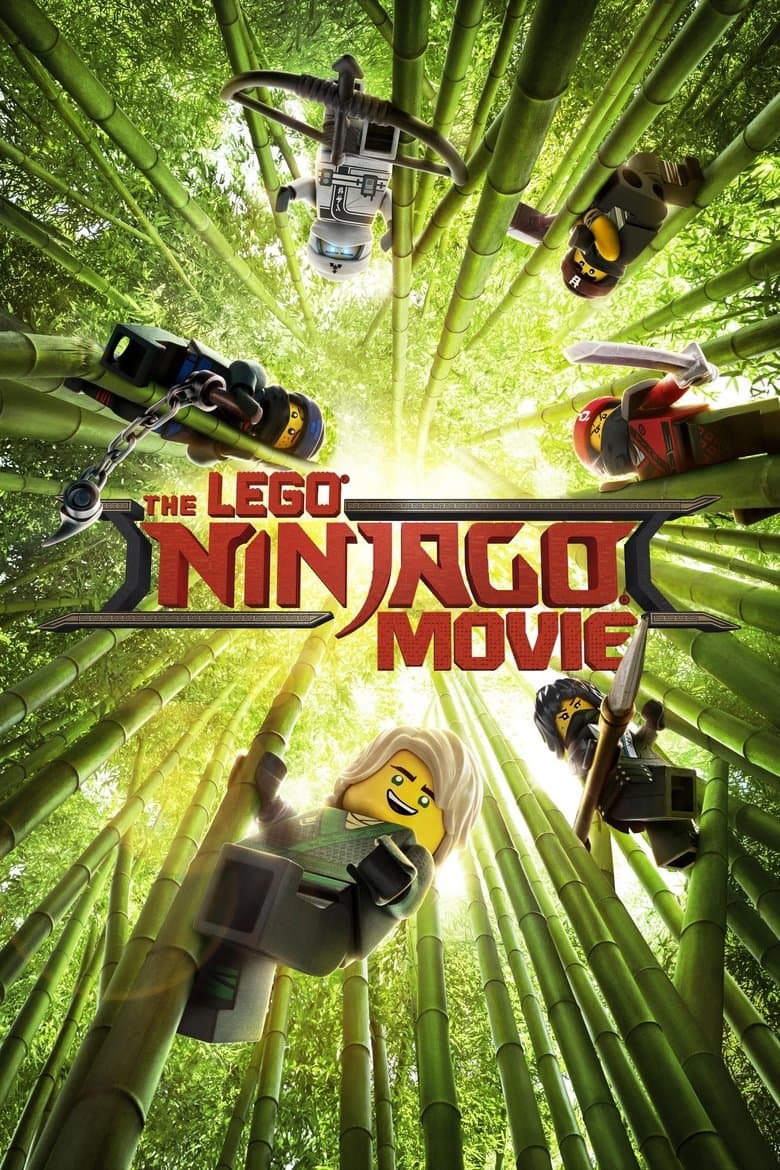
Movie · 2017
Six young ninjas are tasked with defending their island home of Ninjago. By night, they’re gifted warriors using their skill and awesome fleet of vehicles to fight villains and…
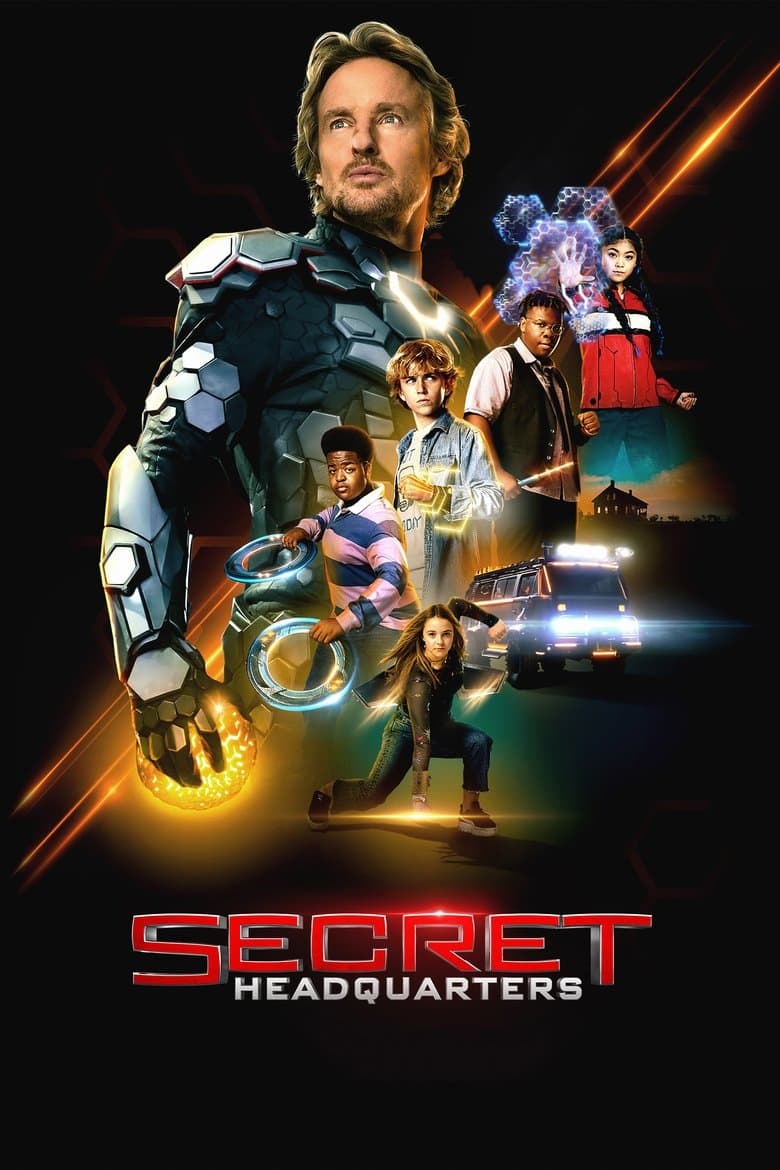
Movie · 2022
While hanging out after school, Charlie and his friends discover the headquarters of the world’s most powerful superhero hidden beneath his home.
