Movie review
September 19, 2025 · 88 min · All · Kids · Animation · Comedy · Adventure · Family
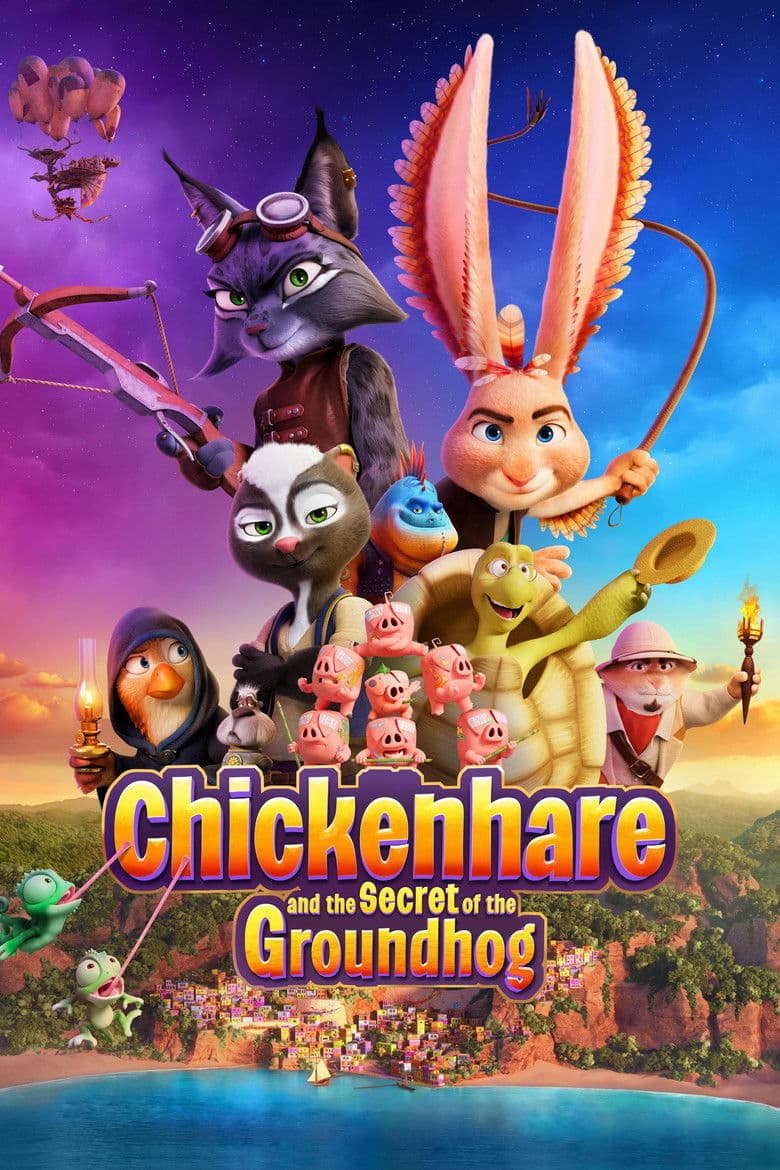
Chickenhare is a young hero who is part chicken and part hare. He travels with Meg, a martial arts skunk, and Abe, a joking turtle, when his long-lost sister Gina asks him to find a groundhog that can turn back time. The power may save the rare harechicken people because their Tree of Life is dying. The journey moves through hidden lands, traps, fights, family secrets, and silly treasure hunts. The tone is bright, fast, and aimed at children, even when the story touches loss, fear, and betrayal.
The film gives clear story space to Chickenhare’s struggle with being different and to Gina’s fear of hiding her harechicken identity. It also follows Meg’s past same-sex relationship with Crolloq, a female lynx who was controlling and wants to win Meg back. Their scenes treat the relationship as a painful part of the characters’ past, not as a political speech. The film’s main message asks viewers to accept their nature, stop hiding, and open themselves to others. These ideas return across the family plot, but the movie remains mainly a fantasy quest about saving a people and repairing broken relationships.
Community feedback
Was our 38% Woke rating accurate?
Breakdown
These are the editorial factors and ratings behind our score for Chickenhare and the Secret of the Groundhog.
Woke representation / casting
The story gives two female animal characters major action roles. Meg is a martial arts fighter, and Crolloq is a rival adventurer who leads two sidekicks. Gina also drives the quest through her archive work and knowledge of her people. The film does not frame these choices as a wider diversity goal.
35%
Woke political dialogue
Not present. The characters discuss family, identity, trust, and an unhealthy relationship. The film does not use current political terms or argue about parties, laws, or activist causes.
0%
Identity-driven story themes
Chickenhare repeatedly deals with being a hybrid and with the fear of being judged. Gina says her people hide their traits so they can pass as normal, and the story rejects that fear. Meg and Crolloq have a continuing past same-sex relationship subplot about control, hurt, and forgiveness. The time-travel quest, the dying tree, and family history remain the main adventure, so the identity-driven material is important but not the whole film.
55%
Western institutional / cultural critique
Not present. The hidden community’s shelter is part of the fantasy plot. The film does not attack modern Western institutions, Christianity, capitalism, traditional family roles, or social norms.
0%
Woke character or canon changes
Not relevant. The sequel uses characters from Chris Grine’s own series, and no identity-driven rewrite of an established character or real figure is shown.
0%
Anti-woke backlash and complaints
Not present. No broad news or social backlash says the film pushes woke or identity politics. One audience post calls the relationship subplot out of place, but it does not clearly make an anti-woke complaint.
0%
Creator track record context
Available creator summaries describe the directors, writers, and producers as having low or zero woke scores. Those summaries report no broad activist or identity-driven career pattern. Benjamin Mousquet says the film is about accepting hidden parts of oneself and opening to the world. That statement matches the film’s identity themes but does not show a strong activist record.
12%
Production
Movie · 2024
Teenager Riley's mind headquarters is undergoing a sudden demolition to make room for something entirely unexpected: new Emotions!
Movie · 2025
Gabby heads out on a road trip with her Grandma Gigi to the urban wonderland of Cat Francisco. But when Gabby's dollhouse, her most prized possession, ends up in the hands of an…
Movie · 2016
When a radio falls from the sky into the hands of a wide-eyed Tibetan Mastiff, he leaves home to fulfill his dream of becoming a musician, setting into motion a series of…
Movie · 2016
The quiet life of a terrier named Max is upended when his owner takes in Duke, a stray whom Max instantly dislikes.
Movie · 2022
Puss in Boots discovers that his passion for adventure has taken its toll: He has burned through eight of his nine lives, leaving him with only one life left.
Movie · 2026
Living on a rundown shipwreck, Mr. Fish one day discovers a hyperactive young sea dragon Pip – who had mistaken his home for a junkyard – pilfering his belongings.
Movie · 2025
Desperate to be a big guy, SpongeBob sets out to prove his bravery to Mr. Krabs by following The Flying Dutchman – a mysterious swashbuckling ghost pirate – on a seafaring…
Movie · 2024
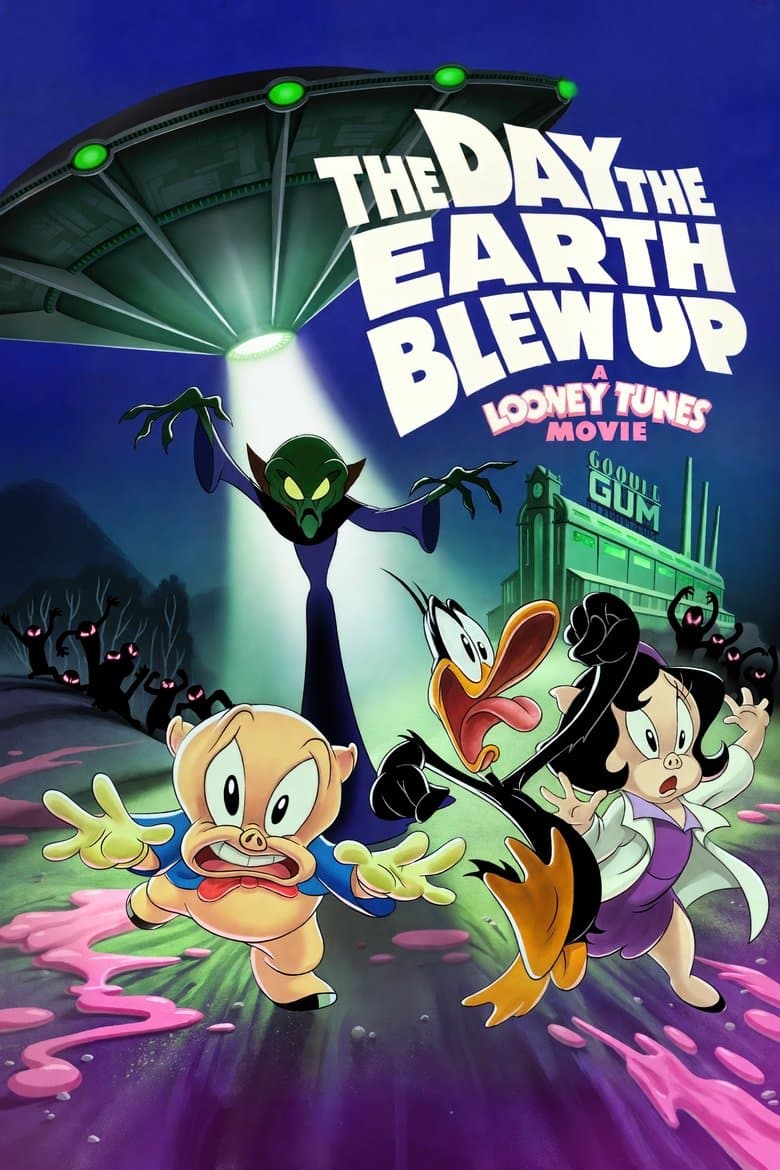
Porky and Daffy, the classic animated odd couple, turn into unlikely heroes when their antics at the local bubble gum factory uncover a secret alien mind control plot.
