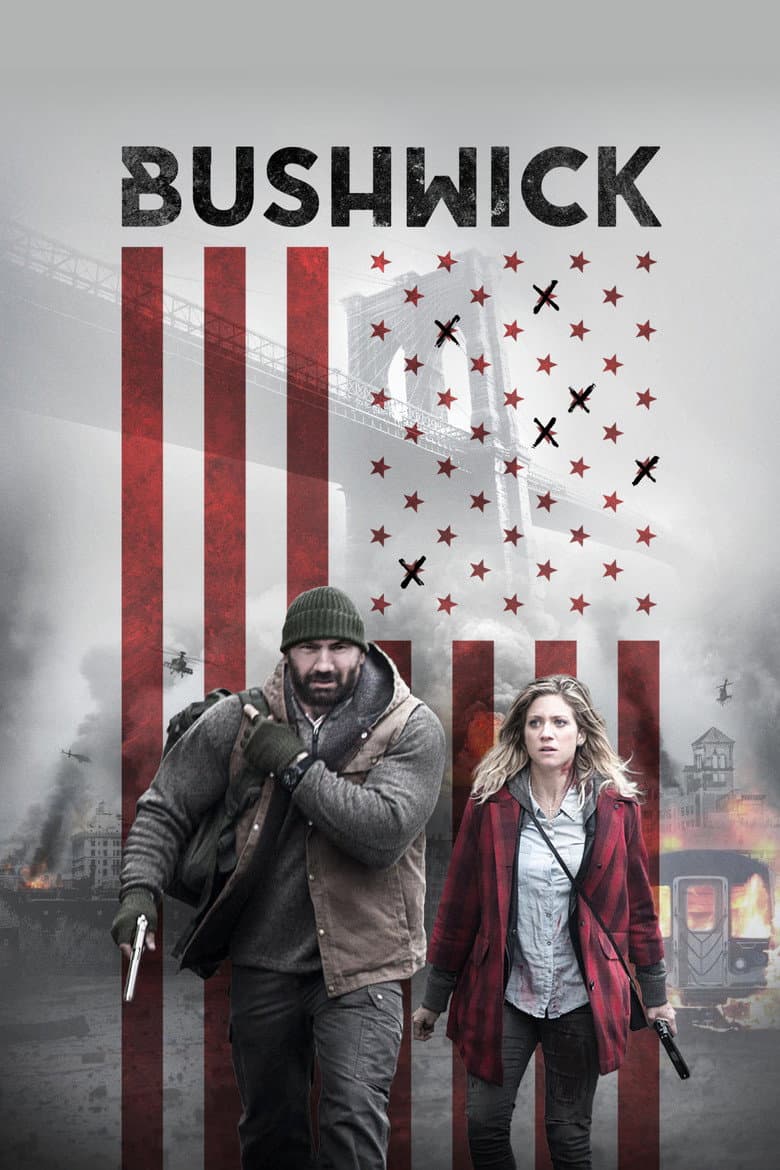
Lucy is a college student who comes home to Bushwick, Brooklyn, and walks into a sudden war zone. Texas and several other states have formed a breakaway coalition, and armed forces attack the neighborhood as part of a larger plan. Lucy joins Stupe, a former military medic who wants to reach his family, and the two cross burning streets, homes, a church, and a path to an army evacuation area. The film uses long action shots to create a tense, grim, and often chaotic survival story.
The movie treats Bushwick's mix of Black, Latino, Jewish, immigrant, and white residents as a reason the neighborhood can resist. The invaders call the residents weak because many are minorities, but the story shows shopkeepers, gang members, Jewish residents, and other locals fighting back together. Lucy also changes from a frightened student into a gun-carrying fighter who helps lead people toward safety and dies trying to save her sister. These ideas are important to the plot, but the film spends more time on gunfights, escape, and sudden deaths than on political debate.
Community feedback
Was our 42% Woke rating accurate?
Breakdown
These are the editorial factors and ratings behind our score for Bushwick.
Woke representation / casting
The movie places a white college student at the center of a neighborhood it shows as mainly Black, Latino, Jewish, immigrant, and working class. The movie surrounds Lucy with a visibly mixed group of residents and makes that mix part of the resistance. The setting makes most of this casting believable, so the identity signal is limited. The white lead still creates a mild mismatch because the story presents the neighborhood's minority residents as its main community.
18%
Woke political dialogue
The captive soldier says the breakaway coalition chose Bushwick because its minority residents seemed defenseless. The characters also talk about Texas leaving the Union, a new civil war, and the need to fight back. The movie gives these ideas in short exchanges instead of long speeches. The political lines are brief, but they connect the invasion to race, regional politics, and division.
24%
Identity-driven story themes
The movie treats racial, religious, and immigrant differences as a central part of the neighborhood. The invading force expects those groups to stay weak, but the story shows them joining a local resistance. Lucy changes from a frightened student into a fighter who helps guide people toward safety. The theme is repeated through the neighborhood's resistance, but the film gives more time to survival action than to social debate.
45%
Western institutional / cultural critique
The breakaway coalition is shown as a racist force that uses regional anger and military power to attack a diverse American city. The soldiers target Bushwick because they think minority residents will not resist. The story also shows a church failing to give the group safety or moral direction, while the priest dies by suicide. The film criticizes division, racism, and violent politics, but it does not spend much time attacking ordinary family life or every Western institution.
37%
Woke character or canon changes
Not relevant. Bushwick is an original fictional story about a breakaway coalition invading Brooklyn. The film does not change an established character, canon, or real historical event.
0%
Anti-woke backlash and complaints
A right-leaning review called the movie a liberal story that trashes Texas and red-state Americans. The review also objected to other liberal critics praising its political message. No broad boycott, review-bombing campaign, or large anti-woke fight appears in the searched coverage. The separate X search found no anti-woke complaints.
12%
Creator track record context
The directors have no widely documented history of DEI activism or identity politics. The writers, producers, and casting directors also have little public activist record and have mostly worked on genre or commercial films. The directors describe this movie as a warning about racism, division, people from many backgrounds joining together, and violent politics. That title-related framing gives the context a small woke signal, but it does not show a strong activist pattern.
12%
Production
Movie · 2024
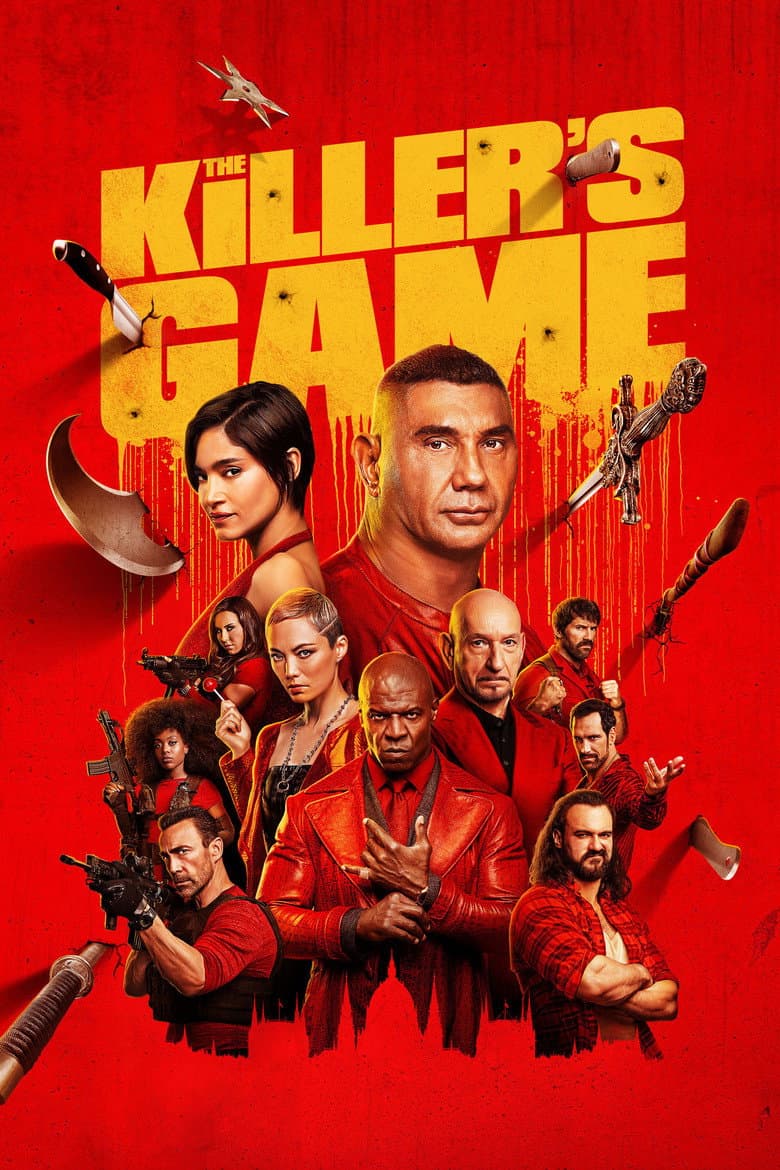
When top hitman Joe Flood is diagnosed with a terminal illness, he decides to take matters into his own hands – by taking a hit out on himself.
Movie · 2021
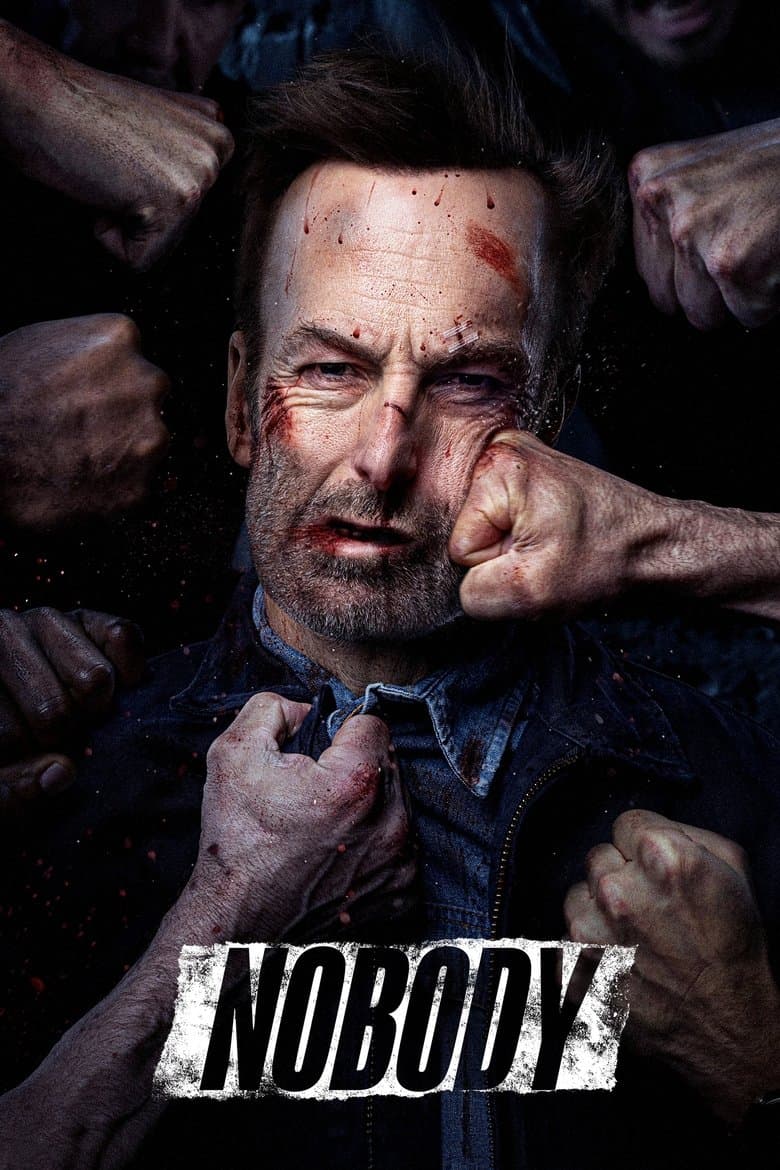
Hutch Mansell, a suburban dad, overlooked husband, nothing neighbor — a "nobody." When two thieves break into his home one night, Hutch's unknown long-simmering rage is ignited…
Movie · 2025
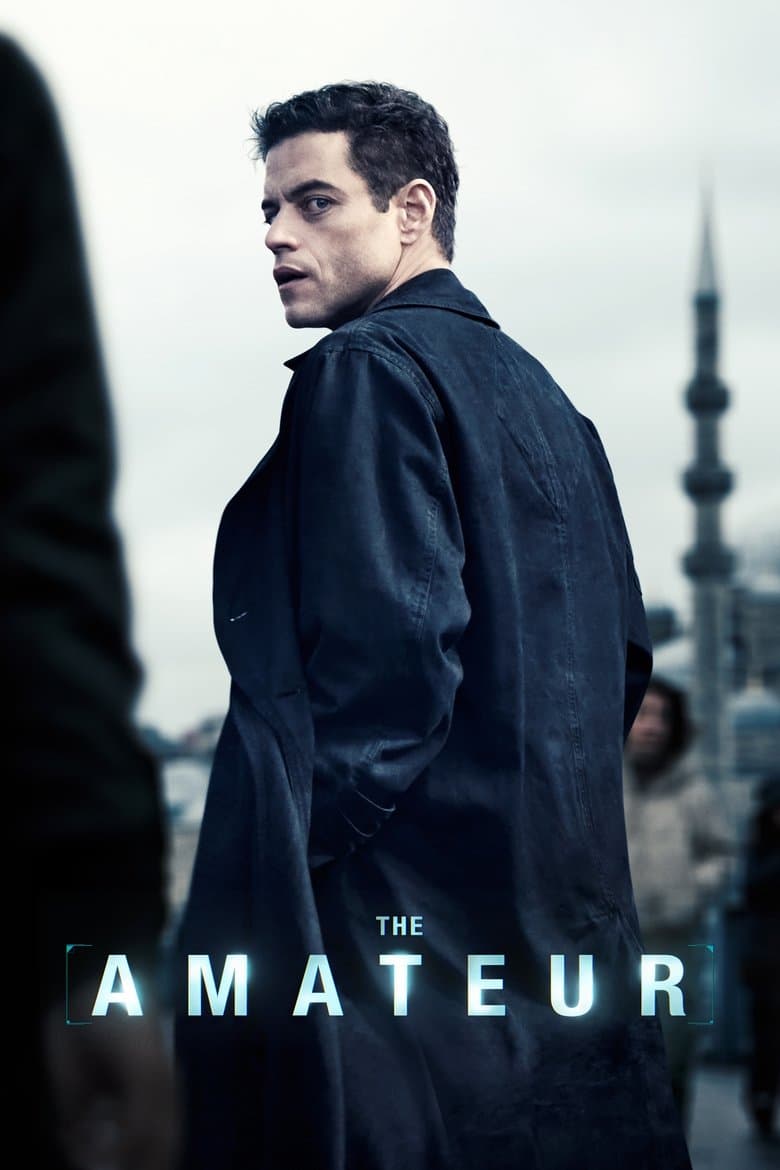
After his life is turned upside down when his wife is killed in a London terrorist attack, a brilliant but introverted CIA decoder takes matters into his own hands when his…
Movie · 2017
A hardnosed cop goes after a gang of ruthless dacoits who have been terrorising residents along the highway for a decade.
Movie · 2016
An American Ambassador is killed during an attack at a U.S. compound in Libya as a security team struggles to make sense out of the chaos.
Movie · 2017
John Wick is forced out of retirement by a former associate looking to seize control of a shadowy international assassins’ guild.
Movie · 2023
Ethan Hunt and his IMF team embark on their most dangerous mission yet: To track down a terrifying new weapon that threatens all of humanity before it falls into the wrong hands.
Movie · 2026
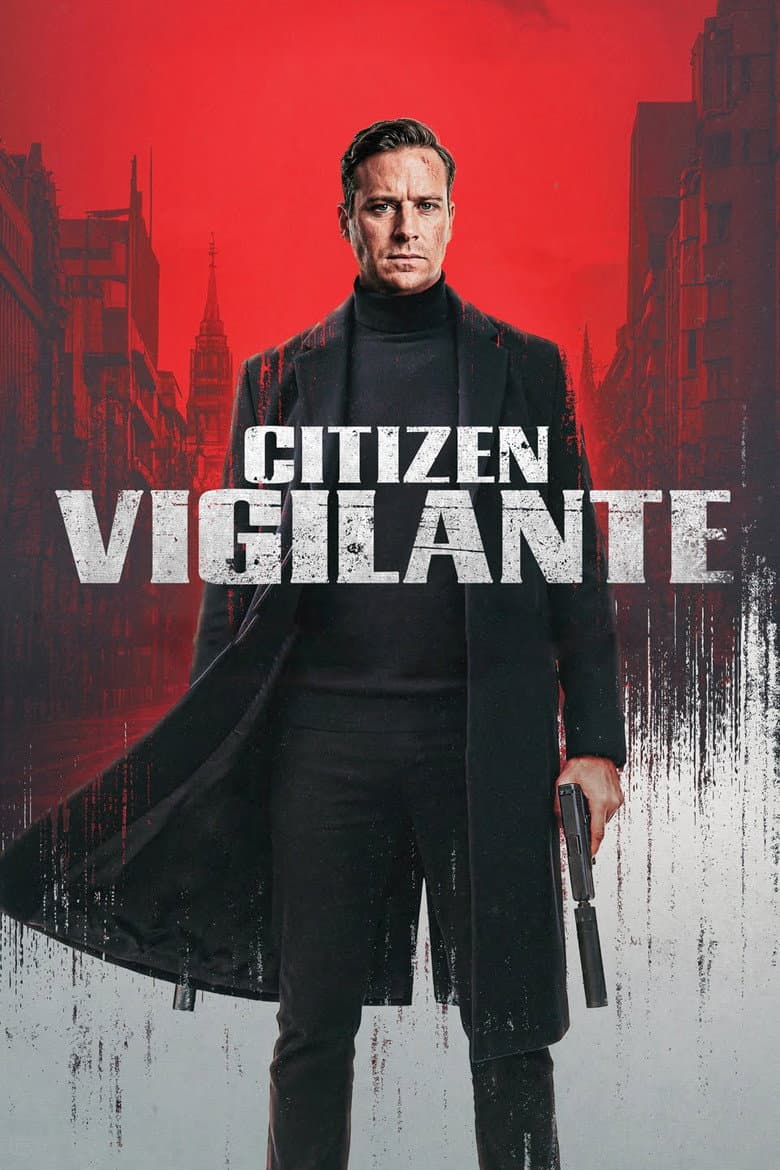
A man takes justice into his own hands, hunting down criminals. His vigilante crusade makes him a social media star but puts him at odds with the local police chief.
