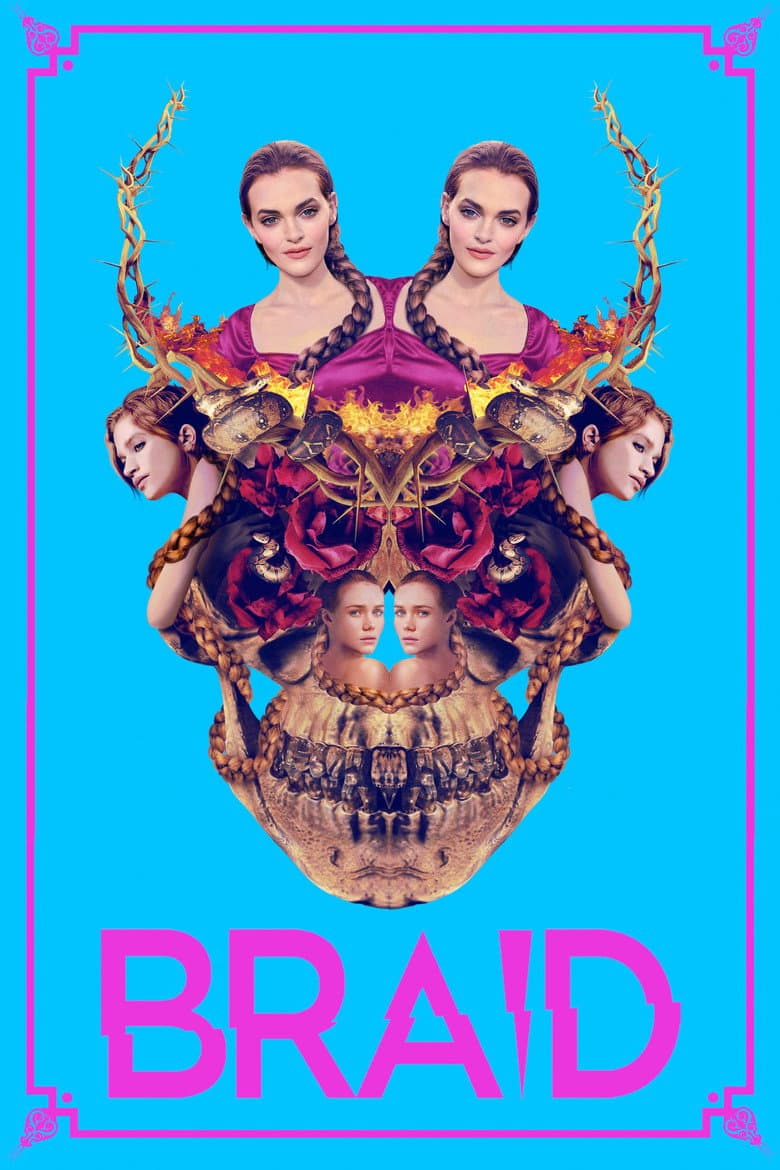
Braid follows Petula and Tilda, two drug dealers who run from the police after losing a large drug shipment. They hide in the country mansion of Daphne, their wealthy childhood friend, and plan to steal her money. Daphne makes them act out the make-believe game they played as girls, with Daphne as the mother, Tilda as the daughter, and Petula as the doctor. The game turns into a bloody trap where time, memory, and reality keep changing.
The film keeps three troubled women at the center, and their friendship is the main bond in the story. The women control the mansion, the make-believe game, and most of the violence, while the men stay in small outside roles. The story explores how childhood pain can shape adult choices and how fantasy can replace real life. Its identity-driven content comes from this strong female focus and a brief sexual role-play scene between two women, but the movie presents these ideas through a surreal horror game instead of a clear political message.
Community feedback
Was our 41% Woke rating accurate?
Breakdown
These are the editorial factors and ratings behind our score for Braid.
Woke representation / casting
The three main characters are women, and nearly every important scene follows them. The small male roles mostly stay outside the women’s private world. Release coverage presents the movie as female-led and gives it a feminist edge. The all-woman group fits the story of old female friends, and the cast is not built around a wider race or diversity message.
32%
Woke political dialogue
Not present. The dialogue centers on the game, drugs, crime, motherhood, and madness. It does not push modern identity or activist ideas.
0%
Identity-driven story themes
The whole story is built around three women who keep replaying mother, daughter, and doctor roles. The film makes female friendship, motherhood, control, and childhood trauma central to the plot. The women hold most of the power and cause most of the violence, while male figures stay minor or outside the game. A brief sexual role-play scene between two women adds a confirmed same-sex element, but the movie does not make queer identity its subject.
44%
Western institutional / cultural critique
Not present. The detective, doctor, family, and police roles support the horror plot. The film does not turn them into a modern attack on Western institutions, Christianity, men, or traditional social rules.
0%
Woke character or canon changes
Not relevant. Braid is an original story, so it does not change a known character, source, or real historical event.
0%
Anti-woke backlash and complaints
Not present. The separate X check found no on-topic anti-woke reaction. Other audience complaints focus on confusion, plot, and visual style rather than woke, DEI, or identity politics.
0%
Creator track record context
Mitzi Peirone has a repeated focus on women’s agency, female rage, alienation, and women who break social rules. Her public comments support female authorship and empowering work sets. Her profile is mainly that of a surreal horror filmmaker, with no strong record of party politics or formal DEI activism.
55%
Production
Movie · 2016
A young American woman takes a job as a nanny in a remote English village, soon discovering that the family's eight-year-old son is a life-sized doll that comes with a list of…
Movie · 2019
When a 12-year-old boy goes missing at a local park, a detective investigates the case to help the boy's family find answers.

Movie · 2019
A lone fisherman on his daily run finds himself lost in a thick fog which proves impossible to navigate. The worst is yet to come when his encounter with a seemingly abandoned…
Movie · 2017
1920, rural Ireland. Anglo-Irish twins Rachel and Edward share a strange existence in their crumbling family estate.
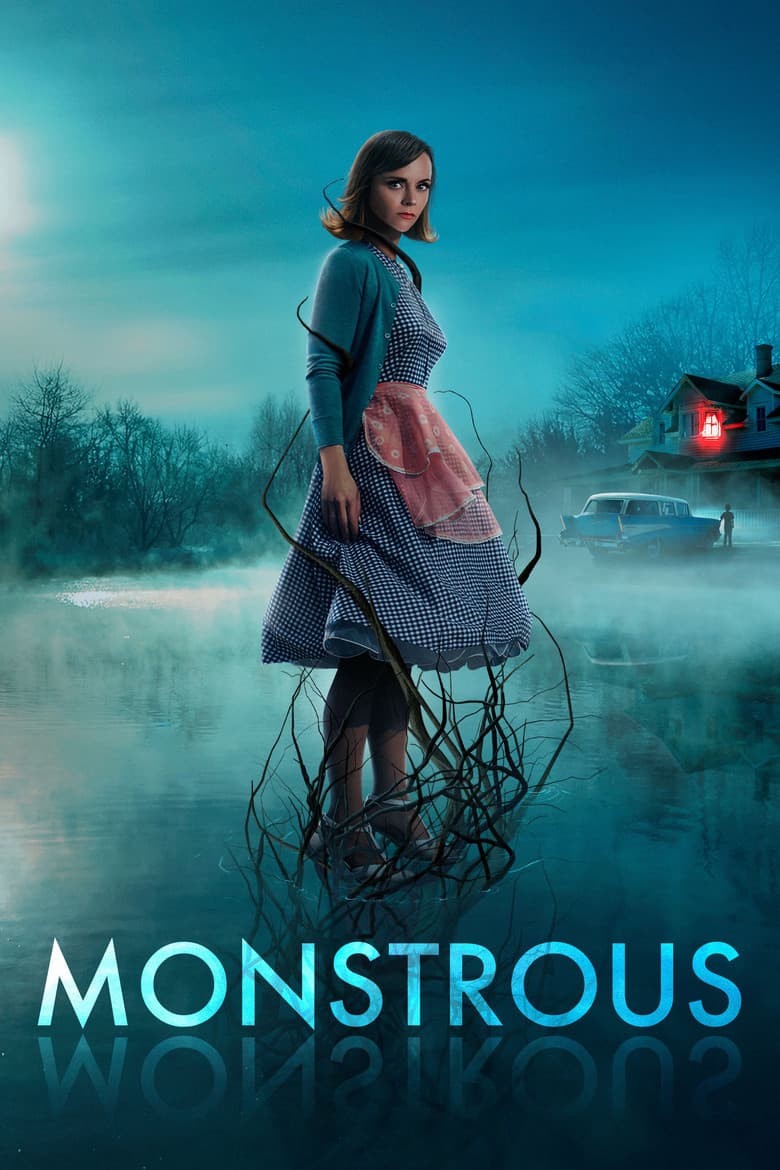
Movie · 2022
Laura, traumatized by an abusive relationship, runs away from her former husband with her seven-year-old son Cody.
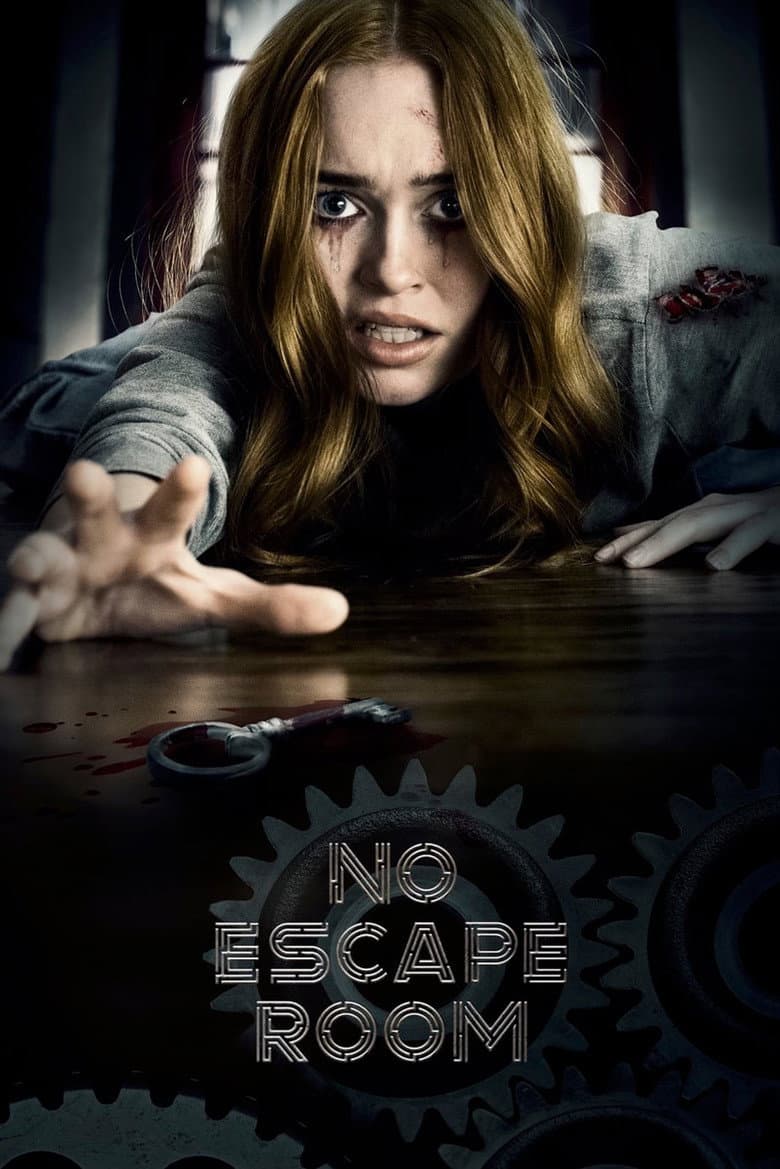
Movie · 2018
A father and daughter check out a small town escape room and discover there is something sinister about the place.
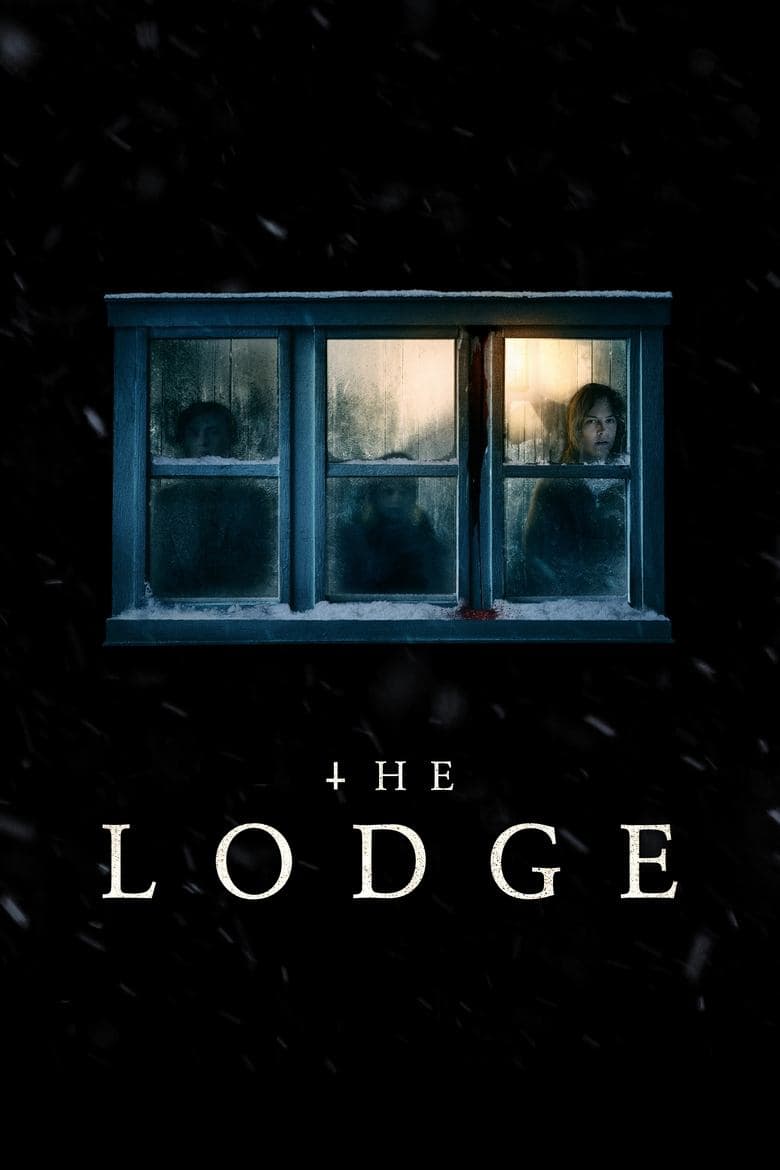
Movie · 2020
When a father is forced to abruptly depart for work, he leaves his children, Aidan and Mia, at their holiday home in the care of his new girlfriend, Grace.
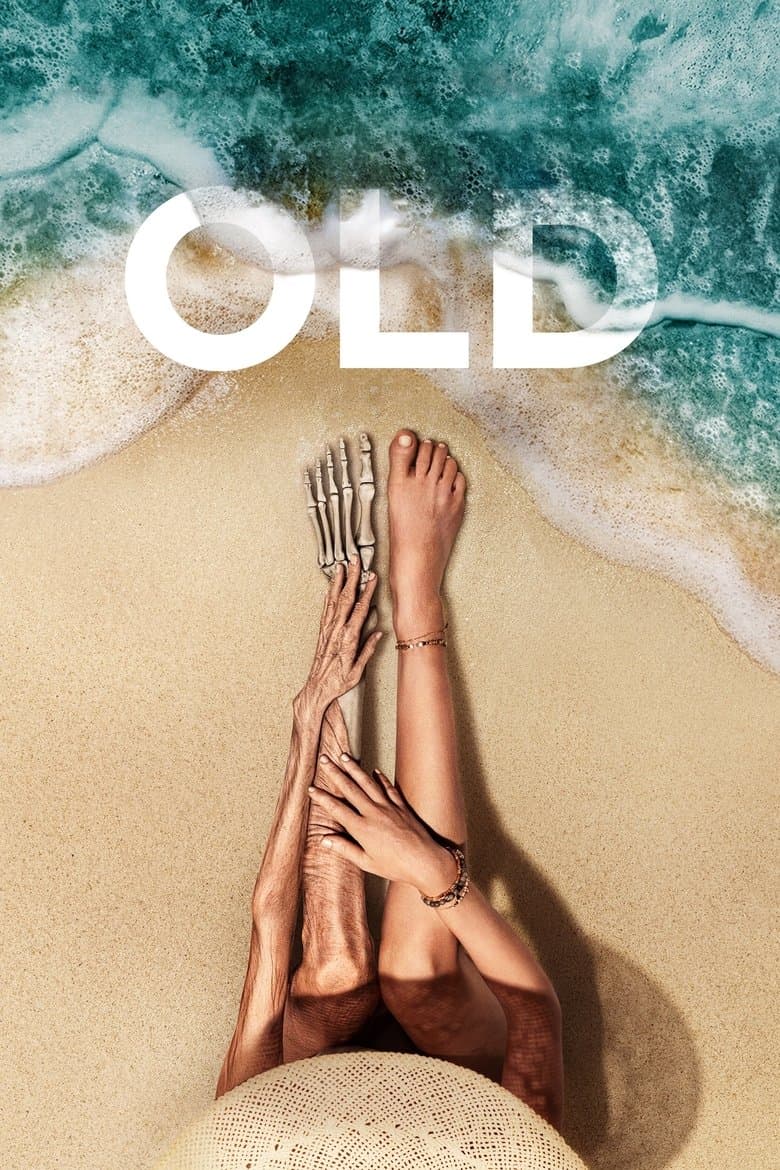
Movie · 2021
A group of families on a tropical holiday discover that the secluded beach where they are staying is somehow causing them to age rapidly – reducing their entire lives into a…
