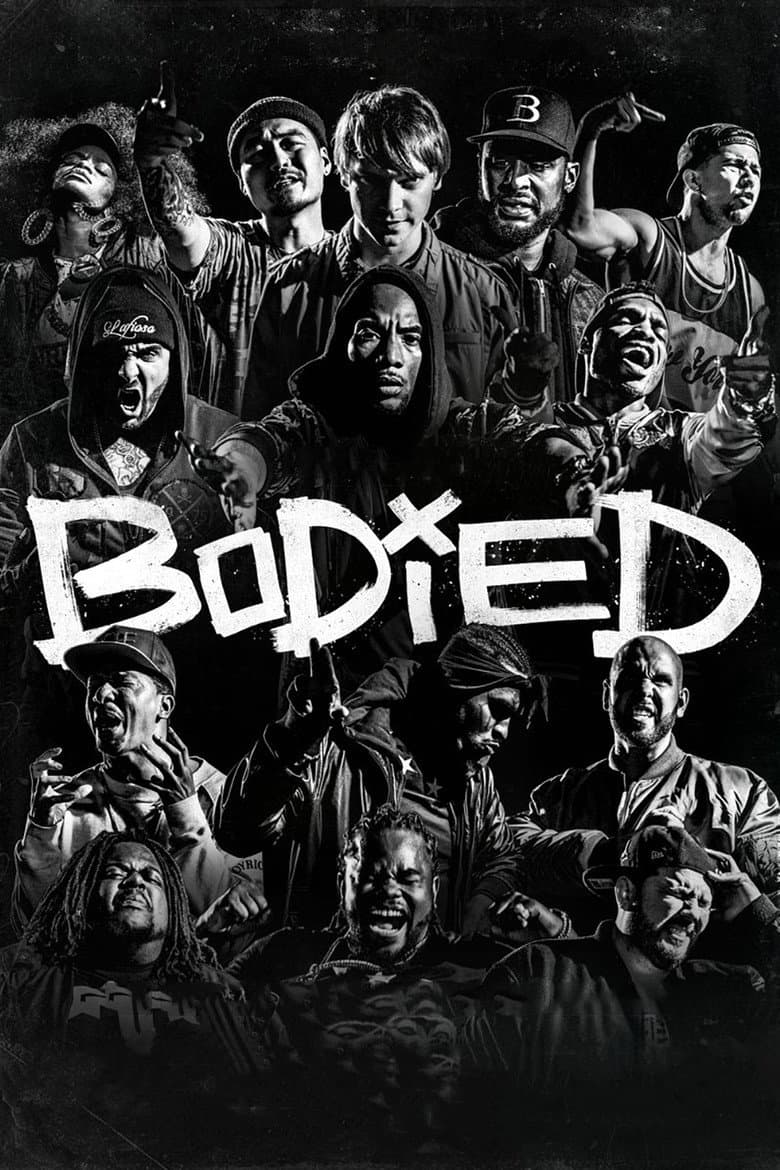
Bodied follows Adam Merkin, a white graduate student at Berkeley who studies the use of a racial slur in battle rap. He visits Oakland battles, meets respected rapper Behn Grymm, and wins a surprise match. Adam then becomes obsessed with the rush of live competition and starts using harsher insults to win. His new life damages his relationship with Maya, his place at school, and his bond with his father. The film is fast, loud, crude, and built as a dark comedy about words, pride, and the cost of chasing fame.
The story keeps race, gender, sexuality, and who may use another group’s art in view from start to finish. Adam’s rise depends on crossing lines about racial slurs and insults aimed at women and gay people, while students and school leaders punish him for a viral battle. Maya speaks about racism, transphobia, slut shaming, white privilege, and women’s place in the story, but the film also mocks her activist language and campus outrage. A black woman rapper and an Asian rapper answer identity-based attacks with sharp verses, giving the film a clear focus on identity while it argues with political correctness and reckless free speech. These ideas are central to the plot, even though the movie does not give one simple side the final answer.
Community feedback
Was our 65% Woke rating accurate?
Breakdown
These are the editorial factors and ratings behind our score for Bodied.
Woke representation / casting
The film gives major battle-rap roles to Black, Asian, Latino, and white performers. The film also gives Devine Wright, a black woman, a strong and highly skilled role, and it shows an all-female tryout battle. The story has Devine reject being praised only because she is a woman. The mix fits a diverse California rap setting, so the identity signal is present but limited.
18%
Woke political dialogue
The film repeatedly uses lines about white privilege, racism, transphobia, slut shaming, cultural appropriation, and the Bechdel test. Maya presents a thesis about white racism being protected as free expression, and protesters call Adam a racist after his viral battle. The battle scenes answer those ideas with jokes and slurs instead of a simple lesson. The dialogue makes modern identity politics a frequent part of the movie, even when it is being mocked.
61%
Identity-driven story themes
The film makes a white graduate student’s use of racial and gender insults the main cause of his rise and fall. The plot follows his fight over who may enter a black art form and how much control a university should have over speech. The story gives long scenes to race, gender, sexuality, and identity-based attacks. The film mocks activist politics as well as reckless behavior, but the identity conflict remains the main story.
68%
Western institutional / cultural critique
The film repeatedly mocks Berkeley students, faculty, protests, and campus rules for punishing offensive speech. The film presents Maya and other students as eager to police words and treat Adam as a public danger. The school dean removes his scholarship, and protesters call for a safe space after his viral battle. The satire targets modern campus activism and cultural policing, although it also criticizes Adam’s racism and cruelty.
54%
Woke character or canon changes
Not relevant. The film is an original story about fictional battle rappers. It does not change a known character, source, or real historical figure.
0%
Anti-woke backlash and complaints
Not present. Public coverage and the separate X check mostly treated the film as an anti-PC satire or praised it for attacking identity politics. Some negative reviews questioned its balance and treatment of race, but those complaints were not claims that the film pushed woke or DEI messaging.
0%
Creator track record context
Joseph Kahn’s stored score is 22, and his public record includes criticism of political correctness and DEI-based identity criteria. Alex Larsen’s stored score is 38 because his work often explores identity and cultural conflict. Eminem’s stored score is 32 and reflects a mixed, mildly left-leaning record, while Judy Cook’s score is 0. Their context matches the film’s interest in free speech and identity politics, so this factor is mild to moderate.
31%
Production
Movie · 2017
Ingrid becomes obsessed with a social network star named Taylor Sloane who seemingly has a perfect life. But when Ingrid decides to drop everything and move west to be Taylor's…
Movie · 2023
Leo and Angela Russo live a simple life in Queens, surrounded by their overbearing Italian-American family. When their son finds success on his high school basketball team, Leo…
Movie · 2024
Pansy is a woman so full of rage that every interaction she has devolves into lashing out, whether at her utterly cowed husband and son, or random strangers who have the temerity…
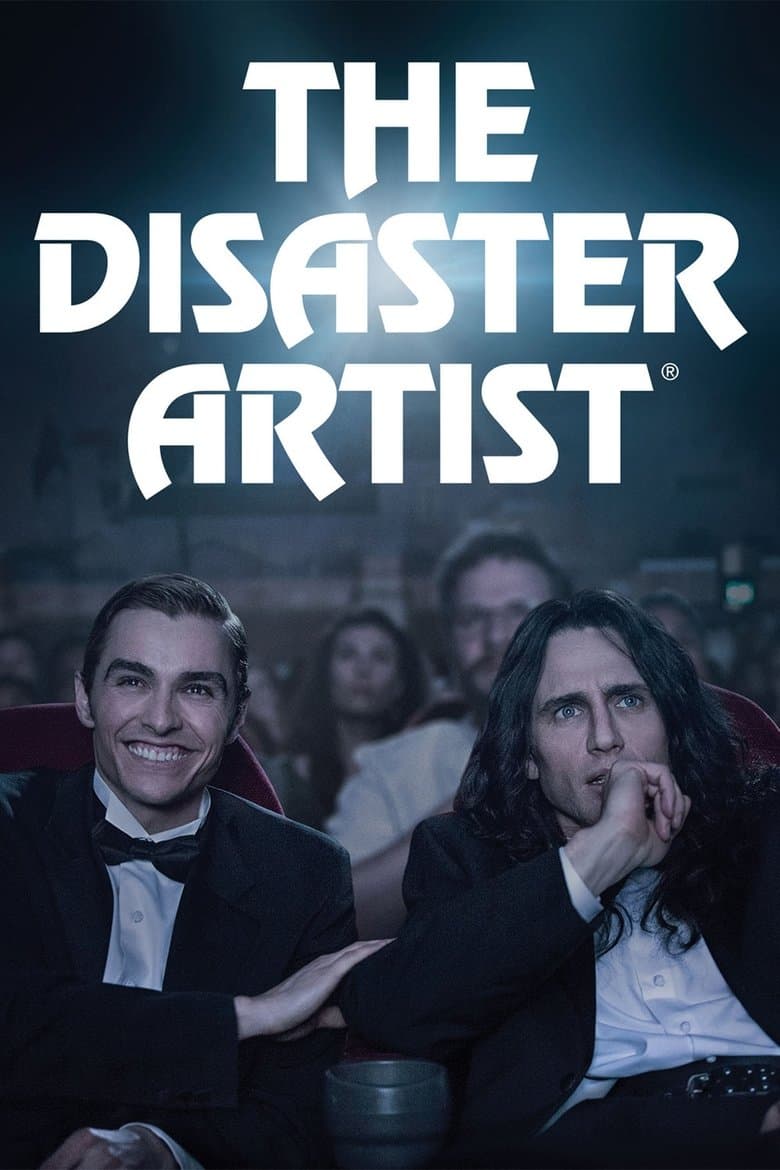
Movie · 2017
An aspiring actor in Hollywood meets an enigmatic stranger by the name of Tommy Wiseau, the meeting leads the actor down a path nobody could have predicted; creating the worst…

Movie · 2024
Mismatched cousins David and Benji reunite for a tour through Poland to honor their beloved grandmother. The adventure takes a turn when the pair's old tensions resurface against…
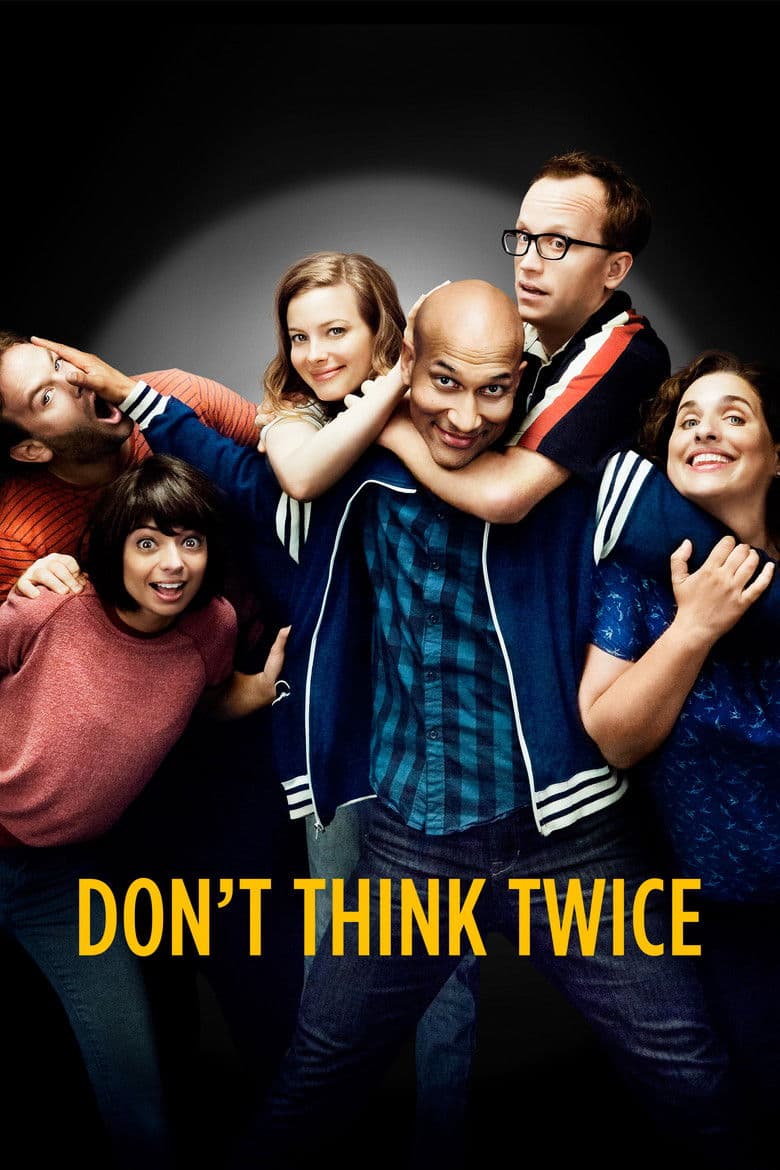
Movie · 2016
An improv group deals with several crises, including the loss of their lease and one member hitting the big time.
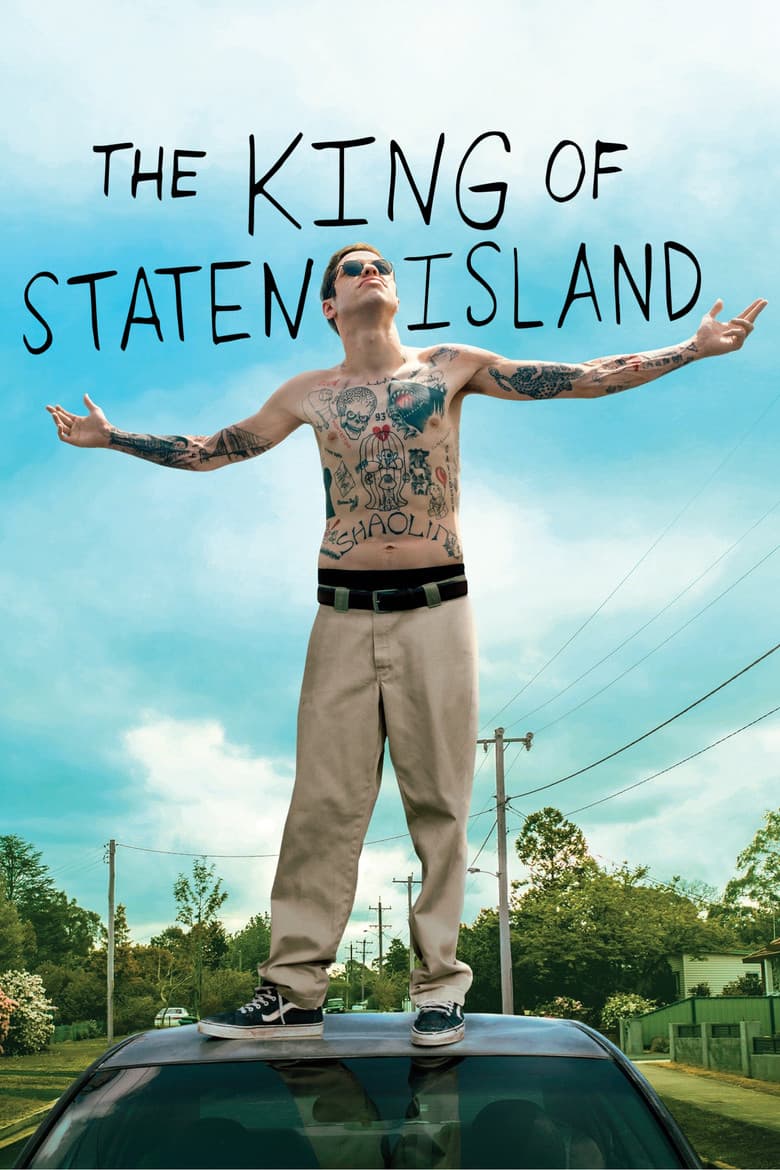
Movie · 2020
Scott has been a case of arrested development ever since his firefighter father died when he was seven. He's now reached his mid-20s having achieved little, chasing a dream of…
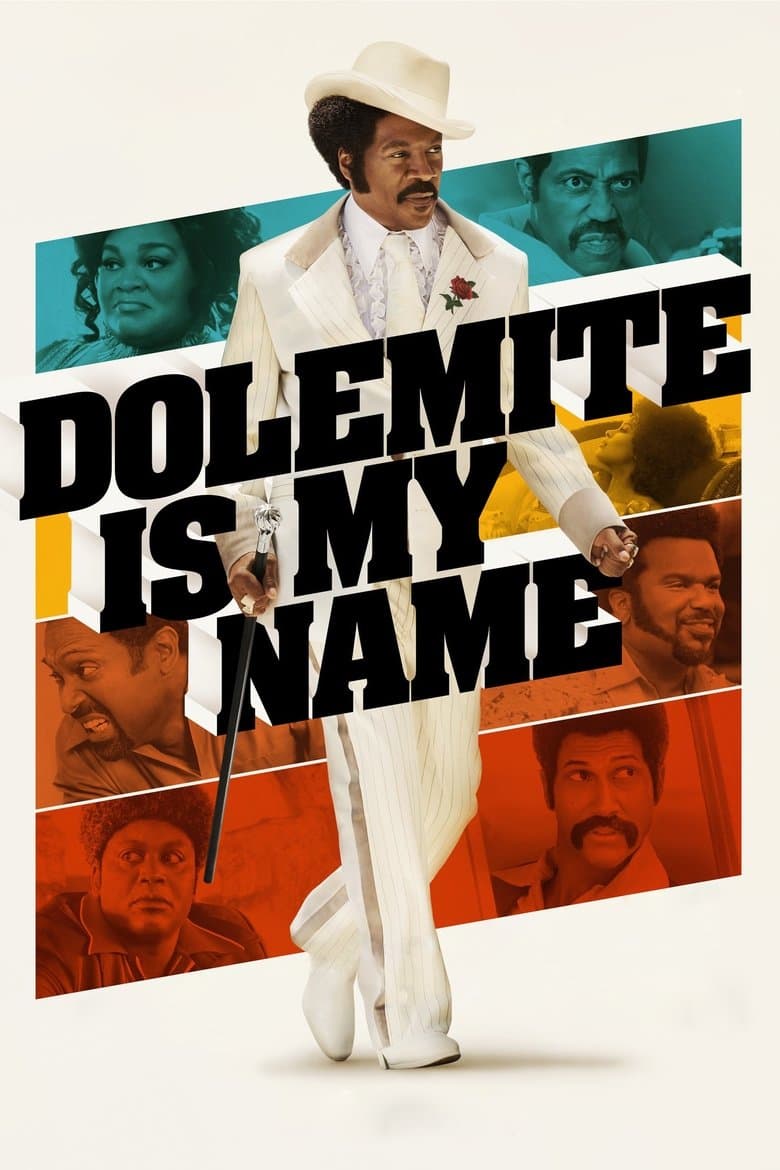
Movie · 2019
The story of Rudy Ray Moore, who created the iconic big screen pimp character Dolemite in the 1970s.
