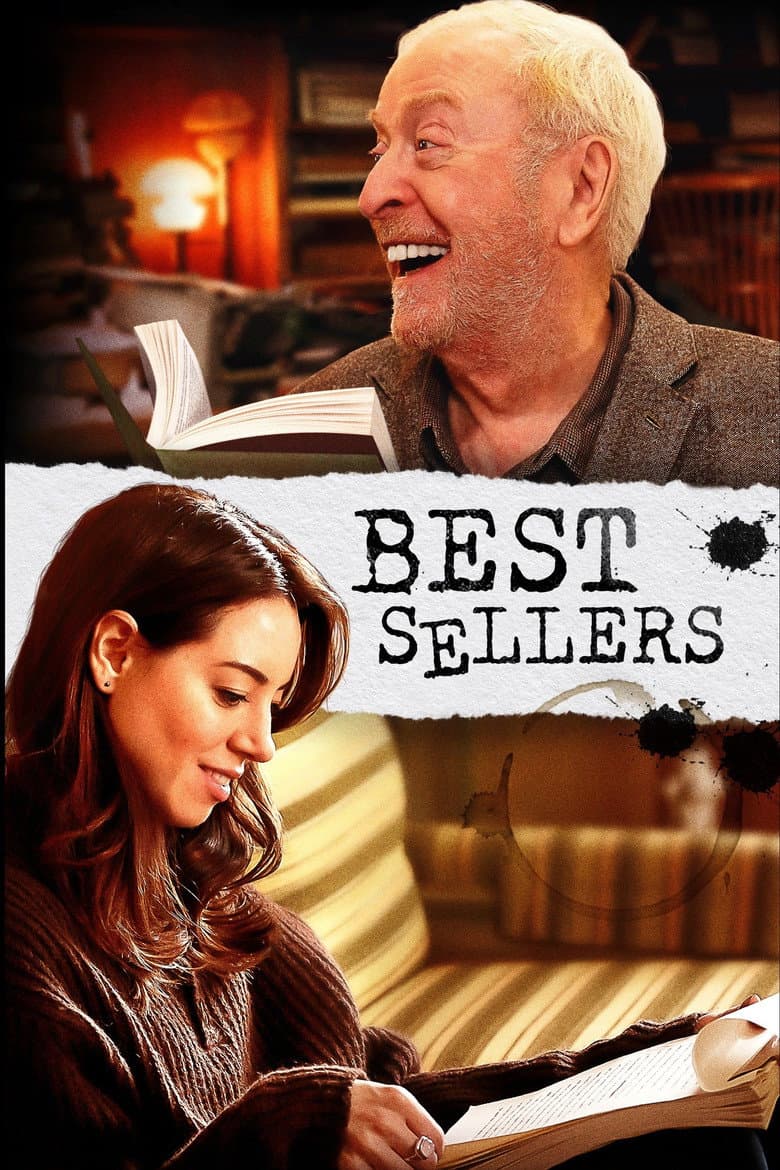
Lucy Stanbridge has inherited her father’s small publishing company in New York. The business is failing, so she tracks down Harris Shaw, a famous old writer who owes the company one more book. Harris agrees to publish the book only if he can keep it unchanged and join Lucy on a rough road tour. The comedy drama follows their fights, grief, and slow friendship as they face the cost of fame.
The film centers on the gap between Harris’s old way of making art and Lucy’s need to sell books in the age of online attention. Lucy uses filmed readings and social media to reach readers, while Harris mocks publicity and modern business. Their conflict also uncovers a painful secret about Harris’s late wife, who helped shape his first novel without receiving credit. The ending values honest work, family memory, and friendship more than status or sales.
Community feedback
Was our 12% Woke rating accurate?
Breakdown
These are the editorial factors and ratings behind our score for Best Sellers.
Woke representation / casting
Not present. Lucy runs a publishing company and Rachel works as her assistant, but the film does not present their roles as a diversity message. The modern setting makes these choices ordinary parts of the story.
0%
Woke political dialogue
Not present. The film uses angry jokes and swearing about books, publicity, online fame, and artistic freedom. It does not make modern identity, gender, DEI, or activist talk part of the story.
0%
Identity-driven story themes
The film reveals that Harris’s late wife, Elizabeth, edited his first novel without receiving credit. The story treats the hidden female work as a reason for his grief and guilt. Lucy also controls the company’s final choices and later agrees to edit Harris’s remaining books. These moments give women control and highlight lost credit, but the film keeps them inside a personal family story.
18%
Western institutional / cultural critique
Not present. The film pokes fun at publishing deals, book critics, and online promotion. It does not turn that business satire into a modern critique of patriarchy, capitalism, Christianity, or conservative culture.
0%
Woke character or canon changes
Not relevant. The film is an original screenplay about fictional publishers and writers. It does not adapt an established character or historical event.
0%
Anti-woke backlash and complaints
Not present. The available X pass found no anti-woke reaction or specific complaints. Broader reviews and audience posts discuss the story and performances, not DEI or identity politics.
0%
Creator track record context
The writer and director have low cached scores, and most producers and casting staff also have low scores. Producer Cassian Elwes has supported gender parity, and producer Pierre Even has backed some socially serious films. The team adds a mild context signal, but no strong activist pattern is tied to this movie.
14%
Production
Movie · 2020
Four stagnant high school teachers decide to test out a theory that maintaining a constant level of intoxication will improve their overall lives.
Movie · 2017
When dictator Joseph Stalin dies, his parasitic cronies square off in a frantic power struggle to become the next Soviet leader.

Movie · 2018
An American hypochondriac who is working as a baggage handler is forced to confront his fears when a British teenager with a terminal illness enlists him to help her carry out her…
Movie · 2022
Two lifelong friends find themselves at an impasse when one abruptly ends their relationship, with alarming consequences for both of them.
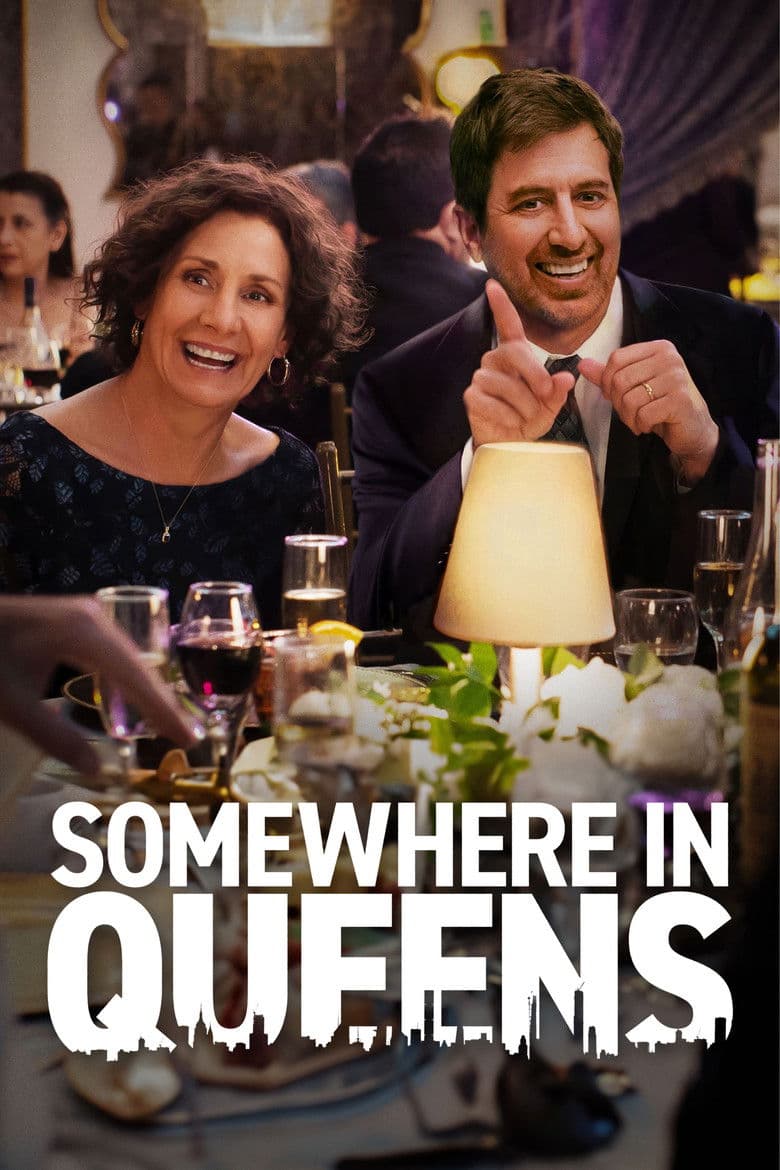
Movie · 2023
Leo and Angela Russo live a simple life in Queens, surrounded by their overbearing Italian-American family. When their son finds success on his high school basketball team, Leo…
Movie · 2018
Vignettes weaving together the stories of six individuals in the old West at the end of the Civil War. Following the tales of a sharp-shooting songster, a wannabe bank robber, two…
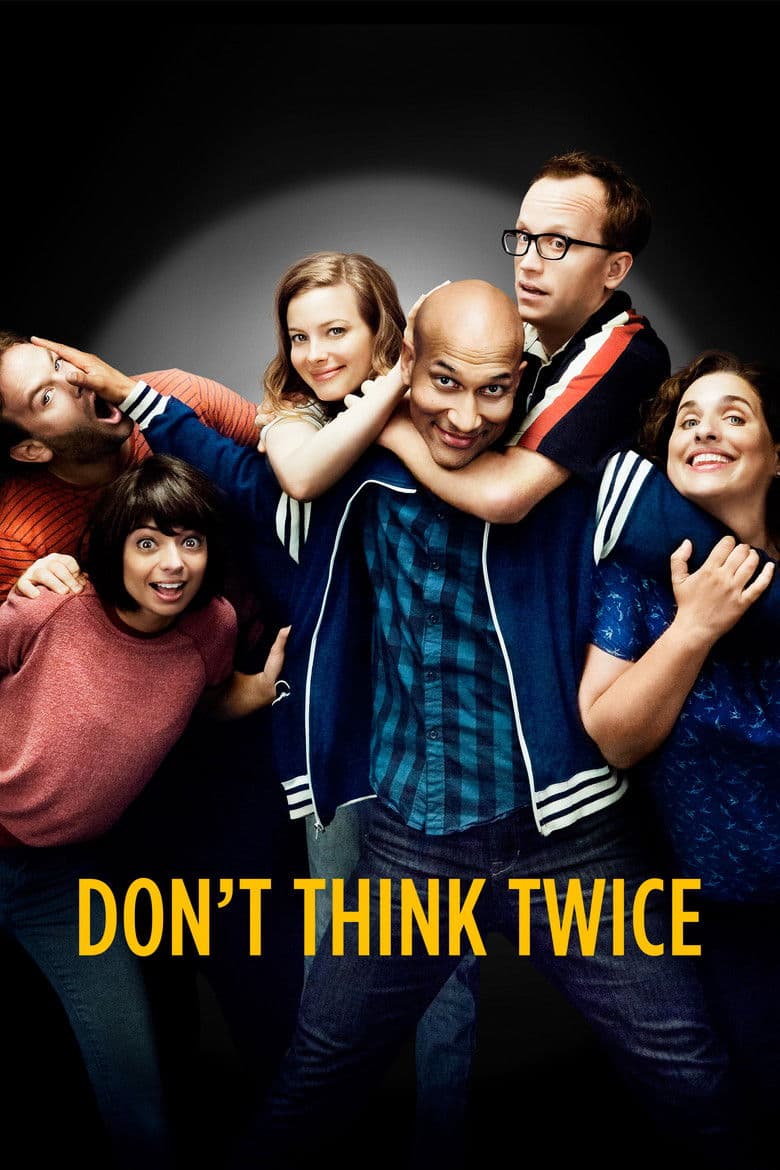
Movie · 2016
An improv group deals with several crises, including the loss of their lease and one member hitting the big time.
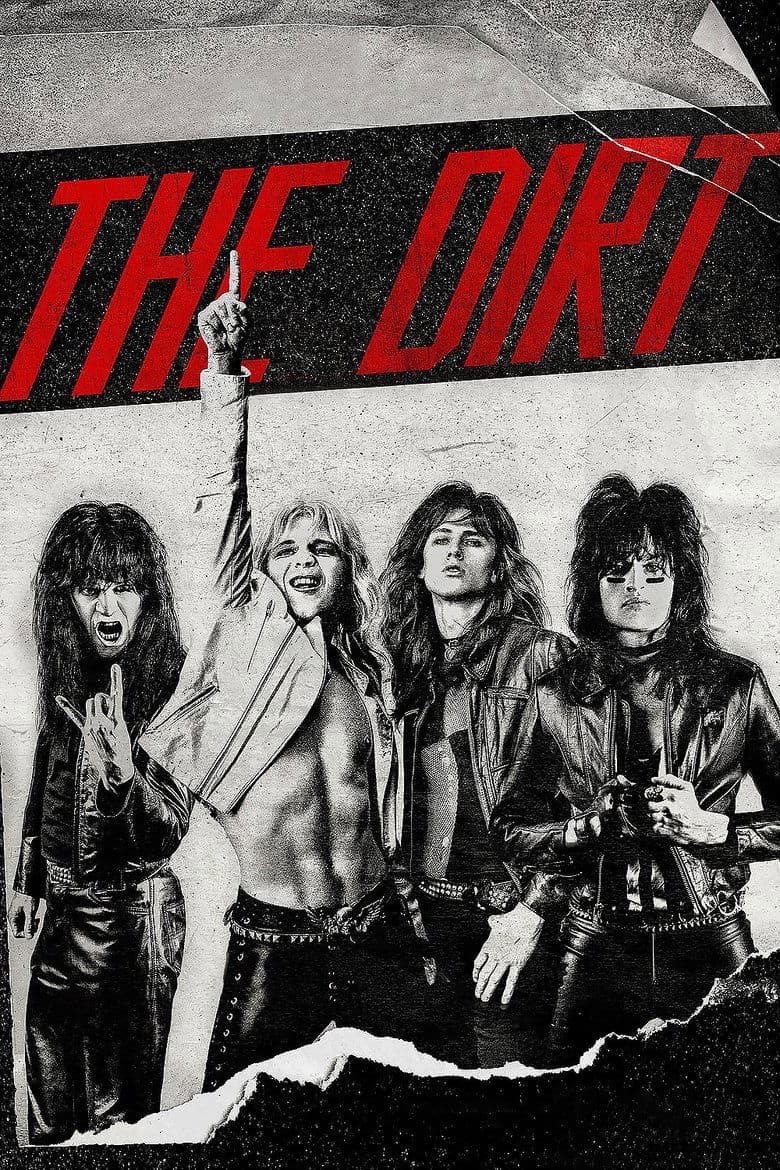
Movie · 2019
The story of Mötley Crüe and their rise from the Sunset Strip club scene of the early 1980s to superstardom.
