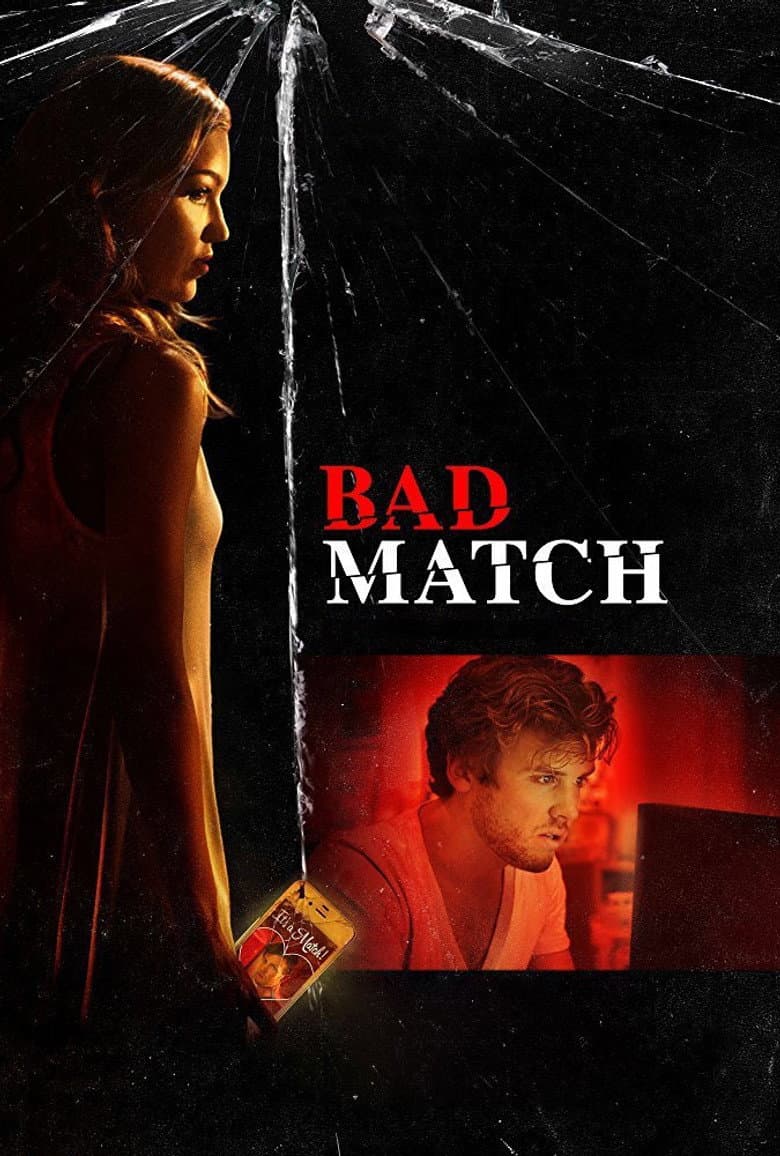
Harris is a young marketing worker in a modern American city who uses dating apps to find women for one-night stands. He meets Riley, who wants more from the connection and keeps entering his life after he tries to leave. Harris then faces hacked accounts, public shame, police trouble, and a violent final meeting. The film uses a dark, tense tone with dry jokes, online messages, and sudden twists.
The film makes Harris’s careless treatment of women a main part of the danger. It turns the usual “crazy woman” setup around by making Harris less trustworthy and more harmful as the story moves forward. It treats men’s and women’s dating expectations as a serious subject and gives Harris punishment for seeing people as disposable. The message is clearly about gender and masculinity, but the story does not center race, LGBTQ identity, DEI, or broad political activism.
Community feedback
Was our 41% Woke rating accurate?
Breakdown
These are the editorial factors and ratings behind our score for Bad Match.
Woke representation / casting
Not present. The film uses a mixed modern cast, including a black friend and a woman boss, but the story does not frame those choices as a representation message. No unusual identity pattern or identity-first lead setup is clear.
0%
Woke political dialogue
The film has several direct lines about Harris using women for sex. Riley calls him out for treating her like a disposable object. Harris later admits that he used her and did not care about her feelings. These lines create a clear gender message, but they appear in a few scenes rather than in a long political speech.
28%
Identity-driven story themes
The story makes Harris’s treatment of women a main cause of the crisis. The film starts with a man who uses dating apps for quick sex and leaves women without care. The story turns the expected “crazy woman” setup around by showing Harris becoming less trustworthy and more violent. Riley also admits that she uses cruel tricks, so the film presents both characters as harmful instead of saying that women are always good and men are always bad.
47%
Western institutional / cultural critique
The film criticizes male entitlement and the old idea that a rejected woman must be the only monster. Harris’s friends first treat his sex life as a joke, while the plot later shows his habit as harmful. The story does not attack religion, family, capitalism, or government institutions. The critique stays inside the dating story, so it is present but limited.
33%
Woke character or canon changes
Not relevant. The film is an original story and does not change an established character, source, or real historical figure.
0%
Anti-woke backlash and complaints
Not present. The separate X pass found no anti-woke reaction or specific complaints. Web reviews and audience discussion criticized or praised the dating message, but no right-leaning or anti-DEI backlash was found.
0%
Creator track record context
David Chirchirillo has a low recorded creator score of 8/100 and no strong public record of activist or identity-driven work. J.D. Lifshitz and Raphael Margules each have recorded scores of 39/100 and a history of supporting diverse or social-theme genre films. Amey René and Anna Dale-Meunier have lower recorded scores of 27/100 and 15/100. This mix gives the film some supporting context, but it is not a strong creator pattern.
26%
Production
Movie · 2017
Though Kevin has evidenced 23 personalities to his trusted psychiatrist, Dr. Fletcher, there remains one still submerged who is set to materialize and dominate all the others.
Movie · 2018
Laurie Strode comes to her final confrontation with Michael Myers, the masked figure who has haunted her since she narrowly escaped his killing spree on Halloween night four…
Movie · 2018
Two sisters are trapped under the fiberglass cover of an Olympic sized public pool and must brave the cold and each other to survive the harrowing night.
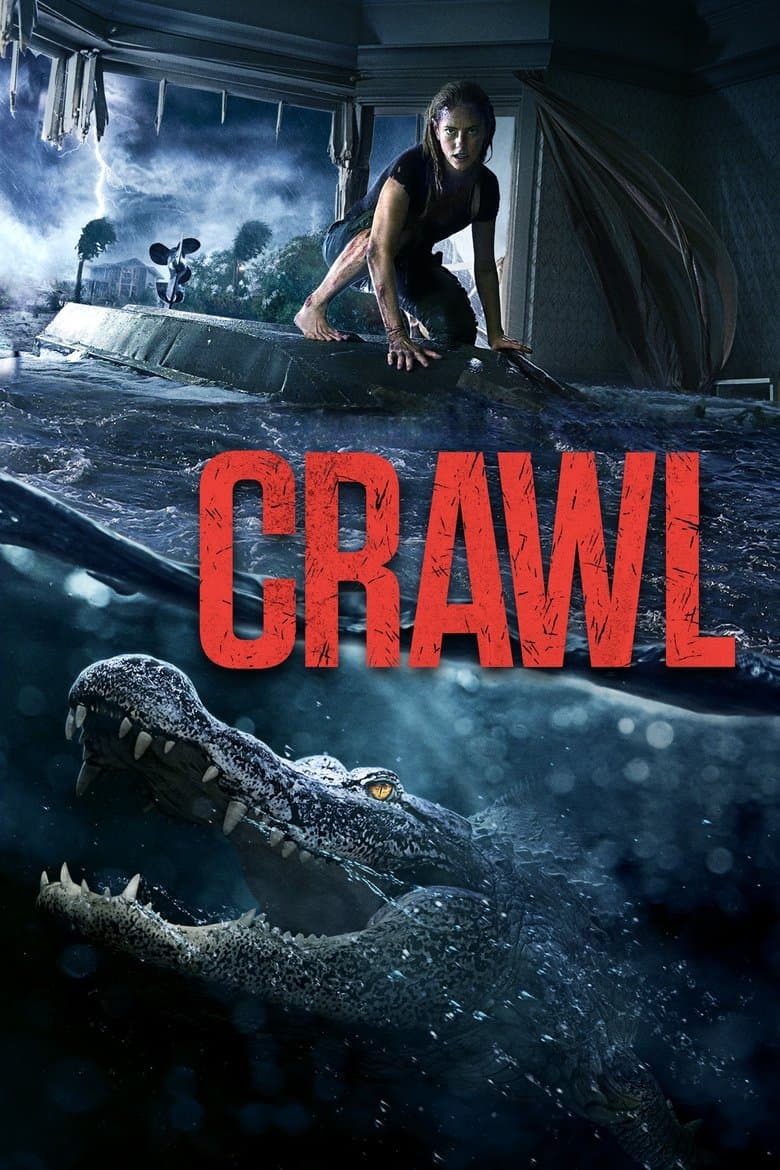
Movie · 2019
When a huge hurricane hits her hometown in Florida, Haley ignores evacuation orders to look for her father. After finding him badly wounded, both are trapped by the flood.
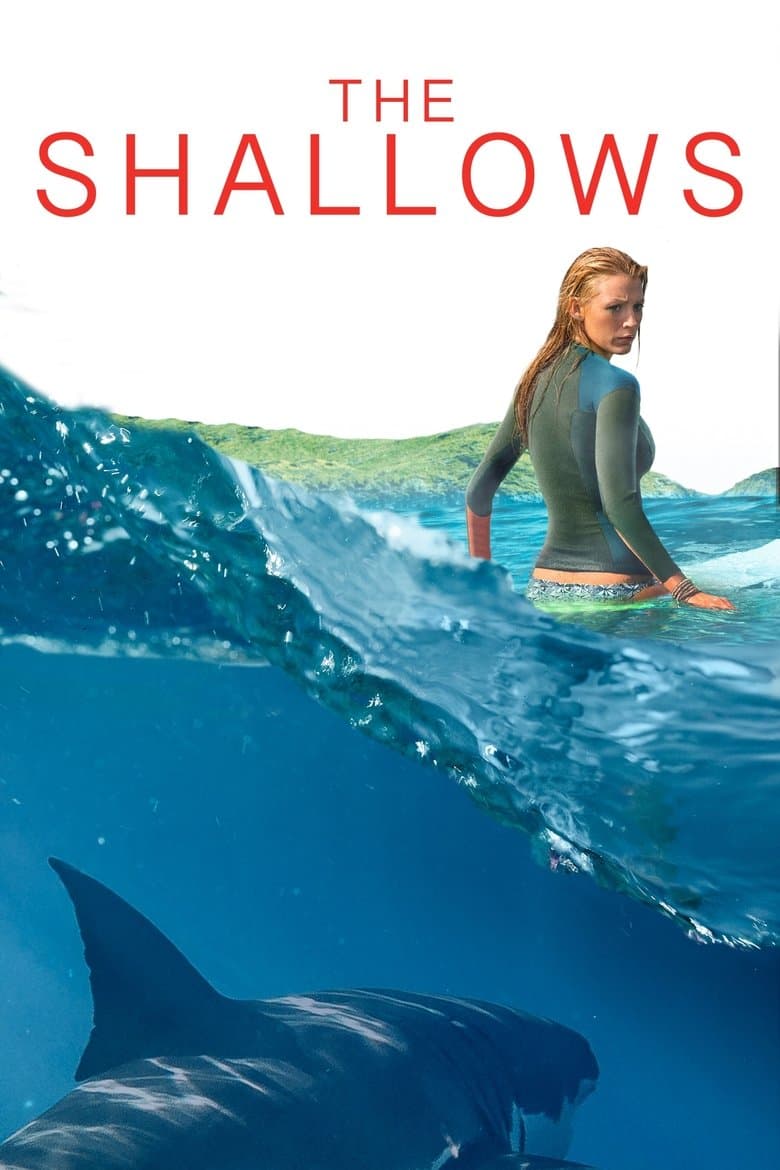
Movie · 2016
While surfing on a secluded beach, Nancy finds herself in the feeding grounds of a great white shark. Though stranded only 200 yards from shore, survival proves to be the ultimate…
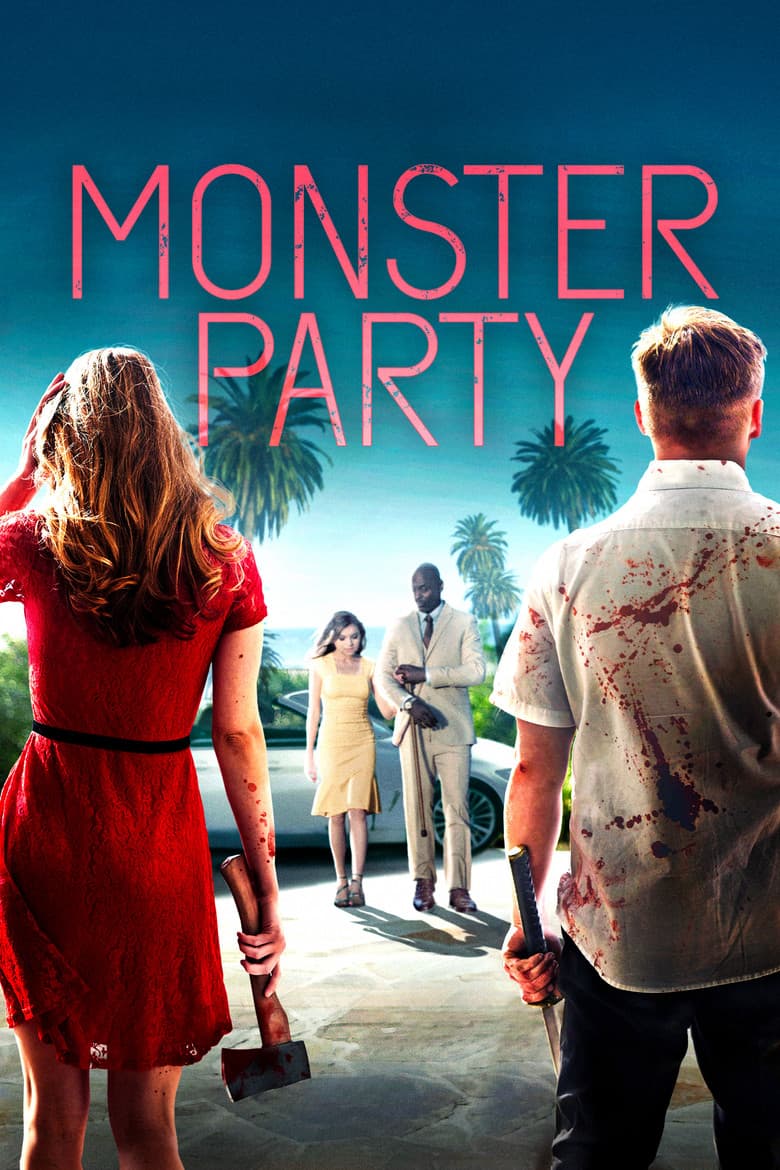
Movie · 2018
Three teenage thieves infiltrate a mansion dinner party, unaware that it is secretly being hosted by a serial killer cult for the social elite.
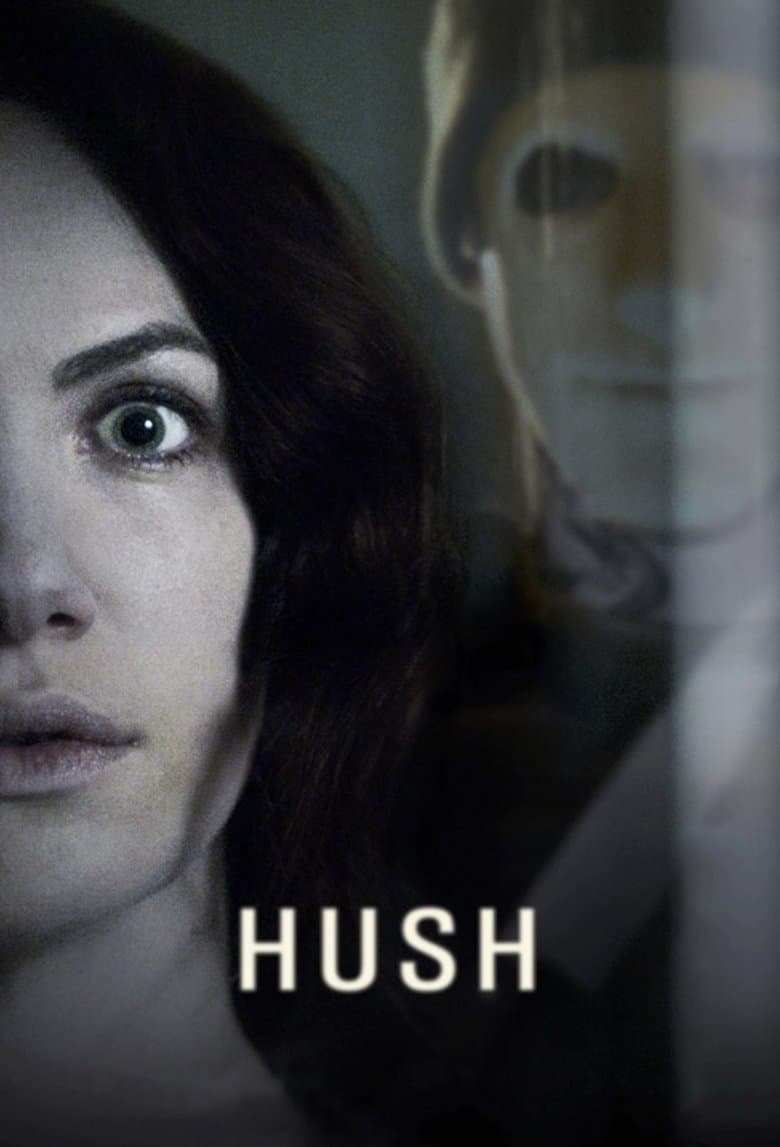
Movie · 2016
A deaf woman is stalked by a psychotic killer in her secluded home.
Movie · 2022
Finney Blake, a shy but clever 13-year-old boy, is abducted by a sadistic killer and trapped in a soundproof basement where screaming is of little use.
