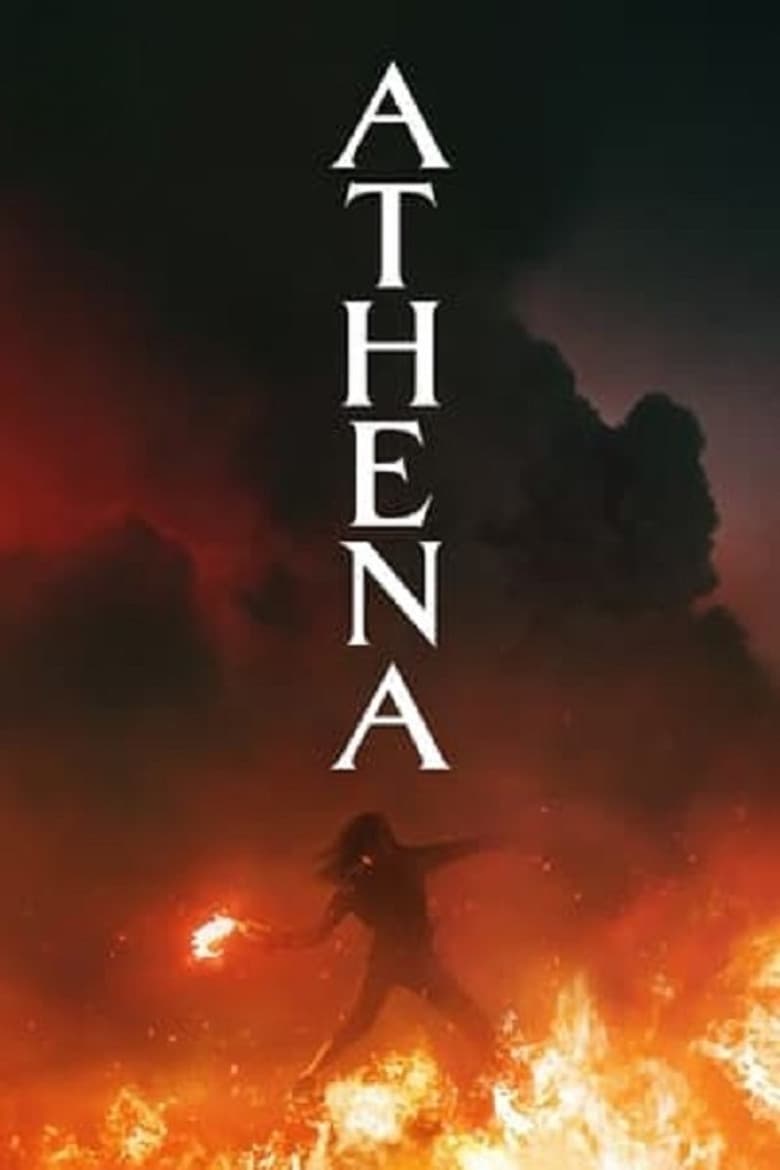
Abdel returns to the Athena housing estate outside Paris after his thirteen-year-old brother Idir dies from a beating shown in a viral video. The video seems to show police officers killing the boy, so Abdel tries to protect the residents while his younger brother Karim starts an armed revolt. Their older half-brother Moktar worries about his drug business, and a captured police officer becomes the center of the showdown. The film moves through one night of fires, raids, guns, and collapsing family ties with a tense, bleak, highly violent tone.
Athena places a French-Algerian family and a mainly North African estate at the center of a fight over police abuse, belonging, and revenge. The story shows the residents as angry and hurt, but it also shows looting, hostage-taking, drug dealing, and attacks on civilians. Abdel's loyalty to France clashes with Karim's belief that justice will never come through official channels. The ending says far-right attackers dressed as police killed Idir to trigger wider racial unrest, while a former terrorist who fought in Syria helps turn the estate into a death trap. These themes make identity, state power, and far-right violence central to the story, even though the film gives more space to action than debate.
Community feedback
Was our 82% Woke rating accurate?
Breakdown
These are the editorial factors and ratings behind our score for Athena.
Woke representation / casting
Not present. The principal residents fit the modern French housing estate shown in the film. The film does not make casting or identity selection a separate message.
0%
Woke political dialogue
The film opens with Abdel saying police misconduct has happened several times and that the force may protect its own. Karim demands that Idir's killers be named and punished, and he uses a police hostage to press that demand. A television debate argues over whether the estate is part of France and whether the police or the army should restore order. These lines return to police abuse, state failure, and distrust of official news.
48%
Identity-driven story themes
The story centers on a French-Algerian family and a poor estate whose residents feel rejected by the wider country. The death of a young Muslim boy turns questions about race, police power, and belonging into the main conflict. The ending says far-right attackers used police uniforms to provoke a wider fight against immigrant communities. The film also shows looting, crime, and Islamist violence, so it does not present every resident as innocent.
72%
Western institutional / cultural critique
The film repeatedly shows police power as violent and unable to protect or calm the estate. The estate is shown as poor and cut off from the rest of France, while a television guest argues that its residents live by different rules. The ending blames far-right extremists for creating the crisis and warns that their plan can push the country toward civil war. The sympathetic young officer and Abdel's military service add some balance, but the main view remains hostile to state power.
64%
Woke character or canon changes
Not relevant. The film uses the shape of a Greek tragedy, but it does not adapt a known story or change an established character.
0%
Anti-woke backlash and complaints
The trailer drew repeated anti-woke attacks that called the film Netflix propaganda about immigrants rebelling against a racist French state. Éric Zemmour called it a propaganda fable that could encourage violence against police, and a short-lived #cancelathena trend spread on Greek Twitter. French and European outlets also reported the claims, including later posts that reused the trailer during the 2023 riots. The debate had real reach, but no broad boycott or organized review campaign is clear.
52%
Creator track record context
Romain Gavras has a repeated focus on banlieue life, policing, immigrant communities, and social unrest. Ladj Ly's work strongly centers police violence, poverty, racial tension, and state neglect. Elias Belkeddar often explores French-Algerian identity and belonging. Those patterns match Athena's central conflict and make the creator track record context strong.
66%
Production
Movie · 2023
After a heroic job of successfully landing his storm-damaged aircraft in a war zone, a fearless pilot finds himself between the agendas of multiple militias planning to take the…
Movie · 2018
When a stadium is seized by a group of heavily armed criminals during a major sporting event, an ex-soldier must use all his military skills to save both the daughter of a fallen…
Movie · 2020
A hotel room shootout between two assassins kicks off a long night where bodies fall like dominoes, as we follow a chain of crooked cops, gangsters, hitmen, a femme Fatale and an…
Movie · 2017
A doctor desperately tries to save his wife and their 5 year old son after their vacation in the Bahamas takes an unexpected turn.
Movie · 2017
Rohan is a kind, happy young man who has been blind since birth and works as a voice-over artist for a living.
Movie · 2025
Ethan Hunt and team continue their search for the terrifying AI known as the Entity — which has infiltrated intelligence networks all over the globe — with the world's governments…
Movie · 2022
A recently widowed man and his two teenage daughters travel to a game reserve in South Africa. However, their journey of healing soon turns into a fight for survival when a…
Movie · 2018
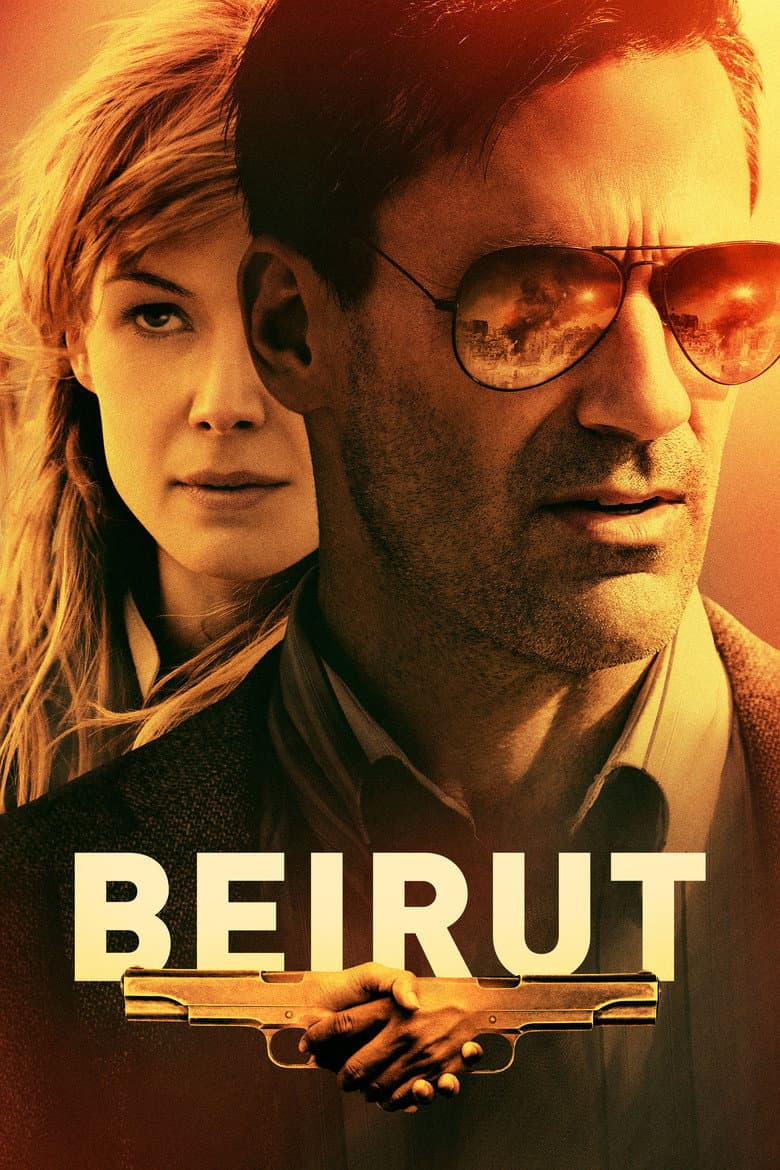
In 1980s Beirut, Mason Skiles is a former U.S. diplomat who is called back into service to save a colleague from the group that is possibly responsible for his own family's death.
