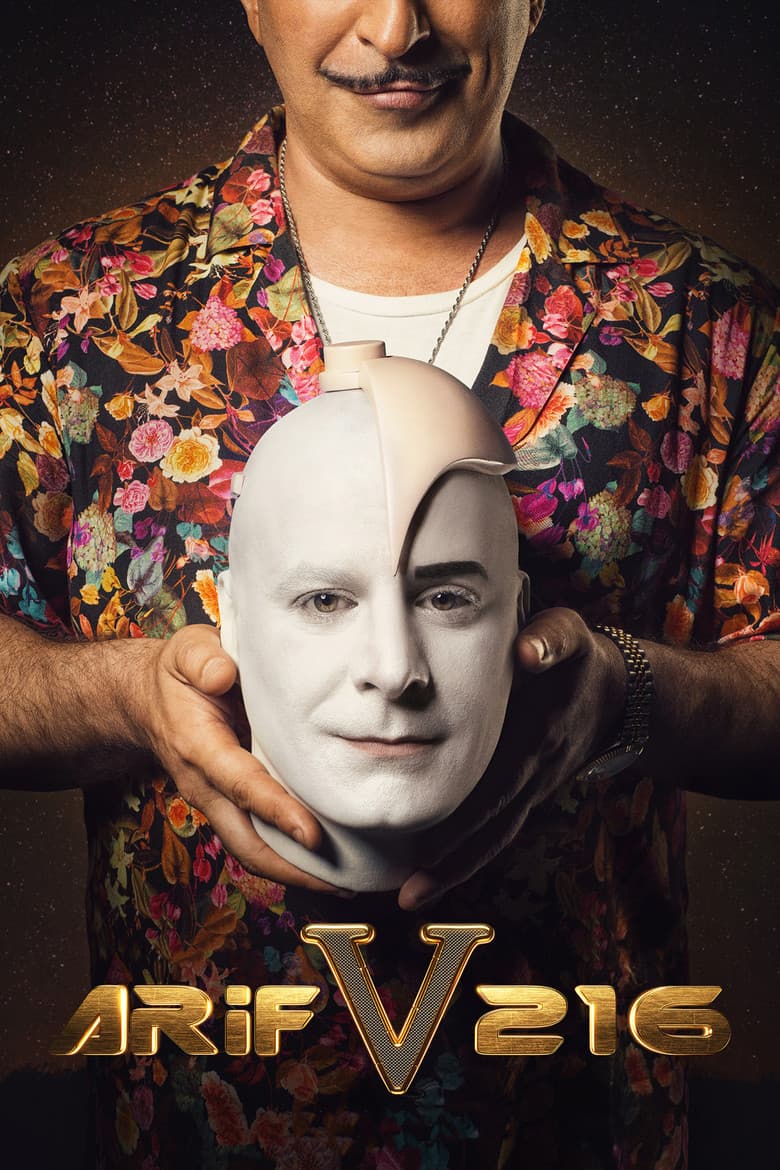
Arif Işık lives a quiet life on Earth after his adventures on GORA. His old robot friend 216 arrives from space and says that he wants to live, love, and feel like a human. People reject the robot, so Arif takes him through a time machine to Istanbul in 1969. The pair enter a bright Yeşilçam-style neighborhood, meet famous Turkish stars, and face a toy maker whose plan can create a dark future. The film uses 216’s wish to be human as a story about friendship, love, and the way people treat an outsider. The warm 1969 community stands against a future where robots, business power, and the government have become one harsh system. A few jokes point at modern Turkey, public fear, social division, and political slogans. These ideas sit beside the main comedy and time-travel plot, while the film keeps returning to kindness, loyalty, and the question of what makes someone human.
Community feedback
Was our 39% Woke rating accurate?
Breakdown
These are the editorial factors and ratings behind our score for Arif V 216.
Woke representation / casting
Not present. The main cast is Turkish and fits the Istanbul setting. The film uses famous local singers and actors in roles tied to Turkish culture, including Zeki Müren. Alev is a female doctor and researcher, but the film does not frame her casting as a diversity or identity statement.
0%
Woke political dialogue
Arif uses a joke about “zero problems with neighbors,” a known Turkish government slogan. Other lines point to claims that foreign countries envy Turkey and to a future run by a “big boss.” These references appear in short comic exchanges and the dark future section. Political dialogue is noticeable, but it does not control the film.
30%
Identity-driven story themes
216 spends much of the film asking to be treated as a person even though he is a robot. The film links human worth to love, tears, friendship, and moral choice. The story also shows an outsider being rejected by a fearful crowd and used by a powerful businessman. Zeki Müren appears in a flamboyant queer-coded supporting role, but the film does not build its plot around sexuality or identity politics.
32%
Western institutional / cultural critique
The film contrasts a friendly 1969 neighborhood with a present and future Istanbul filled with fear, anger, and social division. A future version of 216 rules through a giant company, police drones, and a government tied to business power. This future gives Arif the main reason to return and fix the past. A short joke also makes a religious-looking conservative figure part of the robot system. The film criticizes authoritarian politics and the loss of community, but it does not make gender or race the focus.
42%
Woke character or canon changes
Not relevant. The sequel gives 216 a new romance and a softer, more human mood. No confirmed race, gender, sexuality, or leadership swap to an established character is shown.
0%
Anti-woke backlash and complaints
Not present. No sustained anti-woke complaints, boycott, or review-bombing were found. Public debate focused on humor, length, product placement, and story quality.
0%
Creator track record context
Cem Yılmaz has a liberal and sometimes political public record, but his work is mainly satire and mainstream comedy. Kıvanç Baruönü has a mainstream comedy record with no clear activist pattern. Tümay Özokur has some social-justice work, while Renda Güner has no clear DEI or political profile. Their title-related comments stress friendship, kindness, and old Turkish films rather than representation.
23%
Production
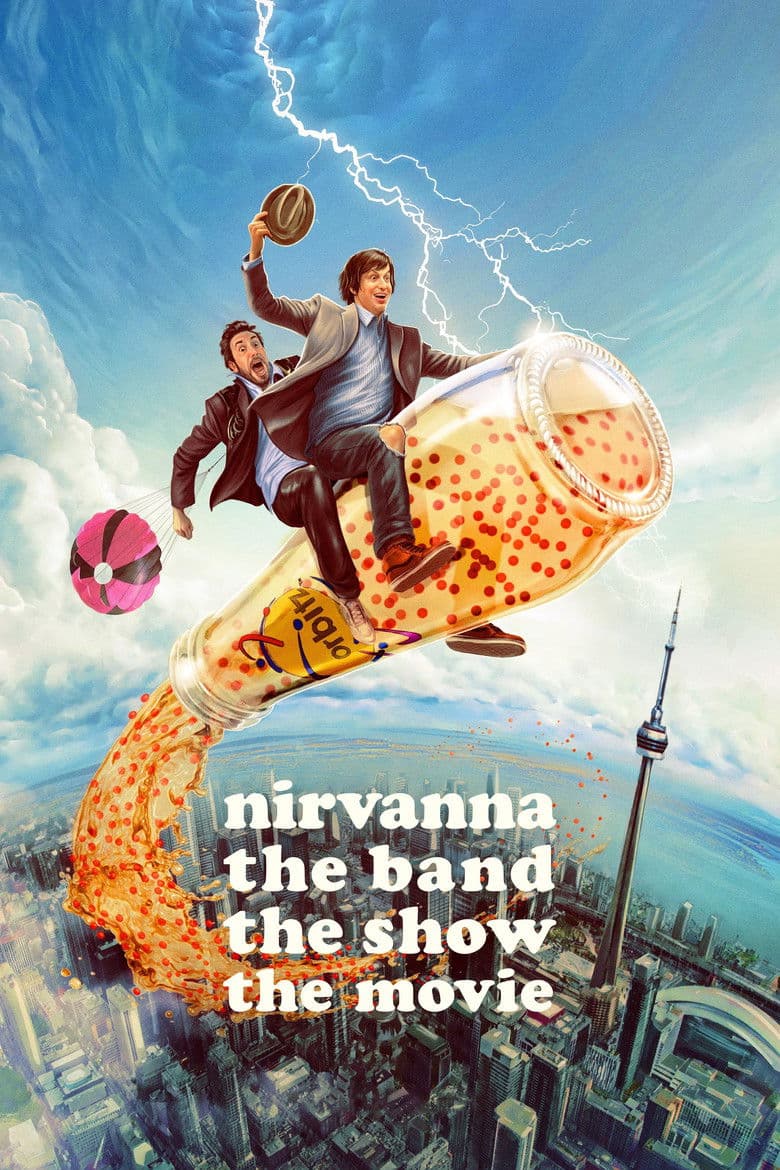
Movie · 2026
When their plan to book a show at the Rivoli goes horribly wrong, Matt and Jay accidentally travel back to the year 2008.
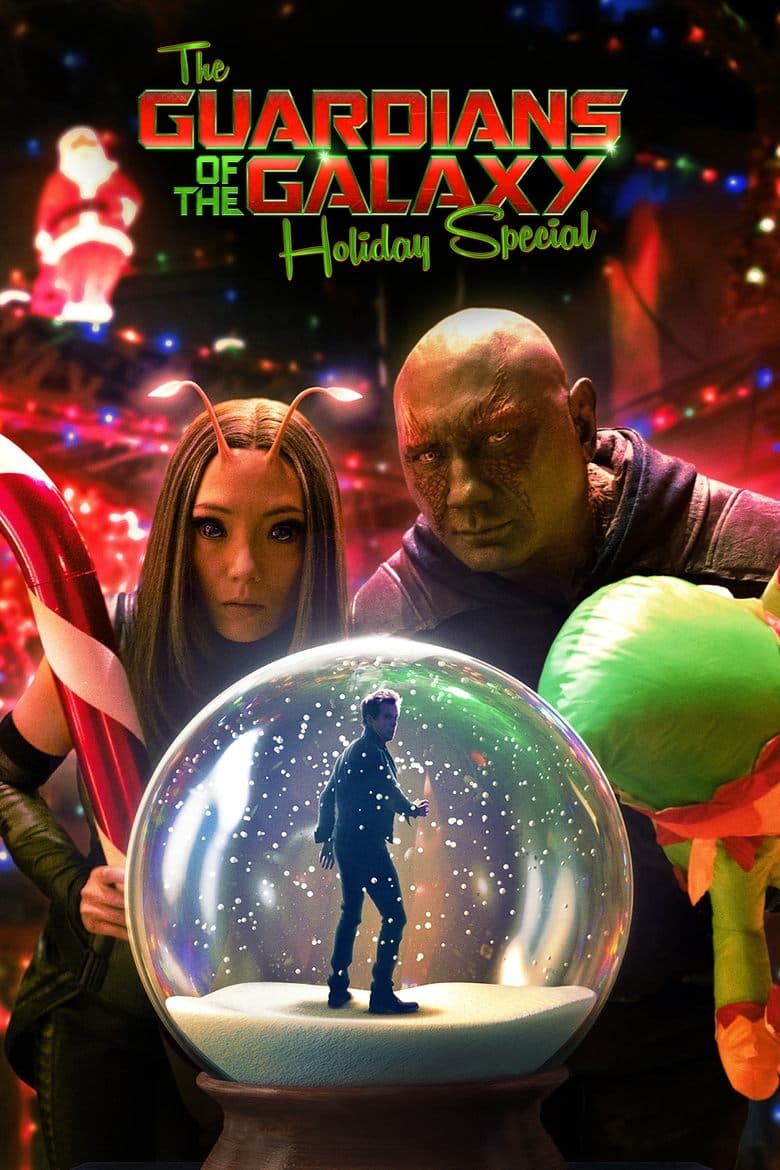
Movie · 2022
On a mission to make Christmas unforgettable for Quill, the Guardians head to Earth in search of the perfect present.
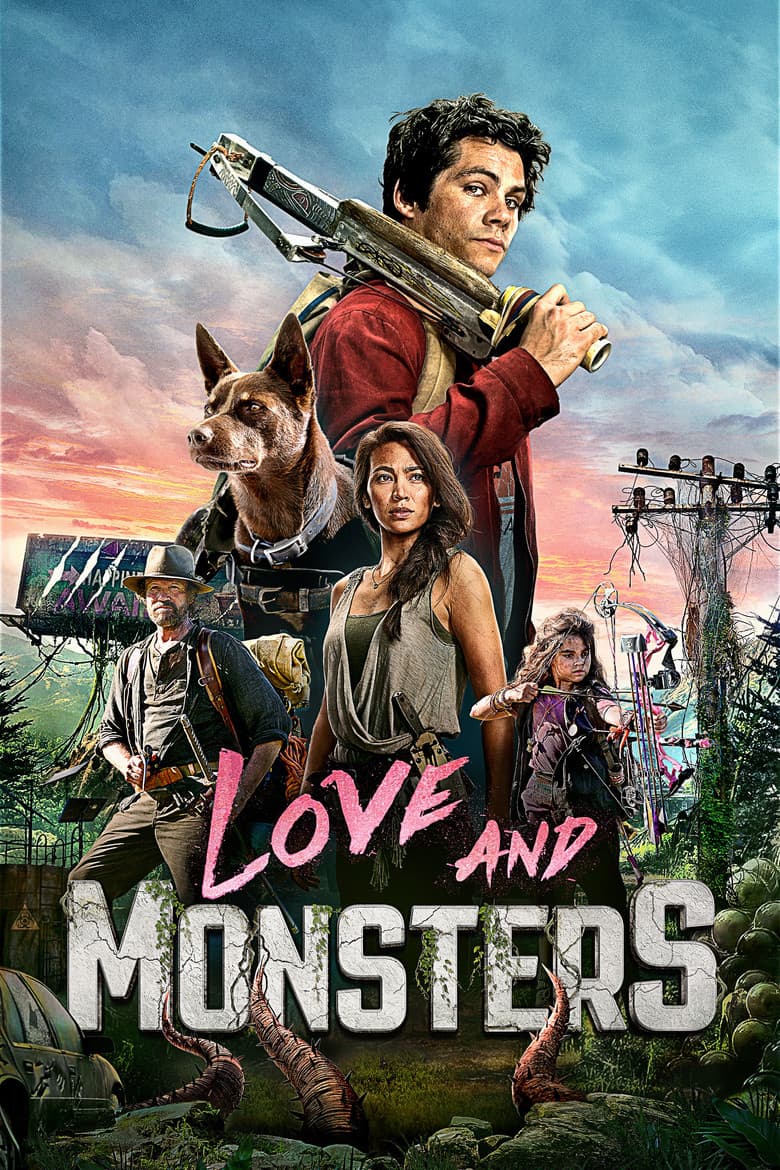
Movie · 2020
Seven years since the Monsterpocalypse began, Joel Dawson has been living underground in order to survive. But after reconnecting over radio with his high school girlfriend Aimee…
Movie · 2019
The Men in Black have always protected the Earth from the scum of the universe. In this new adventure, they tackle their biggest, most global threat to date: a mole in the Men in…
Movie · 2026
Science teacher Ryland Grace wakes up on a spaceship light years from home with no recollection of who he is or how he got there.
Movie · 2022
After accidentally crash-landing in 2022, time-traveling fighter pilot Adam Reed teams up with his 12-year-old self on a mission to save the future.
Movie · 2015
During a manned mission to Mars, Astronaut Mark Watney is presumed dead after a fierce storm and left behind by his crew.

Movie · 2020
When carefree Nyles and reluctant maid of honor Sarah have a chance encounter at a Palm Springs wedding, things get complicated when they find themselves unable to escape the…
