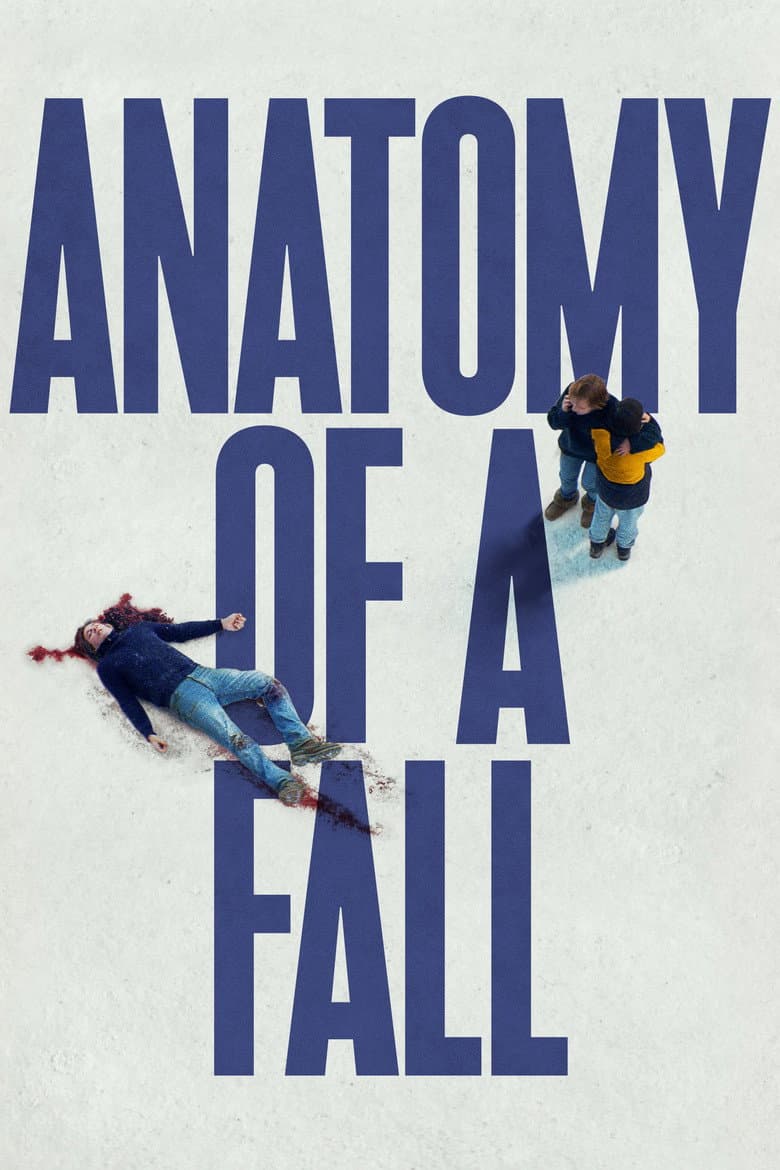
Anatomy of a Fall follows Sandra Voyter, a German writer living with her French husband and their blind son in a remote home in the French Alps. Samuel dies after falling from the house, and the court must decide whether he fell, jumped, or was pushed. Sandra becomes the main suspect while Daniel is pulled into the case as a witness. The film feels cold, tense, and uncertain as a family’s private pain becomes public evidence.
The story gives strong attention to Sandra’s bisexuality, her affairs with women, and her choice to protect her writing career. The court treats her sexuality, motherhood, and lack of grief as signs that she is dangerous, while the film presents those judgments as unfair. The marriage flips common roles because Sandra is the stronger writer and Samuel does more childcare. The film questions whether a successful woman must act like a helpless victim to be believed, but it keeps Sandra flawed and never gives a simple answer about the death.
Community feedback
Was our 55% Woke rating accurate?
Breakdown
These are the editorial factors and ratings behind our score for Anatomy of a Fall.
Woke representation / casting
Sandra is the film’s most successful writer and the stronger voice in the marriage. Samuel does more childcare and is the less successful writer, which gives the central couple a visible gender-role reversal. Triet also described the film as reversing familiar male and female roles. The wider cast fits a small modern French family and court and does not show a broad diversity-first design.
18%
Woke political dialogue
The prosecutor repeatedly questions Sandra about being bisexual, having affairs with women, and choosing work over domestic duties. Sandra rejects the idea that Samuel is only a victim and defends her freedom and career. A defense lawyer calls out sexist remarks during the trial. These exchanges recur through the case, but the film does not stop for a long activist speech.
27%
Identity-driven story themes
The film repeatedly links Sandra’s bisexuality, sexual freedom, career success, and motherhood to the question of whether she is trustworthy. The marriage flips familiar roles because Sandra is the more successful writer while Samuel takes on more childcare. The trial judges her for refusing to act like a helpless wife or grieving victim. The film exposes those judgments as unfair, but it also shows Sandra as flawed and leaves her guilt uncertain.
50%
Western institutional / cultural critique
The court and the media turn a private marriage into public proof and treat Sandra’s sex life, work, and parenting as signs of bad character. The prosecutor uses sexist claims and bias against bisexual people, while the defense says the court cares more about a winning story than complete truth. The film also questions old family roles by showing a man resentful of domestic work and a woman unwilling to give up her career. It does not attack Christianity, capitalism, or Western society as a whole.
43%
Woke character or canon changes
Not relevant. The film is an original story, so it does not change an established character, source, or real historical event.
0%
Anti-woke backlash and complaints
Mainstream coverage mostly praised the film and discussed its feminist and bisexual themes. A YouTube review titled “Victimhood Critique!” tagged the film with “Woke” and attacked its victimhood framing. That response was small and fringe compared with the film’s wider awards, meme, and audience discussion. No major boycott or organized anti-woke campaign was reported.
10%
Creator track record context
Justine Triet often makes stories about women, gender, and social pressure. Arthur Harari has a left-wing and identity-aware record, while Marie-Ange Luciani has a strong representation-focused producing history. Cynthia Arra has a clear trans and genderqueer documentary background, while David Thion and Clémentine Schaeffer add much weaker direct signals. Together, the key creators show a moderate social-issue pattern rather than an extreme activist record.
55%
Production

Movie · 2020
Hired to steal a rare painting from one of the most enigmatic painters of all time, an ambitious art dealer becomes consumed by his own greed and insecurity as the operation spins…
Movie · 2023
A gruesome serial killer is terrorizing London while brilliant but disgraced detective John Luther sits behind bars.
Movie · 2021
Aaron Falk returns to his drought-stricken hometown to attend a tragic funeral. But his return opens a decades-old wound - the unsolved death of a teenage girl.
Movie · 2018
Evan Birch is a family man and esteemed professor at a distinguished university. When a female student goes missing, police Detective Malloy has reason to be suspicious when…
Movie · 2021
An agoraphobic woman living alone in New York begins spying on her new neighbors only to witness a disturbing act of violence.
Movie · 2017
A homicide detective teams up with a criminal profiler to catch a serial killer whose crimes are inspired by the children's game, Hangman.
Movie · 2017
Jin-seok, 21-year-old, moves into a new house with his family. He suffers from a slight schizophrenia but he carries an ordinary life under the warm care of the family.
Movie · 2025
When an old acquaintance is murdered, Wolff is compelled to solve the case. Realizing more extreme measures are necessary, Wolff recruits his estranged and highly lethal brother…
