
James Figueras is a disgraced art critic living from small talks in Milan. He meets Berenice Hollis, a sharp and secretive American woman, and takes her to a rich collector’s villa on Lake Como. The collector orders James to steal a rare painting from Jerome Debney, a famous artist who has hidden from public life. James wants money and a return to fame, but his lies and greed pull everyone into a dark crime. The film has a slow, stylish, and uneasy mystery tone.
The main audience-visible identity element is Berenice’s role as a strong and clear-eyed woman among men who lie, use power, and chase status. Berenice sees through James and urges him to act rightly, which gives the movie a mild female-empowerment signal. This element matters to the relationship and the final moral conflict, but it is not the main message. The story spends far more time on art fraud, sex, ambition, guilt, and the false value that rich people place on paintings.
Community feedback
Was our 15% Woke rating accurate?
Breakdown
These are the editorial factors and ratings behind our score for The Burnt Orange Heresy.
Woke representation / casting
Not present. The central cast is made up of white European and American characters in an art-world crime story. The film does not present the casting as a diversity or identity statement.
0%
Woke political dialogue
Not present. The dialogue focuses on art, lies, greed, sex, and ambition. The film has no modern identity, DEI, or activist political lines.
0%
Identity-driven story themes
The film makes Berenice a strong, clear-eyed woman who sees through James. Berenice urges him to stop stealing and face the moral truth of what he is doing. The story uses that contrast between her judgment and his corruption, but art fraud, ambition, and murder remain the main concerns.
14%
Western institutional / cultural critique
Not present. The film mocks wealthy art dealers, dishonest critics, and the high prices placed on paintings. That criticism targets greed and false value in a crime story, not modern activist criticism of Western culture, religion, or traditional social rules.
0%
Woke character or canon changes
The movie changes Berenice from a more victim-like figure in the 1971 novel into a woman with a strong personality. Berenice reads people well and pushes James toward an honest choice. This is a noticeable gender-role change in one of the film’s two main characters. The rest of the adaptation keeps the art-theft and crime story.
26%
Anti-woke backlash and complaints
Not present. The separate X search found no anti-woke complaints, boycott talk, or review-bombing. Other reviews and audience posts focused on slow pacing, art-world pretension, and Berenice being underused, not on DEI or identity politics.
0%
Creator track record context
Capotondi is mainly known for crime, noir, and polished genre work. Smith and Willeford are mainly known for thrillers, crime, and human weakness. Most producers have no strong public DEI record. Producer Stephanie Wilcox has worked on female-led, minority, LGBTQIA+, and socially relevant projects, which gives a small context signal.
14%
Production
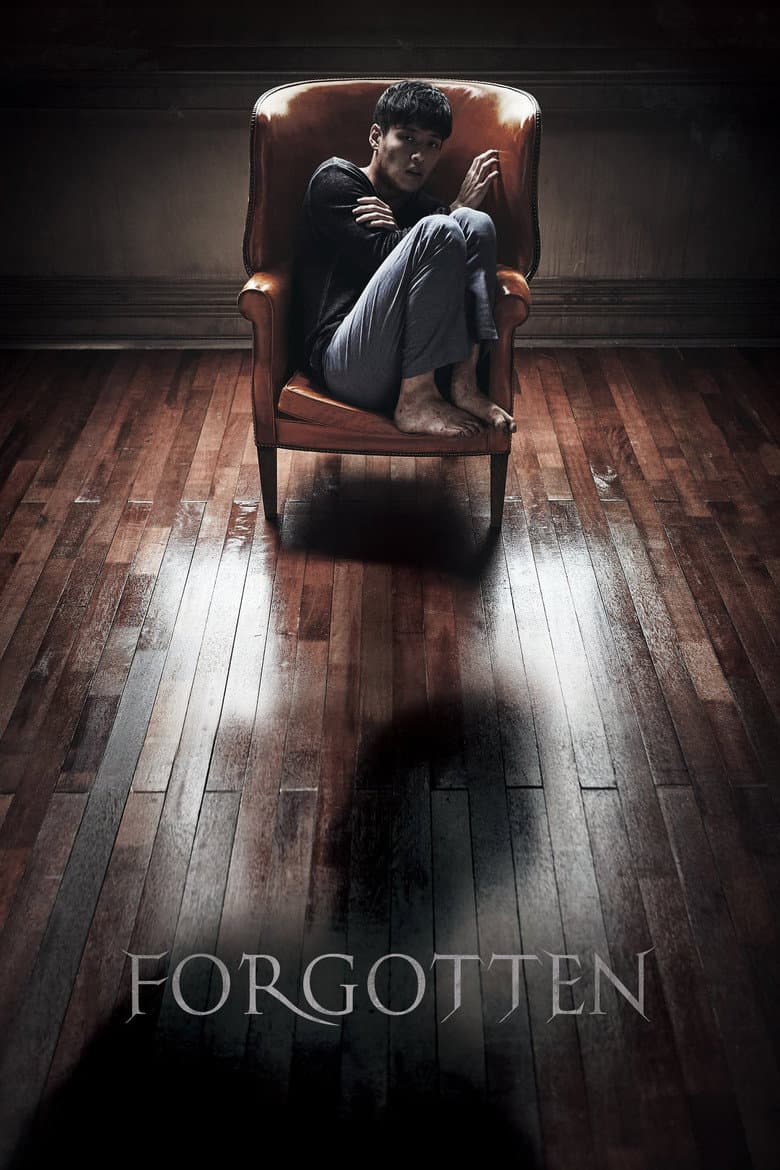
Movie · 2017
Jin-seok, 21-year-old, moves into a new house with his family. He suffers from a slight schizophrenia but he carries an ordinary life under the warm care of the family.

Movie · 2018
A serial killer is murdering school girls, and a newbie cop has to track him down before the victim count increases.

Movie · 2023
Helena, a woman living a seemingly ordinary life, hides a dark secret—her father is the infamous 'Marsh King', the man who kept her and her mother captive in the wilderness for…

Movie · 2018
A series of mysterious events changes the life of a blind pianist who now must report a crime that was actually never witnessed by him.
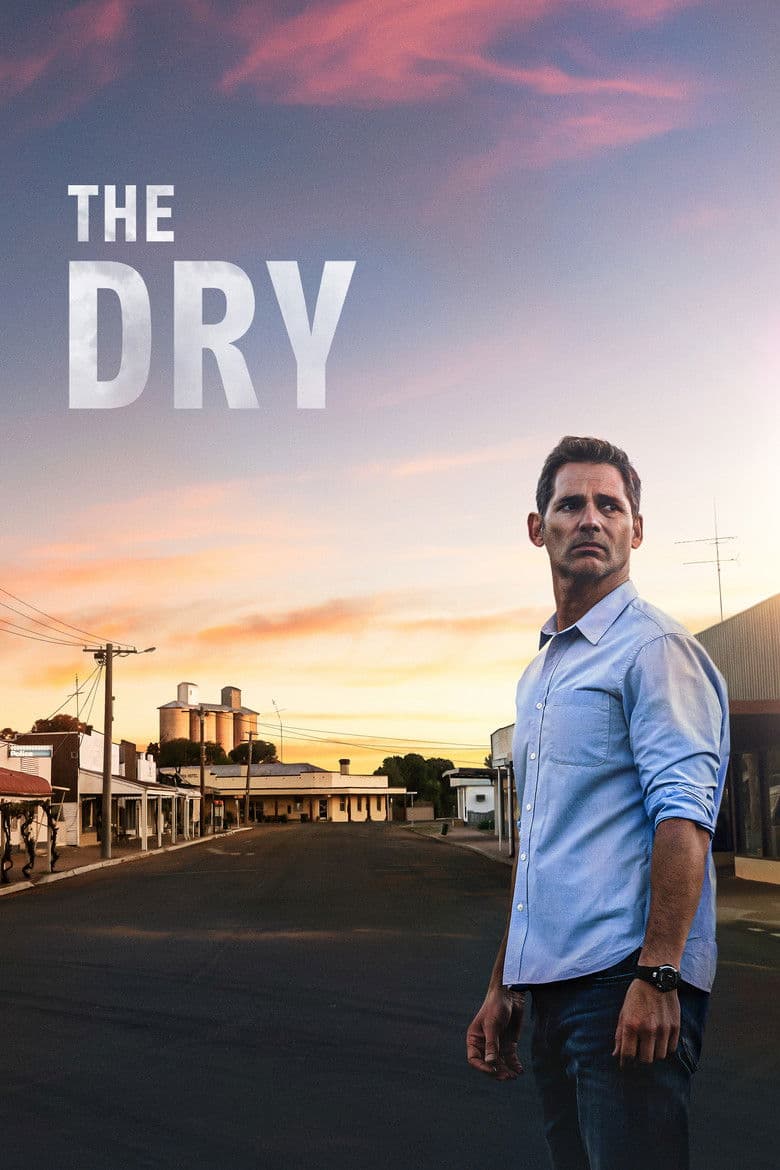
Movie · 2021
Aaron Falk returns to his drought-stricken hometown to attend a tragic funeral. But his return opens a decades-old wound - the unsolved death of a teenage girl.
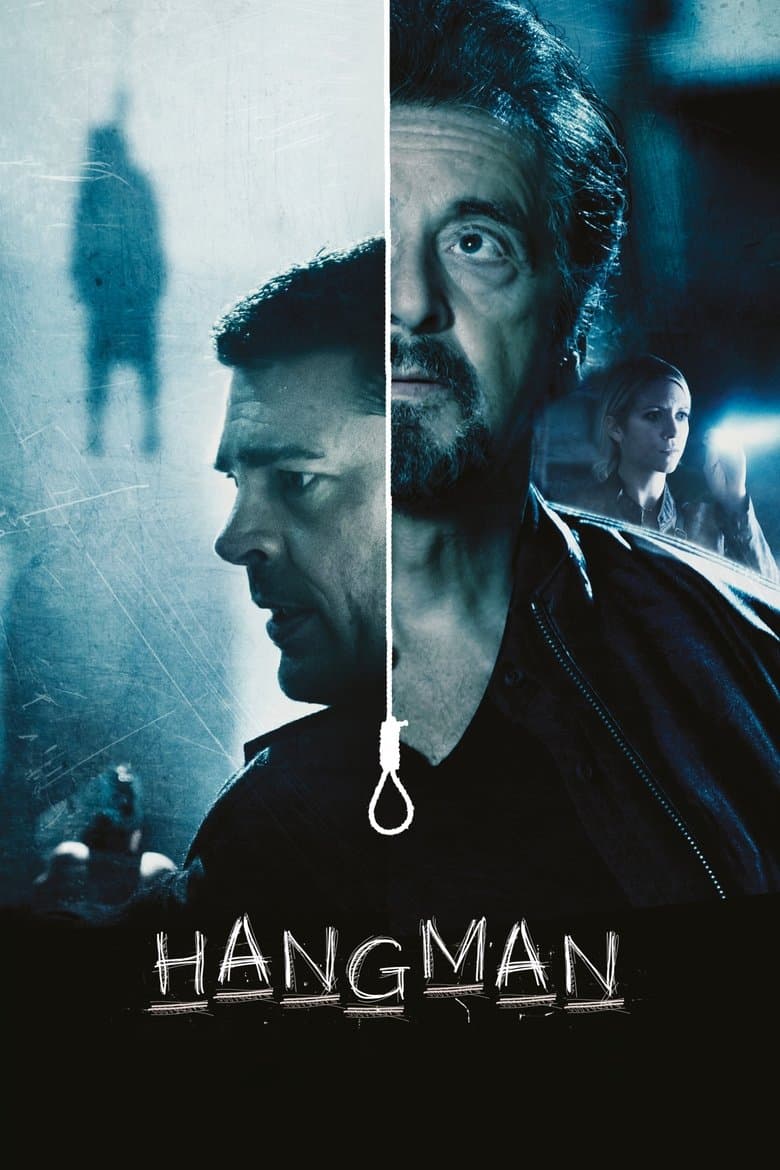
Movie · 2017
A homicide detective teams up with a criminal profiler to catch a serial killer whose crimes are inspired by the children's game, Hangman.

Movie · 2020
Kyle and Swin live by the orders of an Arkansas-based drug kingpin named Frog, whom they've never met. But when a deal goes horribly wrong, the consequences are deadly.
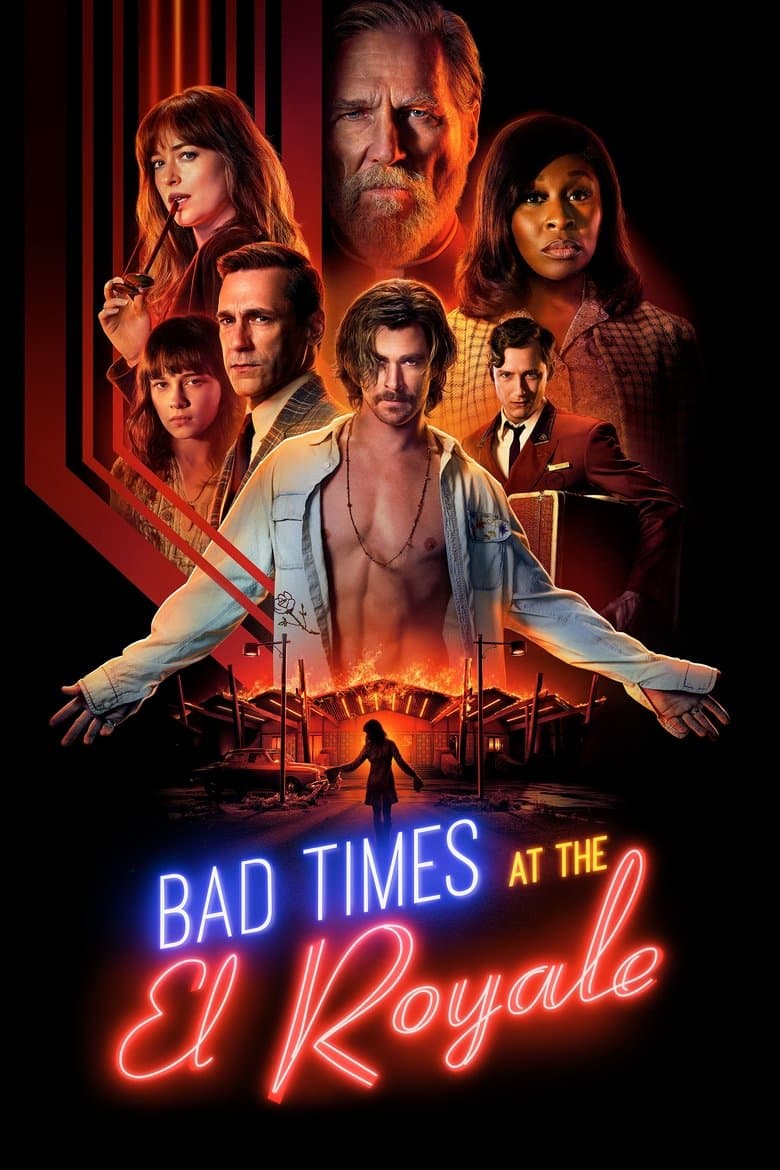
Movie · 2018
Lake Tahoe, 1969. Seven strangers, each one with a secret to bury, meet at El Royale, a decadent motel with a dark past.
