
Walter Meyers is a retired mechanic and a widower in Birmingham, Alabama. He invites his four grown children and their families home for five days before Christmas, hoping they can stop fighting after the death of his wife, Grace. Each child brings a problem, including a painful divorce, a troubled marriage, a political campaign, and a painkiller habit after a football injury. The film mixes loud family comedy with grief, romance, and serious moments about forgiveness.
The clearest identity-focused element is the film’s choice to place a black family and black community at the center of a major Christmas story. The family includes a divorced single mother in law school, a successful woman dentist, a black politician, and a young athlete, so the movie shows several different family roles. A short political plot shows developers trying to close a homeless shelter so a candidate can gain support, and the film favors keeping the shelter open. Most of the story stays with family loyalty, faith, love, grief, and personal responsibility rather than modern identity politics.
Community feedback
Was our 37% Woke rating accurate?
Breakdown
These are the editorial factors and ratings behind our score for Almost Christmas.
Woke representation / casting
The film puts a black family at the center, and nearly every major family and friend role is played by a black actor. The Birmingham setting and the family plot make that casting believable. Title interviews also present the film as a chance to show many kinds of black families in a holiday story. The identity focus is clear, but the story follows one connected family rather than a mixed group built around a diversity message.
42%
Woke political dialogue
Not present. The film has campaign talk about a homeless shelter and a developer’s donation, but it does not use spoken lines to promote modern identity, DEI, gender, or activist ideas.
0%
Identity-driven story themes
The film makes a black family and its everyday holiday life the main story, which is a clear representation-focused choice. The plot shows several kinds of black family roles, including a single mother in law school, a dentist, a politician, and an injured athlete. Those roles serve family conflict, grief, marriage, and moral choices rather than a race or gender campaign. The identity theme is visible but mild because the movie does not make race, gender, or current activism the main conflict.
18%
Western institutional / cultural critique
Not present. The film criticizes a campaign deal that could close a homeless shelter, but it treats that as one man’s moral choice. It does not attack Western family life, Christianity, capitalism, or traditional social rules through a modern activist message.
0%
Woke character or canon changes
Not relevant. The film is an original family story with no established characters, canon, or historical figures to change.
0%
Anti-woke backlash and complaints
Not present. Search results and audience posts focused on the cast, jokes, grief, and predictable family drama. The supplied X pass found no posts calling the film woke, DEI, identity-driven, or a boycott target.
0%
Creator track record context
David E. Talbert has a long record of black-led stories and public comments about Black visibility. Kim Taylor-Coleman and Gabrielle Union also have representation-focused public records. Will Packer often backs black-led commercial films and speaks about representation as good business. This gives the title a clear representation-focused creator context, even though the film itself is not built around a modern activist campaign.
57%
Production

Movie · 2022
Maurice Flitcroft, a dreamer and unrelenting optimist, managed to gain entry to The British Open Golf Championship qualifying in 1976 and subsequently shot the worst round in Open…

Movie · 2021
Veteran comedy writer Charlie Berns, who is slowly but surely losing his grip on reality, befriends a talented young New York street singer Emma Payge.

Movie · 2019
Ten fishermen from Cornwall are signed by Universal Records and achieve a top ten hit with their debut album of Sea Shanties.

Movie · 2016
Mia, an aspiring actress, serves lattes to movie stars in between auditions and Sebastian, a jazz musician, scrapes by playing cocktail party gigs in dingy bars, but as success…
Movie · 2017
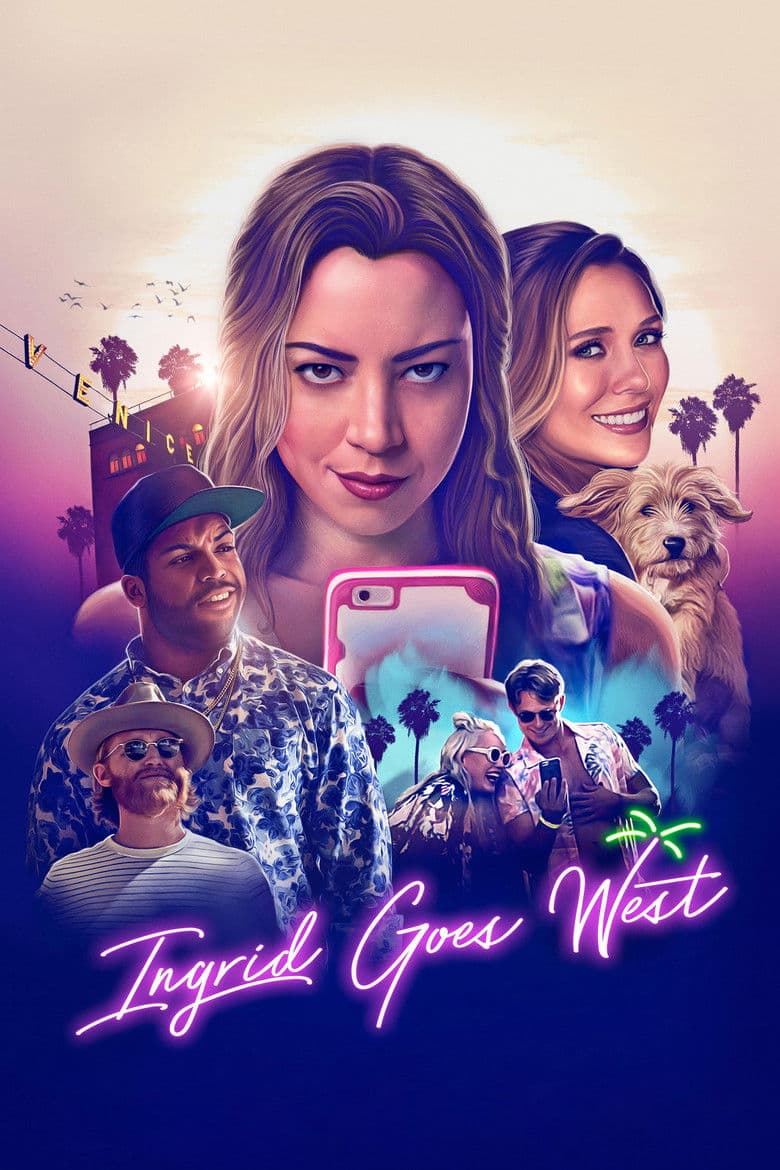
Ingrid becomes obsessed with a social network star named Taylor Sloane who seemingly has a perfect life. But when Ingrid decides to drop everything and move west to be Taylor's…
Movie · 2019
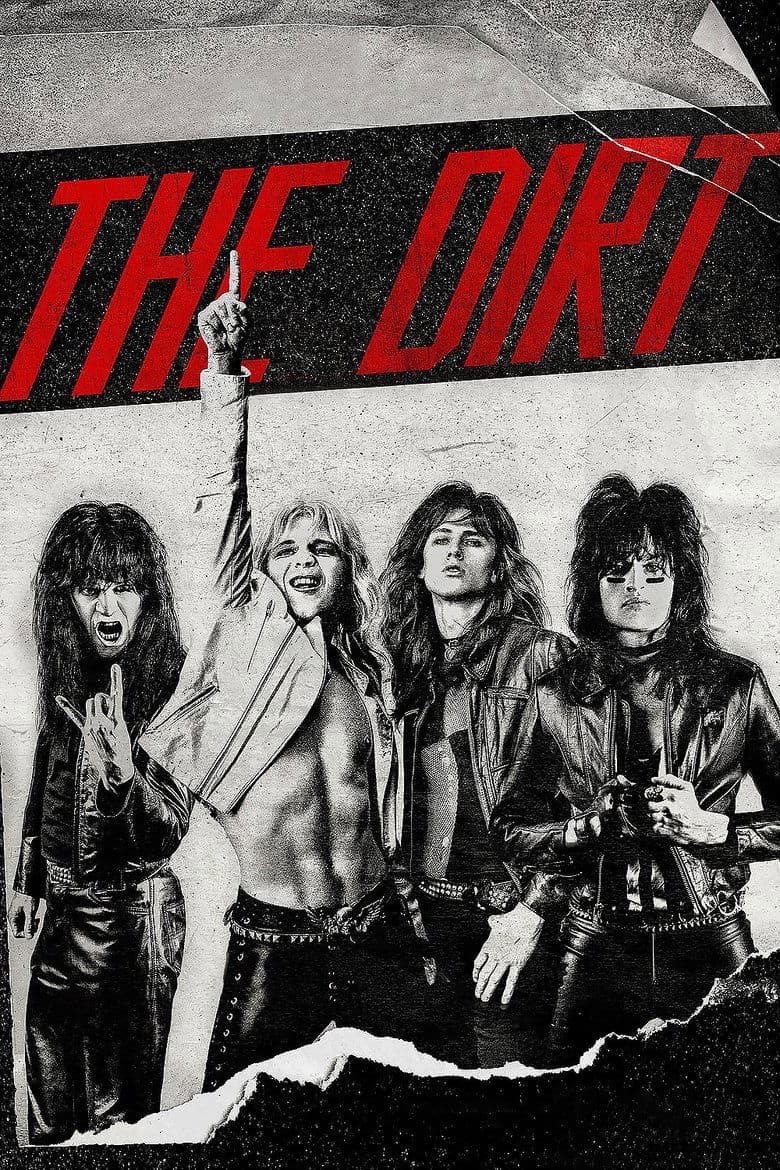
The story of Mötley Crüe and their rise from the Sunset Strip club scene of the early 1980s to superstardom.
Movie · 2019
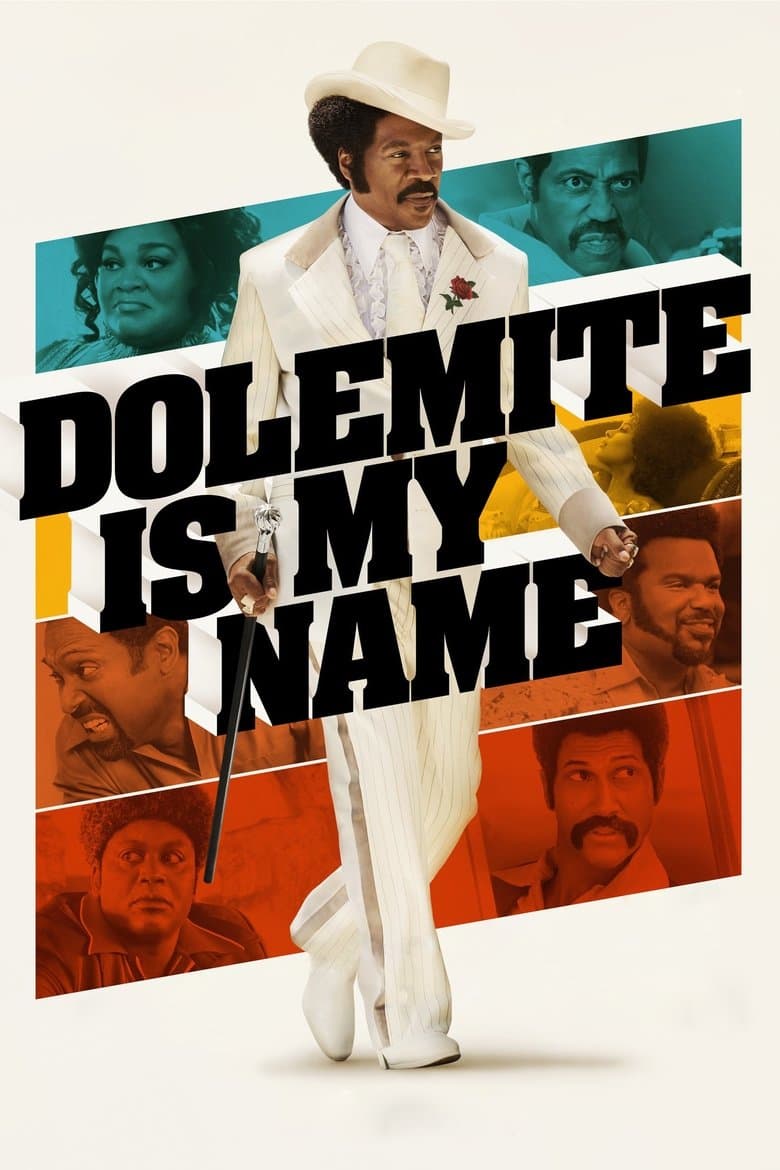
The story of Rudy Ray Moore, who created the iconic big screen pimp character Dolemite in the 1970s.

Movie · 2020
Four stagnant high school teachers decide to test out a theory that maintaining a constant level of intoxication will improve their overall lives.
