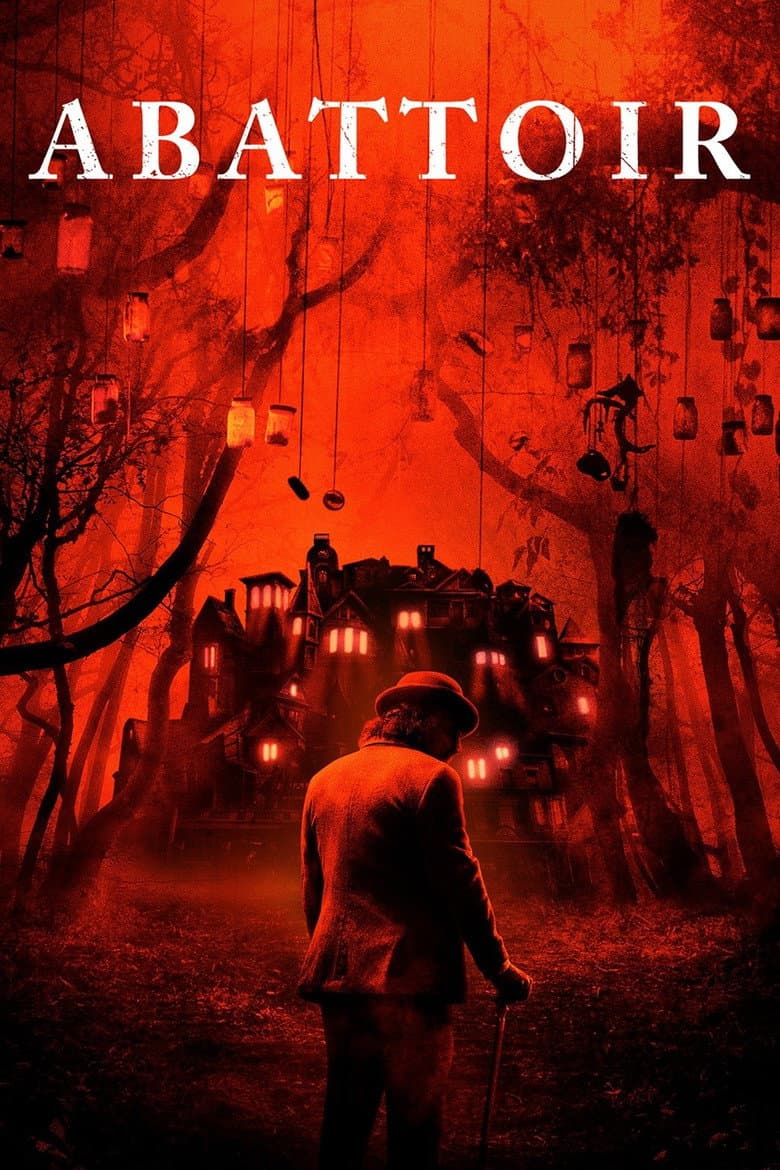
Abattoir follows Julia Talben, a real-estate reporter whose sister, brother-in-law, and nephew are murdered in their home. Julia joins her former lover, Detective Declan Grady, after the murder room is cut out of the house and sold away. Their search leads from modern-day crime scenes to New English, a dying town hiding a terrible secret. The film uses a dark, slow film-noir style before it turns into supernatural horror.
Julia is the main investigator, and the earlier comic used a male lead, so the movie makes a clear gender change in its source material. The film presents Julia as driven and brave, but her gender is not the subject of a political speech. The deeper conflict comes from preacher Jebediah Crone, who promises to save the town through sin, murder, and child sacrifice. The story treats grief, family, faith, guilt, and the wish to see dead loved ones again as its main themes.
Community feedback
Was our 19% Woke rating accurate?
Breakdown
These are the editorial factors and ratings behind our score for Abattoir.
Woke representation / casting
Not present. The cast does not show a repeated diversity or identity pattern in prominent roles. The film does not frame Julia, Allie, or the other roles as an identity statement.
0%
Woke political dialogue
Not present. The dialogue centers on murder, grief, faith, and the haunted house. It has no modern identity, gender, DEI, or activist message.
0%
Identity-driven story themes
Not present. Julia's gender helps define the lead role, but the story does not make gender or identity the conflict. The plot follows family murder, town rituals, ghosts, and the wish to reunite with the dead.
0%
Western institutional / cultural critique
The film repeatedly shows preacher Jebediah Crone using Christian language to justify murder, child sacrifice, and control of New English. Characters say that God and a savior did not protect them. The story also presents the town's religious leaders as fearful and corrupt. This attack stays inside a supernatural horror plot and is not framed as a modern activist argument about Western society.
15%
Woke character or canon changes
The earlier comic centers on Richard Ashwalt, a male cop turned real-estate agent. The film instead centers on Julia Talben, a female real-estate reporter. Jessica Lowndes described the movie as a continuation with its own story, rather than a direct retelling of the comic. The lead gender change is clear and important, but the film does not turn it into a speech about gender or representation.
40%
Anti-woke backlash and complaints
Not present. The supplied X pass found no anti-woke posts or complaints. Other discussion focused on weak writing, slow pacing, acting, scares, and the ending instead of woke, DEI, or identity politics.
0%
Creator track record context
Director Darren Lynn Bousman's earlier Repo! The Genetic Opera has anti-corporate satire in which a company controls people's bodies. His supplied notes say he avoids political topics and focuses on entertainment. Writer Christopher Monfette and the listed producers and crew show no clear pattern of activist or identity-driven work. Abattoir interviews stay focused on horror, noir, grief, and family.
13%
Production
Movie · 2024
After raising an unnervingly talented spider in secret, 12-year-old Charlotte must face the truth about her pet and fight for her family's survival.

Movie · 2016
An evening of drunken prank calls becomes a nightmare for a pair of teenagers when a mysterious stranger turns their own game against them.

Movie · 2025
A collection of Halloween-themed videotapes unleashes a series of twisted, blood-soaked tales, turning trick-or-treat into a struggle for survival.
Movie · 2019
When a 12-year-old boy goes missing at a local park, a detective investigates the case to help the boy's family find answers.

Movie · 2024
A grieving woman in a secluded forest encounters a killer who injects her with a paralytic drug. As her body shuts down, her fight for survival begins.
Movie · 2021
The Blind Man has been hiding out for several years in an isolated cabin and has taken in and raised a young girl orphaned from a devastating house fire.

Movie · 2018
Three teenage thieves infiltrate a mansion dinner party, unaware that it is secretly being hosted by a serial killer cult for the social elite.

Movie · 2016
A deaf woman is stalked by a psychotic killer in her secluded home.
